
Wholesale Gifts MOQ: What Affects Your Cost

MOQ Pressure Is Reshaping How Wholesale Gifts Are Budgeted in Travel Services
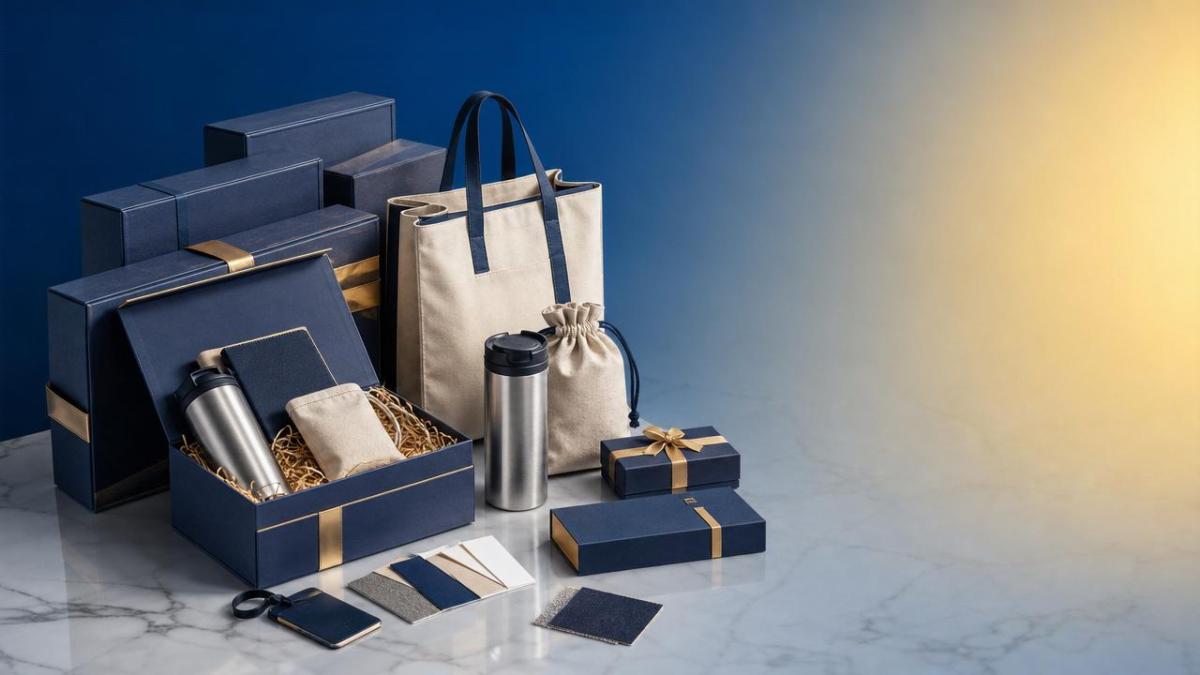
For procurement professionals, understanding how MOQ shapes pricing is essential when sourcing wholesale gifts at scale. From material choices and packaging to customization, compliance, and supplier capacity, multiple factors can directly influence your unit cost and negotiation power. This guide breaks down what really affects MOQ-related pricing so you can make smarter purchasing decisions, reduce risk, and improve margins in a competitive retail landscape.
In travel services, the role of wholesale gifts has expanded beyond simple souvenirs. Hotels, airlines, resorts, tour operators, cruise lines, destination marketers, and travel loyalty programs now use branded gifts to shape guest experience, strengthen retention, and support premium positioning. As a result, minimum order quantity, or MOQ, is no longer just a factory rule. It has become a pricing signal that affects campaign timing, inventory exposure, brand flexibility, and total acquisition cost.
This shift matters because travel demand is increasingly seasonal, segmented, and experience-led. A beach resort may need eco-friendly welcome kits in one quarter, while a corporate travel program may require elegant executive gifts in the next. When wholesale gifts are tied to dynamic guest flows, MOQ can either unlock attractive unit costs or create excess stock that erodes margins. The real issue is not only how many units a supplier requires, but why that threshold exists and how it connects to production economics.
Current Market Signals Show MOQ Is Becoming a Strategic Cost Variable
Several market signals are changing how travel businesses evaluate wholesale gifts. First, personalization is rising. Destination-specific packaging, branded amenity kits, event merchandise, and loyalty rewards all increase SKU complexity. Second, sustainability claims are under greater scrutiny, pushing buyers toward certified materials and traceable supply chains. Third, shorter promotional cycles are reducing the usefulness of very large blanket orders. These trends make MOQ more visible because every additional product variation can reset tooling, printing, packaging, and compliance assumptions.
At the same time, suppliers are facing their own pressures: higher labor costs, volatile raw material pricing, stricter testing standards, and demand swings across global retail channels. That means MOQ for wholesale gifts is often less negotiable than it appears on the surface. What looks like a simple volume requirement may actually reflect machine setup time, carton efficiency, sourcing constraints, or quality assurance workload. In travel services, where timing is often linked to peak seasons and event calendars, overlooking these drivers can turn an attractive quotation into an expensive outcome.
What Actually Drives MOQ-Linked Pricing in Wholesale Gifts
The cost of wholesale gifts is shaped by a cluster of operational and commercial factors. MOQ is the point where those factors become economically viable for the supplier. The table below highlights the most common drivers in travel-related gift sourcing.
Why Some Wholesale Gifts Carry High MOQ While Others Stay Flexible
Not all wholesale gifts behave the same way. Simple, standardized items such as keychains, microfiber pouches, or basic drinkware may offer low MOQ because factories already run them regularly and can pool material purchases across clients. In contrast, highly branded or multi-component items often need higher MOQ because each version creates isolated cost layers. In travel services, this difference is important when comparing giveaway items for mass campaigns versus premium gifts for concierge tiers or loyalty members.
The most common reasons for higher MOQ include:
- Dedicated molds, dies, or print screens
- Custom colors matched to brand or destination identity
- Multi-piece gift sets assembled by hand
- Low-availability sustainable or premium raw materials
- Testing requirements for child-safe, food-contact, or travel-use products
- Short lead-time production windows during tourism peaks
This is why the cheapest quote on low-volume wholesale gifts may not produce the lowest landed cost. A lower MOQ can come with compromises in packaging consistency, decoration quality, or material grade. For travel brands that depend on guest perception, those trade-offs should be measured carefully against lifetime value, review impact, and campaign objectives.
The Impact of MOQ on Different Travel Business Scenarios
MOQ affects business models differently across travel services. For high-volume operations such as airlines or large hotel chains, bigger orders may support lower per-unit pricing and stronger supply continuity. The risk lies in overcommitting to designs that lose relevance across seasons, routes, or customer segments. For more localized operators, lower-volume wholesale gifts may be preferable even at a slightly higher unit cost because they preserve flexibility and reduce obsolete inventory.
A few common impact patterns stand out:
- Seasonal destinations: high MOQ can create leftover stock after peak travel periods end.
- Luxury hospitality: premium packaging and refined materials often push MOQ upward, but presentation quality is non-negotiable.
- Family travel programs: compliance and child-safety testing can outweigh savings from ultra-low unit prices.
- Corporate travel and events: date-sensitive campaigns make lead time and replenishment more important than chasing the lowest MOQ.
What to Evaluate Before Accepting MOQ for Wholesale Gifts
Before approving any wholesale gifts order, it helps to evaluate MOQ as part of the full commercial picture rather than as a single negotiation point. A realistic assessment should cover the following priorities:
- Compare unit cost at multiple breakpoints, not just one quoted volume.
- Estimate storage, handling, and internal distribution costs across locations.
- Check whether artwork changes, packaging inserts, or labeling create hidden MOQ resets.
- Review compliance documentation for any product used by children, in food contact, or in regulated markets.
- Ask whether mixed SKUs, split shipments, or phased production runs are possible.
- Model demand by season, route, property type, or guest segment before locking total volume.
These checks are especially valuable in travel because guest-facing gifts are often linked to service promises. If a campaign requires branded beach kits, spa sets, or destination welcome packs, stockouts can damage experience quality, while over-ordering can tie up working capital for months. The right MOQ for wholesale gifts is therefore the one that balances image, timing, and inventory efficiency.
Practical Ways to Improve MOQ Outcomes Without Sacrificing Brand Value
Better outcomes usually come from smarter structuring rather than aggressive price pressure alone. When sourcing wholesale gifts for travel programs, consider the following response strategies:
A Smarter Next Step for Wholesale Gifts Planning
The key takeaway is simple: MOQ is not just a supplier barrier; it is a forecast of where cost, risk, and operational complexity begin. In travel services, where guest expectations and demand cycles move quickly, the best sourcing decisions for wholesale gifts come from understanding the economics behind the quote. Material choices, customization depth, packaging structure, testing obligations, and logistics design all play a role in what your final unit cost really becomes.
A practical next step is to build a comparison sheet for every wholesale gifts project using three volume tiers, one packaging alternative, and one simplified branding version. That approach reveals whether the quoted MOQ is truly the most efficient option or simply the default offer. In a market where travel brands compete through detail and experience, sharper MOQ analysis can protect margins while supporting better guest outcomes.
Related Intelligence
 Skincare OEMAug 16, 2026Amazon Enforces AI Human Metadata Rule for Beauty and Personal Care SellersAmazon now enforces AI human metadata rules for beauty sellers. Learn how to protect listings, traffic, and compliance in skincare, cosmetics, and beauty devices.
 Beauty DevicesAug 15, 2026China to Roll Out Nationwide Cross-Border Cash Pooling for MultinationalsChina to roll out nationwide cross-border cash pooling for multinationals from Sept. 14. Discover how this policy could improve treasury efficiency, liquidity management, and China-linked supply chains.
 Beauty DevicesAug 14, 2026China Imposes Temporary Export Ban on Helium, Affecting Cooling Supply ChainsChina's temporary helium export ban may disrupt cooling supply chains for beauty RF devices and laser systems. Learn what ODMs, buyers, and procurement teams should check now.
![]() Cosmetics & PkgAug 13, 2026PPWR becomes mandatory: Beauty and personal care packaging materials usher in new EPR and PFAS compliance requirementsPPWR takes effect for cosmetics packaging in the EU, bringing EPR registration and PFAS limits. Learn what brands, importers, and suppliers must do now.
Cosmetics & PkgAug 13, 2026PPWR becomes mandatory: Beauty and personal care packaging materials usher in new EPR and PFAS compliance requirementsPPWR takes effect for cosmetics packaging in the EU, bringing EPR registration and PFAS limits. Learn what brands, importers, and suppliers must do now. Cosmetics & PkgAug 12, 2026EU PPWR Now Enforced for Beauty Packaging ComplianceEU PPWR now enforced for beauty packaging compliance: learn how EPR, ERN, heavy metals and PFAS rules affect EU exports, customs clearance and platform sales.
 Cosmetics & PkgAug 11, 2026EU PPWR Rules Take Effect on Aug. 12 for Beauty PackagingEU PPWR rules for beauty packaging take effect on Aug. 12, 2026. Learn key compliance steps, EPR, labeling, PFAS limits, and how to avoid customs delays and fines.
 Smart Pet DevicesAug 10, 2026EU EPR Rules to Cover Smart Pet Devices on Aug. 15EU EPR Rules will cover smart pet devices from Aug. 15, 2026. Learn how smart collars, feeders, and monitoring devices can avoid delisting, customs delays, and compliance risks in the EU.
 Infant Feeding & CareAug 09, 2026CPSC Recalls Baby Sleep Sacks Over Undeclared TDCPPCPSC Recalls Baby Sleep Sacks Over Undeclared TDCPP: learn how this 2026 recall impacts CPC documents, third-party testing, and U.S. baby product compliance for exporters.
 Infant Feeding & CareAug 08, 2026ECHA Adds 5 SVHCs, Importer Notices Due From Oct 2026ECHA adds 5 SVHCs to the Candidate List, with importer notices due from October 2026. Learn how REACH affects exporters, supply chains, and documentation readiness.
 Baby Gear & StrollersAug 07, 2026CPSC Revises Crib Rail Standard for November 2026CPSC revises crib rail standard for November 2026, adding dynamic impact tests and mandatory third-party lab testing. Learn how the new rule affects U.S. market access, compliance, and shipments.
 Electronic & RC ToysAug 06, 2026EU to Require EN IEC 62115:2025 for Electronic ToysEU to Require EN IEC 62115:2025 for Electronic Toys from Oct 1, 2026. Learn scope, battery and AI safety updates, CE compliance risks, and how exporters can avoid customs delays.
 Baby Gear & StrollersAug 05, 2026US Stroller Stability Rule Takes Effect Aug. 15US Stroller Stability Rule Takes Effect Aug. 15: learn how new U.S. stroller compliance, ASTM F833-26a, and CPSC testing rules may affect imports, certification, and shipment readiness.
 Infant Feeding & CareAug 04, 2026ECHA Adds 5 SVHCs, Triggering Baby Care Export ReviewECHA adds 5 SVHCs, prompting an urgent baby care export review for EU-bound products. Learn the 0.1% threshold risks, compliance steps, and how to avoid customs delays and fines.












