
Custom Toys: When Bespoke Design Pays Off
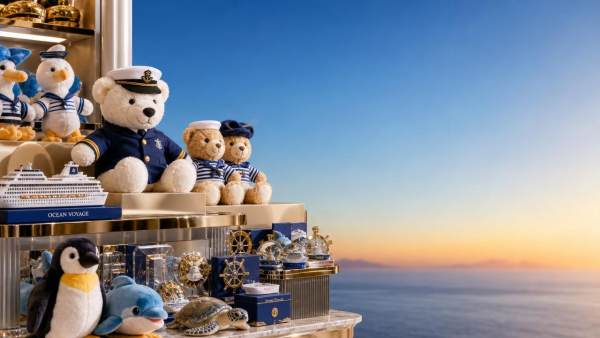
In a crowded retail landscape, custom toys can deliver far more than novelty—they can strengthen brand identity, improve margins, and unlock niche market demand. In travel services, the value becomes even more practical: destination gift shops, family resorts, theme-based tours, cruise programs, airport retail, and cultural attractions all compete for memorable products that travelers cannot easily replace online. The key question is not whether bespoke items look attractive, but when custom toys create enough commercial, experiential, and operational value to justify added design, tooling, compliance, and inventory complexity.
For travel-focused retail and experience operators, the payoff from custom toys depends on scene-specific demand. A plush mascot for a resort, an educational destination toy for a museum route, or a collectible mini figure tied to a cruise itinerary can all perform differently based on visitor flow, purchase intent, age mix, seasonality, baggage constraints, and local storytelling. That is why bespoke design should be evaluated as a scenario-based growth tool rather than a generic merchandising upgrade.
When destination-driven retail makes custom toys worth the investment
In travel services, custom toys tend to pay off fastest when the destination itself is part of the purchase trigger. Travelers often buy emotionally, especially when the item helps preserve a memory, delight children during a trip, or symbolize a place they may not revisit soon. In this setting, a standard off-the-shelf toy competes mainly on price, while custom toys compete on meaning. That distinction can support stronger conversion rates and better gross margins in gift shops, visitor centers, excursion kiosks, and branded hospitality retail.
The strongest use case appears when the product can encode destination identity in a simple, recognizable format: local wildlife plush, landmark miniatures, travel mascot keychain toys, beach resort water-play sets, or cultural storytelling dolls. When the toy becomes a souvenir and an experience extension at the same time, bespoke design usually delivers higher perceived value than generic alternatives. This is especially true in places where impulse purchasing is high and comparison shopping is low, such as attractions, cruises, and resort properties.
Which travel scenarios create the clearest demand for custom toys
Family resorts and hotels with strong on-site identity
Resorts that rely on repeat family bookings often benefit from custom toys tied to mascots, kids’ clubs, seasonal packages, or room experiences. The toy does more than generate retail revenue; it reinforces memory and supports social sharing. A child who receives a branded plush during check-in or as part of a premium family package often becomes attached to the resort’s identity, increasing the chance of repeat visits and follow-up merchandise sales.
This scenario works best when the toy has multiple touchpoints: welcome gift, in-room upsell, gift shop retail, and post-stay online reorder. If the property only plans a single shelf placement with no story integration, the economics of custom toys may be weaker than private-label stock items with lighter customization.
Tourist attractions, museums, and cultural destinations
Attractions with educational or heritage value are ideal for custom toys that translate storytelling into a take-home format. Examples include historical character figures, archaeology kits, wildlife replicas, or soft toys based on iconic local species. Here, the purchase decision is often supported by parents seeking a meaningful souvenir rather than a purely entertaining product.
Bespoke design pays off when the toy extends the attraction’s narrative. A generic dinosaur toy in a fossil museum shop is easy to replace elsewhere; a toy shaped around the site’s own exhibits, local discovery story, or educational mission is not. That exclusivity matters for both SEO-led destination merchandising strategies and in-person conversion.
Cruise lines and itinerary-based travel programs
Cruises create a strong environment for custom toys because passengers are in a contained retail ecosystem for several days. Products linked to ship mascots, destination stamps, kids’ program milestones, or collectible voyage editions can encourage repeat purchases during the same trip. Limited-edition variants tied to routes or seasons can also create urgency without requiring an excessively broad SKU count.
However, this scenario demands careful packaging and compliance planning. Toys must be compact, easy to carry, and suitable for an international passenger base. Products with batteries, liquids, or complex accessory parts can create friction. In many cases, plush, blind-box collectibles, and simple role-play items outperform more fragile custom formats.
Airport, transit, and last-minute souvenir retail
In high-speed retail environments, custom toys must justify themselves through instant recognition and travel-friendly design. Travelers in airports and transit hubs have little time to compare products, so the best-performing items are lightweight, visually clear, and emotionally direct. Mini plush, clip-on toys, destination figurines, and compact educational kits usually fit this setting better than larger playsets.
The payoff is strongest when the design clearly signals “only available here.” If the visual language is too subtle or packaging fails to highlight location relevance, the custom premium may not convert. In this scenario, bespoke design should focus on speed of understanding, not design complexity for its own sake.
How demand differs across travel service scenarios
Not all travel environments need the same type of custom toys. The right decision depends on stay duration, emotional intensity, average basket size, and the role of children in the travel experience. The comparison below helps clarify where bespoke design tends to generate the best return.
Practical ways to decide if custom toys will pay off
Before approving a bespoke program, it helps to test custom toys against a few commercial and operational checkpoints. If most of the answers are positive, the probability of payoff rises significantly.
- Does the destination, property, or route have a recognizable story or visual icon that generic toys cannot represent?
- Can the toy be sold or used in more than one touchpoint, such as welcome kits, retail shelves, premium packages, and loyalty rewards?
- Will the toy be easy for travelers to pack, carry, or purchase at the end of a journey?
- Is there enough volume or repeat seasonality to justify mold, artwork, or packaging development?
- Can compliance requirements for target markets be managed early, especially for children’s products?
- Will the design remain relevant long enough to avoid stranded inventory after a campaign or seasonal shift?
These checks matter because the success of custom toys in travel services is rarely driven by design alone. The strongest programs align story value, compact form, compliance readiness, and distribution flexibility from the beginning.
Common misjudgments that reduce the return on custom toys
One common mistake is treating custom toys as purely decorative branding exercises. If the item does not fit how people actually travel—light packing, quick decisions, and preference for durable souvenirs—the design may look impressive but sell slowly. Travel retail rewards convenience as much as creativity.
Another misjudgment is underestimating safety, labeling, and certification needs. Toys sold across borders or through global tourism channels may face requirements such as CE, CPC, ASTM, or other market-specific rules. Delaying compliance work can erase launch timing advantages and increase cost. Bespoke design pays off only when legal readiness supports commercial speed.
A third issue is overextending SKU variety. Travel services often benefit more from a focused range of custom toys with clear destination identity than from too many variants with diluted storytelling. A small set of highly recognizable products is easier to merchandise, easier to restock, and easier for travelers to understand in seconds.
What the next move should look like
If the goal is to make custom toys commercially effective in travel services, the next step should be a structured scenario review rather than an immediate design brief. Start by mapping where the product will appear, who buys it, why they buy in that moment, and how the item connects to the travel memory. Then narrow the concept to formats that are compact, compliant, and destination-specific.
From there, validate demand through small-batch pilots, seasonal launches, or limited-edition retail tests. Compare performance against generic souvenir toys on conversion, average order value, attachment rate, and margin. When data confirms that the destination story meaningfully lifts perceived value, custom toys stop being a branding expense and become a repeatable retail growth lever.
For travel brands and sourcing teams operating in competitive visitor economies, bespoke design pays off most when it turns a passing trip into a memorable product story. In the right scenario, custom toys are not just merchandise—they are portable destination assets that convert emotion into measurable revenue.
Related Intelligence
 Skincare OEMAug 16, 2026Amazon Enforces AI Human Metadata Rule for Beauty and Personal Care SellersAmazon now enforces AI human metadata rules for beauty sellers. Learn how to protect listings, traffic, and compliance in skincare, cosmetics, and beauty devices.
 Beauty DevicesAug 15, 2026China to Roll Out Nationwide Cross-Border Cash Pooling for MultinationalsChina to roll out nationwide cross-border cash pooling for multinationals from Sept. 14. Discover how this policy could improve treasury efficiency, liquidity management, and China-linked supply chains.
 Beauty DevicesAug 14, 2026China Imposes Temporary Export Ban on Helium, Affecting Cooling Supply ChainsChina's temporary helium export ban may disrupt cooling supply chains for beauty RF devices and laser systems. Learn what ODMs, buyers, and procurement teams should check now.
![]() Cosmetics & PkgAug 13, 2026PPWR becomes mandatory: Beauty and personal care packaging materials usher in new EPR and PFAS compliance requirementsPPWR takes effect for cosmetics packaging in the EU, bringing EPR registration and PFAS limits. Learn what brands, importers, and suppliers must do now.
Cosmetics & PkgAug 13, 2026PPWR becomes mandatory: Beauty and personal care packaging materials usher in new EPR and PFAS compliance requirementsPPWR takes effect for cosmetics packaging in the EU, bringing EPR registration and PFAS limits. Learn what brands, importers, and suppliers must do now. Cosmetics & PkgAug 12, 2026EU PPWR Now Enforced for Beauty Packaging ComplianceEU PPWR now enforced for beauty packaging compliance: learn how EPR, ERN, heavy metals and PFAS rules affect EU exports, customs clearance and platform sales.
 Cosmetics & PkgAug 11, 2026EU PPWR Rules Take Effect on Aug. 12 for Beauty PackagingEU PPWR rules for beauty packaging take effect on Aug. 12, 2026. Learn key compliance steps, EPR, labeling, PFAS limits, and how to avoid customs delays and fines.
 Smart Pet DevicesAug 10, 2026EU EPR Rules to Cover Smart Pet Devices on Aug. 15EU EPR Rules will cover smart pet devices from Aug. 15, 2026. Learn how smart collars, feeders, and monitoring devices can avoid delisting, customs delays, and compliance risks in the EU.
 Infant Feeding & CareAug 09, 2026CPSC Recalls Baby Sleep Sacks Over Undeclared TDCPPCPSC Recalls Baby Sleep Sacks Over Undeclared TDCPP: learn how this 2026 recall impacts CPC documents, third-party testing, and U.S. baby product compliance for exporters.
 Infant Feeding & CareAug 08, 2026ECHA Adds 5 SVHCs, Importer Notices Due From Oct 2026ECHA adds 5 SVHCs to the Candidate List, with importer notices due from October 2026. Learn how REACH affects exporters, supply chains, and documentation readiness.
 Baby Gear & StrollersAug 07, 2026CPSC Revises Crib Rail Standard for November 2026CPSC revises crib rail standard for November 2026, adding dynamic impact tests and mandatory third-party lab testing. Learn how the new rule affects U.S. market access, compliance, and shipments.
 Electronic & RC ToysAug 06, 2026EU to Require EN IEC 62115:2025 for Electronic ToysEU to Require EN IEC 62115:2025 for Electronic Toys from Oct 1, 2026. Learn scope, battery and AI safety updates, CE compliance risks, and how exporters can avoid customs delays.
 Baby Gear & StrollersAug 05, 2026US Stroller Stability Rule Takes Effect Aug. 15US Stroller Stability Rule Takes Effect Aug. 15: learn how new U.S. stroller compliance, ASTM F833-26a, and CPSC testing rules may affect imports, certification, and shipment readiness.
 Infant Feeding & CareAug 04, 2026ECHA Adds 5 SVHCs, Triggering Baby Care Export ReviewECHA adds 5 SVHCs, prompting an urgent baby care export review for EU-bound products. Learn the 0.1% threshold risks, compliance steps, and how to avoid customs delays and fines.












