
Product safety standards that affect nursery monitor approval
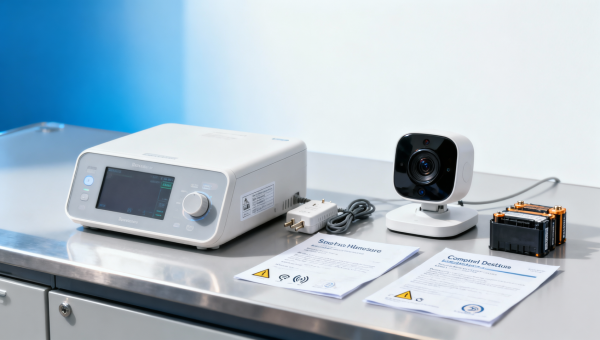
For buyers and sourcing teams navigating international supply, understanding product safety standards is essential to securing nursery monitor approval and reducing compliance risk. Backed by retail analysis and supply chain research, this guide explains how product regulations, certification pathways, and retail data shape safer product launches, stronger brand supply decisions, and more confident entry into international retail markets.
For most commercial teams, the key question is not simply “what standards exist,” but “which standards actually determine whether a nursery monitor can be approved, listed, imported, and sold without costly delays.” The short answer is that nursery monitor approval is usually shaped by a combination of electrical safety, radio/wireless compliance, chemical restrictions, battery transport rules, labeling, and—depending on product features—child product regulations, privacy expectations, and retailer-specific testing protocols. Missing even one of these areas can lead to failed inspections, customs holds, marketplace rejection, or post-launch recalls.
That is why procurement leaders, compliance managers, product developers, and commercial decision-makers need a practical approval view rather than a theoretical one. In nursery monitor sourcing, approval is rarely controlled by a single certificate. It is controlled by whether the full product configuration, documentation set, factory controls, and target market claims align with the applicable standard framework.
Which product safety standards most directly affect nursery monitor approval?
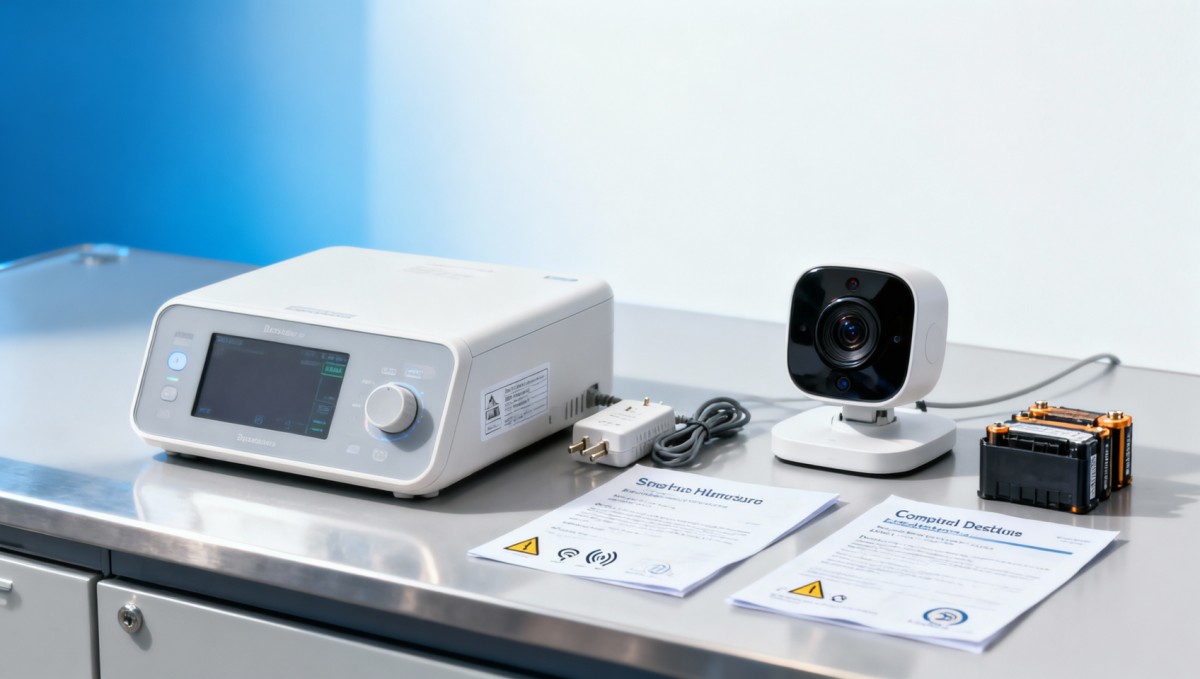
The standards that matter most depend on the monitor’s design, destination market, and feature set. A basic audio nursery monitor has a different compliance profile from a Wi-Fi video monitor with an app, rechargeable battery, night light, temperature sensor, and cloud connectivity. However, most approval pathways are built around the following compliance categories.
1. Electrical safety
Electrical safety is one of the first approval gates. Nursery monitors are often used near infants, operate for long periods, and may include mains-powered parent units, charging docks, or adapters. Buyers should verify the relevant electrical safety standards for the destination market, such as CE-related low-voltage requirements in Europe or UL/ETL pathways in the United States. In practical sourcing terms, approval often depends on the complete power architecture, including adapters, cables, charging systems, and overheating protection—not just the monitor unit itself.
2. EMC and radio compliance
If a nursery monitor transmits audio or video, it typically falls under electromagnetic compatibility and wireless/radio rules. For the EU, this often means RED-related assessment; for the US, FCC compliance is central. Products using Wi-Fi, Bluetooth, DECT, or other wireless modules must be checked at the finished-product level, because integration choices can affect emissions, antenna performance, and compliance status. A pre-certified module does not automatically eliminate final product responsibilities.
3. Battery and power system safety
Rechargeable nursery monitors raise additional approval issues. Lithium-ion or lithium-polymer batteries trigger transport, test, and safety obligations, including UN38.3 for shipping. Battery enclosure design, temperature control, charging cutoff, and abuse resistance are all relevant. A product may pass general electrical review but still face shipment or retail acceptance problems if battery documentation is incomplete.
4. Chemical and material restrictions
Nursery monitors are not usually mouthed like feeding products, but they still sit in infant environments and must comply with restricted substance rules. REACH, RoHS, and Proposition 65 concerns may apply depending on the market. If the product includes soft-touch materials, straps, coatings, packaging inks, or accessories mounted near a crib, buyers should verify whether additional screening is needed for phthalates, heavy metals, flame retardants, or SVHC exposure risk.
5. Child product and nursery-use considerations
A nursery monitor may not always be classified the same way as a toy or juvenile care article, but regulators and retailers still treat infant-adjacent products with elevated scrutiny. Warnings about cord hazards, placement distance, small parts, overheating, mounting accessories, and safe installation can directly affect approval. Claims such as “breathing monitor,” “sleep safety,” or “medical-grade” can also trigger a more demanding regulatory review.
6. Labeling, traceability, and documentation
Many approval failures happen because the paperwork is weak, not because the hardware is unsafe. Market-ready products typically need correct product labels, importer details, batch or trace codes, age or use warnings, user instructions, declarations of conformity, and test records that match the final SKU. If the packaging, manual, and unit markings are inconsistent, approval risk increases quickly.
Why approval problems often happen even when a supplier says the product is “certified”
This is a common sourcing trap. Suppliers may present a CE mark, test report, or FCC document, but those records may apply only to an older version, a partial configuration, or a similar model rather than the actual unit being purchased. For nursery monitors, relatively small changes can alter compliance status, including:
- switching the wireless module or antenna
- changing the battery cell supplier
- using a different power adapter
- adding a night light, lullaby speaker, or sensor feature
- revising housing materials, coatings, or packaging
- rebranding under private label without updating documentation
From a buyer’s perspective, “approved” should never mean “a factory sent a certificate.” It should mean the final product sold under your brand, in your target market, with your packaging and claims, is supported by valid and current compliance evidence. This distinction is critical for OEM and private-label sourcing.
What do procurement and compliance teams need to check before approving a nursery monitor supplier?
The most effective approach is to review nursery monitor approval as a cross-functional sourcing checkpoint rather than a last-stage compliance task. Before placing volume orders, teams should confirm the following:
Market fit
Identify the exact sales markets first. EU, UK, US, Canada, Australia, and Middle East requirements may differ in certification pathways, labeling, plug requirements, language obligations, and accepted testing frameworks. A monitor suitable for one market may need redesign or relabeling for another.
Product classification
Clarify what the product is and is not. Is it just a monitor, or does marketing position it as a safety device, health monitor, or smart infant care system? Product claims influence regulatory exposure. Overstated claims create legal and approval risk.
Bill of materials control
Approval depends on component consistency. Buyers should confirm that critical parts—wireless modules, adapters, batteries, plastics, chargers, sensors—are locked and traceable. If the supplier reserves the right to substitute components, approval can become unstable.
Test validity
Request recent reports from recognized laboratories and verify that model numbers, photos, standards, applicant names, and key technical parameters match the actual product. Test reports should reflect the final commercial configuration, not a development sample from a prior year.
Factory quality controls
Even strong certification files are not enough if production consistency is poor. For nursery monitors, quality teams should assess incoming material checks, battery handling controls, firmware version management, burn-in testing, packaging verification, and final inspection protocols.
Retailer or platform-specific requirements
Large retailers and e-commerce platforms often apply their own product compliance filters. Amazon, major EU retail chains, and specialty baby product distributors may request additional declarations, labeling formats, or testing evidence beyond baseline legal requirements. Commercial approval should account for these downstream gatekeepers early.
How product features change the safety standard pathway
Many teams underestimate how quickly the approval burden increases when features are added. A simple audio monitor has one compliance profile; a connected smart nursery monitor can have several layers of risk review.
Video and camera functions
Video capability can increase EMC and radio complexity, especially when paired with mobile apps or wireless transmission over multiple modes. It may also trigger stronger user expectations around reliability and privacy.
Wi-Fi and app connectivity
When a nursery monitor connects to home networks or cloud services, cybersecurity and data privacy become commercial approval issues, even if not always part of traditional product safety testing. For B2B buyers, this matters because retailers and end users increasingly evaluate connected baby products on trust and data security, not only hardware safety.
Movement, breathing, or health-related claims
If a product claims to monitor breathing, wellness, or vital indicators, the approval route may change significantly. In some jurisdictions, such claims can push the product closer to medical device scrutiny or create advertising and liability exposure. Buyers should avoid these claims unless the regulatory pathway is fully understood and documented.
Mounting accessories and cords
Wall mounts, crib attachments, long cables, and sensor pads can create entanglement, fall, and misuse hazards. These accessories often become the weak point in approval review because they introduce physical safety concerns beyond electronics.
What risks matter most to business decision-makers?
For enterprise buyers and brand owners, nursery monitor approval is not just a technical issue. It directly affects margin, launch timing, channel access, and brand protection. The most important business risks include:
- Launch delay: incomplete compliance files can miss seasonal buying windows
- Border or customs disruption: missing declarations or battery transport documents can hold shipments
- Retail rejection: key accounts may refuse onboarding if documentation is weak
- Recall exposure: infant-adjacent products attract high scrutiny if incidents occur
- Liability escalation: unsupported safety or health claims increase legal risk
- Rework cost: redesigning adapters, labels, manuals, or packaging after production is expensive
From a financial approval standpoint, the cheapest ex-factory quotation is rarely the lowest-risk sourcing option. A supplier with better compliance maturity, stronger traceability, and cleaner test records may protect the project’s total landed value more effectively than a lower-cost but poorly documented alternative.
How to build a practical approval checklist for nursery monitor sourcing
A useful approval checklist should help teams make a go/no-go decision quickly and consistently. It should cover these six areas:
- Target market mapping: define countries, channels, and retailer requirements
- Product scope confirmation: lock features, claims, accessories, and power configuration
- Compliance document review: verify test reports, declarations, certificates, and labeling files
- Component consistency check: confirm adapter, battery, module, and material control
- Factory process review: assess QC, change management, and traceability systems
- Pre-shipment readiness: confirm carton marks, manuals, warnings, and transport records
For organizations managing multiple baby and maternity SKUs, this checklist approach creates stronger comparability across suppliers and reduces dependence on vague compliance claims during negotiations.
What buyers should ask suppliers before signing a nursery monitor program
To reduce approval risk, buyers should ask direct, evidence-based questions:
- Which exact markets was this monitor tested for?
- Do the reports match the current hardware, firmware, adapter, battery, and packaging?
- Which wireless module is used, and has any substitution occurred?
- Are all warnings, manuals, and labels available in target-market formats?
- What component changes require retesting or document updates?
- Can the supplier provide a complete technical file or compliance pack for brand review?
- Has this model already been accepted by major retailers or marketplaces?
- What infant-use hazard controls are built into design and instructions?
The quality of these answers often reveals more than the certificates themselves. A mature supplier can explain the approval logic clearly, while a weak supplier usually responds with generic statements and incomplete documents.
Conclusion: nursery monitor approval depends on system-level compliance, not one certificate
Product safety standards that affect nursery monitor approval extend far beyond a single test report. For most international sourcing projects, the real approval framework includes electrical safety, EMC and radio compliance, battery safety, chemical restrictions, labeling, traceability, product claims, and retail-channel expectations. The more connected or feature-rich the product becomes, the more important it is to validate the entire compliance chain.
For buyers, sourcing teams, quality managers, and commercial stakeholders, the best decision is usually the one supported by verified documentation, controlled components, realistic claims, and a supplier that can maintain consistency at scale. In nursery monitor programs, approval is not just about passing a technical hurdle—it is about protecting market access, reducing downstream risk, and building a safer, more reliable baby product offering for global retail.
Related Intelligence
 Skincare OEMAug 16, 2026Amazon Enforces AI Human Metadata Rule for Beauty and Personal Care SellersAmazon now enforces AI human metadata rules for beauty sellers. Learn how to protect listings, traffic, and compliance in skincare, cosmetics, and beauty devices.
 Beauty DevicesAug 15, 2026China to Roll Out Nationwide Cross-Border Cash Pooling for MultinationalsChina to roll out nationwide cross-border cash pooling for multinationals from Sept. 14. Discover how this policy could improve treasury efficiency, liquidity management, and China-linked supply chains.
 Beauty DevicesAug 14, 2026China Imposes Temporary Export Ban on Helium, Affecting Cooling Supply ChainsChina's temporary helium export ban may disrupt cooling supply chains for beauty RF devices and laser systems. Learn what ODMs, buyers, and procurement teams should check now.
![]() Cosmetics & PkgAug 13, 2026PPWR becomes mandatory: Beauty and personal care packaging materials usher in new EPR and PFAS compliance requirementsPPWR takes effect for cosmetics packaging in the EU, bringing EPR registration and PFAS limits. Learn what brands, importers, and suppliers must do now.
Cosmetics & PkgAug 13, 2026PPWR becomes mandatory: Beauty and personal care packaging materials usher in new EPR and PFAS compliance requirementsPPWR takes effect for cosmetics packaging in the EU, bringing EPR registration and PFAS limits. Learn what brands, importers, and suppliers must do now. Cosmetics & PkgAug 12, 2026EU PPWR Now Enforced for Beauty Packaging ComplianceEU PPWR now enforced for beauty packaging compliance: learn how EPR, ERN, heavy metals and PFAS rules affect EU exports, customs clearance and platform sales.
 Cosmetics & PkgAug 11, 2026EU PPWR Rules Take Effect on Aug. 12 for Beauty PackagingEU PPWR rules for beauty packaging take effect on Aug. 12, 2026. Learn key compliance steps, EPR, labeling, PFAS limits, and how to avoid customs delays and fines.
 Smart Pet DevicesAug 10, 2026EU EPR Rules to Cover Smart Pet Devices on Aug. 15EU EPR Rules will cover smart pet devices from Aug. 15, 2026. Learn how smart collars, feeders, and monitoring devices can avoid delisting, customs delays, and compliance risks in the EU.
 Infant Feeding & CareAug 09, 2026CPSC Recalls Baby Sleep Sacks Over Undeclared TDCPPCPSC Recalls Baby Sleep Sacks Over Undeclared TDCPP: learn how this 2026 recall impacts CPC documents, third-party testing, and U.S. baby product compliance for exporters.
 Infant Feeding & CareAug 08, 2026ECHA Adds 5 SVHCs, Importer Notices Due From Oct 2026ECHA adds 5 SVHCs to the Candidate List, with importer notices due from October 2026. Learn how REACH affects exporters, supply chains, and documentation readiness.
 Baby Gear & StrollersAug 07, 2026CPSC Revises Crib Rail Standard for November 2026CPSC revises crib rail standard for November 2026, adding dynamic impact tests and mandatory third-party lab testing. Learn how the new rule affects U.S. market access, compliance, and shipments.
 Electronic & RC ToysAug 06, 2026EU to Require EN IEC 62115:2025 for Electronic ToysEU to Require EN IEC 62115:2025 for Electronic Toys from Oct 1, 2026. Learn scope, battery and AI safety updates, CE compliance risks, and how exporters can avoid customs delays.
 Baby Gear & StrollersAug 05, 2026US Stroller Stability Rule Takes Effect Aug. 15US Stroller Stability Rule Takes Effect Aug. 15: learn how new U.S. stroller compliance, ASTM F833-26a, and CPSC testing rules may affect imports, certification, and shipment readiness.
 Infant Feeding & CareAug 04, 2026ECHA Adds 5 SVHCs, Triggering Baby Care Export ReviewECHA adds 5 SVHCs, prompting an urgent baby care export review for EU-bound products. Learn the 0.1% threshold risks, compliance steps, and how to avoid customs delays and fines.












