Nursing Bras Private Label: Fabric Choices That Improve Comfort and Fit
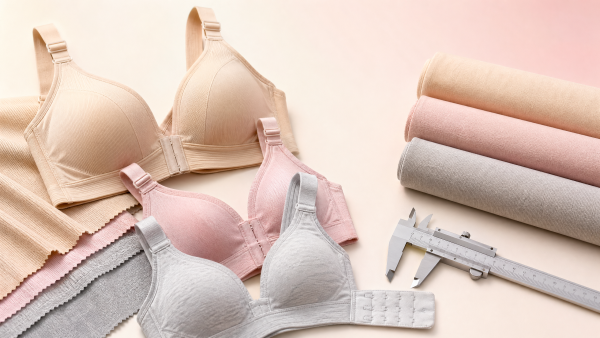
For technical evaluators comparing nursing bras private label programs, fabric selection is more than a comfort feature—it directly affects fit retention, breathability, stretch recovery, skin safety, and long-term product performance. This guide examines how material choices influence wearability, compliance, and manufacturing consistency, helping sourcing teams make smarter decisions for private-label maternity collections.
Why a checklist-first approach matters for nursing bras private label evaluation
In sourcing, technical teams rarely reject a nursing bra because a fabric description sounds weak on paper. Rejections usually happen later, after wash testing, wearer feedback, trim interaction, or production inconsistency exposes a mismatch between material claims and actual use. That is why a checklist-first method is more efficient than a trend-led discussion. It helps evaluators verify measurable points in the first 2 to 4 review stages instead of relying on broad comfort language.
For nursing bras private label development, fabric affects at least five commercial outcomes: size stability, latch access performance, moisture handling, skin feel, and repeat-order consistency. In practical sourcing terms, one poor fabric decision can increase sample rounds from 2 to 3 up to 5 to 7, delay launch windows by 3 to 6 weeks, and create fit complaints across multiple size grades. Technical buyers need a framework that surfaces these risks early.
This is especially relevant for GCS audiences evaluating OEM and ODM partners across Baby & Maternity categories. Suppliers may present similar silhouettes, but fiber composition, knit structure, GSM range, finishing method, and recovery standards vary widely. A nursing bras private label program should therefore be reviewed as a material-engineering and compliance exercise, not only as a fashion sourcing decision.
First-pass review: what to confirm before requesting bulk quotations
- Confirm target wearer use case: daytime lounge, sleep, light support, pumping compatibility, or all-day structured wear. These uses require different stretch and handfeel profiles.
- Ask for fiber breakdown and knit type together, not composition alone. A 92/8 cotton-spandex jersey behaves very differently from a rib knit in the same ratio.
- Check expected wash cycle durability, ideally across 20 to 30 home laundering cycles for baseline retail quality review.
- Review whether skin-contact areas, sling panels, and elastic zones use the same fabric or zoned materials. Comfort and support often need separate solutions.
- Verify if the supplier can maintain fabric lot consistency within acceptable color, stretch, and GSM tolerances across repeat orders.
A checklist also improves communication between merchandisers, quality teams, and compliance reviewers. Instead of asking whether a bra feels “soft enough,” teams can define whether the fabric meets a recovery threshold, pilling grade expectation, or shrinkage range. That reduces ambiguity and supports cleaner vendor comparison across 3 to 6 shortlisted factories.
Core fabric checklist: the materials that most often determine comfort and fit
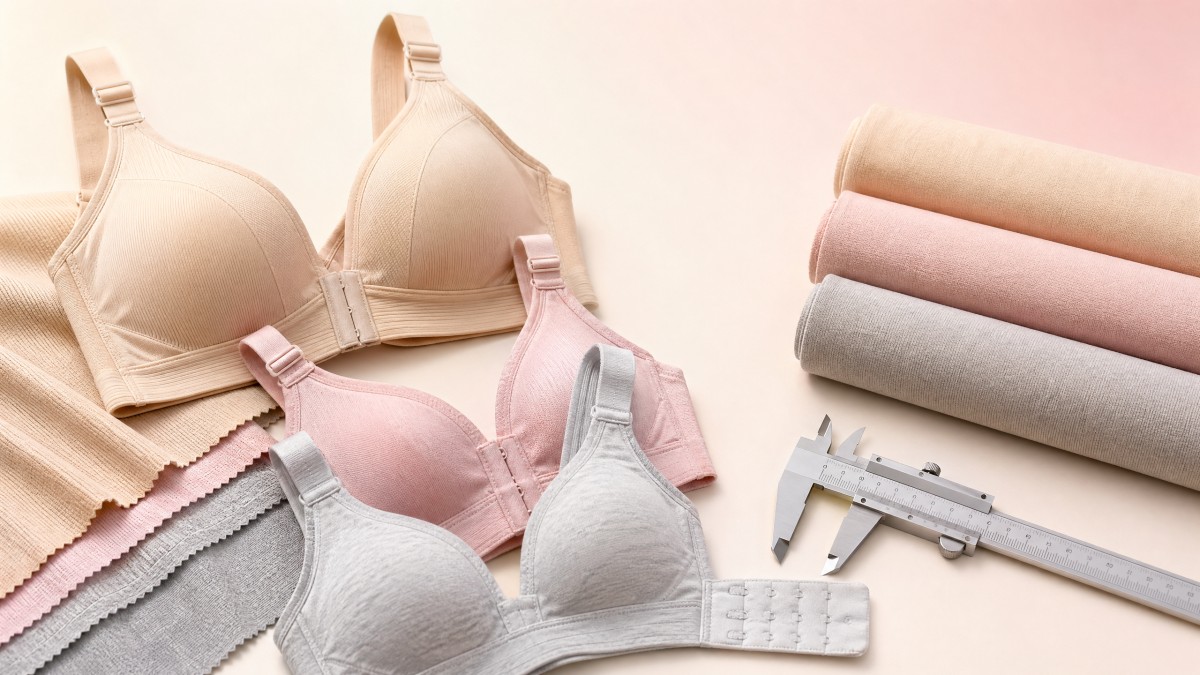
The most useful starting point in nursing bras private label sourcing is not brand positioning but material behavior. Below is a practical comparison table that technical evaluators can use during sample review. It focuses on common fabric families used in maternity intimates and the sourcing implications behind each one.
The key insight is that there is no single best fabric for all nursing bras private label programs. Cotton-rich materials often win in perceived softness, while nylon-spandex structures usually perform better in rebound and shape memory. Rib knits can improve fit flexibility across 2 to 3 adjacent size movements, but only if GSM and recovery are balanced correctly. The right choice depends on support level, climate positioning, and target retail tier.
What to inspect in the fabric spec sheet
Technical evaluators should request more than composition percentages. A useful fabric data sheet for nursing bras private label sourcing should include GSM, knit construction, stretch direction, recovery expectation, finishing process, and care guidance. Without these fields, it is difficult to compare supplier A and supplier B on equal terms.
Priority checks for sample approval
- GSM range: many comfort-driven maternity bra fabrics fall roughly between 180 and 280 GSM, though support-focused designs may go higher with layered construction.
- Stretch direction: confirm whether elasticity is stronger in width, length, or both; this affects cup adaptation and underband stability.
- Recovery level: ask whether the supplier measures immediate and delayed recovery after repeated extension cycles.
- Surface stability: check pilling resistance, snag tendency, and seam grinning under moderate strain.
- Skin-contact finish: evaluate whether the finish remains comfortable after laundering, not just in first-touch showroom condition.
In many cases, the most cost-effective route is not the cheapest fabric per kilogram, but the material that reduces remake risk and stabilizes fit consistency. Even a 5% to 10% increase in fabric cost can be justified if it lowers returns, compresses approval timelines, and improves repeat order confidence.
Fit retention checklist: how material choice affects wear, washing, and repeatability
Comfort sells the first purchase, but fit retention supports repeat purchase. For nursing bras private label programs, the technical concern is not just stretch, but controlled stretch with recovery after repeated opening, body movement, and washing. A fabric that feels soft in a development sample may fail after 10 to 15 wear cycles if the knit relaxes too quickly.
This issue becomes more important in maternity categories because body measurements can fluctuate during pregnancy and postpartum. Fabrics must accommodate temporary volume change while still returning to a usable shape. Technical teams should therefore assess not only static fit, but dynamic fit under opening clips, sling pull-down, and underband extension.
The table below can be used as a practical judgment tool when comparing sample sets from multiple suppliers. It links wear-performance concerns with likely fabric-related causes and review actions.
When reading these issues, technical teams should remember that fit retention is rarely caused by fabric alone. It often results from the interaction of fabric, elastic, seam construction, and hardware placement. Still, fabric remains the foundational variable because it determines how well all secondary components can perform over a 6- to 12-month retail usage window.
Minimum evaluation routine before bulk approval
- Test fabric and finished bra after at least 3 home wash cycles to screen early shrinkage and handfeel shift.
- Review fit on more than one body form or wearer profile, especially if the size range spans 4 or more sizes.
- Open and close nursing clips repeatedly to observe cup edge memory and strap anchoring response.
- Measure underband extension and rebound before and after laundering.
- Check seam pressure and internal sling comfort under at least 30 to 60 minutes of actual wear testing where possible.
These steps are simple, but they catch many issues before scale-up. In a nursing bras private label program, preventing one bulk fit failure usually saves more time and cost than renegotiating a low initial unit price.
Skin safety, compliance, and manufacturing consistency: what should not be overlooked
Because nursing bras sit close to sensitive skin for long hours, material review must include safety and consistency checkpoints. Technical evaluators should pay attention to chemical management, dye stability, odor, finishing residue, and trim compatibility. In the Baby & Maternity category, customer tolerance for irritation issues is low, and reputational damage can spread quickly through reviews.
For nursing bras private label sourcing, a common mistake is focusing only on the main shell fabric while overlooking cup lining, sling fabric, elastics, foam components, and clip materials. If one of these secondary components causes chafing, discoloration, or odor after washing, the whole product fails the user experience test. A reliable supplier should be able to explain how all skin-contact components are managed through incoming quality control and production handling.
Consistency also matters at scale. A fabric that performs well in lab dips and pilot runs may vary in handfeel or stretch across later dye lots. In repeat-order environments, technical teams should define acceptable tolerances for GSM, shade, and stretch behavior before production booking, especially if monthly or quarterly replenishment is planned.
Risk reminders for technical teams
- Do not approve a fabric based only on lab dip appearance. Washing, perspiration exposure, and stretch stress can change feel and color response.
- Do not assume a soft finish equals long-term comfort. Some finishes fade quickly after 2 to 3 wash cycles.
- Do not separate compliance review from material review. Fiber blend, dye class, print method, and finishing chemistry are all relevant.
- Do not ignore hardware interaction. Nursing clips, rings, sliders, and elastic edges can create abrasion if the surrounding fabric is too thin or unstable.
Questions to ask suppliers early
Ask whether the supplier can provide standard material test references, explain lot control procedures, and support third-party testing if required by your retail channel. Also ask how they handle MOQ differences between base fabric and custom-dyed fabric, because this can affect color program planning and replenishment speed. In many cases, lead times for custom fabric development range from 2 to 5 weeks before bulk production even starts.
When evaluating nursing bras private label partners, technical strength often shows in how clearly they discuss preventive controls. Factories that can explain knit sourcing, finishing adjustments, pre-production sample verification, and in-line quality checkpoints usually present lower operational risk than factories that only emphasize low price or broad style capability.
Practical sourcing guide: how to choose the right fabric mix for your private-label program
The best sourcing decision usually comes from matching fabric architecture to product role. Instead of asking for one universal fabric, define the collection by use scenario. A sleep nursing bra, a seamless everyday style, and a more supportive daytime bra may need three different material strategies even within one nursing bras private label range.
A practical planning model is to divide the assortment into 2 to 4 fabric families. For example, one soft natural-feel fabric for lounge use, one higher-recovery microfiber blend for support, one rib option for adaptive sizing, and one cost-controlled core fabric for volume continuity. This simplifies sampling while giving technical teams clearer benchmarks for fit and performance.
It is also wise to align fabric choice with the target region. Warmer climates may favor lighter knits and quicker drying behavior, while cooler markets may accept slightly heavier, brushed, or denser handfeel. Regional care habits matter too. If the customer base frequently machine washes and tumble dries, recovery and dimensional stability become even more critical.
Decision checklist before placing an order
- Define the priority: softness, support, adaptability, moisture handling, or price balance.
- Confirm target GSM and knit structure based on the intended support profile.
- Approve materials only after wash, wear, and opening-cycle checks are complete.
- Review whether all skin-contact components align with your compliance expectations.
- Ask for realistic lead time, MOQ, and replenishment terms for both greige and dyed fabric routes.
- Lock tolerance expectations in the tech pack or quality agreement before bulk launch.
Why work with a sourcing intelligence partner
For technical evaluators, supplier presentations alone rarely provide enough depth. Global Consumer Sourcing helps buyers and brand teams review nursing bras private label opportunities through a more structured lens: material suitability, manufacturing readiness, compliance awareness, category positioning, and vendor comparability. This is especially useful when teams need to screen multiple factories across different regions and capability levels.
If you are narrowing down fabric options, validating a new maternity collection, or comparing OEM versus ODM pathways, we can help you organize the right questions before expensive development loops begin. Our focus is practical decision support for sourcing teams that need clarity on product selection, technical risk, and supply chain readiness.
Contact us to evaluate nursing bras private label options with greater confidence
If you need support reviewing nursing bras private label programs, contact us with your target fabric direction, expected size range, support level, and retail positioning. We can help you compare material options, clarify technical checkpoints, and identify which supplier discussions should happen before sampling moves too far.
You can also reach out for guidance on parameter confirmation, product selection, sample planning, lead-time expectations, certification considerations, MOQ alignment, and quotation discussions. For sourcing teams managing Baby & Maternity launches, these early clarifications often reduce delays and improve decision quality across the full development cycle.
Why choose us: we combine category-focused sourcing intelligence with practical evaluation frameworks that help technical teams move from broad supplier claims to actionable product decisions. Whether you are refining a first nursing bra collection or optimizing an existing private-label line, we can support a more disciplined and efficient review process.
Related Intelligence
 STEM & Educational ToysOct 22, 2026Blokees Showcases Over 900 Products at the 2026 China International Toy FairBlokees showcases over 900 products at the 2026 China International Toy Fair. Explore Model Kits, BLOKEES WHEELS and key sourcing checks to guide your next purchase.
 Cosmetics & PkgOct 21, 2026BASF Plans Beauty Innovation Showcase at in-cosmetics Asia 2026Explore BASF’s planned beauty innovations at in-cosmetics Asia 2026 in Bangkok, with a focus on skin protection, repair and sustainable solutions for personal care formulators.
 Cosmetics & PkgOct 20, 2026Beauty Tops Amazon’s 2026 Prime Big Deal Days Shopping CategoriesBeauty tops Amazon’s 2026 Prime Big Deal Days at 32% of shoppers, according to Market Defense. Explore what the findings could mean for product selection, inventory and promotional planning.
 Infant Feeding & CareOct 14, 2026What Documents Are Required to Import Baby Formula?What import documents are needed for baby formula? Explore shipment paperwork, health certificates, and market-specific requirements to avoid costly delays and prepare for compliant imports.
 Infant Feeding & CareOct 14, 2026Which Baby Formula Packaging Formats Reduce Shipping Damage?Which baby formula packaging formats reduce shipping damage? Compare metal cans, rigid tubs, and supported pouches to choose better protection and reduce costly transit losses.
 Baby Gear & StrollersOct 14, 2026How Long Does Custom Diaper Bag Production Usually Take?How long does custom diaper bag production usually take? Plan for 30–60 days after sample approval. Discover key lead-time factors and practical tips to avoid delays and launch on schedule.
 Baby Gear & StrollersOct 14, 2026Which Diaper Bag Features Justify a Higher Wholesale Price?What diaper bag features justify a higher wholesale price? Discover durability, comfort, and easy-clean upgrades worth paying for—and source smarter with practical buyer tips.
 Infant Feeding & CareOct 14, 2026How Can Retailers Prevent Baby Clothing Color Bleeding Claims?How can retailers avoid color bleeding claims on baby clothing? Discover testing, supplier controls, and care-label strategies to reduce returns and protect customer trust.
 Infant Feeding & CareOct 14, 2026Which Baby Clothing Materials Are Easier to Source Compliantly?What materials make baby clothing easier to source compliantly? Compare cotton, blends, and certified options, with practical supplier checks to reduce risk and make smarter sourcing decisions.
 Baby Gear & StrollersOct 14, 2026Are Baby Carrier Buckle Failures a Common Reason for Returns?Are baby carrier buckle failures a common return issue? Explore defects, usability complaints, and safety checks to make informed sourcing decisions before your next order.
 Baby Gear & StrollersOct 14, 2026How Do You Compare Baby Carrier Suppliers on Safety and Cost?How do I compare baby carrier suppliers on safety and cost? Learn to verify safety evidence, assess factory controls, and compare total landed costs to make a confident sourcing decision.
 STEM & Educational ToysSep 20, 2026How Do I Verify Age Grading for Educational Toys?How do I verify educational toy age grading? Learn how to assess safety risks, test reports, packaging, and market compliance before buying or selling.
 Corporate & Seasonal GiftsSep 20, 2026Are Promotional Items Worth Ordering for Short Campaigns?Are promotional items worth ordering for short campaigns? Learn how pet brands can choose useful, compliant giveaways that drive measurable engagement, sales, and loyalty.