
How to Choose the Right Trekking Poles for Different Terrains
Understanding Trekking Pole Fundamentals
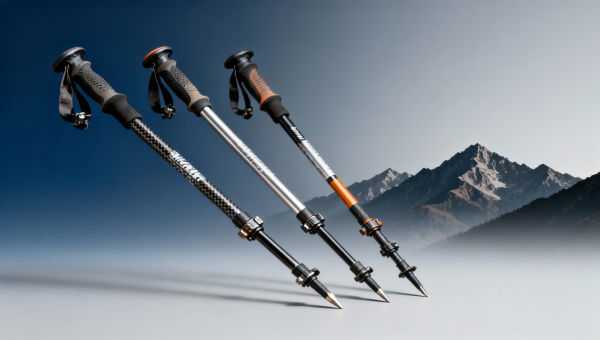
Trekking poles are no longer optional accessories but critical safety tools for modern hikers. According to a 2023 Outdoor Industry Association report, 68% of serious trail injuries involve instability on uneven terrain – a risk mitigated by proper pole usage. For procurement teams evaluating bulk orders from trekking poles manufacturers, understanding core components is essential:
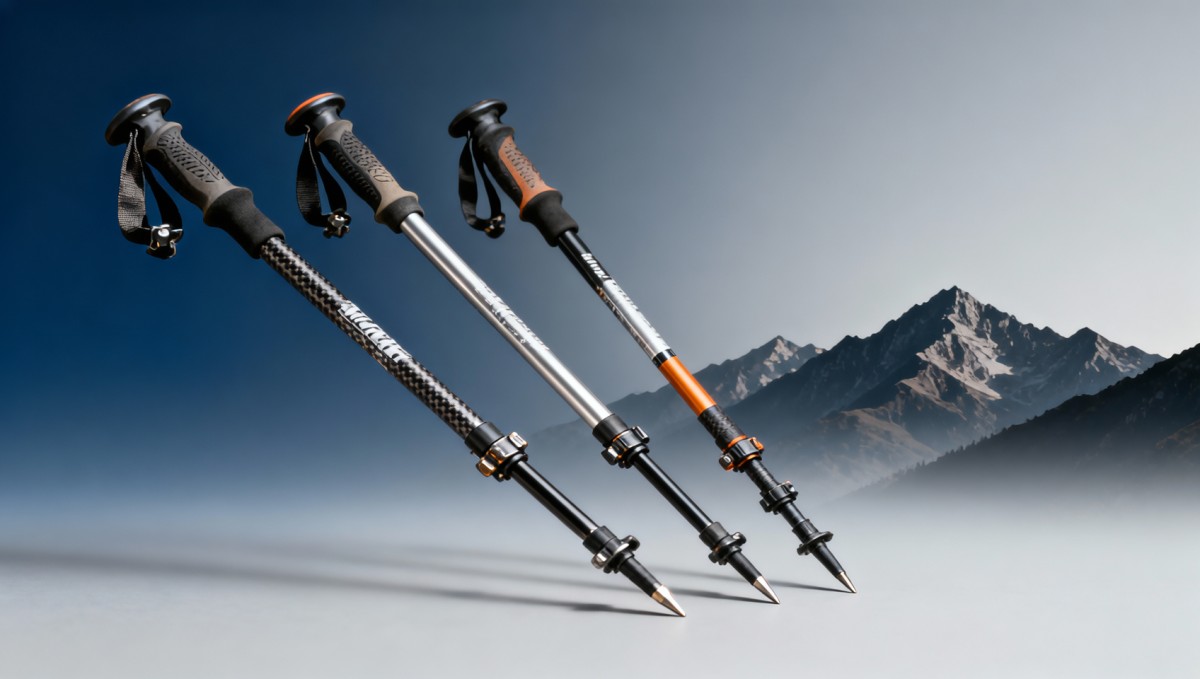
Technical evaluators should note that premium trekking poles for mountaineering often feature 100% carbon fiber shafts with military-grade flip-locks, while budget hiking models typically use aluminum alloy with twist-lock systems. The weight difference between these configurations can reach 150-200g per pole – critical for long-distance trekkers.
Load Capacity Considerations
When sourcing poles for commercial outfitters or rental operations, verify the manufacturer's stated load capacity through independent testing. Reputable trekking poles manufacturers provide:
- Static load ratings (typically 250-400lbs)
- Dynamic impact test results (EN 13089 certification)
- Cycle testing data (minimum 15,000 extensions)
Terrain-Specific Pole Selection
The global outdoor equipment market will reach $26.4 billion by 2027 (Grand View Research), with terrain-specific gear driving growth. Below is a breakdown of optimal pole configurations for different environments:
Desert Trekking Considerations
For procurement directors supplying Saharan expeditions, specialized poles require:
- Sand baskets (120-150mm diameter)
- UV-resistant EVA foam grips
- Anodized aluminum shafts (resist abrasive damage)
Commercial Sourcing Strategies
Bulk buyers from outdoor retailers and rental companies should evaluate trekking poles manufacturers against these commercial criteria:
Certification Compliance
Ensure manufacturers meet international standards:
- CE EN 13089 (European safety standard)
- ISO 9001:2015 (quality management)
- REACH compliance (chemical safety)
Supply Chain Transparency
Top manufacturers provide:
- Material traceability documents
- Factory audit reports (SMETA/SEDEX)
- Carbon footprint calculations
Maintenance & Lifecycle Management
For equipment managers maintaining fleet poles, implement this maintenance schedule:
Routine Checks
- Weekly: Locking mechanism lubrication (silicone-based)
- Monthly: Tip wear inspection (replace at ≤3mm remaining)
- Annually: Load testing (85% of rated capacity)
Replacement Indicators
Budget for replacements when observing:
- Carbon fiber delamination (visible white fibers)
- Lock slippage >5cm under 150lbs load
- Grip erosion exposing >30% of core material
Strategic Purchasing Conclusion
Selecting the right trekking poles requires balancing technical specifications with commercial realities. For procurement teams, we recommend:
- Requesting sample batches (5-10 units) for field testing
- Negotiating MOQs based on seasonal demand (typically 500-2,000 units)
- Securing 24-month warranty terms for commercial use
Connect with vetted trekking poles manufacturers through our global sourcing network to access technical specifications sheets, compliance documentation, and OEM customization options. Our platform verifies all suppliers against 27 quality parameters before listing.
Related Intelligence
 Skincare OEMAug 16, 2026Amazon Enforces AI Human Metadata Rule for Beauty and Personal Care SellersAmazon now enforces AI human metadata rules for beauty sellers. Learn how to protect listings, traffic, and compliance in skincare, cosmetics, and beauty devices.
 Beauty DevicesAug 15, 2026China to Roll Out Nationwide Cross-Border Cash Pooling for MultinationalsChina to roll out nationwide cross-border cash pooling for multinationals from Sept. 14. Discover how this policy could improve treasury efficiency, liquidity management, and China-linked supply chains.
 Beauty DevicesAug 14, 2026China Imposes Temporary Export Ban on Helium, Affecting Cooling Supply ChainsChina's temporary helium export ban may disrupt cooling supply chains for beauty RF devices and laser systems. Learn what ODMs, buyers, and procurement teams should check now.
![]() Cosmetics & PkgAug 13, 2026PPWR becomes mandatory: Beauty and personal care packaging materials usher in new EPR and PFAS compliance requirementsPPWR takes effect for cosmetics packaging in the EU, bringing EPR registration and PFAS limits. Learn what brands, importers, and suppliers must do now.
Cosmetics & PkgAug 13, 2026PPWR becomes mandatory: Beauty and personal care packaging materials usher in new EPR and PFAS compliance requirementsPPWR takes effect for cosmetics packaging in the EU, bringing EPR registration and PFAS limits. Learn what brands, importers, and suppliers must do now. Cosmetics & PkgAug 12, 2026EU PPWR Now Enforced for Beauty Packaging ComplianceEU PPWR now enforced for beauty packaging compliance: learn how EPR, ERN, heavy metals and PFAS rules affect EU exports, customs clearance and platform sales.
 Cosmetics & PkgAug 11, 2026EU PPWR Rules Take Effect on Aug. 12 for Beauty PackagingEU PPWR rules for beauty packaging take effect on Aug. 12, 2026. Learn key compliance steps, EPR, labeling, PFAS limits, and how to avoid customs delays and fines.
 Smart Pet DevicesAug 10, 2026EU EPR Rules to Cover Smart Pet Devices on Aug. 15EU EPR Rules will cover smart pet devices from Aug. 15, 2026. Learn how smart collars, feeders, and monitoring devices can avoid delisting, customs delays, and compliance risks in the EU.
 Infant Feeding & CareAug 09, 2026CPSC Recalls Baby Sleep Sacks Over Undeclared TDCPPCPSC Recalls Baby Sleep Sacks Over Undeclared TDCPP: learn how this 2026 recall impacts CPC documents, third-party testing, and U.S. baby product compliance for exporters.
 Infant Feeding & CareAug 08, 2026ECHA Adds 5 SVHCs, Importer Notices Due From Oct 2026ECHA adds 5 SVHCs to the Candidate List, with importer notices due from October 2026. Learn how REACH affects exporters, supply chains, and documentation readiness.
 Baby Gear & StrollersAug 07, 2026CPSC Revises Crib Rail Standard for November 2026CPSC revises crib rail standard for November 2026, adding dynamic impact tests and mandatory third-party lab testing. Learn how the new rule affects U.S. market access, compliance, and shipments.
 Electronic & RC ToysAug 06, 2026EU to Require EN IEC 62115:2025 for Electronic ToysEU to Require EN IEC 62115:2025 for Electronic Toys from Oct 1, 2026. Learn scope, battery and AI safety updates, CE compliance risks, and how exporters can avoid customs delays.
 Baby Gear & StrollersAug 05, 2026US Stroller Stability Rule Takes Effect Aug. 15US Stroller Stability Rule Takes Effect Aug. 15: learn how new U.S. stroller compliance, ASTM F833-26a, and CPSC testing rules may affect imports, certification, and shipment readiness.
 Infant Feeding & CareAug 04, 2026ECHA Adds 5 SVHCs, Triggering Baby Care Export ReviewECHA adds 5 SVHCs, prompting an urgent baby care export review for EU-bound products. Learn the 0.1% threshold risks, compliance steps, and how to avoid customs delays and fines.












