
US CPSC Tightens Aluminum Migration Limit for Camping Cookware
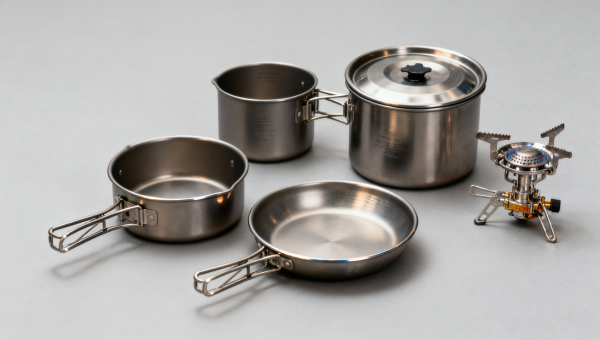
On May 11, 2026, the U.S. Consumer Product Safety Commission (CPSC) initiated an emergency rulemaking process to significantly lower the aluminum migration limit for camping cookware — including aluminum and titanium-alloy pots, pans, and portable stove accessories — from 2.0 mg/kg to 0.5 mg/kg. The move triggers immediate compliance obligations for Chinese exporters, requiring submission of a full compliance plan within 72 hours of the notice’s publication. With over 280 OEM/ODM suppliers in the ‘Camping & Water’ category affected, the regulation poses material operational, logistical, and reputational risks across the export supply chain.
Event Overview
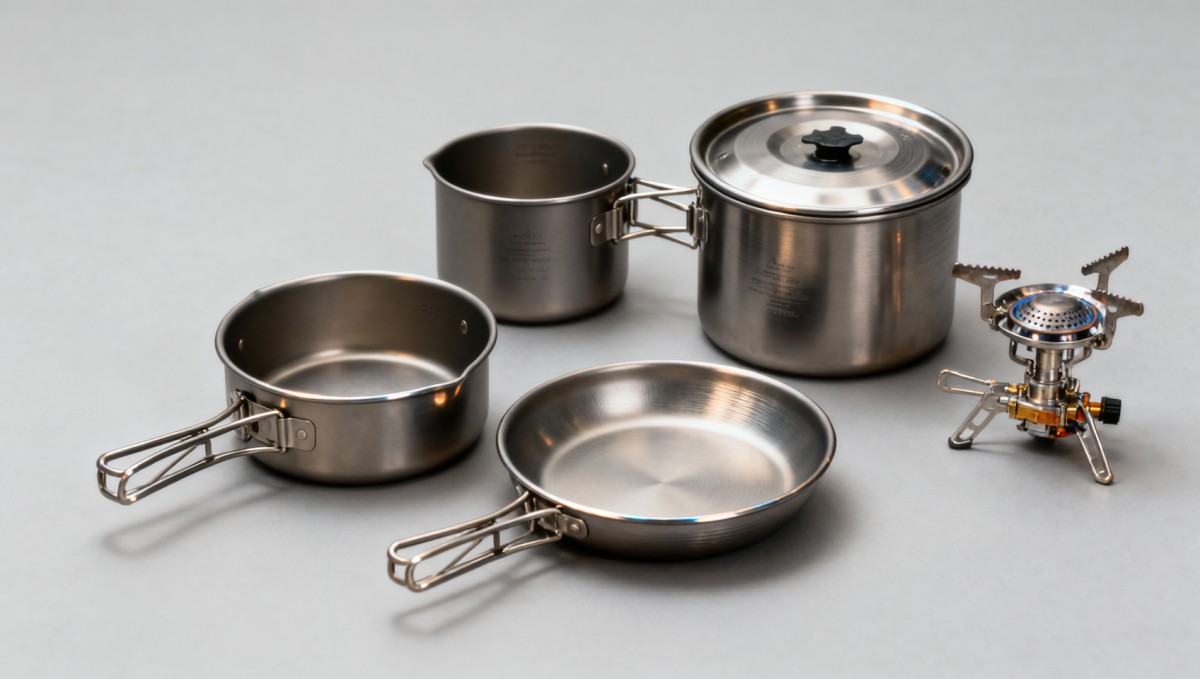
The U.S. Consumer Product Safety Commission (CPSC) launched an emergency review on May 11, 2026, proposing to reduce the allowable aluminum migration limit for camping cookware from 2.0 mg/kg to 0.5 mg/kg. Affected products include aluminum- and titanium-alloy cookware (e.g., folding pots, lightweight skillets) and associated portable stove components. Exporters must submit validated material leaching test reports and process stability declarations prior to the rule’s effective date. Non-compliant shipments risk detention at U.S. ports or mandatory recall.
Industries Directly Impacted
Direct trading enterprises: U.S.-bound export traders face urgent documentation deadlines and increased pre-shipment verification burdens. Since many operate under consignment or drop-ship models with limited in-house lab capacity, the 72-hour submission window compresses decision-making cycles and heightens reliance on third-party conformity assessment bodies.
Raw material procurement firms: Suppliers sourcing base alloys, coatings, or anodizing agents must now verify traceability and batch-level migration performance — not just compositional compliance. Aluminum ingot suppliers, for instance, may need to requalify heat lots against stricter leaching protocols, potentially disrupting inventory planning and contract terms.
Manufacturing enterprises: OEM/ODM factories producing cookware are required to reassess surface treatments (e.g., hard-anodizing thickness, sealant chemistry), thermal cycling parameters, and post-fabrication cleaning procedures. Process stability declarations imply documented control over variables like bath pH, current density, and dwell time — shifting quality assurance from end-product testing to real-time process monitoring.
Supply chain service providers: Testing laboratories, certification bodies, and customs compliance consultants report surging demand for rapid-turnaround migration assays (e.g., EN 1388-1 compliant extraction under simulated acidic food conditions). Concurrently, logistics intermediaries face new documentation checkpoints — especially for shipments declared under HTS codes 7615.10 (aluminum cookware) and 7616.99 (other aluminum articles).
Key Focus Areas and Recommended Actions
Validate migration test methodology immediately
Confirm that existing test labs use CPSC-recognized extraction conditions: 2% acetic acid, 2 h at 70°C, followed by ICP-MS quantification. Note that migration results vary significantly based on surface finish — brushed vs. polished, sealed vs. unsealed — so sample selection must reflect final production configuration.
Review and document process controls for surface treatment lines
Hard-anodized cookware accounts for >65% of affected exports. Factories should compile evidence of consistent anodizing voltage, electrolyte temperature, and sealing duration across recent production runs — not just pass/fail test reports. This supports the required ‘process stability declaration’ and reduces audit exposure.
Engage U.S. importers early on labeling and traceability upgrades
While not yet mandated, CPSC’s enforcement posture suggests forthcoming requirements for lot-specific traceability and bilingual (English–Chinese) compliance statements on packaging or user manuals. Proactive alignment with importers on data-sharing frameworks (e.g., digital batch records) mitigates future retrofitting costs.
Editorial Perspective / Industry Observation
This emergency action signals a broader regulatory pivot: CPSC is increasingly treating metal migration not as a static material property, but as a dynamic outcome of use-condition interactions — especially for outdoor gear subjected to repeated heating, abrasion, and acidic food contact. Observably, the 0.5 mg/kg threshold aligns closely with EU’s upcoming revision to Regulation (EC) No 1935/2004 for food-contact metals, suggesting coordinated transatlantic harmonization is accelerating. Analysis shows this is less about acute toxicity concerns and more about establishing enforceable, lab-verified benchmarks for high-volume consumer categories where brand liability exposure has risen sharply post-2023 recall trends.
Conclusion
The CPSC’s emergency tightening reflects growing regulatory scrutiny on indirect food-contact materials in durable outdoor products. Rather than representing an isolated compliance hurdle, it marks a structural inflection point — one where process transparency, test method standardization, and upstream material qualification become non-negotiable elements of market access. For Chinese suppliers, sustained competitiveness will depend less on cost arbitrage and more on verifiable technical stewardship across the value chain.
Source Attribution
U.S. CPSC Docket No. CPSC-2026-0047 (Emergency Rulemaking Notice, published May 11, 2026); FDA Guidance on Metal Migration Testing (Rev. 2025); ISO/IEC 17025-accredited laboratory protocols for food-contact metal leaching (EN 1388-1:2018, ASTM F2865-22). Note: Final rule text, effective date, and transition period remain pending CPSC’s evaluation of public comments; updates to be monitored through Federal Register notices and CPSC’s Regulatory Dashboard.
Related Intelligence
 Skincare OEMAug 16, 2026Amazon Enforces AI Human Metadata Rule for Beauty and Personal Care SellersAmazon now enforces AI human metadata rules for beauty sellers. Learn how to protect listings, traffic, and compliance in skincare, cosmetics, and beauty devices.
 Beauty DevicesAug 15, 2026China to Roll Out Nationwide Cross-Border Cash Pooling for MultinationalsChina to roll out nationwide cross-border cash pooling for multinationals from Sept. 14. Discover how this policy could improve treasury efficiency, liquidity management, and China-linked supply chains.
 Beauty DevicesAug 14, 2026China Imposes Temporary Export Ban on Helium, Affecting Cooling Supply ChainsChina's temporary helium export ban may disrupt cooling supply chains for beauty RF devices and laser systems. Learn what ODMs, buyers, and procurement teams should check now.
![]() Cosmetics & PkgAug 13, 2026PPWR becomes mandatory: Beauty and personal care packaging materials usher in new EPR and PFAS compliance requirementsPPWR takes effect for cosmetics packaging in the EU, bringing EPR registration and PFAS limits. Learn what brands, importers, and suppliers must do now.
Cosmetics & PkgAug 13, 2026PPWR becomes mandatory: Beauty and personal care packaging materials usher in new EPR and PFAS compliance requirementsPPWR takes effect for cosmetics packaging in the EU, bringing EPR registration and PFAS limits. Learn what brands, importers, and suppliers must do now. Cosmetics & PkgAug 12, 2026EU PPWR Now Enforced for Beauty Packaging ComplianceEU PPWR now enforced for beauty packaging compliance: learn how EPR, ERN, heavy metals and PFAS rules affect EU exports, customs clearance and platform sales.
 Cosmetics & PkgAug 11, 2026EU PPWR Rules Take Effect on Aug. 12 for Beauty PackagingEU PPWR rules for beauty packaging take effect on Aug. 12, 2026. Learn key compliance steps, EPR, labeling, PFAS limits, and how to avoid customs delays and fines.
 Smart Pet DevicesAug 10, 2026EU EPR Rules to Cover Smart Pet Devices on Aug. 15EU EPR Rules will cover smart pet devices from Aug. 15, 2026. Learn how smart collars, feeders, and monitoring devices can avoid delisting, customs delays, and compliance risks in the EU.
 Infant Feeding & CareAug 09, 2026CPSC Recalls Baby Sleep Sacks Over Undeclared TDCPPCPSC Recalls Baby Sleep Sacks Over Undeclared TDCPP: learn how this 2026 recall impacts CPC documents, third-party testing, and U.S. baby product compliance for exporters.
 Infant Feeding & CareAug 08, 2026ECHA Adds 5 SVHCs, Importer Notices Due From Oct 2026ECHA adds 5 SVHCs to the Candidate List, with importer notices due from October 2026. Learn how REACH affects exporters, supply chains, and documentation readiness.
 Baby Gear & StrollersAug 07, 2026CPSC Revises Crib Rail Standard for November 2026CPSC revises crib rail standard for November 2026, adding dynamic impact tests and mandatory third-party lab testing. Learn how the new rule affects U.S. market access, compliance, and shipments.
 Electronic & RC ToysAug 06, 2026EU to Require EN IEC 62115:2025 for Electronic ToysEU to Require EN IEC 62115:2025 for Electronic Toys from Oct 1, 2026. Learn scope, battery and AI safety updates, CE compliance risks, and how exporters can avoid customs delays.
 Baby Gear & StrollersAug 05, 2026US Stroller Stability Rule Takes Effect Aug. 15US Stroller Stability Rule Takes Effect Aug. 15: learn how new U.S. stroller compliance, ASTM F833-26a, and CPSC testing rules may affect imports, certification, and shipment readiness.
 Infant Feeding & CareAug 04, 2026ECHA Adds 5 SVHCs, Triggering Baby Care Export ReviewECHA adds 5 SVHCs, prompting an urgent baby care export review for EU-bound products. Learn the 0.1% threshold risks, compliance steps, and how to avoid customs delays and fines.












