Which Folding Chair Fabrics Last Longest Outdoors?
Which folding chair fabrics last longest outdoors? For pet-friendly patios, camping ranges, and outdoor retail collections, fabric durability affects comfort, safety, replacement rates, and long-term customer satisfaction.
The short answer is that solution-dyed acrylic and high-quality PVC-coated polyester usually deliver the longest outdoor service life, but each serves different product positions and climates.
For value-focused folding chairs, UV-stabilized polyester offers a practical balance of cost, color retention, strength, and production flexibility when specifications are properly controlled.
Buyers should not select fabric by fiber name alone. Yarn dyeing, coating chemistry, weave construction, seam design, cleaning requirements, and frame drainage often determine real outdoor performance.
Pet-oriented outdoor ranges create additional demands. Fabrics must resist muddy paws, wet fur, food stains, scratching, odor retention, and repeated cleaning without becoming unsafe or unattractive.
This guide compares the leading materials, explains where each performs best, and outlines the sourcing checks that help retail teams build durable folding chair assortments.
Start With the Best Fabric for the Intended Outdoor Use
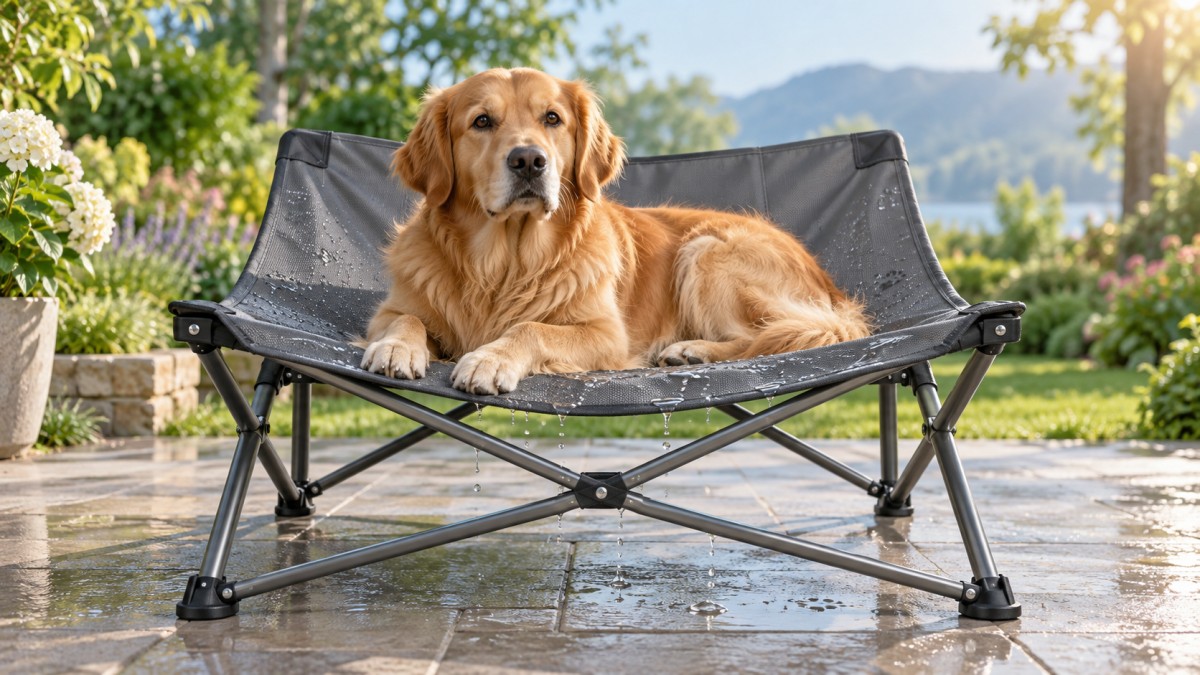
There is no single best fabric for every folding chair. The strongest choice depends on whether the chair is designed for patios, campsites, beaches, events, gardens, or pet-friendly recreation.
Solution-dyed acrylic is generally the premium answer for sun-exposed residential patios. It retains color exceptionally well, feels textile-like, and handles repeated outdoor exposure more gracefully than ordinary polyester.
PVC-coated polyester is often the toughest practical option for high-use camping, beach, fishing, and event chairs. Its protective surface resists moisture, dirt, and quick cleaning.
UV-stabilized polyester remains the workhorse material for mass-market folding chairs. It can perform reliably when weight, denier, coating quality, and ultraviolet additives match the intended selling environment.
Textilene-style mesh, usually made from PVC-coated polyester yarns, is valuable where airflow and quick drying matter. It works especially well for warm climates and wet pet-related activities.
For procurement decisions, durability should mean more than avoiding tears. A long-lasting fabric should retain tensile strength, color, shape, surface integrity, comfort, and cleanability throughout its expected use cycle.
Retail buyers should also separate intermittent outdoor use from permanent exposure. A chair brought indoors after camping weekends faces a much lower material burden than one left outside all season.
How Solution-Dyed Acrylic Performs in Sun, Rain, and Pet-Friendly Spaces
Solution-dyed acrylic is one of the most durable outdoor textiles because pigment is added before the fiber is spun. Color therefore runs through the yarn rather than sitting near the surface.
This construction gives acrylic superior fade resistance under intense sunlight. It is particularly attractive for patio collections where consumers expect coordinated colors to remain stable over several seasons.
Acrylic also feels softer and less plastic-like than coated synthetics. That can support a higher perceived value for folding lounge chairs, garden chairs, balcony furniture, and premium pet-owner households.
Its main weakness is that it is not automatically waterproof. Acrylic repels water when treated, but prolonged rain can eventually saturate the fabric unless construction and finishing provide sufficient protection.
For folding chair applications, buyers should request water-repellent finishing specifications, abrasion data, seam construction details, and documented colorfastness testing rather than relying on generic outdoor claims.
Pet owners benefit from acrylic's resistance to fading and its relatively easy stain management. However, textured weaves can collect pet hair, dust, and dried mud more readily than smooth coated fabrics.
Acrylic is best suited to premium retail programs where visual longevity matters as much as structural durability. It is less appropriate for low-cost promotional chairs or highly abrasive beach environments.
Why PVC-Coated Polyester Often Wins for Heavy-Duty Folding Chairs
PVC-coated polyester is built around a strong polyester base cloth covered by a protective polyvinyl chloride layer. This combination creates a tough, wipeable surface for demanding outdoor use.
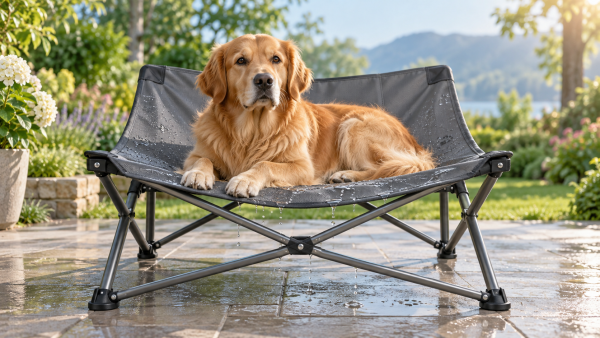
The coated surface blocks water absorption, which helps chairs dry quickly after rain, spills, wet swimsuits, or dogs returning from walks. It also limits embedded dirt and odor retention.
For pet-friendly folding chairs, this is a major commercial advantage. Mud, food residue, shed hair, and paw marks can usually be removed with mild soap and water.
The material also resists mildew better than absorbent woven textiles, provided water cannot pool inside folded seams or between fabric layers. Chair engineering remains important to actual performance.
Its tradeoff is comfort in hot weather. Solid PVC-coated surfaces can feel warmer, less breathable, and more slippery than woven acrylic or open mesh constructions during prolonged sitting.
Buyers should evaluate coating thickness carefully. An excessively thin coating may crack, expose the base cloth, or peel after folding cycles, ultraviolet exposure, and temperature changes.
Conversely, an overly heavy coating can make the chair bulky, stiff, and costly to transport. The optimal specification balances tear resistance, flexibility, foldability, and end-user comfort.
This fabric is highly suitable for camping chairs, fishing chairs, sporting-event seating, utility chairs, dog-show accessories, and easy-clean outdoor collections sold through value and mid-tier channels.
When UV-Stabilized Polyester Is the Smartest Commercial Choice
Polyester is widely used because it is strong, available, cost-efficient, and compatible with many coatings and printing methods. Yet untreated polyester is not automatically ideal for permanent outdoor exposure.
Sunlight can weaken fibers, fade colors, and make inexpensive coatings brittle. Therefore, the critical distinction is between basic polyester and polyester engineered specifically for outdoor service.
A sourcing specification should identify denier, weave density, coating type, ultraviolet stabilizer requirements, water resistance, colorfastness, tear strength, and expected folding-cycle performance.
For standard camping chairs, 600D polyester is common, but denier alone does not guarantee quality. Yarn quality, fabric weight, backing, stitching, and frame attachment determine finished-chair durability.
Higher denier can improve resistance to punctures and claw damage, but it may also increase weight and reduce packability. Product teams should prioritize the actual user scenario.
For pet retailers, polyester chairs work well when positioned as portable travel products. They can provide a durable, accessible option for camping trips, agility events, picnics, and outdoor waiting areas.
Choose darker, heathered, or patterned colorways where pet use is expected. They help conceal minor stains and hair between cleanings without making the product appear neglected.
Polyester is most compelling when buyers need broad assortment coverage, manageable minimum order quantities, custom branding, and an acceptable durability level at a competitive retail price.
Is Breathable Mesh Durable Enough for Outdoor Folding Chairs?
Breathable mesh can be highly durable outdoors when it uses PVC-coated polyester yarns or similarly engineered synthetic filaments. It should not be confused with lightweight indoor mesh fabric.
Outdoor mesh chairs allow air circulation and drain water quickly. Those features improve comfort in humid climates and reduce the damp conditions that encourage mildew and unpleasant odors.
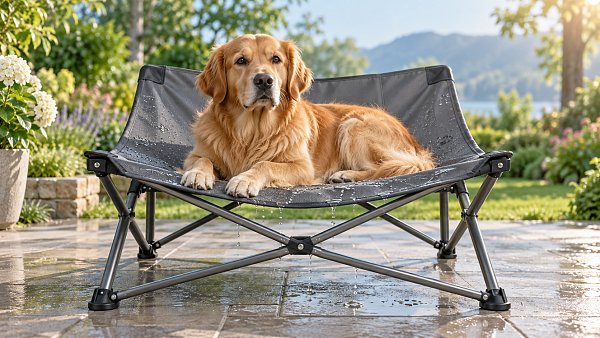
Mesh is especially useful for pet owners in warm regions. Wet fur dries faster, loose hair is easier to shake away, and the chair remains more comfortable after active outdoor use.
However, open construction introduces a different risk profile. Small claws, sharp accessories, and rough surfaces can snag mesh, especially if yarn diameter or coating adhesion is inadequate.
Ask suppliers for abrasion testing, tensile strength, seam pull strength, and ultraviolet aging data. Request samples for real-world snag checks using common pet harness hardware and outdoor equipment.
Mesh is also less forgiving where consumers expect padded comfort. Consider combining breathable mesh panels with reinforced polyester seating zones or removable cushions designed for outdoor cleaning.
For beach, poolside, garden, and warm-weather travel chairs, coated mesh can be one of the most functional choices. Its value comes from ventilation and drainage rather than plushness.
Fabric Longevity Depends on Construction, Not Just Fiber Type
A durable chair fabric can still fail early when seams, hems, webbing loops, or attachment points are weak. Folding chairs concentrate stress at predictable points during every setup and collapse.
Reinforced corners are essential because these areas often carry the greatest load. Look for extra fabric layers, bar-tack stitching, binding tape, or integrated webbing support.
Thread selection matters as well. Outdoor chairs need ultraviolet-resistant thread that does not degrade before the main fabric, especially around exposed seat edges and backrest seams.
Water drainage should be part of product development. Trapped water can accelerate mold growth, stain fabric, corrode frames, and create unpleasant odors that consumers may wrongly attribute to the textile.
Folding action deserves direct testing. A fabric that performs well on a stationary test panel may crease repeatedly at the same point and eventually crack or weaken on the finished chair.
Frame geometry can also cause premature abrasion. Buyers should inspect whether sharp tube edges, rivets, screws, or hinge parts contact the fabric under a loaded seating position.
For premium programs, require pre-production samples assembled on final frames. Material approval should never depend only on flat fabric swatches or supplier data sheets.
What Tests Should Buyers Request Before Placing an Order?
Testing converts broad durability claims into measurable procurement requirements. It also helps sourcing teams compare factories using the same standard instead of relying on subjective sample impressions.
Ultraviolet resistance should be a priority for outdoor chairs. Ask for accelerated weathering or lightfastness results and clarify whether testing covers fabric alone or the finished coated material.
Colorfastness testing is important for bright colors, printed logos, and licensed designs. Fading can cause consumer complaints even when the chair remains structurally usable and safe.
Tear strength and tensile strength indicate how the fabric handles body weight, uneven loading, children, pets, and accidental catches. Compare results across the warp and weft directions.
Abrasion testing helps predict surface wear from clothing, sand, dirt, pet claws, and repeated folding. It is especially valuable for coated fabrics where surface damage can expose the substrate.
Water resistance and hydrostatic testing are useful for rain-prone markets. Still, communicate honestly: water-resistant does not mean waterproof when seams and construction permit water entry.
For coated materials, request flex-crack testing at relevant temperatures. Coatings may survive room-temperature evaluation yet become brittle in cold conditions or tacky during extreme heat.
Finished-chair testing should include static load, cyclic load, stability, folding endurance, and corrosion resistance. Fabric durability cannot be separated completely from product safety and structural integrity.
Match Fabric Choices to Retail Positioning and Climate Risk
For premium patio chairs, solution-dyed acrylic supports a refined appearance, long color life, and elevated price point. Pair it with strong frames and removable covers where practical.
For mainstream outdoor collections, UV-stabilized polyester provides the broadest design flexibility. It can support printed branding, practical price targets, and multiple chair formats with controlled specifications.
For rugged camping, beach, and pet-event products, PVC-coated polyester delivers easy cleaning and moisture resistance. Position it around convenience, resilience, and low-maintenance ownership.
For hot or humid markets, coated mesh can improve comfort and speed drying. It is particularly effective in products intended for pool decks, gardens, travel, and active pet lifestyles.
Climate should influence inventory planning. Intense ultraviolet exposure favors acrylic or highly stabilized polyester, while rainy regions require strong drainage, mildew resistance, and easily cleaned surfaces.
Coastal markets introduce salt exposure and abrasive sand. In these locations, fabric selection must be combined with corrosion-resistant frames, durable stitching, and practical care instructions.
Do not over-specify every chair. Premium materials on entry-level products can erode margin, while under-specified fabrics on permanent-use furniture can increase returns and damage brand trust.
Supplier Questions That Reveal Real Outdoor Fabric Quality
Ask suppliers whether fabric is piece-dyed, yarn-dyed, or solution-dyed. This immediately clarifies likely color retention and helps buyers avoid treating all outdoor-looking textiles as equivalent.
Request the complete bill of materials, including base fabric composition, denier, fabric weight, coating chemistry, coating weight, thread specification, reinforcement details, and finishing treatments.
Confirm whether ultraviolet additives are incorporated into the fiber, coating, or both. Surface-only protection can be less durable when abrasion and weathering gradually wear away the outer layer.
Ask how the manufacturer controls color consistency between production lots. Outdoor ranges often require replacement orders, coordinated accessories, and consistent branded color palettes across seasons.
Review failure samples where possible. A capable supplier should understand common defects such as coating cracks, seam splits, fading, mildew marks, yarn breaks, and attachment-point tearing.
For pet-focused products, ask about cleaning validation. Verify that common mild cleaners do not remove protective coatings, transfer color, leave sticky residue, or cause surface changes.
Finally, clarify warranty language and maintenance instructions before launch. Claims should align with genuine material capability, realistic use conditions, and local consumer protection requirements.
Make the Final Decision Based on Lifetime Value
The longest-lasting outdoor folding chair fabric is not always the material with the highest initial cost. The better choice is the one that delivers the required lifetime at the intended price point.
Solution-dyed acrylic is the leading choice for premium, sun-exposed patio products where color retention and visual quality justify a higher investment. It creates a strong long-term ownership story.
PVC-coated polyester is often the best option for heavy-duty, easy-clean, pet-friendly, and weather-exposed chairs. It suits consumers who value practical performance over a softer furniture-like feel.
UV-stabilized polyester remains the most versatile commercial material for many folding chair ranges. Its success depends on disciplined specifications, reliable manufacturing, and realistic product positioning.
Breathable coated mesh is the specialist option for heat, humidity, quick drying, and active outdoor use. It should be reinforced where claws, snags, and concentrated seating loads occur.
For sourcing teams, the strongest approach is to define the use case first, specify measurable performance requirements second, and approve finished-chair testing before committing to volume production.
That process reduces avoidable returns, protects retail reputation, and helps create outdoor seating products that remain useful, clean, safe, and attractive through repeated seasons of use.