EU EPR Mandatory Registration in France & Germany Takes Effect Apr 18, 2026
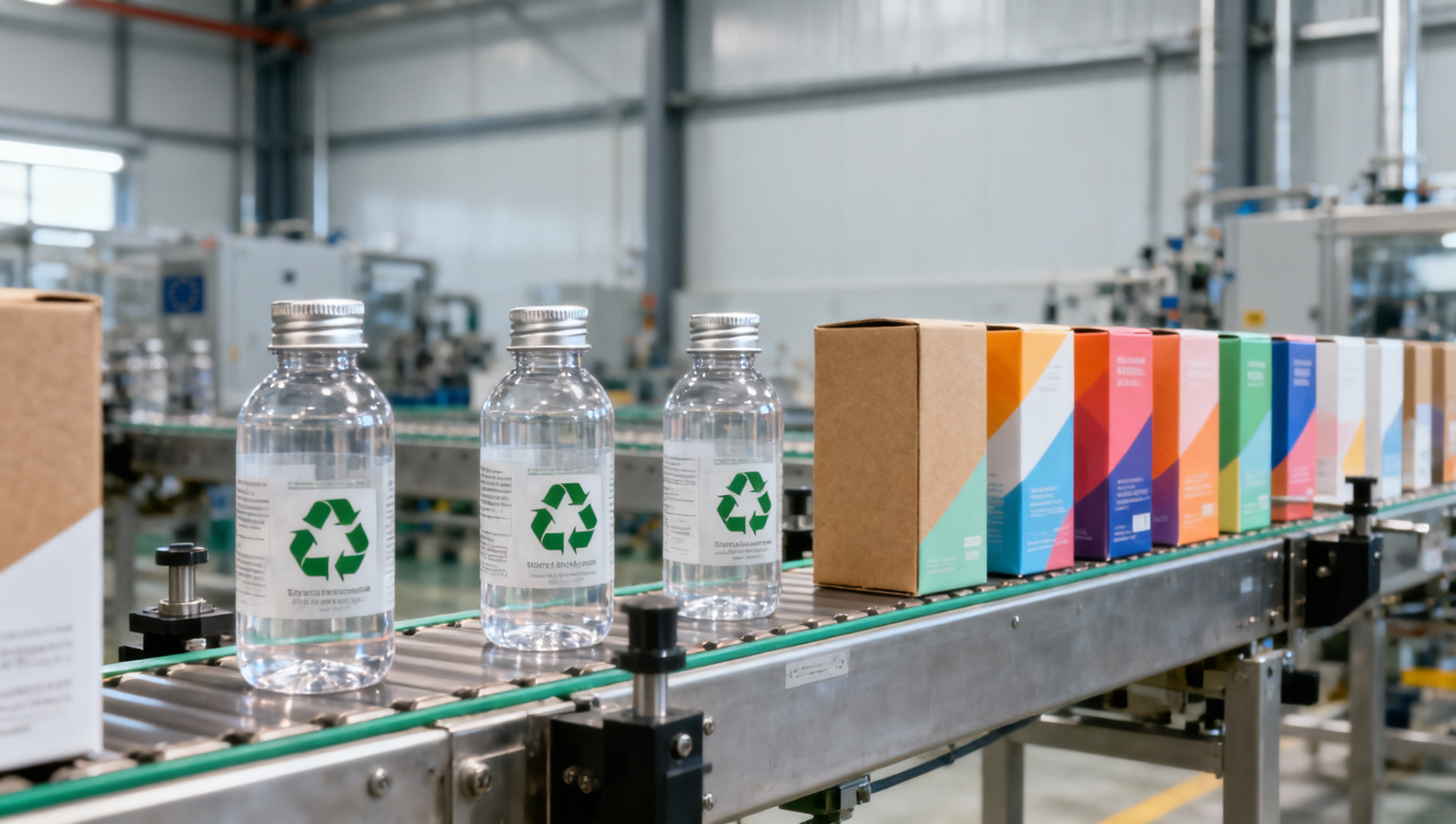
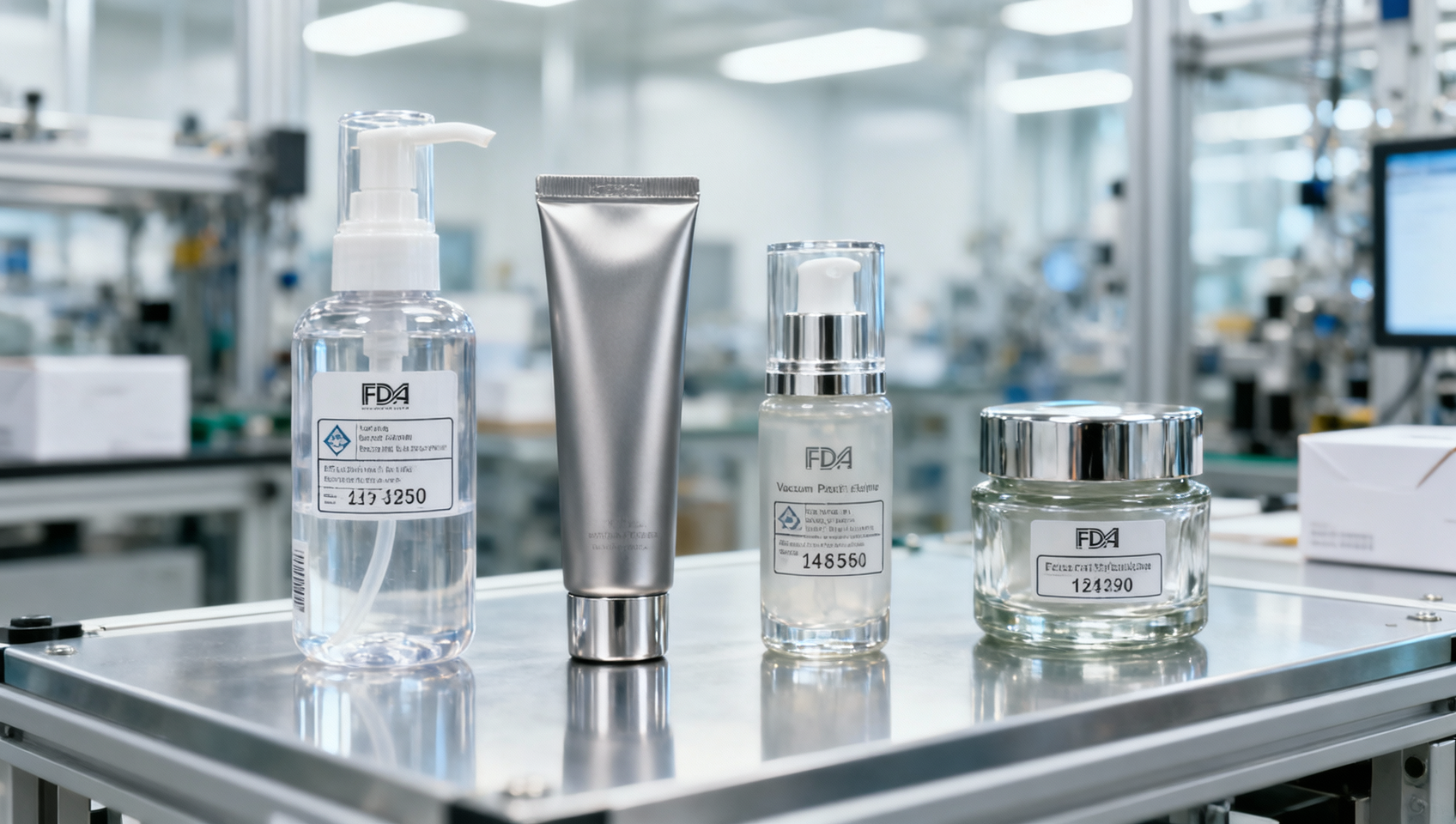
On April 18, 2026, the EU’s Packaging and Packaging Waste Regulation (PPWR)-aligned Extended Producer Responsibility (EPR) registration requirement officially enters into force in France and Germany. This development directly affects Chinese manufacturers exporting cosmetic packaging products to these two markets — triggering urgent compliance actions across the Yangtze River Delta packaging supply chain.
Event Overview
The EPR mandatory registration mechanism under the EU’s PPWR framework becomes effective in France and Germany on April 18, 2026. All Chinese manufacturers exporting cosmetics and associated packaging (Cosmetics & Pkg) to these countries must complete dual registration with accredited Producer Responsibility Organizations (PROs) and pay annual recycling fees. Unregistered products face enforcement measures including delisting from e-commerce platforms and rejection at logistics warehouses.
Industries Affected by This Requirement
Direct Exporters (Cosmetics & Packaging Manufacturers)
These entities bear primary legal responsibility under the EPR scheme. Because they are named as producers in cross-border shipments, they must register separately in both France and Germany — not via a single EU-wide system, but through national PROs. Impact includes added administrative burden, potential delays in market access, and direct financial liability for recycling fees.
Contract Packaging & OEM/ODM Factories
Many Chinese packaging manufacturers operate under private-label or contract manufacturing arrangements. Even if branded by foreign clients, their role as physical producers makes them subject to registration — especially when export documentation lists them as shipper or manufacturer. Non-compliance risks disrupting fulfillment for EU-based brands relying on their production capacity.
Supply Chain Service Providers (Compliance, Logistics, Customs Agents)
Third-party service providers handling EU-bound shipments are increasingly asked to verify EPR status pre-shipment. Some logistics partners now require proof of PRO registration before accepting consignments destined for French or German warehouses — shifting verification upstream into procurement and order management workflows.
What Relevant Enterprises or Practitioners Should Focus On — And How to Respond Now
Confirm producer status in export documentation
Review commercial invoices, packing lists, and customs declarations for each EU-bound shipment: if the Chinese factory is listed as ‘manufacturer’, ‘shipper’, or ‘exporter of record’, dual registration is required — regardless of brand ownership. Clarify labeling and documentation roles with EU clients early.
Verify PRO accreditation in both countries
France and Germany maintain separate, non-interoperable PRO systems. Confirm that the chosen PRO is officially accredited by both the French eco-organisation (e.g., Citeo or Éco-Emballages) and the German EAR System (Stiftung EAR). Using an unaccredited intermediary may result in invalid registration.
Prepare for fee calculation based on packaging weight and material type
EPR fees are calculated annually per tonne of packaging placed on the market, segmented by material (e.g., plastic, paper, composite). Collect and classify packaging data by weight and composition per SKU — this information is mandatory for registration and fee reporting in both countries.
Monitor for upcoming enforcement timelines beyond April 2026
While the rule takes effect April 18, 2026, some enforcement actions (e.g., platform-level delisting or warehouse refusal) may be phased in over Q2–Q3 2026. Track official communications from French and German environmental authorities — not just PROs — for implementation guidance and grace period clarifications.
Editorial Perspective / Industry Observation
From an industry perspective, this requirement is better understood as a concrete operational milestone — not merely a policy signal. Its immediate impact is visible in accelerated demand for PRO registration services among Chinese packaging exporters, particularly in the Yangtze River Delta region. Analysis来看, it reflects the EU’s shift toward enforcing producer accountability at the point of physical production, rather than relying solely on downstream brand owners. Current enforcement focus remains narrowly on France and Germany — two of the largest EU packaging markets — suggesting this is a targeted rollout, not yet a bloc-wide mandate. Observation来看, broader EU harmonization remains pending; other member states have not announced synchronized PPWR-aligned EPR start dates.
It is more accurate to interpret this development as the first enforceable layer of PPWR implementation — one that tests real-world compliance capacity across global supply chains. The fact that dual registration is required (rather than mutual recognition) indicates continued national discretion in EPR administration, even within the EU framework.
Conclusion
This regulation marks a structural shift in how cosmetic packaging producers engage with EU markets: compliance is no longer optional for exporters who appear as producers in trade documentation. It does not represent a blanket ban or sudden barrier, but rather a formalized, enforceable obligation tied to market access. Currently, it is best understood as a jurisdiction-specific operational requirement — binding in France and Germany as of April 18, 2026 — requiring precise, documented action by affected manufacturers and their service partners.
Information Sources
Main source: Official implementation notice issued jointly by French Ministry for Ecological Transition and German Federal Environment Agency (UBA), confirming April 18, 2026 as the effective date for PPWR-aligned EPR registration in both countries.
Points requiring ongoing observation: Enforcement timing and scope (e.g., whether marketplace platforms will apply automated checks starting April 18 or later); potential updates to PRO fee structures ahead of the 2026 reporting cycle; and alignment status of other EU member states’ EPR timelines.
Related Intelligence
 Beauty DevicesApr 19, 2026Global Li-ion Recycling Rate Hits 62.3%: Beauty Device BOM Cost Down 9%Li-ion recycling rate hits 62.3% — driving 9% BOM cost reduction for beauty devices. Discover how cascade utilization is reshaping global supply chains & boosting margins.
 Cosmetics & PkgApr 19, 2026FDA Mandates Independent VCRP Registration for Cosmetic Packaging as of Apr 19, 2026FDA mandates independent VCRP registration for cosmetic packaging by Apr 19, 2026—avoid Import Alert 66-12. Act now to secure U.S. market access.
 Nursery Furniture & MonitorsApr 19, 2026Canton Fair Phase III: Smart Infant Monitors Surge Amid EN60601-1-12 DemandSmart infant monitors surge at Canton Fair Phase III amid rising EN60601-1-12 compliance demand — discover why Middle East buyers now prioritize medical-grade safety.
 Camping & WaterApr 19, 2026RCEP Cuts Tariff on China-Made Camping Water Bags by 0.8% for TPU+Aluminum LaminateRCEP cuts tariff by 0.8% on China-made camping water bags with TPU+aluminum laminate — unlock duty savings & win Indonesian tenders now.
 Corporate & Seasonal GiftsApr 19, 2026TÜV Rheinland Updates Green Packaging Certification for Corporate GiftsGreen Packaging Certification now requires LCA reports & carbon heat maps for corporate gifts—key for OEMs, exporters & ESG procurement. Act before July 2026.
 Smart Pet DevicesApr 19, 2026Vietnam Requires ISO 13485 + Vietnamese Manual for Smart Pet CollarsISO 13485 + Vietnamese manual now mandatory for smart pet collars in Vietnam—key compliance update for exporters, certifiers & logistics partners.
 Infant Feeding & CareApr 19, 2026JETRO Mandates Blockchain Traceability for Silicone in Infant Feeding ProductsBlockchain traceability for silicone in infant feeding products is now mandated by JETRO — ensure compliance with AntChain/ZhiXin Chain to clear Japanese customs.
 STEM & Educational ToysApr 19, 2026SASO Shortens AI-STEM Toy EMC Certification to 24 HoursSASO Shortens AI-STEM Toy EMC Certification to 24 Hours — Chinese manufacturers can now accelerate Saudi market access with pre-embedded PCB-level EMC filtering and verified design docs.
 Cosmetics & PkgApr 19, 2026EU EPR Mandatory Registration in France & Germany Takes Effect Apr 18, 2026EU EPR mandatory registration in France & Germany starts Apr 18, 2026 — Chinese cosmetic packaging exporters must act now to avoid delisting, delays & fines.
 Camping & WaterApr 19, 2026CPSC Tightens Import Inspection for Camping Water BladdersCPSC Tightens Import Inspection for Camping Water Bladders: Urgent ASTM F2739-23 cold-flex compliance required at −20°C—avoid shipment rejection & re-export.
 Camping & WaterApr 18, 2026CPSC Launches New TPU Camping Bladder ChecksCPSC launches TPU camping bladder checks: Critical −20°C performance enforcement for exporters, suppliers & OEMs. Act now to avoid U.S. customs delays.
 Beauty DevicesApr 18, 2026Global Li-ion Battery Recycling Rate Hits 62.3%Li-ion battery recycling rate hits 62.3%—cutting BOM costs for beauty & smart pet device batteries. Discover how LFP cathode savings boost margins and compliance readiness.
 Beauty DevicesApr 18, 2026Canton Fair Phase II Preview: Beauty Device Inquiries +41% YoYBeauty device inquiries surge +41% YoY ahead of Canton Fair Phase II — Middle East buyers prioritize RF safety & energy efficiency certification.