Is Bamboo Cosmetic Packaging Right for Premium or Eco-Focused Beauty Brands?
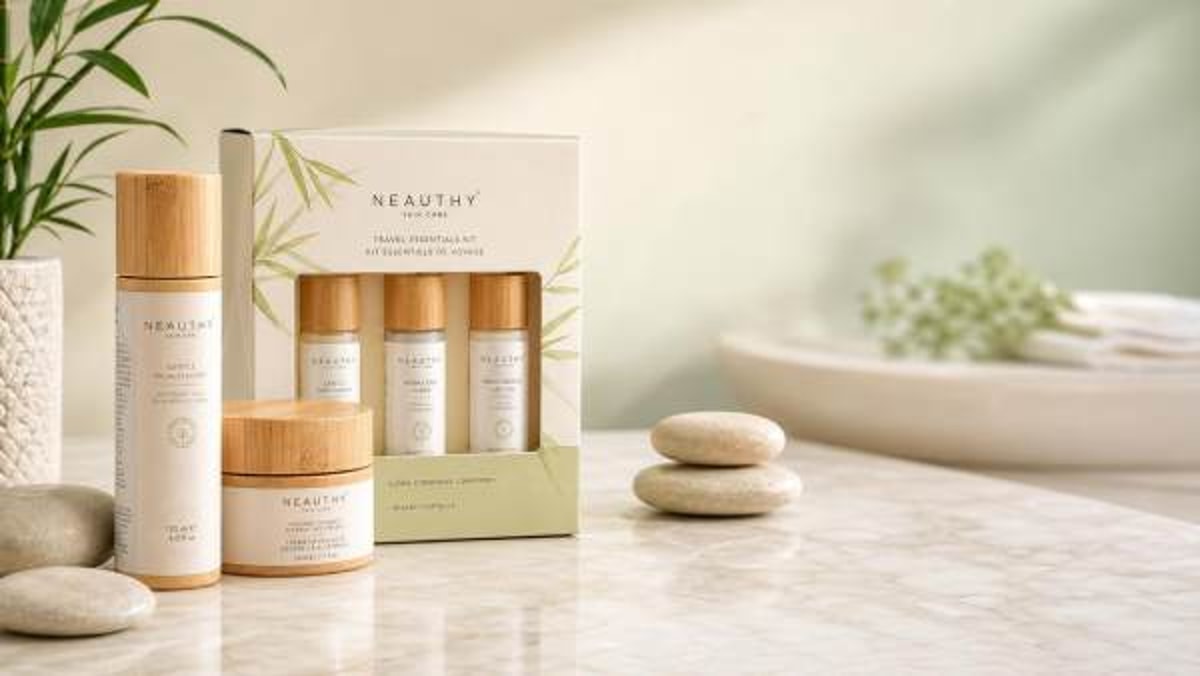
For premium and eco-focused beauty brands, bamboo cosmetic packaging offers more than visual appeal—it signals sustainability, quality, and modern consumer alignment. But is it the right fit for your sourcing strategy, cost structure, and brand positioning? This article explores how decision-makers can evaluate bamboo packaging through the lens of performance, compliance, and long-term retail value.
Understanding bamboo cosmetic packaging in a brand and retail context
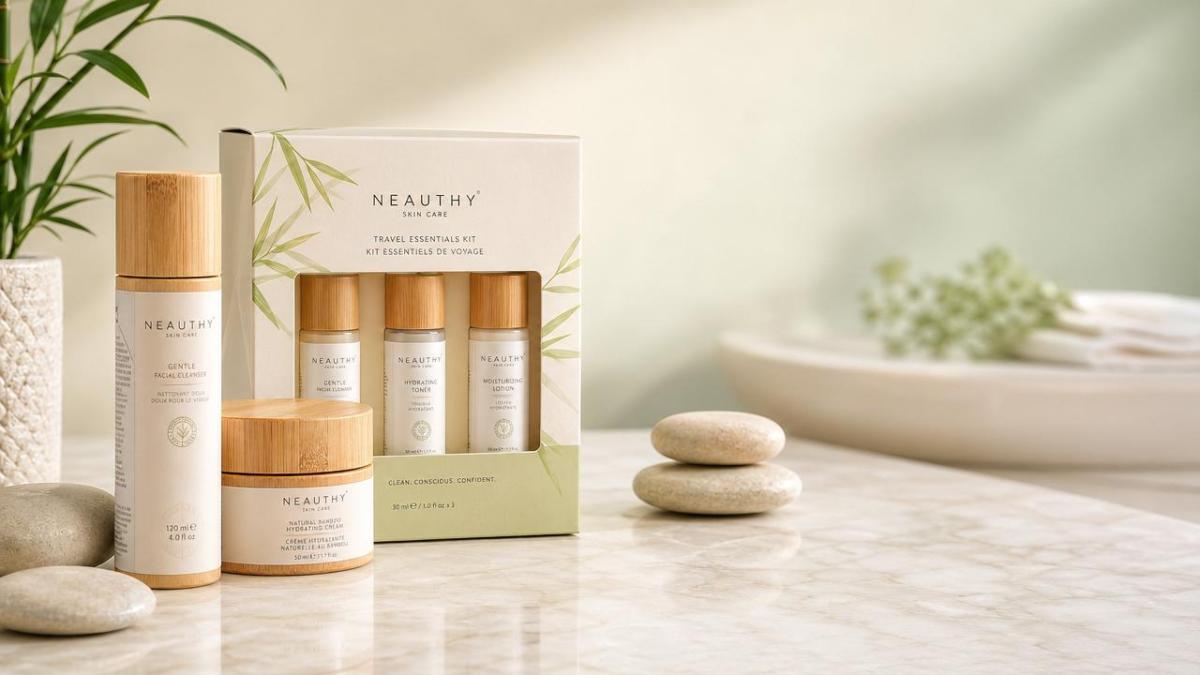
At its core, bamboo cosmetic packaging refers to beauty containers or outer components that use bamboo as a visible structural or decorative material. In most commercial applications, it is not an all-bamboo package. Instead, bamboo is paired with inner materials such as glass, PP, PET, or aluminum to protect formulas, maintain hygiene, and meet performance standards. For business evaluation teams, this distinction matters. A bamboo cap, sleeve, compact shell, or jar collar can deliver a strong sustainability message, but the total packaging system must still be assessed as a multi-material solution.
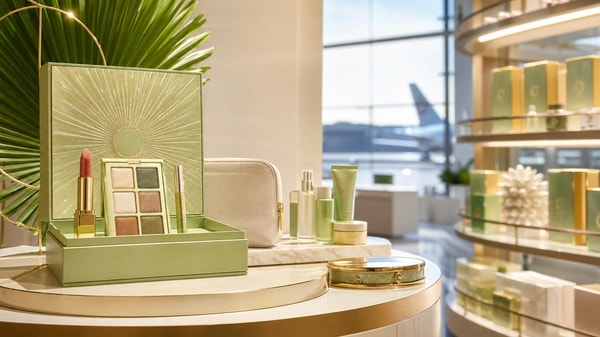
This topic is drawing attention because premium beauty retail is increasingly shaped by two forces: emotional shelf appeal and measurable sustainability claims. Whether a brand sells in travel retail, hotel boutiques, airport duty-free, resort spas, or online cross-border channels, packaging now influences not only conversion but also partnership credibility. Buyers and sourcing managers need packaging that photographs well, survives logistics, aligns with environmental positioning, and supports compliance in different markets.
For a platform such as Global Consumer Sourcing, the relevance is clear. Global supply chains are under pressure to deliver product differentiation without sacrificing safety, traceability, or search visibility. Bamboo cosmetic packaging sits at the intersection of material innovation, private-label storytelling, and commercial practicality. It is attractive, but it must be evaluated beyond trend language.
Why the market pays attention now
The beauty sector has helped normalize sustainable packaging claims, yet consumers and retail partners are more critical than before. Premium shoppers increasingly expect refillability, lower-plastic options, and visibly natural materials. In travel-related sales environments, where purchase decisions are often quick and visually driven, packaging carries extra weight. A bamboo-accented skincare jar on a resort shelf or in a destination concept store can communicate wellness, nature, and elevated gifting value in seconds.
At the same time, procurement teams must navigate a more complex sourcing environment. Claims such as “eco-friendly,” “biodegradable,” or “plastic-free” may be challenged if the total pack design does not support them. Bamboo cosmetic packaging is therefore gaining attention not because it is a universal answer, but because it offers a visible route toward better material storytelling when used responsibly. For brands targeting premium spas, boutique hotels, wellness tourism venues, and giftable travel-sized beauty products, it can strengthen category fit.
Where bamboo cosmetic packaging creates real business value
The main value of bamboo cosmetic packaging is strategic rather than purely functional. It helps brands signal identity. For a premium or eco-focused beauty line, material choice becomes part of the product narrative. A bamboo component can reinforce ideas such as botanical origin, minimalist luxury, or low-impact living. In sectors connected to travel services, this can be especially effective for brands sold through spa programs, wellness retreats, eco-resorts, museum gift stores, cruise retail, or curated travel kits.
There is also merchandising value. Bamboo often adds warmth and tactile contrast that standard plastic rarely achieves. On digital storefronts, it improves visual differentiation. In physical retail, it may increase perceived authenticity. This matters to buyers comparing several similar products within crowded skincare, fragrance, or personal care categories.
However, the strongest value emerges when the packaging aligns with a broader operational story. If the formula is clean-label, the sourcing is traceable, and the brand has a credible sustainability framework, then bamboo cosmetic packaging can act as a powerful amplifier. If those elements are absent, bamboo may look impressive but fail to support long-term trust.
Typical use cases by brand type and channel
Not every product format benefits equally from bamboo. The best applications are usually those where premium appearance, tactile experience, and moderate production complexity can coexist. Business evaluators should match material choice to product category, sales environment, and expected consumer behavior.
For travel-related channels, portability and resilience remain crucial. A beautiful bamboo closure that loosens in transit or swells in humid conditions can quickly damage customer satisfaction. That is why channel suitability should be reviewed alongside aesthetics.
Performance, compliance, and sourcing considerations
Decision-makers should evaluate bamboo cosmetic packaging as a system of materials, treatments, and supply chain controls. Bamboo is organic and naturally variable. Grain, color, and texture differ from unit to unit, which can be a premium advantage but also a quality control challenge. Moisture sensitivity, coating performance, mold risk, and mechanical stability must be reviewed based on climate exposure and shipping routes.
Compliance is equally important. Beauty packaging for global markets may need documentation related to material safety, restricted substances, product-contact suitability, labeling accuracy, and testing protocols. If the pack is intended for hotel distribution, air travel sales, or destination retail across multiple countries, documentation readiness becomes even more important. Buyers should ask suppliers for test reports, treatment specifications, quality standards, and evidence of responsible sourcing. If sustainability claims will be used in marketing, they should be specific, verifiable, and aligned with local regulations.
Another key point is compatibility. Bamboo cosmetic packaging usually works best when the formula is protected by an inner bottle, liner, or cartridge. This helps preserve product integrity while allowing the outer bamboo element to carry the visual message. Skipping compatibility testing is risky, especially for essential-oil-rich formulas, active skincare, or products exposed to temperature shifts during travel distribution.
Key evaluation checkpoints
A practical review should include the following checkpoints:
- Material architecture: what portion is bamboo, and what remains plastic, glass, or metal?
- Surface treatment: is the bamboo coated, sealed, stained, or printed in a way that affects recyclability or durability?
- Supply stability: can the supplier support repeat orders with consistent finish quality?
- Testing: has the packaging passed drop, humidity, leakage, and transit simulation tests?
- Claim support: can the sustainability story withstand retailer and consumer scrutiny?
Cost structure and long-term retail implications
Bamboo cosmetic packaging typically costs more than standard stock plastic packaging, but the decision should not be reduced to unit price alone. Premium packaging can improve perceived value, increase giftability, and support stronger margins if it is used in the right category. For travel services and adjacent retail environments, where shoppers often make emotionally influenced purchases, presentation can significantly affect conversion.
Still, business evaluators should account for tooling, minimum order quantities, decoration complexity, assembly steps, and reject rates. Bamboo components may also require tighter inspection standards because natural variation is part of the material profile. The correct commercial question is not simply, “Is bamboo more expensive?” but rather, “Does bamboo improve channel fit, retail performance, and brand perception enough to justify its cost?”
This is where data-backed sourcing intelligence matters. Brands that use bamboo cosmetic packaging successfully tend to align it with targeted launches, hero SKUs, curated gift sets, or brand-defining lines rather than applying it indiscriminately across every product. Selective use often produces a better return than broad, unstructured adoption.
When bamboo is a strong fit—and when caution is smarter
Bamboo cosmetic packaging is usually a strong fit when a brand has a clear premium or sustainability identity, sells in visually driven channels, and can support the necessary sourcing discipline. It works especially well for skincare, fragrance accessories, wellness-oriented personal care, and destination-inspired collections linked to hospitality or travel experiences.
Caution is smarter when speed, ultra-low cost, or extreme consistency matter more than tactile storytelling. It may also be a weaker choice for highly technical formulas, high-volume mass-market programs, or products facing harsh environmental exposure unless engineering controls are strong. In these cases, a hybrid model may be more practical: use bamboo on selected outer components while keeping the protective inner packaging conventional and proven.
Practical guidance for business evaluation teams
A structured assessment process will reduce risk and sharpen decision-making. Start by defining what role bamboo cosmetic packaging is expected to play. Is it meant to elevate a premium line, support ESG messaging, improve travel retail sell-through, or strengthen private-label differentiation? Then compare suppliers on documentation quality, production control, and finish consistency, not just appearance.
Pilot programs are often the best first step. Launch bamboo packaging on a limited SKU range, collect feedback from retail buyers and consumers, and monitor damage rates, reorders, and merchandising results. This approach gives sourcing teams practical evidence before committing to broader rollouts. It also helps identify whether the packaging performs equally well across e-commerce, hotel retail, spa boutiques, and cross-border distribution.
For organizations using B2B intelligence platforms like GCS, the opportunity is to combine packaging trend analysis with supplier validation and compliance insight. That combination supports better negotiations, fewer claim risks, and stronger retail readiness.
Conclusion: a strategic material, not a symbolic shortcut
Bamboo cosmetic packaging can be an excellent choice for premium and eco-focused beauty brands, especially in channels connected to wellness, gifting, hospitality, and travel services. Its strongest advantage is not that it automatically makes a product sustainable, but that it helps credible brands express sustainability and premium value in a visible, tactile way.
For business evaluation professionals, the right decision depends on alignment: alignment with brand positioning, compliance requirements, cost expectations, retail environment, and supplier capability. When those elements come together, bamboo cosmetic packaging becomes more than a trend. It becomes a commercially useful asset for brand distinction and long-term retail relevance. If your team is assessing future-ready packaging strategies, now is the right time to evaluate bamboo through real performance data, verified sourcing intelligence, and channel-specific objectives.
Related Intelligence
 Beauty DevicesMay 01, 20262026 Foshan Tanzhou Auto Industry Expo Spring Edition2026 Foshan Tanzhou Auto Industry Expo Spring Edition features the debut 'Beauty Devices & Smart Cabin' zone—driving cross-industry innovation and global sourcing opportunities.
 Electronic & RC ToysMay 01, 2026RC Toy Orders Shift to South China, Lead Time Cuts to 6 WeeksRC toy orders shift to South China with 6-week lead times—key for importers, OEMs & logistics firms. Discover ICTA-QMS certified factories in Shenzhen/Dongguan now driving speed and reliability.
 STEM & Educational ToysMay 01, 2026CPSC Tightens Battery Compartment Standards for STEM ToysCPSC Tightens Battery Compartment Standards for STEM Toys: New 30 N bite-force test mandatory for U.S. market access starting July 1, 2026—act now to avoid shipment delays.
 Infant Feeding & CareMay 01, 2026RCEP ASEAN Adds Fast Track for Infant Feeding ProductsRCEP ASEAN fast tracks infant feeding products—baby bottles, breast pumps & warmers—with NMPA Class II filing. Save 11 days on customs clearance in ASEAN markets.
 Smart Pet DevicesMay 01, 2026Japan METI Expands Smart Pet Device PSE White List: Chinese Self-Cleaning Litter Boxes Gain Priority ReviewJapan METI expands PSE white list for smart pet devices—Chinese self-cleaning litter boxes now qualify for priority PSE review, cutting certification to 12 days.
 Corporate & Seasonal GiftsMay 01, 2026Germany’s UBA Launches Mandatory Carbon Labeling for Corporate Gift InksGermany’s UBA mandates carbon labeling for corporate gift inks—key for exporters, ODMs & ink suppliers. Act now to comply by July 2026.
 Fitness EquipmentMay 01, 2026THE Alliance Cuts Shanghai–LA Capacity: Fitness Equipment Shipment Delays to 8–10 WeeksFitness equipment shipment delays hit 8–10 weeks as THE Alliance cuts Shanghai–LA capacity by 32%. Act now to secure slots, revise ETAs & optimize FOB planning.
 Camping & WaterMay 01, 2026Vietnam Suspends Camping & Water Import Licenses Effective Apr 30, 2026Vietnam suspends Camping & Water import licenses from Apr 30, 2026—IP6X + ASTM B117 testing now mandatory. Act now to avoid shipment delays!
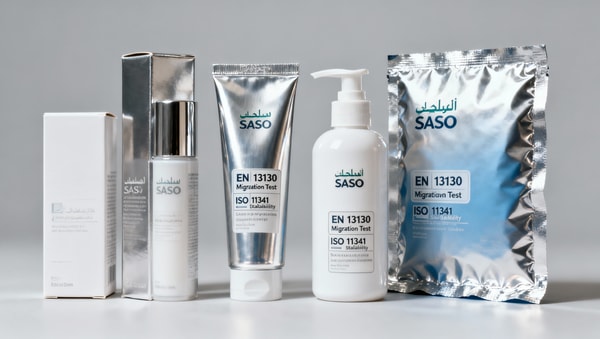
 Cosmetics & PkgMay 01, 2026SASO Updates Cosmetics Packaging Rules for Plant Extracts in Saudi ArabiaSASO cosmetics packaging rules updated: Plant extract cosmetics now require EN 13130 migration & ISO 11341 photostability testing—mandatory for Saudi market access after Aug 1, 2026.
") Skincare OEMMay 01, 2026FDA Adds New Code for Plant Stem Cell Extracts (PCSC-2026)FDA's new PCSC-2026 code for plant stem cell extracts reshapes U.S. cosmetic compliance—key for OEMs, exporters & suppliers. Act now!
Skincare OEMMay 01, 2026FDA Adds New Code for Plant Stem Cell Extracts (PCSC-2026)FDA's new PCSC-2026 code for plant stem cell extracts reshapes U.S. cosmetic compliance—key for OEMs, exporters & suppliers. Act now! Cosmetics & PkgMay 01, 2026Vegan Makeup Wholesale in 2026: What Brands Are Prioritizing NowVegan makeup wholesale in 2026 is driven by compliance, transparency, and private-label agility. See what brands prioritize now and how buyers choose smarter suppliers.
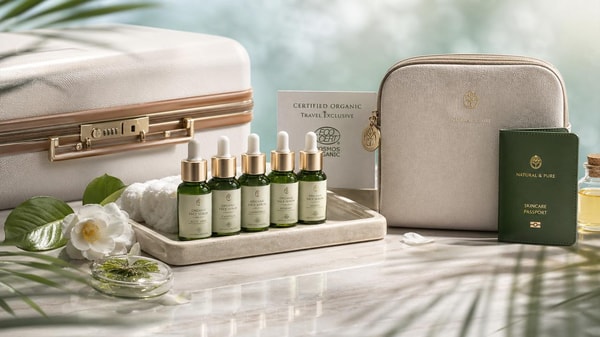
 Skincare OEMMay 01, 2026Organic Face Serum OEM: What Makes Certification and Claims More Complex Than They LookOrganic face serum OEM is more complex than it seems. Explore certification, claims, traceability, and cross-border compliance risks to choose credible partners and launch with confidence.
 Skincare OEMMay 01, 2026Anti Aging Cream Wholesale: How to Judge Formula Value Without Chasing TrendsAnti aging cream wholesale buyers: learn how to judge real formula value through stability, compliance, ingredient logic, and travel-ready performance for smarter sourcing.