Product testing checklist for cosmetic packaging suppliers
For global buyers and brand procurement teams, a reliable product testing checklist is more than a quality tool—it is a strategic filter for cosmetic packaging suppliers in today’s retail market. Backed by supply chain data and practical supply chain insights, this guide helps decision-makers assess compliance, durability, and private-label readiness while reducing sourcing risks and improving supplier selection.
Why a product testing checklist matters in travel retail and hospitality sourcing
In travel services, cosmetic packaging is not only a product component. It affects guest experience, transit durability, duty-free presentation, and compliance across cross-border distribution. Hotels, airlines, cruise operators, airport retailers, and travel amenity suppliers often need packaging that performs reliably through 3 core stages: warehousing, transportation, and end-use in compact, high-turnover environments.
A weak cap seal, unstable pump, or incompatible bottle material can quickly become a service issue. For procurement teams, that means returns, replenishment delays, and approval friction from finance and quality departments. A structured product testing checklist helps teams compare cosmetic packaging suppliers using consistent criteria rather than subjective sample impressions.
This matters even more in travel-size and private-label programs. Many travel service buyers source 30ml, 50ml, and 100ml packaging formats for hotel amenities, spa kits, onboard retail, or destination gift assortments. These formats face different stress points than full-size retail packs, especially when leakage, drop resistance, and label adhesion are tested under frequent handling.
Global Consumer Sourcing supports this process by helping buyers connect packaging evaluation with wider supply chain realities. Instead of reviewing only appearance, teams can assess test scope, documentation quality, production readiness, and risk exposure before placing pilot runs, which often range from small validation batches to 2–4 week sampling cycles.
Who should use the checklist before supplier approval?
The checklist is useful for more than quality control staff. Information researchers use it to compare supplier credibility. Procurement officers use it to standardize RFQ evaluation. Project managers use it to align packaging tests with launch milestones. Finance approvers use it to understand where low-cost offers may increase replacement, non-compliance, or logistics loss later.
- Travel retail buyers can screen suppliers for leak resistance, visual consistency, and shelf-readiness in duty-free or gift-shop environments.
- Hotel and resort sourcing teams can confirm whether dispensers, tubes, or bottles suit high-frequency guest use and housekeeping refill workflows.
- Safety and compliance teams can verify material declarations, migration risks, and documentation completeness before market entry.
- Distributors and agents can use the same framework to reduce disputes caused by packaging failure during storage or shipment.
When these roles use one checklist, supplier evaluation becomes easier to audit. It also shortens internal alignment time, which is especially valuable when a seasonal campaign, hotel opening, or tourism promotion requires compressed launch windows of 6–10 weeks.
What should a cosmetic packaging supplier test before you buy?
A complete product testing checklist for cosmetic packaging suppliers should cover 5 key areas: material safety, functional performance, transport durability, decoration stability, and batch consistency. In travel services, these checks should reflect real operating conditions, including multi-stop shipping, humid bathroom storage, and repeated guest handling in compact spaces.
Before the table below, buyers should note that one test result alone is rarely enough. A supplier may pass a drop test yet fail on cap torque consistency or label scuff resistance. The goal is to review a practical testing matrix rather than isolated claims in a sample presentation.
This table helps procurement and quality teams move from broad supplier claims to measurable review points. It is particularly useful when comparing 3–5 shortlisted suppliers, because it reveals whether a vendor can support repeat travel retail orders rather than just provide an attractive first sample.
The minimum checklist for pilot orders
For a pilot order, buyers do not always need the most extensive lab program. However, they should still require a disciplined baseline. A practical minimum checklist usually includes leak testing, compatibility review, carton drop evaluation, decoration adhesion review, and packing verification for export handling.
- Confirm packaging specification sheets, including material type, closure type, fill volume, and finishing method.
- Request test records tied to the same or equivalent packaging structure, not unrelated stock components.
- Review sample retention and batch traceability procedures for at least one pilot production cycle.
- Align acceptable defect limits before purchase order release to avoid later interpretation disputes.
This 4-step review is especially useful for project owners working under a launch deadline. It keeps testing aligned with sourcing reality instead of creating a long approval list that delays market entry without improving decision quality.
Why travel-size formats need extra attention
Small-format packaging often appears simple, but the risk profile is different. A 30ml bottle with a narrow neck can be more sensitive to cap alignment, while a soft tube used in hotel bathrooms may distort under compression during packing or use. These issues rarely show in visual review alone.
For that reason, buyers should ask suppliers whether test methods reflect actual fill volume, closure system, and secondary packaging. A component that works in a 250ml retail bottle may not perform the same way in a 50ml amenity version packed in dense multi-unit cartons.
How to compare cosmetic packaging suppliers without missing hidden risks
Supplier comparison should balance cost, testing discipline, communication quality, and operational fit. In travel services, a cheap packaging source may create hidden costs through leakage claims, rushed air shipments, or rejected inventory at regional distribution points. That is why finance and procurement teams need a side-by-side decision structure.
Before using the comparison table, define the business model. Are you sourcing for hotel amenities, airport retail, spa resale, cruise cabins, or tourism gift programs? Each model changes the priority weighting. Retail presentation may dominate in duty-free, while leakage prevention may matter more for in-room amenity distribution.
The key insight is that strategic suppliers reduce operational uncertainty, not just unit price pressure. For travel service organizations dealing with repeated replenishment or regional program rollouts, predictability often matters more than a small nominal saving on packaging cost.
3 decision filters for procurement and finance approval
Many internal approvals stall because teams review too many details without a decision framework. In practice, 3 filters work well. First, determine whether the supplier can meet functional risk thresholds. Second, assess whether documentation supports compliance and traceability. Third, evaluate whether lead times and MOQs match program scale.
- Functional fit: can the packaging survive typical transport, storage, and guest use conditions?
- Commercial fit: does the supplier support the required batch size, artwork process, and reorder rhythm?
- Control fit: can your quality and compliance teams audit the supplier’s records with reasonable confidence?
When all 3 filters are used early, buyers avoid a common mistake: approving a visually attractive sample that later fails during export movement or multi-property deployment. This is where a disciplined product testing checklist becomes a commercial control tool, not just a technical one.
Which standards, compliance points, and service steps should buyers confirm?
Compliance for cosmetic packaging depends on material type, market destination, and product use scenario. Travel service buyers should avoid assuming one document covers every need. A bottle for hotel amenities, a jar for spa retail, and a tube for airport sale may face different documentation demands depending on formula contact, labeling, and destination market controls.
Rather than asking suppliers for broad promises, request a structured document pack. In many sourcing projects, this includes material declarations, specification sheets, component drawings where relevant, packaging compatibility observations, and transport packing details. If private-label artwork is involved, label durability and legibility checks should also be part of the review.
A practical 6-point compliance review
For most international sourcing projects, buyers can use a 6-point compliance review before finalizing a cosmetic packaging supplier. This does not replace legal advice, but it helps internal teams identify missing documents and avoid preventable delays during onboarding or customs preparation.
- Verify base material information for bottles, tubes, caps, pumps, and liners.
- Check whether the packaging has been reviewed for formula compatibility over a realistic observation period.
- Confirm export carton and inner packing design for transit conditions typical of sea or air shipment.
- Review artwork durability if the pack will face moisture, friction, or repeated touch points.
- Align traceability expectations, including sample retention and batch identification.
- Clarify market-specific labeling or documentation needs before production starts.
In travel services, this review is useful because many projects involve cross-border movement and fast replenishment. Missing one document can add 1–3 weeks to internal approval, especially when legal, sourcing, and quality teams operate across different regions.
How GCS supports better sourcing decisions
Global Consumer Sourcing adds value by connecting supplier evaluation with broader market intelligence. Buyers are not only comparing packaging items; they are balancing private-label goals, certification expectations, lead-time pressure, and long-term retail viability. That broader lens is important when tourism-driven demand fluctuates by season, region, or channel.
For procurement leaders and project owners, this means better visibility into what to ask, what to verify, and where risk tends to appear first. It is particularly useful in OEM and ODM discussions where packaging performance, brand presentation, and rollout speed must all work together.
Common mistakes, FAQ, and the next step for supplier selection
Even experienced buyers make avoidable mistakes when evaluating cosmetic packaging suppliers. The most common one is approving based on appearance alone. Others include ignoring transport simulation, skipping formula compatibility review, or assuming standard packaging will work for travel retail without adaptation. These errors often surface only after goods are packed, shipped, and distributed.
Another common issue is separating sourcing from operations. Packaging that looks acceptable in a meeting room may fail in hotel housekeeping workflows, airport retail replenishment, or humid spa storage. A strong product testing checklist keeps operational realities visible from the start.
FAQ: What buyers ask most often
How many suppliers should we compare before choosing one?
In many B2B sourcing projects, comparing 3–5 suppliers is enough to reveal clear differences in documentation, responsiveness, and test discipline. Fewer than 3 may limit your benchmark. Too many can slow decisions without adding proportionate value, especially when launch schedules are tight.
What is a reasonable sampling and review timeline?
Typical sample preparation can take 7–15 days for standard items and longer for custom decoration or mold adjustments. Internal review may take another 1–2 weeks if procurement, quality, and brand teams all sign off. Compatibility observation can extend further depending on formula and packaging type.
Should low MOQ packaging always be preferred for travel programs?
Not always. Low MOQ can help with pilot launches or seasonal tourism promotions, but it may come with limited decoration options, weaker process control, or higher unit cost. Buyers should weigh MOQ against reorder stability, packaging consistency, and service support across at least one full replenishment cycle.
What should quality teams ask for if test reports seem too general?
Ask whether the report matches the same component structure, material family, closure type, and decoration process. Also request the test date, sample condition, and issue notes. General reports that cannot be linked to the quoted packaging should be treated as background information, not final approval evidence.
Why choose us for sourcing insight and supplier evaluation support
Global Consumer Sourcing helps travel service buyers, distributors, and private-label teams make stronger supplier decisions with a market-informed lens. We focus on practical sourcing intelligence: what to test, how to compare suppliers, which compliance points to verify, and how to align packaging performance with commercial rollout goals.
If you are reviewing cosmetic packaging suppliers for hotel amenities, spa retail, airport channels, tourism gift programs, or cross-border private-label lines, you can consult us on sample evaluation priorities, packaging selection logic, lead-time planning, documentation review, and supplier shortlisting strategy.
You can also reach out for support on parameter confirmation, packaging format comparison, customization feasibility, common testing gaps, certification-related document planning, sample requests, and quotation discussion. This helps your team move faster from initial research to a supplier decision that is easier to defend internally and safer to scale operationally.
Related Intelligence
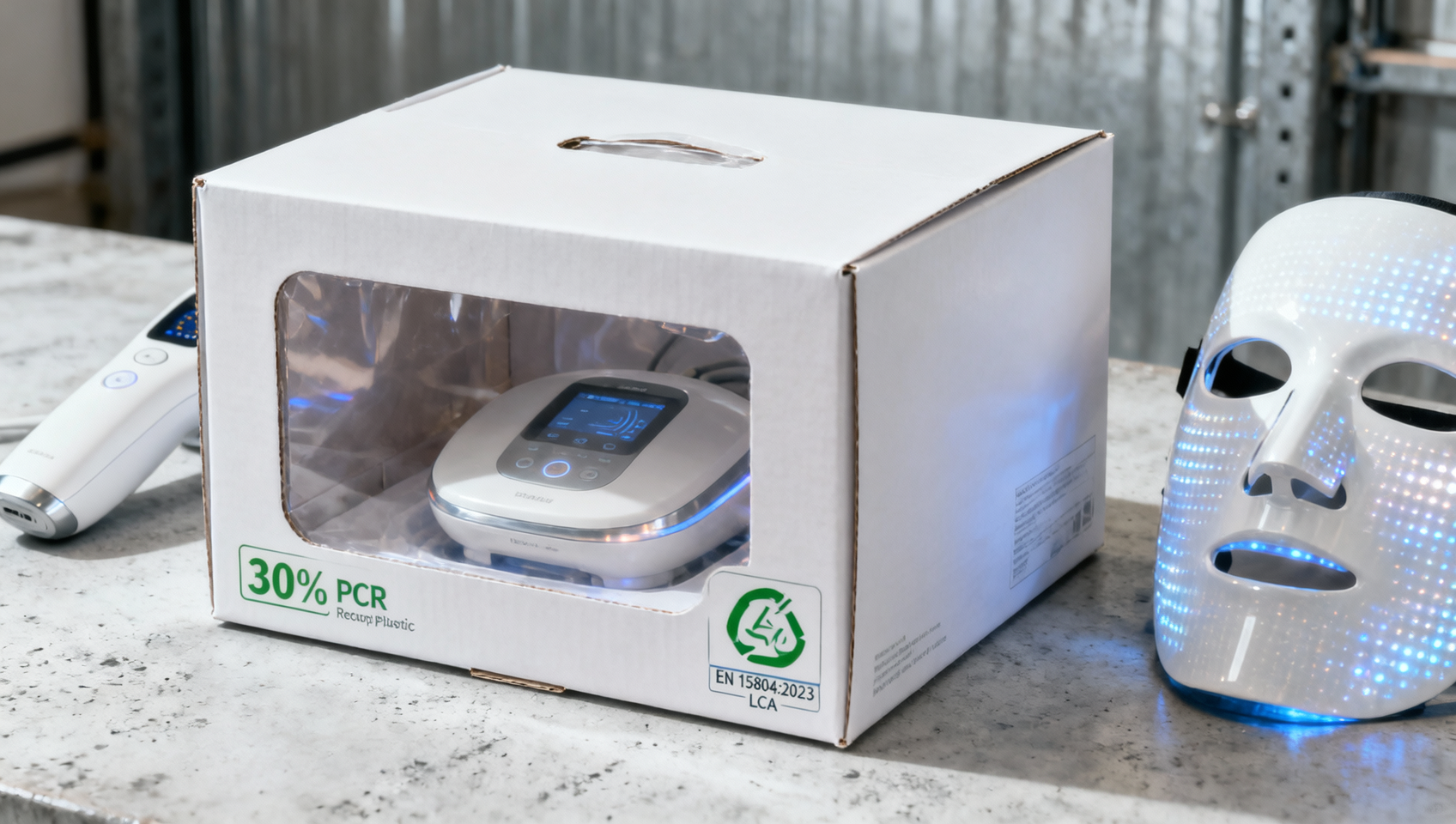
 2026/789 on Beauty Device Packaging Takes Effect") Beauty DevicesApr 29, 2026EU Regulation (EU) 2026/789 on Beauty Device Packaging Takes EffectEU Regulation (EU) 2026/789 mandates 30% recycled plastic & LCA declarations for beauty device packaging — act now to avoid Amazon.de/fr rejections!
Beauty DevicesApr 29, 2026EU Regulation (EU) 2026/789 on Beauty Device Packaging Takes EffectEU Regulation (EU) 2026/789 mandates 30% recycled plastic & LCA declarations for beauty device packaging — act now to avoid Amazon.de/fr rejections! Electronic & RC ToysApr 29, 2026ICTA: RC Toy Orders Shift to South China, Lead Time Cuts to 6 WeeksICTA reports RC toy orders shifting to South China—78% now flow to Guangdong’s cluster, cutting lead times to just 6 weeks. Act now to optimize sourcing, compliance & logistics.
 STEM & Educational ToysApr 29, 2026CPSC Nanomaterial Migration Rule for STEM Toys Effective Q3 2026CPSC Nanomaterial Migration Rule for STEM Toys: New ASTM F963–24 testing (≤0.05 mg/cm²/h) mandatory from Oct 1, 2026—avoid detention & recalls.
 Fitness EquipmentApr 29, 2026THE Alliance Cuts Shanghai–LA Capacity by 22%: Fitness Equipment Delays ExtendFitness equipment shippers: THE Alliance cuts Shanghai–LA capacity by 22% in May 2026—delays, surcharges, and 12–14-week bookings loom. Act now.
 Smart Pet DevicesApr 29, 2026Japan METI Expands Smart Pet Device White List, 10-Day Certification for Chinese DevicesJapan METI expands Smart Pet Device white list—Bluetooth 5.3+ collars & AI feeders now qualify for fast 10-day certification. Key opportunity for Chinese exporters.
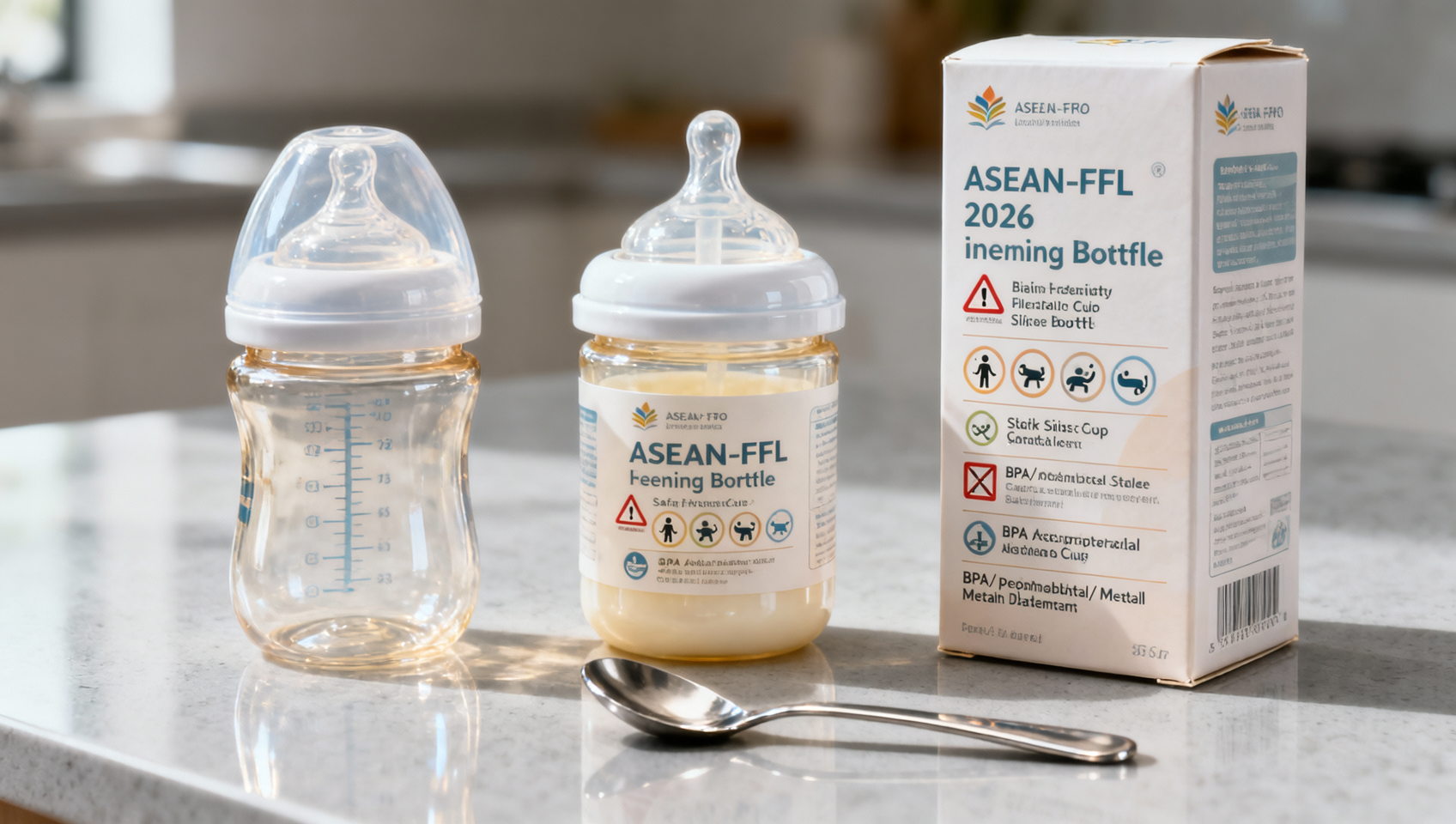
 Infant Feeding & CareApr 29, 2026ASEAN-FFL 2026: RCEP Infant Feeding Labeling Rules Take EffectASEAN-FFL 2026 labeling rules take effect April 2026—ensure RCEP infant feeding product compliance now to avoid shelf bans & delays.
 Corporate & Seasonal GiftsApr 29, 2026Germany UBA to Pilot Carbon Labelling for Corporate GiftsGermany UBA's 2026 carbon labelling pilot for corporate gifts mandates ISO 14067 LCAs — vital for Chinese exporters, printers & ink suppliers targeting EU green procurement.
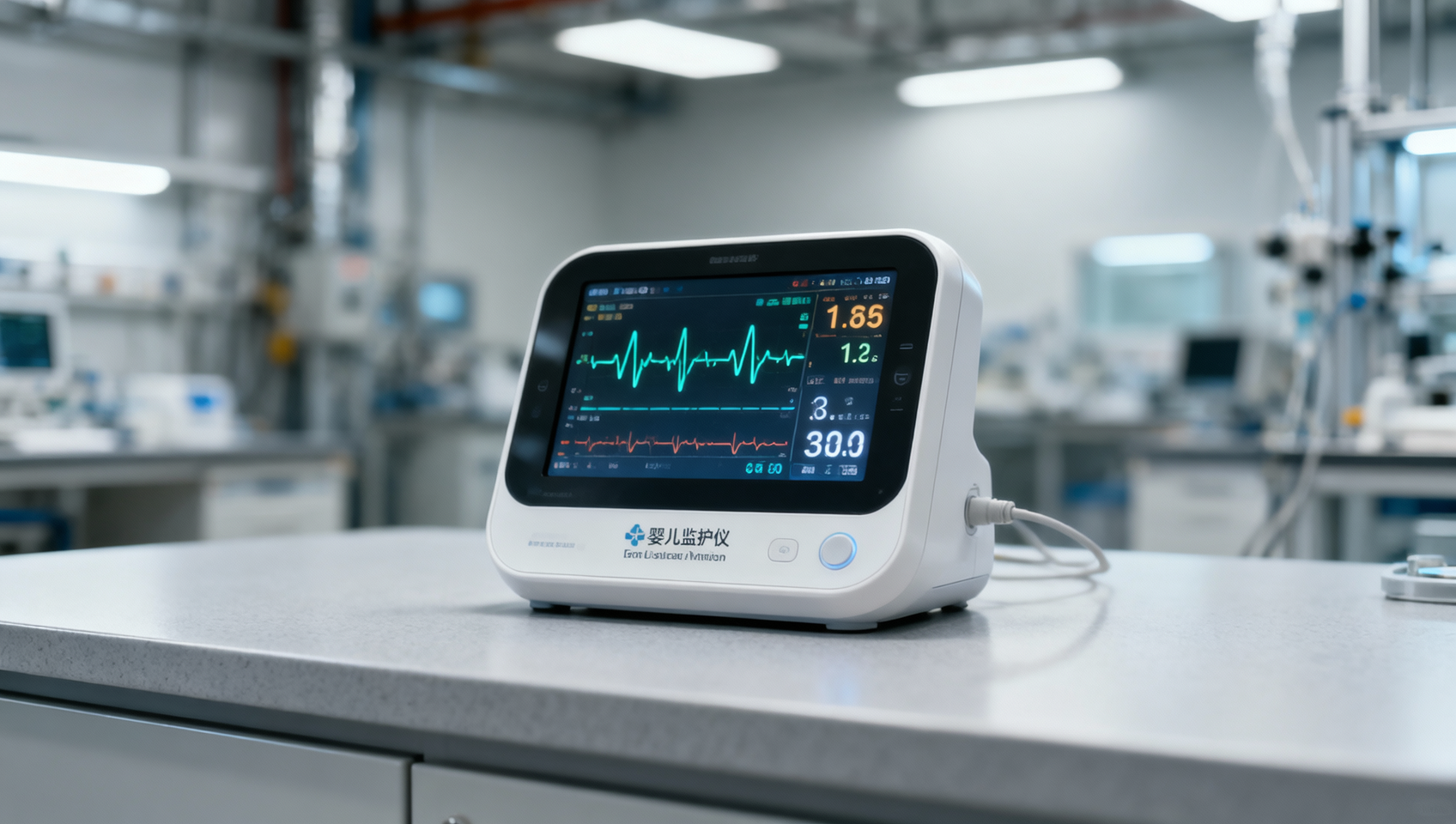
 Nursery Furniture & MonitorsApr 29, 2026Vietnam MOIT Eases Infant Monitor Registration, Requires NMPA Class II FilingVietnam MOIT eases infant monitor registration: NMPA Class II filing now accepted—skip local testing, cut time-to-market. Key for China-Vietnam medtech exporters.
 Camping & WaterApr 29, 2026SASO Mandates IP6X + Salt Spray for Camping Power & Inflators in Saudi ArabiaSASO mandates IP6X + salt spray for camping power stations & inflators in Saudi Arabia—act now to avoid shipment delays and customs rejection.
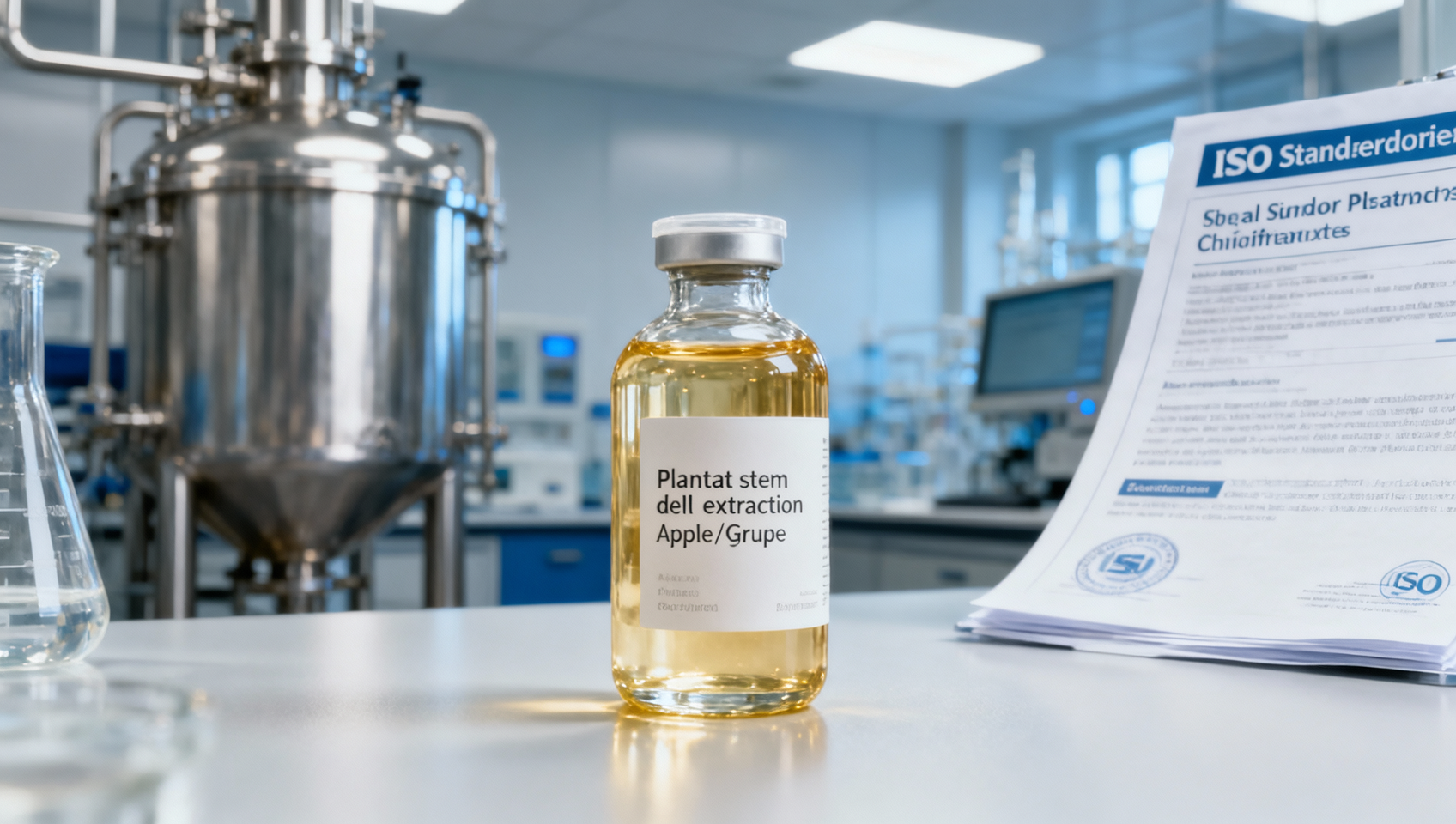
") Skincare OEMApr 29, 2026FDA Adds Plant Stem Cell Extract Code to CPIS (Apr 2026)FDA adds 'Plant Stem Cell Extract' code to CPIS—urgent compliance action needed for skincare OEMs, suppliers & importers before July 1, 2026.
Skincare OEMApr 29, 2026FDA Adds Plant Stem Cell Extract Code to CPIS (Apr 2026)FDA adds 'Plant Stem Cell Extract' code to CPIS—urgent compliance action needed for skincare OEMs, suppliers & importers before July 1, 2026. Electronic & RC ToysApr 28, 2026ICTA 2026 Q2 RC Toy Sourcing Report: Shift to Guangdong ClusterICTA 2026 Q2 RC Toy Sourcing Report reveals 68% of global electronic RC toy orders shifting to Guangdong’s Shenzhen–Dongguan–Zhongshan cluster — driven by dual-band modules, UL9990 batteries & rapid prototyping. Act now.
 Skincare OEMApr 28, 2026FDA Adds Plant Stem Cell Extract Code to CPIS SystemFDA adds COS-PLS-2026 code for plant stem cell extract in CPIS — vital for skincare OEMs, suppliers & U.S. importers. Act now to ensure compliance by July 1, 2026.
 Nursery Furniture & MonitorsApr 28, 2026Vietnam Exempts Infant Monitors from Local Type TestingVietnam exempts infant monitors from local type testing—leverage your NMPA Class II filing to fast-track Vietnam market entry starting June 1, 2026.