IPL Hair Removal Device OEM: Questions to Ask Before You Approve a Sample
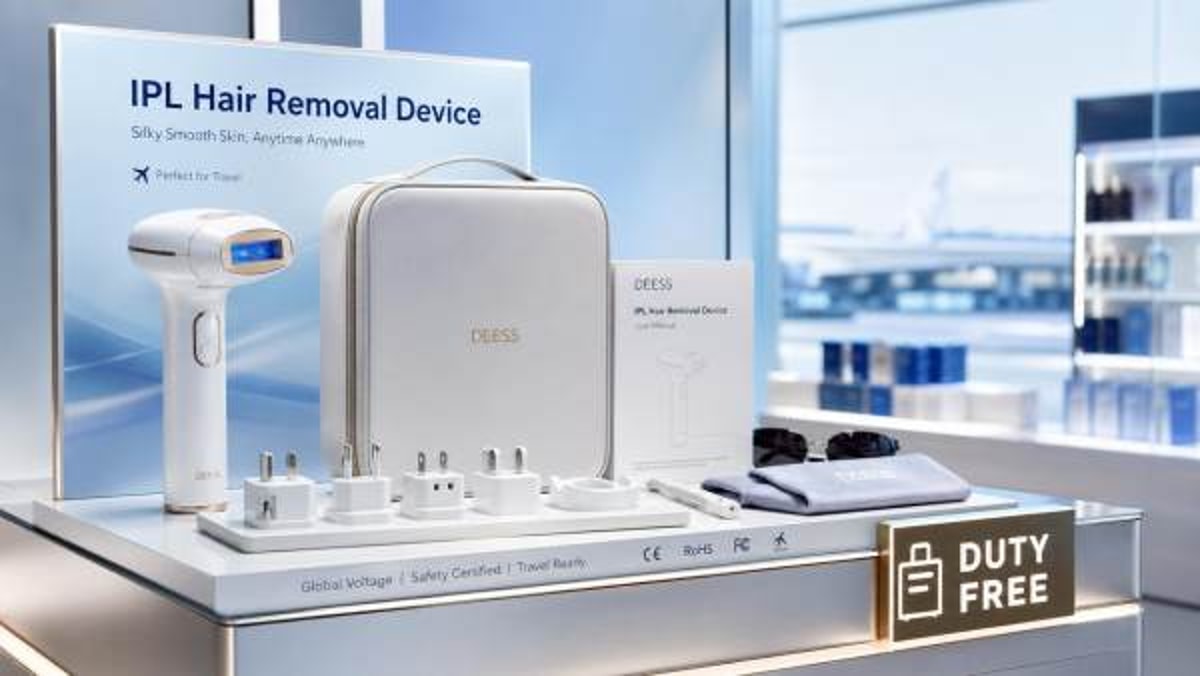
Choosing an IPL hair removal device OEM is not just about price or appearance—it is about compliance, performance, and long-term supply reliability. Before you approve a sample, procurement teams need to verify certifications, testing data, customization capability, and production consistency. Asking the right questions early can reduce sourcing risk, protect your brand, and improve retail market readiness.
Why procurement teams in travel retail should question every IPL hair removal device OEM sample
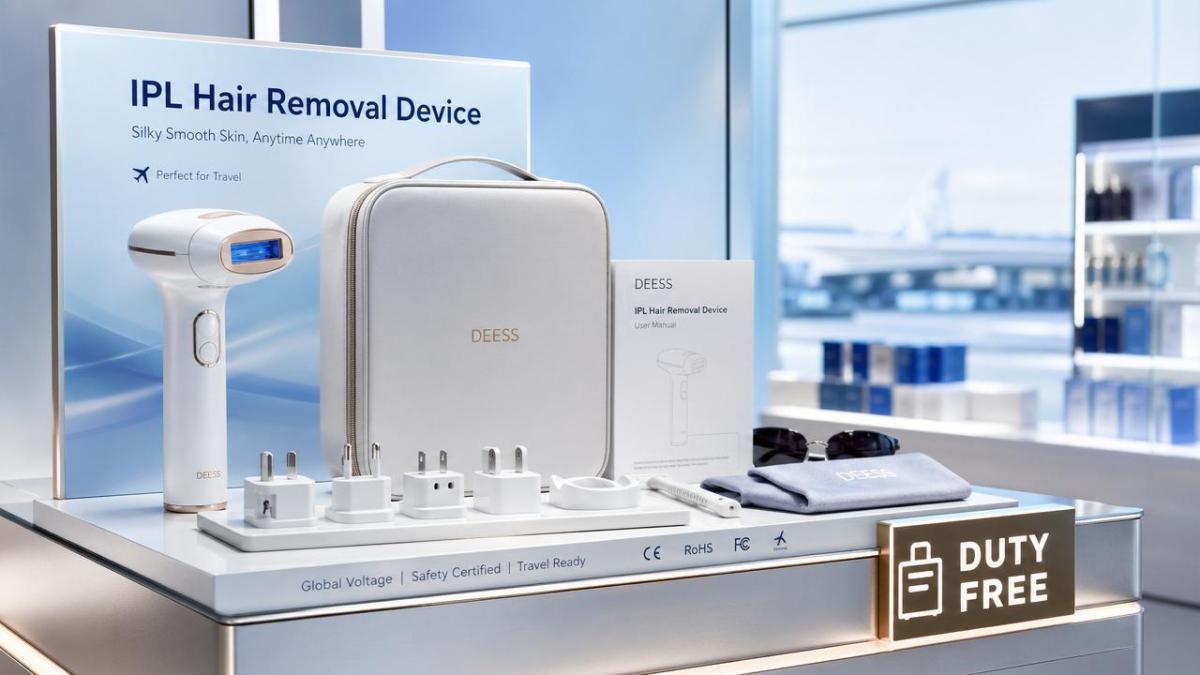
For procurement professionals in travel service channels, the buying context is different from general retail. Products may be sold through airport stores, hotel boutiques, resort wellness corners, cruise retail programs, duty-free networks, or travel-focused e-commerce offers. In these environments, an ipl hair removal device oem sample must be reviewed not only for consumer appeal, but also for portability, multilingual packaging, return-risk control, and cross-border compliance.
A sample that looks polished in a meeting can still fail in real-world travel retail if the flash count is unstable, the accessories are incomplete, the user manual is unclear, or the certification trail is weak. This is where Global Consumer Sourcing supports buyers. Instead of relying on surface-level claims, GCS helps procurement teams compare supplier readiness, documentation quality, customization feasibility, and category-specific sourcing risks across beauty and personal care supply chains.
Before sample approval, buyers should evaluate the device through a travel retail lens:
- Will the product fit premium but compact merchandising spaces in hotels, lounges, and duty-free counters?
- Can the OEM support destination-specific compliance, labeling, plug types, and language requirements?
- Is the sample representative of mass production, or is it a hand-tuned prototype that hides manufacturing inconsistency?
- Does the device feel suitable for travelers who expect convenience, safety, and premium presentation in one purchase?
What should you verify first when reviewing an IPL hair removal device OEM?
Most sample reviews should begin with a simple question: is this OEM operationally credible? Buyers often start with aesthetics, yet the safer sequence is factory capability, compliance evidence, engineering consistency, and only then packaging and branding. An ipl hair removal device oem partner should be able to explain how the sample was built, how performance is measured, and what changes occur when volume production starts.
The table below gives procurement teams a practical first-pass review structure for travel retail sourcing.
This framework helps separate a presentation-ready supplier from a production-ready OEM. GCS frequently advises buyers to request evidence in document form, not just verbal confirmation, because procurement risk usually appears after the sample stage, not during it.
Which technical questions matter most before sample approval?
When assessing an ipl hair removal device oem, technical review should focus on measurable performance rather than marketing language. Procurement teams do not need to act as engineers, but they do need enough technical understanding to challenge vague claims. The goal is to confirm whether the sample is reliable, safe, and suitable for the intended retail positioning.
Core device performance checks
- Energy output range: Ask how the fluence is measured and whether output remains stable across repeated use cycles.
- Flash count life: Confirm rated cartridge or lamp life and whether the count is tested under standard operating conditions.
- Skin contact and safety logic: Verify how the device prevents accidental flashing and whether sensors perform consistently.
- Cooling and comfort design: For premium travel audiences, user comfort can influence review scores and repeat purchase intent.
- Power compatibility: Ask about voltage range, adapter specifications, and destination plug options for cross-border selling.
Questions that expose hidden risk
- Was the sample pulled from normal production, or specially assembled by the engineering team?
- What incoming quality checks are used for lamps, filters, plastic housing, and adapters?
- What is the defect classification standard for cosmetic flaws, functional faults, and packaging variance?
- Can the OEM provide aging test or reliability test summaries before final approval?
These questions are especially important in travel service channels, where customers may buy quickly, expect premium quality, and have limited patience for complicated returns. A device with unclear technical consistency can become costly even if the unit price looks attractive.
How should buyers compare OEM capability, compliance, and customization?
A procurement decision is rarely based on technical output alone. Travel retail programs often require fast seasonal launches, gift-ready packaging, multilingual inserts, and region-specific electrical or labeling adjustments. The table below can help buyers compare an ipl hair removal device oem across practical sourcing dimensions.
For procurement teams, the stronger OEM is not always the cheapest. The stronger partner is the one that can protect launch timing, brand presentation, and cross-border readiness. GCS helps buyers interpret these signals early, reducing the risk of approving a sample that cannot scale into a dependable program.
What certifications and compliance documents should an IPL hair removal device OEM discuss clearly?
Compliance is often where sample approval turns into delay. A travel retail buyer may face different market requirements depending on sales geography, fulfillment route, and retail partner expectations. That means an ipl hair removal device oem should clearly state what documents are available, which are product-specific, and which still need updating for your target market.
Documents buyers should request early
- Applicable safety and electrical compliance documents for the destination market.
- Test reports tied to the actual model or platform, not an unrelated device family.
- Packaging material declarations if your retail partner has sustainability or restricted substance rules.
- User manual drafts showing warnings, contraindications, and usage instructions in required languages.
- Label artwork details for voltage, origin marking, SKU coding, and disposal marks where relevant.
Buyers should also confirm whether any accessory changes could affect compliance status. A plug, adapter, or packaging redesign may appear minor, yet it can alter testing scope or documentation requirements. GCS frequently highlights this issue because many procurement delays come from late-stage changes rather than from the base device itself.
How can travel service buyers judge cost without choosing the wrong OEM?
Price matters, but landed risk matters more. In travel service retail, a low-cost sample can generate hidden costs through repacking, delayed documentation, high return rates, or retail partner complaints. Procurement teams should evaluate total sourcing cost across the product life cycle, not just ex-factory quotation.
Common hidden cost drivers
- Rework expenses caused by labeling errors or missing language content.
- Extra sampling rounds because the first version was not built to final specification.
- Chargebacks or listing delays when retailer compliance documents are incomplete.
- Customer service burden if the device is hard to use or lacks clear safety guidance.
A disciplined buyer will compare at least three cost layers: unit cost, launch-readiness cost, and after-sales risk cost. This is especially useful when selecting an ipl hair removal device oem for hotel retail programs, premium travel gifting, or cross-border tourist-facing channels where presentation and compliance are closely monitored.
What mistakes do buyers make when approving an IPL hair removal device OEM sample?
Even experienced procurement teams can approve the wrong sample if the review process is too narrow. The most common mistake is treating the sample as a final product, instead of as evidence of manufacturing capability. A good-looking unit does not prove stable mass production, strong quality control, or reliable document management.
Frequent approval mistakes
- Approving based mainly on exterior design while ignoring safety files and test traceability.
- Assuming the sample includes final packaging, final accessories, and final firmware without written confirmation.
- Failing to define acceptable quality limits for cosmetic finish, flash stability, and packaging defects.
- Not checking whether the OEM can support low-volume pilot runs for travel channel testing.
A more reliable approach is to create a written sample approval checklist that includes engineering, quality, compliance, merchandising, and after-sales inputs. GCS can support this process by helping buyers benchmark suppliers, clarify sourcing questions, and prioritize decision points that influence category success.
FAQ: practical sourcing questions about IPL hair removal device OEM decisions
How many samples should a buyer review before confirming an OEM?
In many cases, one visual sample is not enough. Buyers should ideally review an appearance sample, a functional validation sample, and a pre-production sample if customization is substantial. This is particularly useful in travel service retail, where packaging, language, and portability details affect sell-through.
What lead time questions should be asked before sample approval?
Ask separately about sample lead time, packaging confirmation time, compliance document preparation time, pilot order production time, and repeat order capacity. Buyers often receive one broad lead time promise, but travel retail programs usually need a more detailed schedule tied to launch windows.
Is a lower MOQ always better for travel retail procurement?
Not always. A low MOQ can support channel testing, but it may come with limited customization, weaker packaging options, or higher unit cost. Procurement teams should balance MOQ flexibility against the need for a market-ready product that fits premium traveler expectations.
What is the best way to assess whether an IPL hair removal device OEM is suitable for private label?
Review how the OEM handles logo application, color customization, manuals, packaging inserts, accessory selection, and compliance adaptation after changes. A true private-label partner can explain the workflow, approval points, and commercial impact of each adjustment.
Why work with us when evaluating an IPL hair removal device OEM?
Global Consumer Sourcing helps procurement teams move beyond generic supplier lists. We focus on the commercial realities behind beauty and personal care sourcing: compliance readiness, manufacturing transparency, private-label practicality, and the supply chain decisions that influence launch success. For buyers serving travel service channels, this matters because the retail environment is fast-moving, international, and sensitive to product quality signals.
If you are reviewing an ipl hair removal device oem, you can consult us on specific sourcing tasks such as:
- Parameter confirmation for feature comparison and sample evaluation.
- Product selection guidance for hotel retail, airport channels, cruise programs, or destination-focused e-commerce.
- Lead time and delivery planning for pilot orders and seasonal launch schedules.
- Private-label and customization review covering packaging, manuals, accessory sets, and destination-specific requirements.
- Certification and documentation checks before you commit to production.
- Sample support and quotation discussion to reduce early-stage sourcing uncertainty.
If your team wants a more disciplined way to compare suppliers, validate samples, and prepare a travel-ready private-label launch, contact us with your target market, expected order volume, compliance needs, and merchandising scenario. We can help you turn a promising sample into a sourcing decision with fewer surprises.
Related Intelligence
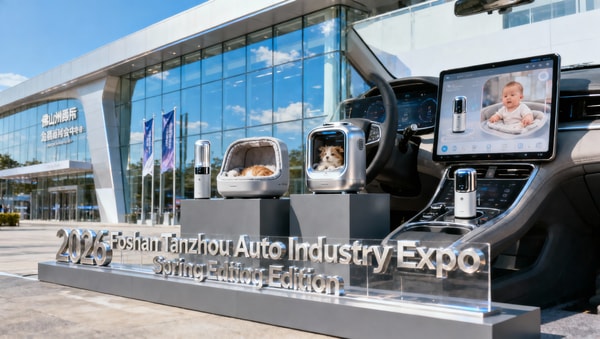
 Beauty DevicesMay 01, 20262026 Foshan Tanzhou Auto Industry Expo Spring Edition2026 Foshan Tanzhou Auto Industry Expo Spring Edition features the debut 'Beauty Devices & Smart Cabin' zone—driving cross-industry innovation and global sourcing opportunities.
 Electronic & RC ToysMay 01, 2026RC Toy Orders Shift to South China, Lead Time Cuts to 6 WeeksRC toy orders shift to South China with 6-week lead times—key for importers, OEMs & logistics firms. Discover ICTA-QMS certified factories in Shenzhen/Dongguan now driving speed and reliability.
 STEM & Educational ToysMay 01, 2026CPSC Tightens Battery Compartment Standards for STEM ToysCPSC Tightens Battery Compartment Standards for STEM Toys: New 30 N bite-force test mandatory for U.S. market access starting July 1, 2026—act now to avoid shipment delays.
 Infant Feeding & CareMay 01, 2026RCEP ASEAN Adds Fast Track for Infant Feeding ProductsRCEP ASEAN fast tracks infant feeding products—baby bottles, breast pumps & warmers—with NMPA Class II filing. Save 11 days on customs clearance in ASEAN markets.
 Smart Pet DevicesMay 01, 2026Japan METI Expands Smart Pet Device PSE White List: Chinese Self-Cleaning Litter Boxes Gain Priority ReviewJapan METI expands PSE white list for smart pet devices—Chinese self-cleaning litter boxes now qualify for priority PSE review, cutting certification to 12 days.
 Corporate & Seasonal GiftsMay 01, 2026Germany’s UBA Launches Mandatory Carbon Labeling for Corporate Gift InksGermany’s UBA mandates carbon labeling for corporate gift inks—key for exporters, ODMs & ink suppliers. Act now to comply by July 2026.
 Fitness EquipmentMay 01, 2026THE Alliance Cuts Shanghai–LA Capacity: Fitness Equipment Shipment Delays to 8–10 WeeksFitness equipment shipment delays hit 8–10 weeks as THE Alliance cuts Shanghai–LA capacity by 32%. Act now to secure slots, revise ETAs & optimize FOB planning.
 Camping & WaterMay 01, 2026Vietnam Suspends Camping & Water Import Licenses Effective Apr 30, 2026Vietnam suspends Camping & Water import licenses from Apr 30, 2026—IP6X + ASTM B117 testing now mandatory. Act now to avoid shipment delays!
 Cosmetics & PkgMay 01, 2026SASO Updates Cosmetics Packaging Rules for Plant Extracts in Saudi ArabiaSASO cosmetics packaging rules updated: Plant extract cosmetics now require EN 13130 migration & ISO 11341 photostability testing—mandatory for Saudi market access after Aug 1, 2026.
") Skincare OEMMay 01, 2026FDA Adds New Code for Plant Stem Cell Extracts (PCSC-2026)FDA's new PCSC-2026 code for plant stem cell extracts reshapes U.S. cosmetic compliance—key for OEMs, exporters & suppliers. Act now!
Skincare OEMMay 01, 2026FDA Adds New Code for Plant Stem Cell Extracts (PCSC-2026)FDA's new PCSC-2026 code for plant stem cell extracts reshapes U.S. cosmetic compliance—key for OEMs, exporters & suppliers. Act now! Cosmetics & PkgMay 01, 2026Vegan Makeup Wholesale in 2026: What Brands Are Prioritizing NowVegan makeup wholesale in 2026 is driven by compliance, transparency, and private-label agility. See what brands prioritize now and how buyers choose smarter suppliers.
 Skincare OEMMay 01, 2026Organic Face Serum OEM: What Makes Certification and Claims More Complex Than They LookOrganic face serum OEM is more complex than it seems. Explore certification, claims, traceability, and cross-border compliance risks to choose credible partners and launch with confidence.
 Skincare OEMMay 01, 2026Anti Aging Cream Wholesale: How to Judge Formula Value Without Chasing TrendsAnti aging cream wholesale buyers: learn how to judge real formula value through stability, compliance, ingredient logic, and travel-ready performance for smarter sourcing.