Radio Frequency Beauty Machine: Key Differences Between Entry and Professional Models
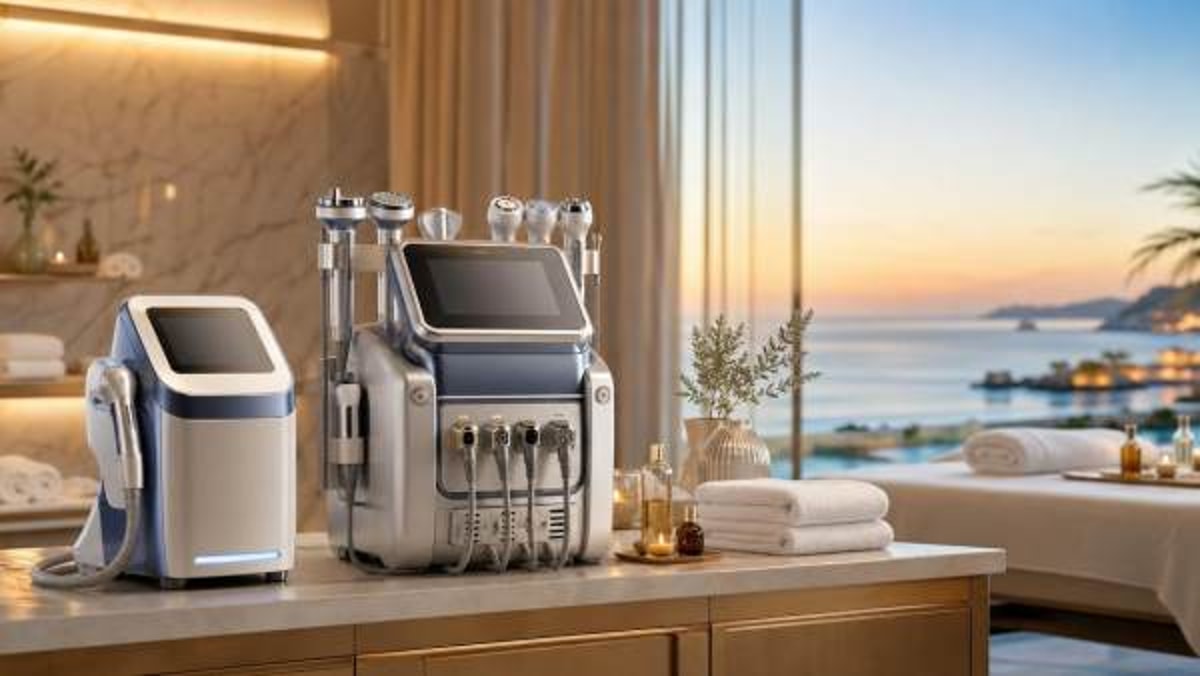
Choosing the right radio frequency beauty machine requires more than comparing prices or features. For technical evaluators, the real distinction between entry-level and professional models lies in energy stability, treatment depth, safety controls, component quality, and long-term performance. This article breaks down the core differences to help sourcing and product assessment teams make informed decisions with greater confidence.
Why a checklist-based review is the fastest way to assess a radio frequency beauty machine
For technical assessment teams in travel service supply planning, hotel wellness procurement, spa concept development, and cross-border sourcing, a checklist is more useful than a feature brochure. A supplier may highlight sleek design, multiple handles, or app connectivity, but these selling points do not tell you whether the radio frequency beauty machine can deliver consistent treatment output, survive commercial workloads, or meet compliance expectations in guest-facing environments.
In hospitality and travel-related wellness operations, device reliability directly affects service quality, training efficiency, maintenance cost, and brand reputation. Entry models can be appropriate for pilot treatments, compact beauty corners, or low-frequency use. Professional models are usually built for destination spas, hotel wellness centers, cruise service rooms, medical-aesthetic partnerships, or intensive retail treatment programs. The challenge is not deciding which one is “better” in general, but which one meets the real use case with acceptable risk.
The most practical way to compare an entry and professional radio frequency beauty machine is to review five areas first: output performance, treatment structure, safety architecture, hardware durability, and supplier support. Once these are clear, price becomes easier to interpret.
First-pass checklist: what to confirm before comparing model tiers
- Confirm the intended setting: retail counter, boutique spa, hotel wellness room, resort spa, or high-volume treatment center.
- Define treatment frequency per day and expected duty cycle rather than relying on peak-power claims.
- Check whether the radio frequency beauty machine is monopolar, bipolar, multipolar, or hybrid, and whether that matches the service menu.
- Request measured energy stability data, not only rated wattage or frequency ranges.
- Verify cooling, temperature feedback, and skin-contact monitoring functions.
- Ask for component origin details for handpieces, capacitors, power modules, and screens.
- Check certifications relevant to your market and operating environment, especially CE, EMC, electrical safety, and any local registration needs.
- Review training, spare parts availability, software update policy, and after-sales response time.
These checks help technical evaluators avoid a common sourcing mistake: treating all radio frequency beauty machine platforms as equivalent if they use similar marketing language.
Core difference #1: energy stability matters more than headline power
The first major separator between entry and professional models is output consistency. Entry-level units often advertise attractive power figures, yet their actual energy delivery may fluctuate during longer sessions or across different skin impedance conditions. Professional equipment is more likely to maintain stable output through better power management boards, calibration logic, and real-time feedback systems.
For a travel wellness operator or sourcing team building premium treatment packages, this difference has direct commercial impact. Stable energy means more predictable treatment feel, better repeatability between operators, and lower risk of uneven guest experience. In contrast, unstable output can lead to inconsistent warmth, variable treatment times, and more operator compensation during service.
Technical evaluators should ask suppliers for test evidence under continuous-use conditions. If possible, request data showing output drift over a full treatment cycle. A professional radio frequency beauty machine should perform consistently not only in a short demonstration, but during repeated sessions throughout the day.
Core difference #2: treatment depth and electrode design are not the same across tiers
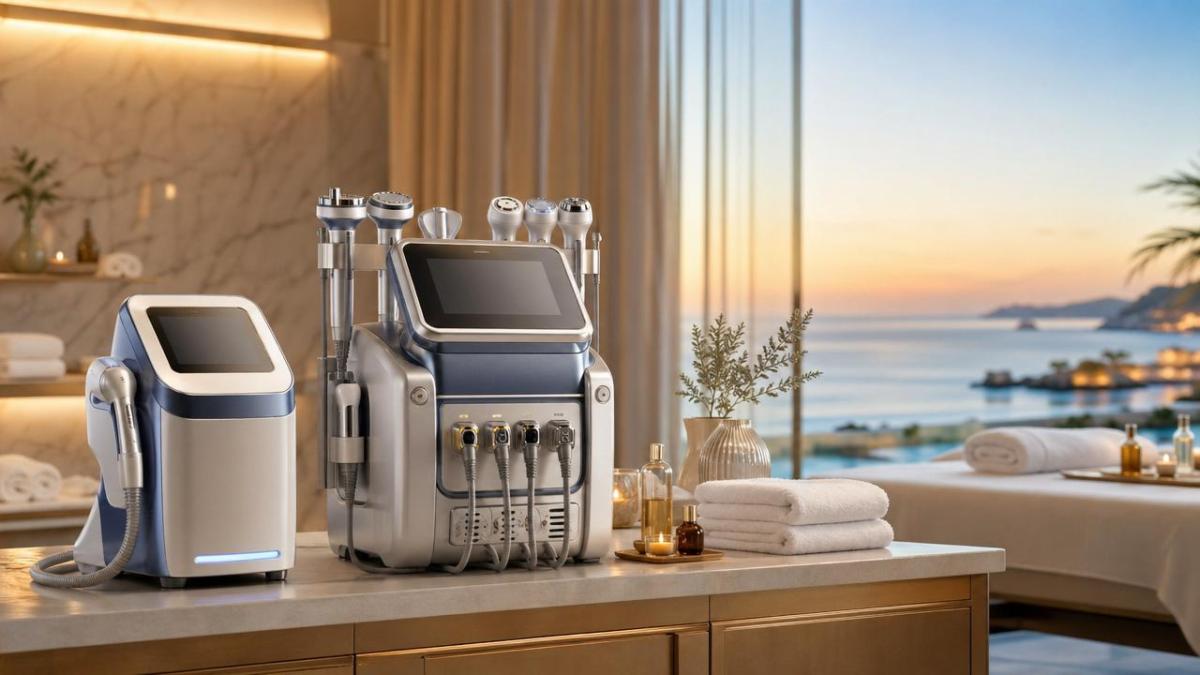
Another important difference lies in how energy is delivered into tissue. Entry models usually focus on basic facial care and light skin-warming effects. Professional models typically offer more refined electrode engineering, multiple operating modes, and application-specific handpieces for face, eye area, jawline, neck, or body.
This is especially important for hospitality businesses expanding into wellness tourism. A resort spa may need broader treatment versatility to support anti-aging facials, contouring programs, and body-focused services under one equipment platform. In such cases, a professional radio frequency beauty machine often provides more useful clinical flexibility than an entry unit that delivers only superficial or limited-area performance.
When comparing models, assess the following:
- Number and purpose of handpieces
- Electrode material and wear resistance
- Energy concentration and coverage area
- Suitability for short hotel facial sessions versus longer spa protocols
- Ease of switching settings between treatment types
Core difference #3: safety controls separate basic usability from commercial readiness
A radio frequency beauty machine used in a professional setting must do more than generate heat. It must manage heat safely, repeatably, and with enough control to reduce operator error. Entry-level models may include basic timers and fixed presets, but professional systems often integrate temperature sensors, contact detection, automatic cut-off logic, and more precise adjustment steps.
For travel service businesses, where staff turnover and multilingual training challenges are common, these protections are highly valuable. Better safety architecture reduces the dependence on highly intuitive manual operation and supports more standardized guest treatment delivery across teams and locations.
A strong assessment should include safety review questions such as:
- Does the device monitor real-time skin temperature or only estimate it?
- Is there a lockout if the handpiece loses proper contact?
- How fine are the output adjustment increments?
- Can treatment records or error logs be reviewed?
- Are emergency stop and overheat protections physically tested during factory inspection?
Core difference #4: component quality decides lifespan, downtime, and total cost
The external shell of an entry and professional radio frequency beauty machine can look surprisingly similar. The internal bill of materials usually tells a different story. Professional models are more likely to use higher-grade connectors, stronger cooling systems, more durable treatment heads, and control boards designed for longer operation cycles. Entry models may still perform acceptably, but often under lighter workloads and shorter service schedules.
This issue matters greatly in destination spas, airport lounges, hotel wellness rooms, and cruise hospitality environments where maintenance interruptions affect both revenue and guest satisfaction. A lower purchase cost can quickly be offset by handle replacement, calibration drift, shipment delays for spare parts, or frequent service downtime.
Technical buyers should request a component-level discussion instead of accepting generic durability claims. Ask about fan life, treatment head replacement cycles, screen quality, cable stress protection, and the manufacturer’s recommended preventive maintenance interval.
Practical comparison table for entry and professional models
Use the table below as a fast reference when screening a radio frequency beauty machine for hospitality or wellness service deployment.
Scenario-based guidance: which model tier fits which travel service use case
Not every buyer needs the highest-tier platform. The right decision depends on usage intensity and service positioning.
For boutique hotels and trial wellness programs
An entry radio frequency beauty machine may be enough if treatments are short, appointment volumes are limited, and the service menu focuses on basic facial rejuvenation. In this situation, prioritize ease of use, quick operator training, and simple maintenance.
For resort spas and premium guest packages
A professional radio frequency beauty machine is usually the safer long-term choice. These environments depend on treatment consistency, broader protocol options, and brand-quality delivery. Reliability supports guest retention and positive service reviews.
For cruise, wellness tourism, and multi-site operators
Professional systems are strongly preferred because training standardization, maintenance predictability, and replacement logistics become more complex across mobile or distributed operations. Remote diagnostics and spare part planning add meaningful value.
Commonly overlooked risks when evaluating a radio frequency beauty machine
- Confusing peak power with usable treatment performance
- Ignoring handpiece replacement cost over the first 12 to 24 months
- Assuming all CE markings represent the same level of documentation quality
- Failing to test the interface for multilingual staff usability
- Not reviewing packaging robustness for international shipping and destination delivery
- Overlooking whether the supplier can support OEM labeling, training assets, and post-installation troubleshooting
These details are easy to miss during a short factory call, yet they often determine whether the radio frequency beauty machine performs well after deployment.
Execution advice: what technical evaluators should request from suppliers
If your team is moving from initial screening to procurement review, prepare a structured information request. Ask for: product specifications, component list, certifications, testing videos under continuous operation, operator manual, maintenance schedule, consumable or spare part list, warranty terms, and references from commercial wellness or hospitality clients. If the radio frequency beauty machine is intended for branded guest experiences, also request customization options and training support materials.
A sample evaluation process can include supplier document review, remote demonstration, use-case mapping, risk scoring, and small-batch validation. This helps sourcing teams compare not only machine functions, but readiness for actual business deployment.
Final decision guide and next-step questions
The key differences between an entry and professional radio frequency beauty machine are rarely cosmetic. They appear in output stability, treatment control, safety systems, internal components, and long-term service reliability. For technical evaluators in travel service and hospitality wellness channels, the right choice should be based on treatment volume, guest experience expectations, operator skill level, and maintenance tolerance rather than upfront price alone.
Before moving forward, it is best to clarify five questions with potential suppliers: What is the expected daily workload? Which treatment protocols are truly supported? What safety and compliance evidence is available? How are spare parts and service handled internationally? And what is the realistic total cost across purchase, training, maintenance, and replacement cycles? With those answers in hand, your team can select a radio frequency beauty machine that fits both operational goals and long-term brand standards.
Related Intelligence
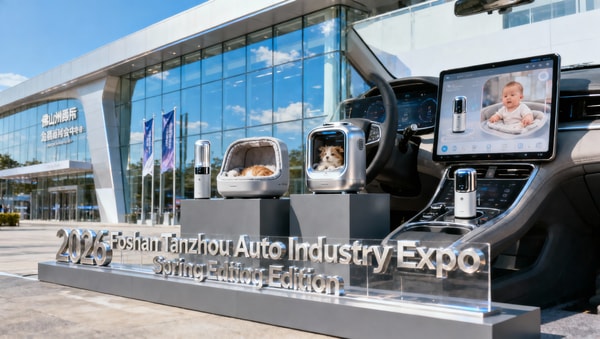
 Beauty DevicesMay 01, 20262026 Foshan Tanzhou Auto Industry Expo Spring Edition2026 Foshan Tanzhou Auto Industry Expo Spring Edition features the debut 'Beauty Devices & Smart Cabin' zone—driving cross-industry innovation and global sourcing opportunities.
 Electronic & RC ToysMay 01, 2026RC Toy Orders Shift to South China, Lead Time Cuts to 6 WeeksRC toy orders shift to South China with 6-week lead times—key for importers, OEMs & logistics firms. Discover ICTA-QMS certified factories in Shenzhen/Dongguan now driving speed and reliability.
 STEM & Educational ToysMay 01, 2026CPSC Tightens Battery Compartment Standards for STEM ToysCPSC Tightens Battery Compartment Standards for STEM Toys: New 30 N bite-force test mandatory for U.S. market access starting July 1, 2026—act now to avoid shipment delays.
 Infant Feeding & CareMay 01, 2026RCEP ASEAN Adds Fast Track for Infant Feeding ProductsRCEP ASEAN fast tracks infant feeding products—baby bottles, breast pumps & warmers—with NMPA Class II filing. Save 11 days on customs clearance in ASEAN markets.
 Smart Pet DevicesMay 01, 2026Japan METI Expands Smart Pet Device PSE White List: Chinese Self-Cleaning Litter Boxes Gain Priority ReviewJapan METI expands PSE white list for smart pet devices—Chinese self-cleaning litter boxes now qualify for priority PSE review, cutting certification to 12 days.
 Corporate & Seasonal GiftsMay 01, 2026Germany’s UBA Launches Mandatory Carbon Labeling for Corporate Gift InksGermany’s UBA mandates carbon labeling for corporate gift inks—key for exporters, ODMs & ink suppliers. Act now to comply by July 2026.
 Fitness EquipmentMay 01, 2026THE Alliance Cuts Shanghai–LA Capacity: Fitness Equipment Shipment Delays to 8–10 WeeksFitness equipment shipment delays hit 8–10 weeks as THE Alliance cuts Shanghai–LA capacity by 32%. Act now to secure slots, revise ETAs & optimize FOB planning.
 Camping & WaterMay 01, 2026Vietnam Suspends Camping & Water Import Licenses Effective Apr 30, 2026Vietnam suspends Camping & Water import licenses from Apr 30, 2026—IP6X + ASTM B117 testing now mandatory. Act now to avoid shipment delays!
 Cosmetics & PkgMay 01, 2026SASO Updates Cosmetics Packaging Rules for Plant Extracts in Saudi ArabiaSASO cosmetics packaging rules updated: Plant extract cosmetics now require EN 13130 migration & ISO 11341 photostability testing—mandatory for Saudi market access after Aug 1, 2026.
") Skincare OEMMay 01, 2026FDA Adds New Code for Plant Stem Cell Extracts (PCSC-2026)FDA's new PCSC-2026 code for plant stem cell extracts reshapes U.S. cosmetic compliance—key for OEMs, exporters & suppliers. Act now!
Skincare OEMMay 01, 2026FDA Adds New Code for Plant Stem Cell Extracts (PCSC-2026)FDA's new PCSC-2026 code for plant stem cell extracts reshapes U.S. cosmetic compliance—key for OEMs, exporters & suppliers. Act now! Cosmetics & PkgMay 01, 2026Vegan Makeup Wholesale in 2026: What Brands Are Prioritizing NowVegan makeup wholesale in 2026 is driven by compliance, transparency, and private-label agility. See what brands prioritize now and how buyers choose smarter suppliers.
 Skincare OEMMay 01, 2026Organic Face Serum OEM: What Makes Certification and Claims More Complex Than They LookOrganic face serum OEM is more complex than it seems. Explore certification, claims, traceability, and cross-border compliance risks to choose credible partners and launch with confidence.
 Skincare OEMMay 01, 2026Anti Aging Cream Wholesale: How to Judge Formula Value Without Chasing TrendsAnti aging cream wholesale buyers: learn how to judge real formula value through stability, compliance, ingredient logic, and travel-ready performance for smarter sourcing.