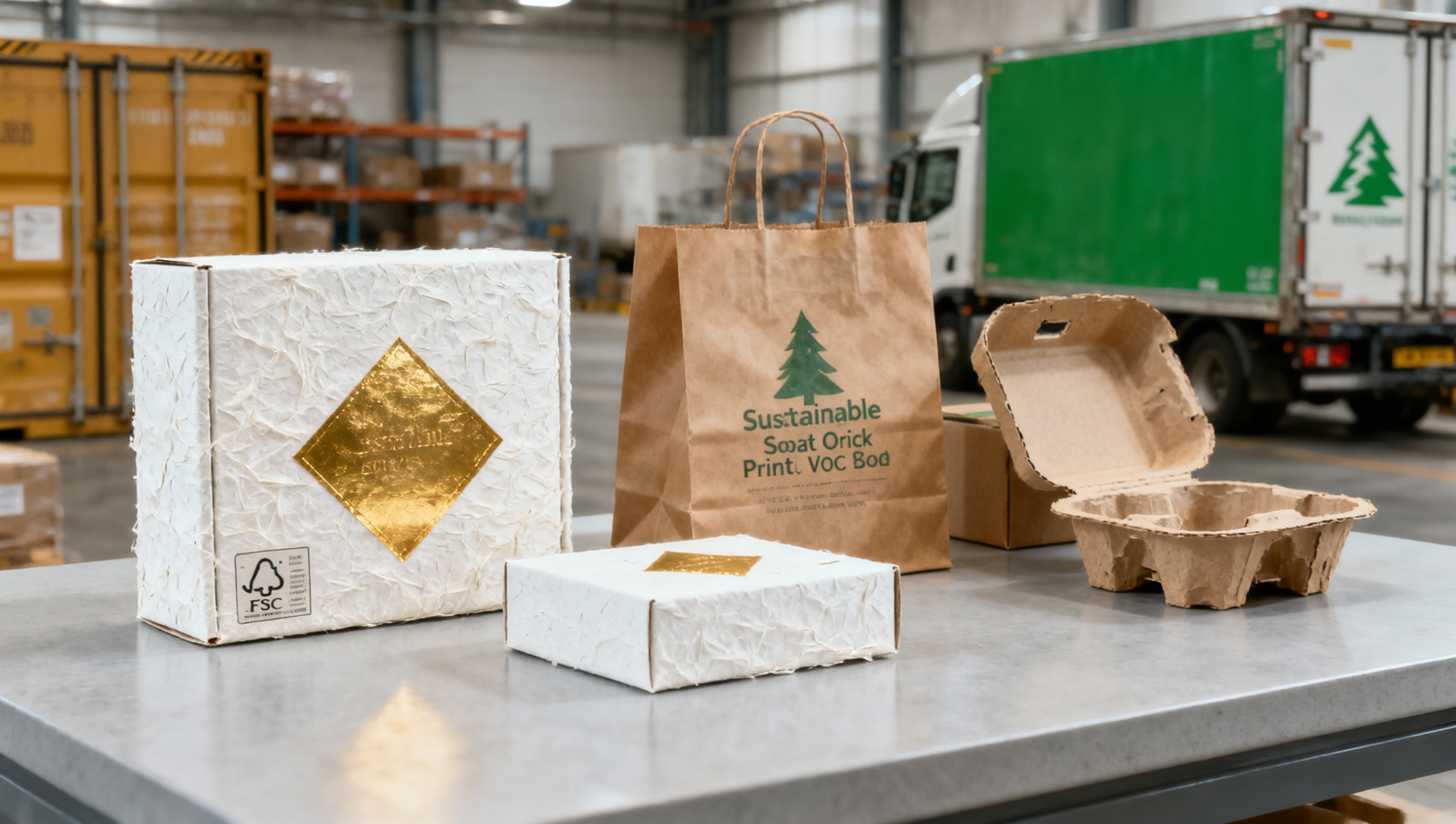
Gift suppliers with low quotes may cost more after packing

Low quotes from gift suppliers often win attention in the early sourcing stage, but many buyers discover later that the cheapest offer is not the lowest total cost. Once packing, labeling, testing, carton optimization, compliance documents, and freight details are added, the apparent price advantage can disappear quickly. For sourcing teams in travel retail and broader consumer goods categories, the right decision is rarely about unit price alone. It is about total landed cost, execution reliability, brand risk, and whether the supplier can support custom manufacturing or private label manufacturing without creating hidden cost layers.
That is why experienced procurement teams look beyond the first quotation. They compare how suppliers handle packaging specifications, MOQ flexibility, quality consistency, retail-readiness, and shipping efficiency before approving a vendor. In categories such as gifts, toys, baby products, sports accessories, beauty items, and outdoor equipment, small packing decisions can have a major impact on margin, compliance, and on-time delivery.
Why low-price gift suppliers often become expensive after packing

The most common sourcing mistake is treating packing as a minor add-on. In reality, packaging is often one of the biggest hidden cost drivers in gift sourcing. A supplier may offer an attractive ex-factory product price but recover margin through box upgrades, inserts, polybags, barcode work, warning labels, master carton changes, and labor-intensive assembly.
For B2B buyers, this matters because retail packaging is not just decoration. It affects freight efficiency, shelf presentation, damage rates, compliance, and customer experience. A quote that looks 8% lower at the product level can become 5% to 12% higher overall after the full packing program is included.
Typical hidden packing cost areas include:
- Custom gift box design and tooling
- Color printing changes and finish upgrades
- Barcode, FNSKU, QR code, and retail label application
- Language-specific instruction sheets
- Protective inserts, foam, trays, or molded pulp
- Drop-test compliant carton upgrades
- Inner carton and master carton quantity changes
- Manual kitting or bundle packing
- Compliance warnings for destination markets
- Repacking due to size, damage, or incorrect labeling
When a supplier gives a low quote without defining these items clearly, buyers should assume the initial number is incomplete rather than competitive.
What procurement teams should evaluate before comparing supplier quotes
If your role involves technical evaluation, sourcing approval, budget review, or project management, the right comparison model is not price per piece. It is quote completeness and operational fit.
Before selecting a gift supplier, assess these questions:
1. Is the quoted price based on plain packing or final retail packing?
Many suppliers quote based on bulk or simple export packing, while the buyer actually needs a finished retail-ready product. If your business requires private label manufacturing, point-of-sale presentation, or e-commerce packaging, this difference is critical.
2. Are packaging specifications frozen or only estimated?
Quotes based on “to be confirmed” packaging nearly always move upward later. Buyers should request a detailed packaging specification sheet before cost approval.
3. Does the supplier understand destination-market requirements?
For global retail programs, labeling and compliance can vary by region. This is especially relevant in baby product sourcing, beauty OEM, and gifts & toys where warnings, age grading, material declarations, and test documentation may be required.
4. Will packaging design increase shipping cost?
A visually attractive box can still be commercially inefficient if it increases dimensional weight, reduces carton utilization, or raises damage risk in transit.
5. Can the supplier manage consistency across production runs?
Low-cost suppliers sometimes struggle to keep packaging color, print quality, assembly method, or carton strength consistent. This creates downstream issues for distributors, retailers, and marketplace sellers.
Where hidden costs usually appear in custom manufacturing and private label manufacturing
In custom manufacturing projects, packaging is rarely isolated from the wider sourcing process. It interacts with product engineering, branding, compliance, and logistics. That is why gift sourcing teams should review the full cost chain, not only the item quotation.
The most common post-quotation cost increases usually come from the following areas:
Packaging development
Custom sizes, inserts, print proofs, mockups, and packaging sample revisions all add time and cost. A supplier that initially prices aggressively may charge separately for every revision cycle.
Material upgrades
Box board thickness, coating type, magnets, ribbons, windows, blister components, and molded trays can materially change cost. This is especially common in premium gift and travel retail assortments where visual appeal matters.
Compliance and testing
Products with direct skin contact, child use, batteries, or food-contact relevance may require testing or declarations. In beauty OEM, baby product sourcing, and toys, these costs can be substantial if they were not scoped from the beginning.
Manual assembly and kitting
Multi-item gift sets often require hand assembly, sorting, leaflet insertion, labeling, and final inspection. The labor cost may not appear in the original quote.
Freight inefficiency
Larger retail boxes can reduce container loading efficiency. This raises shipping cost per sellable unit, sometimes enough to eliminate all savings from the lower product price.
Quality failures and repacking
If packaging strength, print accuracy, or packing method is poor, goods may need rework before shipment or after arrival. This creates cost, delay, and internal management burden.
How to calculate the real total cost instead of chasing the lowest quote
For financial approvers and sourcing leaders, the most practical method is to compare suppliers using total landed cost and risk-adjusted cost. This gives a far more realistic basis for decision-making than ex-factory unit price alone.
A useful evaluation model should include:
- Product unit price
- Retail packaging cost
- Labeling and barcode application cost
- Testing, certification, and compliance documentation cost
- Tooling or packaging setup cost
- Sample and revision cost
- Master carton and pallet efficiency
- Freight cost by packed volume and weight
- Inspection and defect risk allowance
- Repacking or correction risk
- Delay cost and launch risk
When buyers use this structure, low-price suppliers often move from first place to third or fourth. A supplier with a slightly higher product price may still produce the best overall commercial outcome because they pack efficiently, document correctly, and ship with fewer disruptions.
How this affects travel retail, gift distribution, and branded merchandise programs
In travel service and travel retail-related sourcing, product presentation and packaging durability are even more important. Gift products sold through airports, tourism channels, destination shops, hotel groups, and branded merchandise programs must usually meet both visual and logistical requirements. They need to look premium, survive transport, and fit commercial display formats.
This creates three practical sourcing realities:
- Packing is part of the product value, not a secondary detail
- Space efficiency matters because storage and distribution costs are high
- Brand consistency matters because presentation affects perceived quality
For distributors and agents, packaging mistakes can also create channel conflict. If products arrive with inconsistent labels, weak cartons, or poor retail finish, the issue does not stay with the factory. It becomes a sell-through problem for the downstream partner.
Red flags that suggest a supplier quote is too low to trust
Not every low quote is problematic, but some patterns should trigger closer review. Buyers should investigate carefully when they see the following warning signs:
- The quote does not clearly define packaging configuration
- Labeling, inserts, or barcode application are missing
- Testing responsibility is not stated
- Carton dimensions are unavailable or estimated
- Freight assumptions are absent from the discussion
- Sample quality is better than proposed bulk standards
- MOQ is unrealistically low for custom packaging
- Revision charges appear only after artwork approval
- The supplier resists detailed specification confirmation
These issues do not always mean the supplier is unreliable, but they do mean the quote cannot yet support a sound procurement decision.
What smart buyers should ask suppliers before approval
To reduce hidden costs and protect margin, buyers should ask for clear written answers before issuing purchase orders. The most effective questions include:
- What exactly is included in the quoted packaging cost?
- Is the quote based on export packing, retail packing, or final shelf-ready packing?
- What packaging materials and specifications have been assumed?
- Are labeling, warnings, barcodes, and inserts included?
- What compliance costs are excluded?
- What are the carton dimensions, gross weight, and packing quantity?
- What happens if artwork or insert content changes?
- Are there extra labor charges for kitting or assembly?
- What quality checks are applied specifically to packaging?
- Can the supplier provide a full landed-cost simulation based on final packing?
These questions are simple, but they help technical teams, commercial teams, and finance teams evaluate the same supplier from one shared cost framework.
Better sourcing decisions come from quote transparency, not headline price
The best gift supplier is not usually the one with the lowest first quote. It is the one that can support your packaging requirements, compliance needs, logistics targets, and brand standards with predictable execution. In modern global sourcing, especially across consumer categories like gifts, baby products, sports ODM, beauty OEM, and outdoor equipment, hidden packing cost is one of the easiest ways to lose margin without noticing until too late.
For procurement professionals, distributors, project managers, and financial approvers, the right approach is clear: compare suppliers on total delivered value. If a quote is low but incomplete, it is not cheaper. It is simply less transparent. Strong sourcing decisions come from understanding the full cost structure upfront, validating packing assumptions early, and choosing suppliers that reduce operational risk as well as purchase price.
Related Intelligence
 Baby Gear & StrollersApr 27, 2026Global Shipping Alliances Cut Shanghai–Rotterdam Capacity by 15%Global shipping alliances cut Shanghai–Rotterdam capacity by 15%—impacting baby strollers & gear exporters, EU retailers, and forwarders. Act now to secure space, assess rail/air alternatives, and build resilient supply chains.
 Camping & WaterApr 27, 2026SASO IEC 62368-3:2026 Released for GCC: IP6X Dust Testing Required for Camping & Water PumpsSASO IEC 62368-3:2026 now mandates IP6X dust testing for camping & water pumps in GCC — act now to avoid customs delays and ensure compliance by Oct 1, 2026.
 Nursery Furniture & MonitorsApr 27, 2026Indonesia BPOM Fast-Tracks Baby Monitor Registration to 14 Working DaysIndonesia BPOM Fast-Tracks Baby Monitor Registration to 14 working days—leverage CNAS reports & ID-SNI 7203:2025 for rapid market entry.
 Corporate & Seasonal GiftsApr 27, 2026TÜV Rheinland Releases Sustainable Gift Packaging White Paper 2026Sustainable gift packaging white paper 2026 by TÜV Rheinland: New LCA rules for VOCs, container loading & last-mile transport — act now to meet IKEA, Douglas Q3 2026 requirements.
 Smart Pet DevicesApr 27, 2026JETRO Summer Inspection: Smart Pet Collars Must Pass JIS T 1002:2026 Bluetooth TestSmart Pet Collars must pass JIS T 1002:2026 Bluetooth 5.4 coexistence testing for JETRO’s 2026 summer inspection — avoid delays, recalls & lost sales in Japan.
 Fitness EquipmentApr 27, 2026CPSC Mandates Emergency Stop & Thermal Cutoff for US Fitness MirrorsCPSC mandates emergency stop & thermal cutoff for US fitness mirrors—urgent compliance required by July 2026. Learn implications for OEMs, importers & suppliers.
 STEM & Educational ToysApr 27, 2026SASO Updates Toy Certification: EN71-3:2026 for STEM Toys in Saudi ArabiaSASO EN71-3:2026 toy certification now mandatory for STEM toys in Saudi Arabia—nickel, cobalt & antimony limits tightened. Act before Aug 1, 2026!
 Infant Feeding & CareApr 27, 2026RCEP Update: Vietnam Cuts Tariffs on Silicone Nipples, Smart Bottles from ChinaRCEP Update: Vietnam cuts tariffs on silicone nipples & smart bottles from China—save 9–13% import costs starting May 1, 2026. Act now!
 Beauty DevicesApr 27, 2026EU EPR Carbon Fee for Smart Beauty Devices Starts June 2026EU EPR Carbon Fee for Smart Beauty Devices starts June 2026 — learn how the new Green Packaging Regulation Fee impacts OEMs, suppliers & EU importers.
 Skincare OEMApr 27, 2026FDA CPIS Mandate Effective July 2026 for US Cosmetic ImportsFDA CPIS mandate takes effect July 2026—learn how skincare OEMs, cosmetic exporters & U.S. importers must comply to avoid shipment delays and entry denials.
 Beauty DevicesApr 26, 2026Global Li-ion Recycling Rate Hits 62%: Beauty Device Battery BOM Cost Down 9%Li-ion recycling hits 62% globally—cutting beauty device battery BOM costs by 9% and lead times to 6 weeks. Act now to boost export agility & margins.
") Smart Pet DevicesApr 26, 2026Vietnam Enforces New Smart Pet Collar Standard (QCVN 135:2026)Vietnam Enforces New Smart Pet Collar Standard (QCVN 135:2026): Bluetooth 5.4 resilience & native Vietnamese voice prompts required by July 1, 2026 — act now to avoid customs delays!
Smart Pet DevicesApr 26, 2026Vietnam Enforces New Smart Pet Collar Standard (QCVN 135:2026)Vietnam Enforces New Smart Pet Collar Standard (QCVN 135:2026): Bluetooth 5.4 resilience & native Vietnamese voice prompts required by July 1, 2026 — act now to avoid customs delays! Nursery Furniture & MonitorsApr 26, 2026Shanghai International Logistics Procurement Expo 2026 ClosesShanghai International Logistics Procurement Expo 2026 closed—AI-powered smart infant & pet health devices led procurement demand. Discover key trends, buyer priorities & 2027 outlook.