How to Compare LED Fairy Lights Suppliers
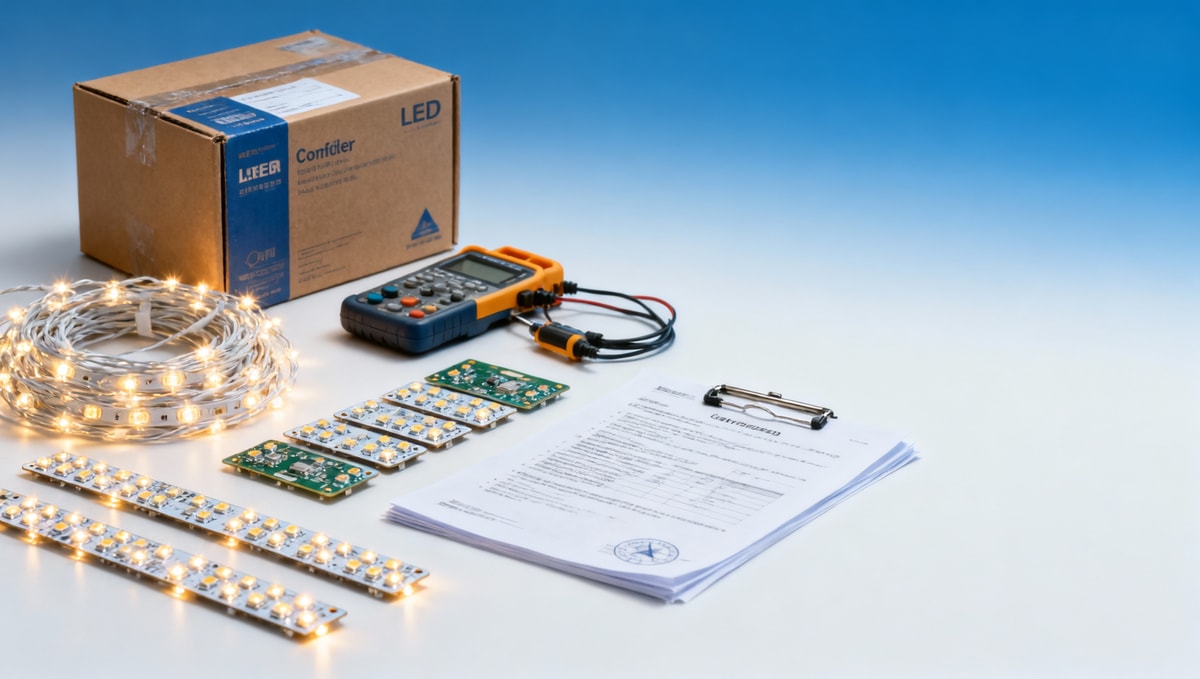
Choosing the right partner for LED fairy lights wholesale goes far beyond price. For sourcing teams, distributors, and brand decision-makers, comparing LED fairy lights suppliers means assessing compliance, production stability, customization, and long-term retail potential. The best supplier is usually not the one offering the lowest quote, but the one that can consistently deliver safe, compliant, commercially viable products with predictable lead times and scalable support.
For buyers evaluating multiple factories, the key questions are practical: Can this supplier meet destination-market regulations? Will quality stay stable across repeat orders? Can they support seasonal peaks, packaging customization, and margin targets? And if something goes wrong, do they have the systems to fix it quickly? This guide breaks down how to compare suppliers in a way that supports smarter sourcing decisions and reduces downstream risk.
Start with the criteria that actually affect business outcomes
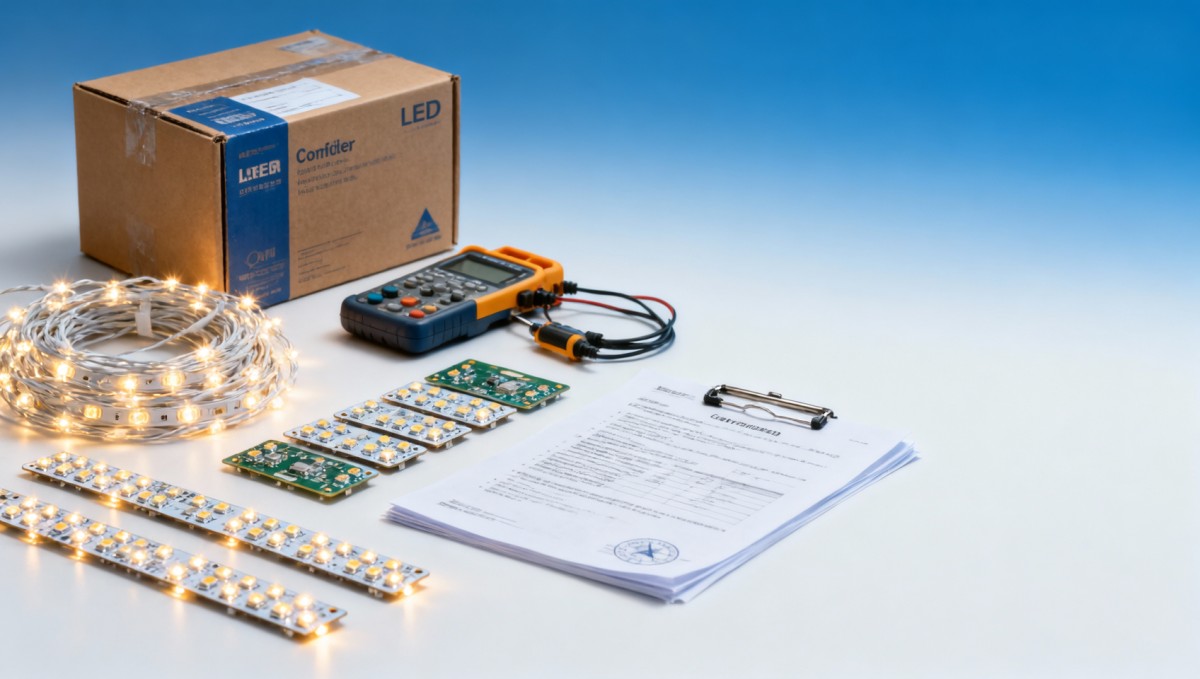
When buyers search for how to compare LED fairy lights suppliers, they are usually trying to reduce selection risk. They do not just want a vendor list. They want a reliable method to distinguish between a factory that looks good in a quotation sheet and one that can support real retail success.
The most useful comparison framework includes these areas:
- Product compliance and safety readiness
- Manufacturing consistency and capacity
- Customization and private-label capability
- Cost structure and total landed value
- Communication, documentation, and problem-solving ability
- Retail fit, packaging quality, and long-term partnership potential
If a supplier performs poorly in any of these areas, the apparent price advantage can quickly disappear through delays, failed inspections, product returns, or weak sell-through.
How to compare LED fairy lights suppliers beyond unit price
Price is important, but procurement teams should compare total sourcing value, not just ex-works cost. A supplier offering a lower unit price may still create higher overall cost if they require frequent rework, have unstable lead times, or cannot provide compliant documentation for your target market.
When reviewing quotations, compare:
- Battery box, wire, LED chip, and material specifications
- Indoor vs. outdoor suitability
- Power type: battery-operated, USB, solar, or plug-in
- Wire length, spacing, light modes, timer functions, and IP rating
- Packaging type and labeling requirements
- Tooling fees, sample charges, and customization costs
- MOQ by SKU, color, packaging version, and seasonal assortment
- Lead time for samples, first production, and repeat orders
A useful sourcing practice is to build a side-by-side supplier scorecard. This helps teams compare not only quoted cost, but also production terms, QC support, certification status, and operational responsiveness.
Compliance is often the first filter, not a later detail
For LED decorative lighting, compliance should be verified early. This is especially important for buyers selling into markets with strict electrical, chemical, labeling, and child-safety expectations. If the product is intended for gifting, seasonal retail, home decoration, or even adjacent toy-related channels, product claims and packaging can increase compliance exposure.
Depending on the market and product design, buyers may need to assess:
- CE or other applicable market-entry requirements
- RoHS or material-related restrictions
- Battery safety and transport documentation
- EMC or electrical test relevance
- Labeling, warning language, and packaging conformity
- If marketed to children or bundled with child-oriented products, whether additional child-safety standards apply
Ask suppliers to provide recent test reports from recognized labs, not just declarations. Check whether reports match the exact product structure you are buying, including battery type, cable material, controller, and packaging configuration. A factory that cannot clearly explain its compliance file structure is a higher-risk partner.
Evaluate manufacturing stability, not just factory size
Many buyers assume larger factories are automatically safer choices. In reality, manufacturing reliability depends more on process control than headline scale. A mid-sized supplier with strong SOPs, incoming material checks, line inspection discipline, and traceability may outperform a larger but less controlled operation.
Ask questions such as:
- How do they inspect LED brightness consistency and wire assembly quality?
- What is their defect-rate target for mass production?
- How are battery boxes, switch functions, and soldering points tested?
- Can they handle peak-season order surges without subcontracting critical processes?
- Do they run aging tests, drop tests, or packaging transport tests?
- What is their process for corrective action when defects are found?
Request evidence, not only verbal assurance. Production videos, QC checklists, process flow charts, and sample inspection records can reveal how mature their operation really is.
Customization capability matters if you are building a brand, not just buying inventory
For importers, distributors, and private-label sellers, LED fairy lights are often more than a commodity. They may be part of a seasonal range, gifting program, event line, or home décor collection. In that context, supplier flexibility can directly affect retail differentiation.
Important customization points include:
- Custom wire color, bulb shape, and lighting modes
- Private-label battery box or hangtag branding
- Retail-ready color box, barcode, instruction sheet, and warning label support
- Giftable packaging for e-commerce or store display
- Bundling options with accessories or themed assortments
- Low-MOQ testing for new designs or market pilots
A strong supplier should be able to explain what is standard, what is customizable, what requires tooling, and what impacts lead time. This transparency helps buyers forecast launch timing and gross margin more accurately.
Assess communication quality as a real sourcing risk indicator
Poor communication is one of the clearest warning signs in international sourcing. Even if the sample is acceptable, communication problems often lead to errors in packaging, specification drift, shipment delays, and unresolved quality disputes.
Compare suppliers on:
- Response speed and clarity
- Ability to answer technical and compliance questions directly
- Quotation accuracy and revision control
- Sample feedback handling
- Use of drawings, photos, and approval records
- Willingness to document changes before mass production
Good suppliers reduce friction. They confirm assumptions, flag risks early, and provide structured updates. For project managers and sourcing teams, this reduces hidden coordination cost across purchasing, quality, logistics, and sales.
Check whether the supplier fits your sales channel and margin model
Not every factory is right for every business. A supplier that works well for a discount chain may not suit a premium gifting brand. One that performs well for bulk wholesale may struggle with Amazon-style packaging detail or lower-MOQ SKU variation.
Before selecting a supplier, clarify your channel requirements:
- Retail chains: require consistency, labeling accuracy, and on-time volume delivery
- E-commerce brands: need packaging durability, image-ready finish quality, and low return rates
- Distributors: need broad SKU support, stable replenishment, and flexible assortment planning
- Project or event buyers: need timing reliability and application-specific performance
The more closely a supplier understands your channel, the more likely they are to recommend the right specifications rather than simply offering the cheapest construction.
Use a practical supplier comparison checklist before approval
To make decisions easier across procurement, quality, technical, and finance teams, use a weighted checklist. This creates a more objective selection process and helps internal stakeholders approve suppliers with confidence.
A simple evaluation model may include:
- 20% Compliance readiness: test reports, labeling support, market suitability
- 20% Quality control: inspection process, defect prevention, consistency
- 15% Commercial terms: price, MOQ, payment terms, tooling policy
- 15% Capacity and lead time: seasonal scalability, repeat-order reliability
- 15% Customization support: packaging, branding, product variation
- 15% Communication and service: clarity, speed, issue resolution
This approach is especially useful for enterprise buyers and financial approvers who need a documented rationale rather than a subjective supplier preference.
Red flags that should trigger deeper review
Some supplier signals deserve immediate caution. One issue may not automatically disqualify a factory, but several together usually point to future problems.
- Test reports that do not match the actual product configuration
- Unclear factory ownership of molds or packaging files
- Large pricing swings without material explanation
- Weak answers on battery safety or electrical testing
- Refusal to share QC process details
- Repeated delays at sampling stage
- Overpromising on customization without drawings or lead-time confirmation
- Inconsistent communication across sales and production contacts
These issues often become more serious after deposit payment, when changing suppliers becomes expensive and time-consuming.
Conclusion: the best LED fairy lights supplier is the one that lowers risk while supporting growth
To compare LED fairy lights suppliers effectively, buyers should focus on risk-adjusted value, not headline price alone. The right partner is one that can demonstrate compliance readiness, stable production quality, clear communication, realistic lead times, and enough flexibility to support your channel strategy.
For sourcing teams, distributors, and brand owners, the strongest supplier comparison process is structured, evidence-based, and aligned with business goals. If you evaluate suppliers through the lens of safety, repeatability, customization, and commercial fit, you will make better buying decisions and build a more resilient product pipeline over time.
Related Intelligence
 2026/789 on Beauty Device Packaging Takes Effect") Beauty DevicesApr 29, 2026EU Regulation (EU) 2026/789 on Beauty Device Packaging Takes EffectEU Regulation (EU) 2026/789 mandates 30% recycled plastic & LCA declarations for beauty device packaging — act now to avoid Amazon.de/fr rejections!
Beauty DevicesApr 29, 2026EU Regulation (EU) 2026/789 on Beauty Device Packaging Takes EffectEU Regulation (EU) 2026/789 mandates 30% recycled plastic & LCA declarations for beauty device packaging — act now to avoid Amazon.de/fr rejections! Electronic & RC ToysApr 29, 2026ICTA: RC Toy Orders Shift to South China, Lead Time Cuts to 6 WeeksICTA reports RC toy orders shifting to South China—78% now flow to Guangdong’s cluster, cutting lead times to just 6 weeks. Act now to optimize sourcing, compliance & logistics.
 STEM & Educational ToysApr 29, 2026CPSC Nanomaterial Migration Rule for STEM Toys Effective Q3 2026CPSC Nanomaterial Migration Rule for STEM Toys: New ASTM F963–24 testing (≤0.05 mg/cm²/h) mandatory from Oct 1, 2026—avoid detention & recalls.
 Fitness EquipmentApr 29, 2026THE Alliance Cuts Shanghai–LA Capacity by 22%: Fitness Equipment Delays ExtendFitness equipment shippers: THE Alliance cuts Shanghai–LA capacity by 22% in May 2026—delays, surcharges, and 12–14-week bookings loom. Act now.
 Smart Pet DevicesApr 29, 2026Japan METI Expands Smart Pet Device White List, 10-Day Certification for Chinese DevicesJapan METI expands Smart Pet Device white list—Bluetooth 5.3+ collars & AI feeders now qualify for fast 10-day certification. Key opportunity for Chinese exporters.
 Infant Feeding & CareApr 29, 2026ASEAN-FFL 2026: RCEP Infant Feeding Labeling Rules Take EffectASEAN-FFL 2026 labeling rules take effect April 2026—ensure RCEP infant feeding product compliance now to avoid shelf bans & delays.
 Corporate & Seasonal GiftsApr 29, 2026Germany UBA to Pilot Carbon Labelling for Corporate GiftsGermany UBA's 2026 carbon labelling pilot for corporate gifts mandates ISO 14067 LCAs — vital for Chinese exporters, printers & ink suppliers targeting EU green procurement.
 Nursery Furniture & MonitorsApr 29, 2026Vietnam MOIT Eases Infant Monitor Registration, Requires NMPA Class II FilingVietnam MOIT eases infant monitor registration: NMPA Class II filing now accepted—skip local testing, cut time-to-market. Key for China-Vietnam medtech exporters.
 Camping & WaterApr 29, 2026SASO Mandates IP6X + Salt Spray for Camping Power & Inflators in Saudi ArabiaSASO mandates IP6X + salt spray for camping power stations & inflators in Saudi Arabia—act now to avoid shipment delays and customs rejection.
") Skincare OEMApr 29, 2026FDA Adds Plant Stem Cell Extract Code to CPIS (Apr 2026)FDA adds 'Plant Stem Cell Extract' code to CPIS—urgent compliance action needed for skincare OEMs, suppliers & importers before July 1, 2026.
Skincare OEMApr 29, 2026FDA Adds Plant Stem Cell Extract Code to CPIS (Apr 2026)FDA adds 'Plant Stem Cell Extract' code to CPIS—urgent compliance action needed for skincare OEMs, suppliers & importers before July 1, 2026. Electronic & RC ToysApr 28, 2026ICTA 2026 Q2 RC Toy Sourcing Report: Shift to Guangdong ClusterICTA 2026 Q2 RC Toy Sourcing Report reveals 68% of global electronic RC toy orders shifting to Guangdong’s Shenzhen–Dongguan–Zhongshan cluster — driven by dual-band modules, UL9990 batteries & rapid prototyping. Act now.
 Skincare OEMApr 28, 2026FDA Adds Plant Stem Cell Extract Code to CPIS SystemFDA adds COS-PLS-2026 code for plant stem cell extract in CPIS — vital for skincare OEMs, suppliers & U.S. importers. Act now to ensure compliance by July 1, 2026.
 Nursery Furniture & MonitorsApr 28, 2026Vietnam Exempts Infant Monitors from Local Type TestingVietnam exempts infant monitors from local type testing—leverage your NMPA Class II filing to fast-track Vietnam market entry starting June 1, 2026.