Wholesale Playing Cards: Which Finish Sells Better?
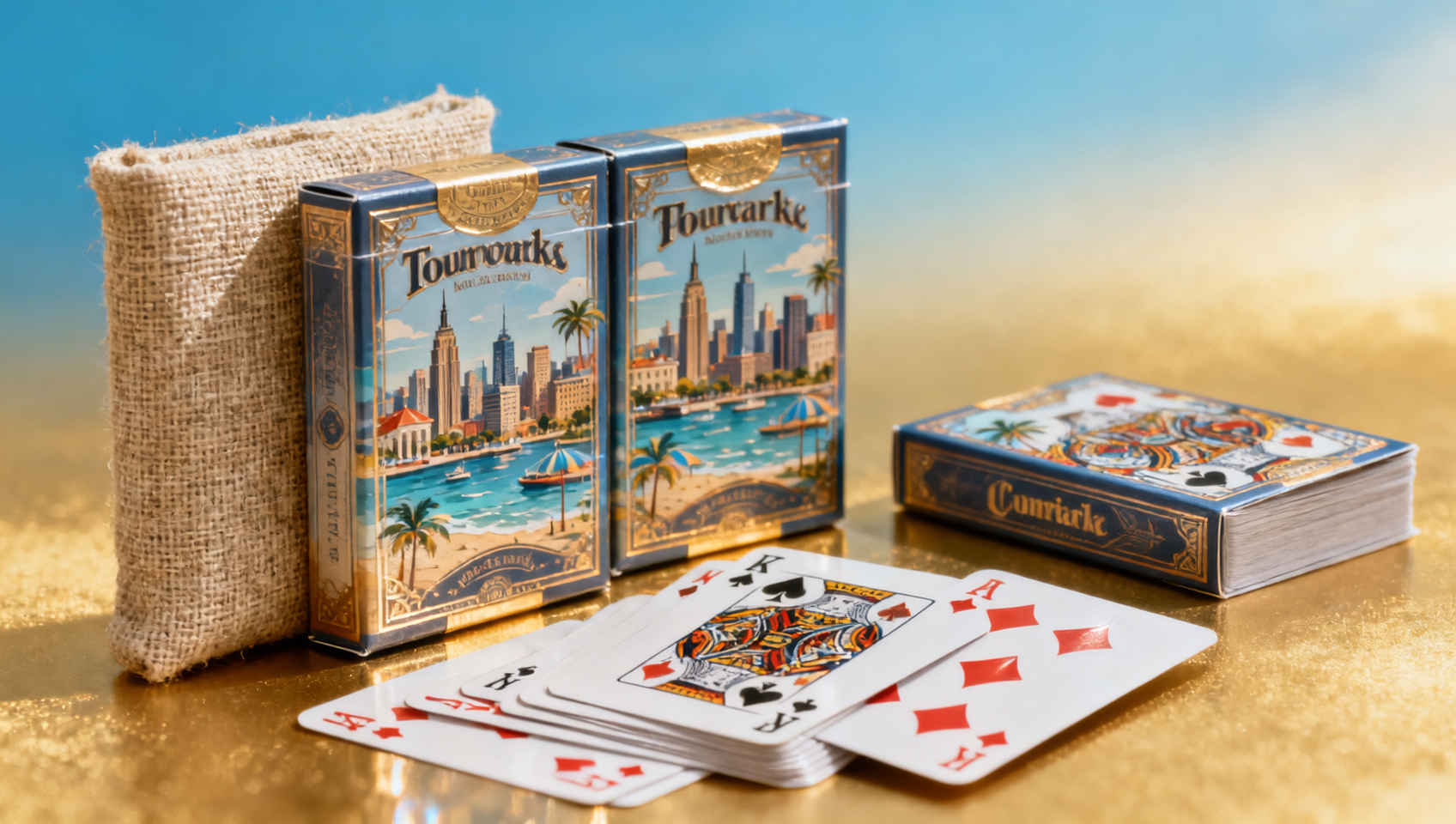
Choosing the right finish can make or break margins in wholesale playing cards, especially for buyers targeting gift shops, travel retail, and fast-moving souvenir channels. From durability and shuffle feel to branding appeal and bulk cost control, this guide helps sourcing teams, distributors, and product evaluators compare finishes that sell better and support smarter purchasing decisions.
For most wholesale buyers, the short answer is this: linen or air-cushion style finishes usually sell better than basic smooth gloss when the goal is repeat purchase, better perceived value, and fewer complaints about handling. But the best-selling finish still depends on your sales channel, price point, target user, and packaging strategy. A finish that works for casino-style gameplay may not be the most profitable option for travel retail, hotel gift shops, museum stores, or souvenir distribution.
If you are sourcing playing cards in bulk, the real question is not simply which finish looks best. It is which finish balances shelf appeal, tactile quality, durability, and landed cost for your market. That is where wholesale decisions affect sell-through, margin, and reorder potential.
What finish tends to sell better in wholesale playing cards?
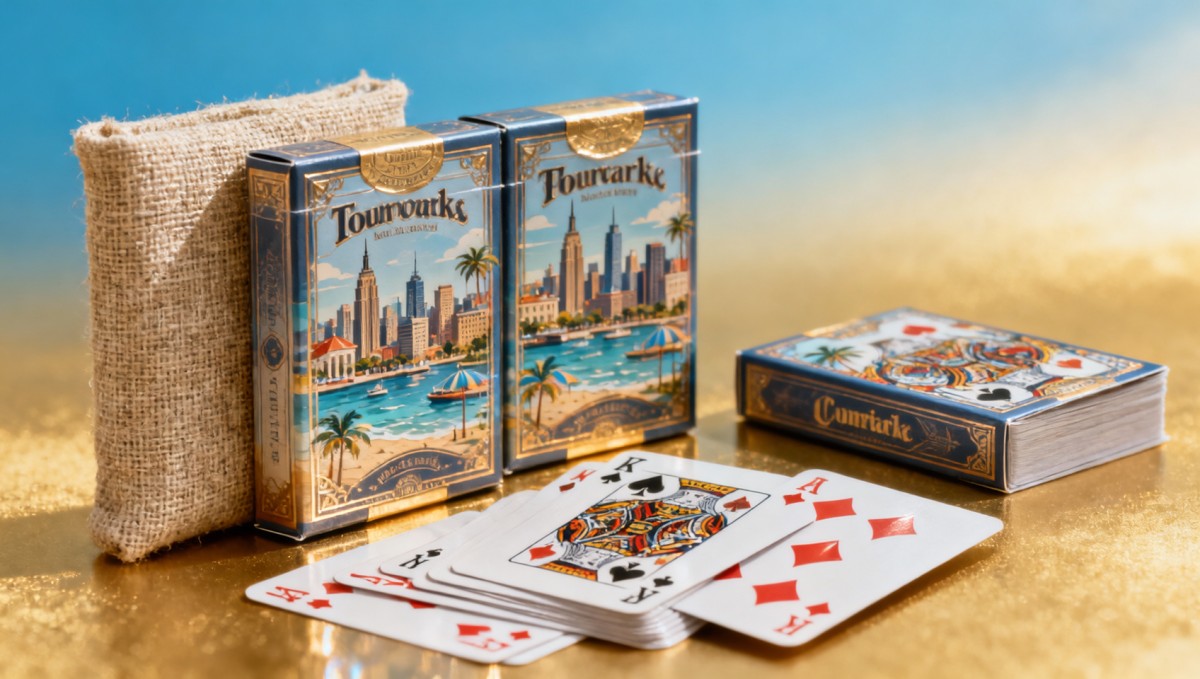
Among common commercial options, linen finish and air-cushion finish tend to perform best in wholesale channels because they offer a stronger combination of handling quality and consumer appeal. These finishes create a more professional feel, improve shuffling, and often reduce the “cheap souvenir deck” impression that can hurt retail conversion.
In practical terms:
- Linen finish often sells well in gift, souvenir, and branded retail because it adds texture, improves grip, and communicates better quality.
- Air-cushion or embossed finish is preferred when end users care about smooth dealing and shuffling, especially for gameplay-focused decks.
- Smooth finish can work for low-cost promotions, but it is usually more price-driven and less differentiated.
- Gloss UV-coated surfaces may look attractive on shelf, but can feel slippery or wear less gracefully in repeated use depending on material quality.
For distributors and sourcing teams, the better-selling finish is usually the one that supports fewer returns, stronger perceived value, and better in-hand experience without pushing the unit cost beyond the channel’s acceptable pricing window.
What do buyers and distributors care about most before choosing a finish?
Different stakeholders evaluate playing card finishes from different angles, but their concerns often overlap around five commercial issues.
1. Will the deck look premium enough to justify the retail price?
In travel retail and gift-oriented environments, customers often buy playing cards as impulse purchases, souvenirs, or small gifts. They make fast judgments. A textured or embossed finish can help a deck feel more giftable and less generic, especially when paired with strong artwork and rigid packaging.
2. Will users complain about poor shuffle feel or sticking cards?
Operators, retailers, and distributors know that handling quality matters. If cards clump, slide poorly, or show surface wear too quickly, customer satisfaction drops. This is especially important for decks intended for repeated use in hotels, family travel, game cafés, onboard retail, or specialty stores.
3. Does the finish fit the target sales channel?
A tourism gift shop may prioritize visual differentiation and branding. A game store may prioritize performance. A promotional campaign may prioritize cost. The “best” finish is often channel-specific, not universal.
4. What is the total cost impact at scale?
Finance approvers and procurement teams care less about finish terminology and more about margin structure. A slightly higher-cost finish may still be the better business choice if it supports a higher retail price, faster sell-through, or stronger reorder rates.
5. Are there manufacturing and compliance risks?
For international sourcing, buyers also need to check print consistency, coating durability, substrate compatibility, and any relevant safety or material requirements for the destination market. This is especially important for gift and toy-adjacent products sold to families or children.
How do the main playing card finishes compare in real commercial use?
Below is a practical comparison focused on wholesale buying decisions rather than abstract product descriptions.
Linen finish
Best for: souvenir decks, branded gift decks, travel retail, museum shops, hotel retail, premium promotional use
Strengths: textured feel, better grip, stronger quality perception, attractive for gifting
Limitations: slightly higher production cost than basic smooth options; quality can vary by supplier
Commercial view: One of the safest choices when you want a deck that looks and feels better without moving too far into specialty pricing.
Air-cushion or embossed finish
Best for: gameplay-focused decks, hobby channels, users who value handling performance
Strengths: smooth shuffling, better card separation, widely associated with quality play
Limitations: may be unnecessary for very low-price souvenir channels; not every buyer understands the added value at first glance
Commercial view: Strong performer when gameplay matters and when retailers can communicate quality differences.
Smooth finish
Best for: budget promotions, entry-level bulk orders, high-volume low-cost distribution
Strengths: lower cost, simple appearance, easy for mass promotional production
Limitations: less premium feel, can appear generic, may reduce repeat purchase appeal
Commercial view: Works when price is the primary decision driver, but usually not the best finish for value-added retail channels.
Gloss or UV-coated finish
Best for: visually bright designs, souvenir decks with strong artwork, short-term promotional emphasis
Strengths: vibrant appearance, shelf visibility, easy visual impact
Limitations: can feel slippery, fingerprint visibility may be higher, handling quality depends heavily on coating execution
Commercial view: Good for visual merchandising, but should be tested carefully if repeat gameplay is a major use case.
Which finish works best for travel retail, gifts, and souvenir channels?
Since your market context relates to tourism service and destination-oriented retail, this matters more than a generic card-finish review. In travel and souvenir channels, the finish that sells better is usually the one that supports emotional purchase, quick perceived value, and acceptable durability during casual use.
That usually means:
- Linen finish for destination-themed decks, cultural gift decks, city souvenirs, and branded hotel or attraction merchandise
- Embossed finish for decks marketed as more playable or premium
- Avoiding overly basic smooth finishes unless the strategy is pure price competition
Why? Because souvenir buyers often compare products quickly. They touch the box, look at the artwork, and expect the item to feel worthy of gifting. Even a modest upgrade in finish can strengthen perceived value far more than a small unit-cost increase would suggest.
For travel retail buyers, another factor is compact premium positioning. Playing cards are often bought as affordable keepsakes. A better finish helps the product feel intentional rather than filler merchandise.
How should sourcing teams decide between finish quality and cost control?
This is the most important buying decision framework for procurement managers, project leads, and financial approvers.
Instead of asking, “Which finish is cheapest?” ask these four questions:
Can the finish support a higher retail price?
If linen finish raises unit cost slightly but allows the deck to move from a bargain bin item to a premium gift item, the margin math may improve.
Will better handling reduce negative feedback?
Complaints about sticky cards, weak durability, or poor feel can damage distributor relationships and reduce reorders. Surface quality affects more than aesthetics.
Does the finish match the artwork and packaging level?
A premium printed tuck box with a low-end card finish creates a mismatch. Buyers notice inconsistency. The product should feel coherent.
Is the order large enough to justify finish optimization?
For larger wholesale runs, a better finish often becomes more commercially sensible because the incremental cost per deck may be relatively small compared with the sales impact.
A useful rule of thumb: if the deck is meant to be sold, gifted, or used repeatedly, prioritize finish quality; if it is mainly a low-cost promotional giveaway, prioritize price efficiency.
What should technical evaluators check before approving a wholesale playing card finish?
Technical and operational stakeholders should request more than a finish label on a quote sheet. “Linen” or “gloss” alone does not guarantee performance. Quality depends on the full production setup.
Key checkpoints include:
- Paper stock weight and stiffness: finish performance changes depending on board quality
- Surface consistency: check whether texture and coating are even across the full deck
- Shuffle and fan test: evaluate how cards separate and move in repeated handling
- Scratch and wear resistance: important for retail products expected to maintain appearance
- Print adhesion: poor coating interaction can affect durability and color stability
- Humidity tolerance: relevant for global shipping and tourist destinations with variable climate conditions
- Packaging compatibility: premium finishes should align with tuck box quality and transit protection
Sample testing is essential. Two decks described with the same finish term can perform very differently depending on supplier capability, materials, and coating process control.
What finish choice usually delivers the best business result?
For most wholesale buyers serving retail, tourism, gifts, and branded merchandise channels, linen finish is the most balanced commercial choice. It usually offers the best blend of perceived quality, everyday usability, broad market appeal, and manageable cost. If your buyer segment is more game-focused, an air-cushion or embossed finish may outperform it in user satisfaction and repeat purchase.
By contrast, smooth finish is typically the best seller only when low price is the main value proposition. It can still make sense for promotions, but it is less likely to create product distinction in competitive retail environments.
In other words, the finish that sells better is not always the cheapest one. It is the one that best supports channel fit, customer expectations, and margin resilience.
Final takeaway for wholesale playing card buyers
If you are comparing wholesale playing cards for gift shops, travel retail, distributors, or branded souvenir programs, start with this conclusion: textured finishes generally sell better than basic smooth finishes because they improve perceived value and user experience. For most mainstream commercial use, linen finish is the safest all-around option. For stronger gameplay appeal, embossed or air-cushion finishes are often worth the upgrade.
The smartest sourcing decision comes from testing finish, stock, packaging, and price together rather than evaluating surface treatment in isolation. Buyers who do this well are more likely to achieve better shelf performance, fewer complaints, and stronger reorder potential.
In wholesale playing cards, finish is not a minor detail. It is a product decision that directly affects how well the deck sells.
Related Intelligence
 Cosmetics & PkgApr 22, 2026SAMR Penalizes 7 Platforms for 'Ghost Kitchen' Packaging ViolationsSAMR penalizes 7 platforms for 'ghost kitchen' packaging violations—critical for food-grade packaging OEMs, suppliers & procurement teams. Act now.
 Camping & WaterApr 22, 2026RCEP Camping Water Bags: Indonesia Cuts Tariff, Sets TPU+Aluminum SpecRCEP Camping Water Bags: Indonesia cuts tariff to 3.4% & mandates TPU+aluminum spec—key opportunity for exporters, TPU suppliers & converters in ASEAN-China supply chains.
 Corporate & Seasonal GiftsApr 22, 2026TÜV Green Packaging LCA Threshold Effective Apr 2026TÜV Green Packaging LCA Threshold takes effect Apr 2026 — mandatory carbon heatmaps & ISO-compliant LCAs for holiday, wedding &文创 packaging. Act now to meet EU tender requirements.
 Beauty DevicesApr 22, 2026Global Li-Battery Recycling Rate Hits 62%: Beauty Device BOM Cost Down 9%Li-battery recycling hits 62% globally—driving 9% BOM cost cuts for beauty devices. Discover how recycled LFP/NCM cells slash lead times & boost margins.
 Nursery Furniture & MonitorsApr 22, 2026Canton Fair Phase III: Infant Monitor Inquiries Surge, EN60601-1-12 Certification Critical for Middle EastEN60601-1-12 certification is now critical for infant monitors targeting the Middle East — Canton Fair Phase III reveals surging buyer demand from UAE & KSA.
 Smart Pet DevicesApr 22, 2026Vietnam Enforces ISO 13485 + Vietnamese Manual for Smart Pet CollarsISO 13485 + Vietnamese manual now mandatory for smart pet collars entering Vietnam — avoid import delays. Learn compliance essentials for Class IIa medical device classification.
 Infant Feeding & CareApr 22, 2026JETRO Spring Sourcing: Silicone Baby Feeding Items Must Link to BlockchainSilicone baby feeding items must link to blockchain for JETRO Spring Sourcing — avoid 11-day delays & 100% inspections. Act now to ensure compliance.
 STEM & Educational ToysApr 22, 2026SASO Launches 24-Hour AI STEM Toy Certification in Saudi ArabiaSASO's 24-hour AI STEM toy certification now live in Saudi Arabia — fast-track CoC for robotics, voice/vision learning toys meeting GB/T 34667-2025 & IEC 62368-1.
 Cosmetics & PkgApr 22, 2026EU EPR Dual-Country Registration Effective for Beauty PackagingEU EPR dual-country registration is now mandatory for beauty packaging exporters—secure France & Germany compliance before April 22, 2026 to avoid delisting and customs delays.
 Cosmetics & PkgApr 22, 2026FDA Requires Independent VCRP Registration for Cosmetic Packaging as of Apr 21, 2026FDA requires independent VCRP registration for cosmetic packaging by Apr 21, 2026—essential for U.S. importers, Chinese suppliers & OEMs. Act now to avoid delays.
 Cosmetics & PkgApr 21, 2026SAMR Penalizes 7 Platforms for 'Ghost Kitchen' Packaging ViolationsSAMR penalizes 7 platforms for 'ghost kitchen' packaging violations—key alert for food packaging exporters, converters & brands on licensing compliance.
 Cosmetics & PkgApr 21, 2026EU EPR Dual-Country Registration Effective for Beauty PackagingEU EPR Dual-Country Registration is now live for beauty packaging in France & Germany — act now to avoid shipment delays, fees, and customs holds.
 Cosmetics & PkgApr 21, 2026FDA MoCRA Rule: Cosmetic Packaging Must File Separate VCRPFDA MoCRA Rule requires cosmetic packaging—vacuum bottles, pumps, tubes—to file separate VCRP registration by April 17, 2026. Stay compliant & avoid shipment delays!