Wholesale Stainless Steel Tumblers: What to Check
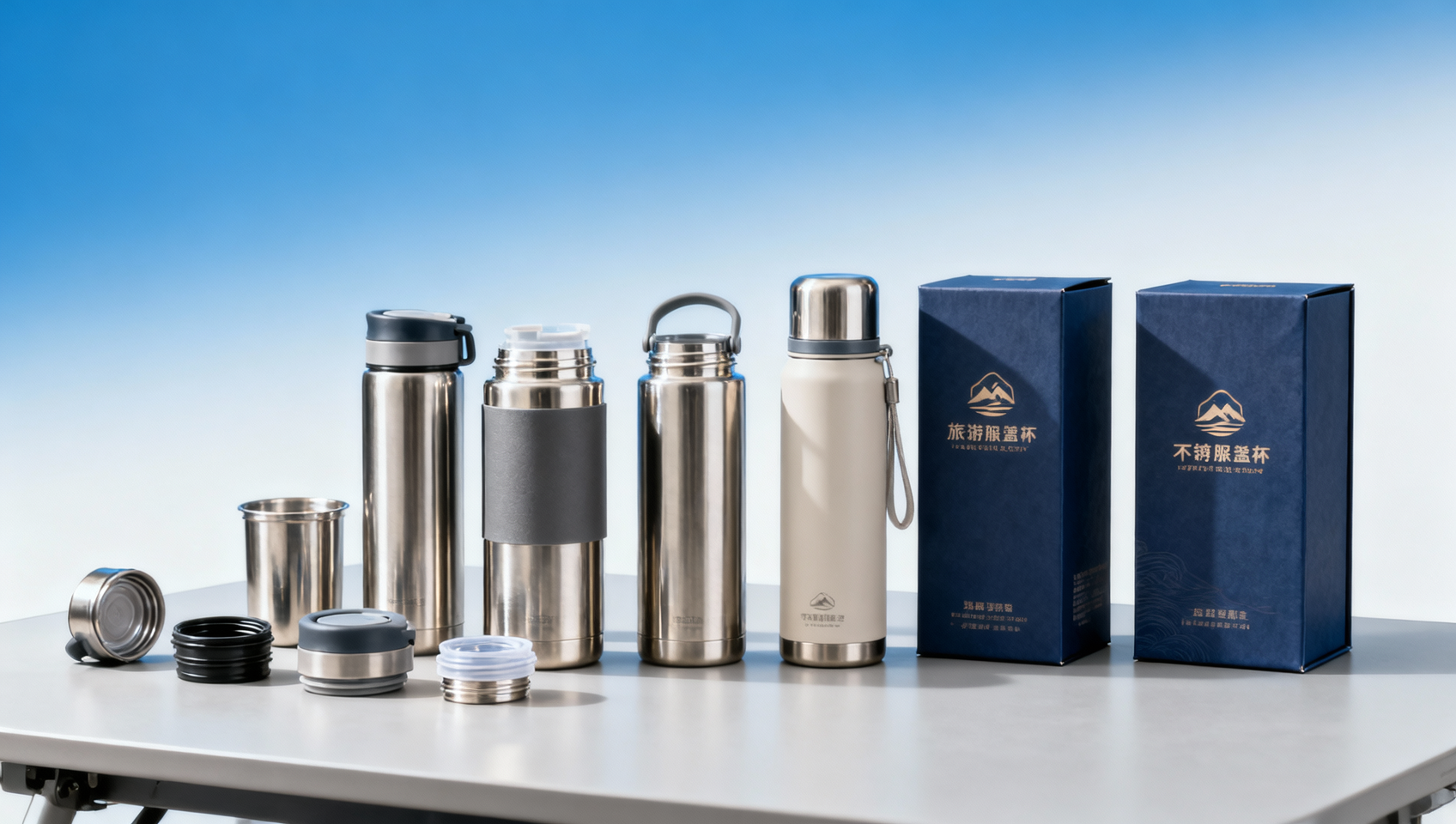
When sourcing wholesale stainless steel tumblers for travel services, small details shape product safety, branding value, and long-term margins. This guide explains what buyers, operators, and decision-makers should check before placing orders, from material grade and insulation performance to compliance, customization, and supplier reliability. If your team also compares adjacent categories like titanium camping cookware, artisan products, or pet wholesale goods, these evaluation principles can improve sourcing confidence.
What matters most when buying wholesale stainless steel tumblers
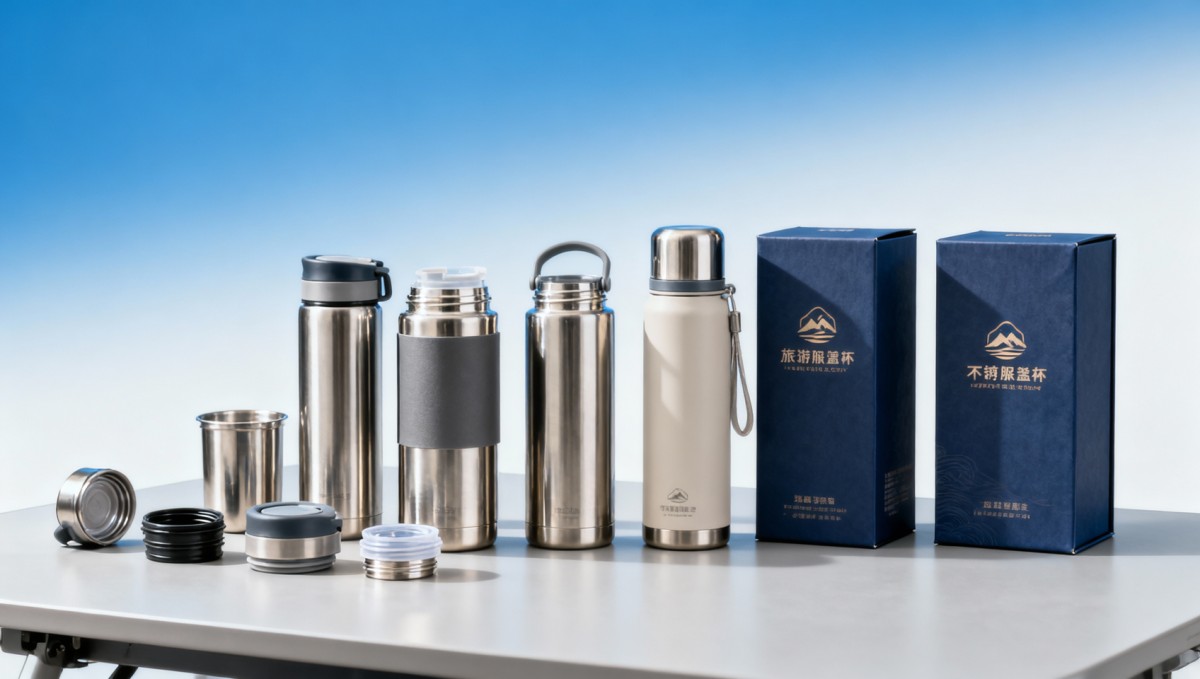
For most travel-service buyers, the core question is not simply “which tumbler is cheapest?” It is “which tumbler will perform reliably, protect brand reputation, meet compliance expectations, and still deliver acceptable margins at scale?”
If you are evaluating wholesale stainless steel tumblers for hotels, tour operators, airlines, cruise programs, destination retailers, travel gift shops, or promotional campaigns, focus on five decision areas first:
- Material quality: confirm the actual stainless steel grade used for inner and outer walls.
- Insulation performance: verify how long the tumbler keeps beverages hot or cold under realistic conditions.
- Safety and compliance: check food-contact safety, coating safety, and market-specific documentation.
- Customization and branding: evaluate logo durability, finish quality, and packaging suitability for resale or gifting.
- Supplier reliability: review quality control systems, production consistency, and after-sales responsiveness.
For business buyers, these checks reduce common sourcing risks: leakage complaints, poor temperature retention, coating scratches, failed inspections, shipping delays, and high return rates. A tumbler that looks good in a catalog but fails in actual travel use can quickly become a cost center rather than a promotional asset.
Check the stainless steel grade before comparing prices
One of the most important buying criteria is the steel grade. In practice, many buyers compare quotes before confirming whether they are pricing the same construction standard.
The most common options include:
- 304 stainless steel: widely preferred for food-contact interiors because of strong corrosion resistance and dependable safety performance.
- 316 stainless steel: typically positioned as a more premium option with stronger corrosion resistance, useful in demanding environments.
- 201 stainless steel: sometimes used in lower-cost products, but often less desirable for premium travel-service applications.
For most branded travel-service programs, a practical baseline is a 304 stainless steel inner wall. If the tumbler will be used repeatedly by travelers, guests, or staff, this helps support durability and perceived quality. Ask suppliers to specify:
- Inner wall material grade
- Outer wall material grade
- Wall thickness
- Whether the product is single-wall or double-wall
- Whether vacuum insulation is included
Do not rely on vague wording such as “food-grade metal” without supporting details. A professional supplier should be able to provide material declarations and test documentation. For procurement and quality teams, this is one of the fastest ways to screen serious manufacturers from traders with limited technical control.
Understand insulation performance in real travel-use scenarios
Travel buyers usually need tumblers that perform beyond office use. A tumbler may be handled outdoors, carried in vehicles, placed in luggage, or used throughout long excursions. That means insulation claims should be tested against actual travel scenarios, not just marketing labels.
Key questions to ask include:
- How many hours does it keep drinks hot?
- How many hours does it keep drinks cold?
- What test method was used?
- What were the starting liquid temperatures and ambient conditions?
- Does the lid design affect thermal performance?
Double-wall vacuum insulated tumblers are usually the preferred choice for travel services because they support better temperature retention and improved user experience. However, not all vacuum products perform equally. Differences in sealing quality, lid construction, and production consistency can create major performance gaps.
For operators and project managers, requesting samples is essential. Test them in conditions that match intended use:
- Long bus tours
- Airport transfers
- Hotel welcome kits
- Outdoor excursions
- Retail gift resale programs
A tumbler that keeps drinks cold for six to eight hours under realistic usage may create more repeat satisfaction than a cheaper option that underperforms after two or three hours.
Review lid design, leak resistance, and user safety
One of the most common complaint areas in tumbler sourcing is not the cup body itself, but the lid. For travel-related use, leak resistance and ease of use matter as much as insulation.
Check whether the lid design fits your use case:
- Slide lids: convenient for quick sipping but may offer weaker spill protection.
- Flip-top lids: useful for active use, but hinge durability should be tested.
- Screw lids: often better for secure transport, though less convenient for repeated access.
- Straw-compatible lids: attractive for some consumer segments, but hygiene and leak performance need review.
Important evaluation points include:
- Leak resistance during tilt and shake tests
- Gasket quality and replacement consistency
- BPA-free components for plastic parts
- Heat safety on the outer surface
- Ease of opening for different user groups
- Cleaning difficulty, especially around seals and threads
For hospitality and tourism brands, user experience is closely tied to reviews and brand perception. A tumbler that leaks in a guest’s bag or is difficult to clean can damage the perceived quality of the entire service package.
Confirm food-contact compliance and market-specific documentation
For procurement teams, quality-control managers, and approval stakeholders, compliance is not optional. Stainless steel tumblers may look simple, but they still involve food-contact materials, coatings, seals, inks, and packaging components that may require review depending on the destination market.
Ask suppliers what documentation they can provide for your target market, which may include:
- Food-contact test reports
- Material safety declarations
- FDA-related compliance support where relevant
- LFGB or EU food-contact support where relevant
- BPA-free confirmation for plastic components
- Heavy metal or coating-related test reports
- Factory audit records or quality management certifications
If your tumblers are intended for resale, promotional gifting, hospitality programs, or cross-border distribution, documentation quality can directly affect customs clearance, retail acceptance, and legal risk. Do not assume that a supplier serving one market automatically meets standards for another.
For decision-makers, this is a simple rule: if documentation is incomplete, unclear, or inconsistent at sampling stage, the risk usually increases at scale.
Evaluate coating, decoration, and logo durability
For travel services, tumbler sourcing is often tied to brand visibility. That means decoration quality is not just an aesthetic issue; it affects how long the product continues to represent your brand well.
Common branding methods include:
- Silk screen printing
- Laser engraving
- Heat transfer printing
- Powder coating with logo application
- Embossed or debossed brand elements
Questions worth asking:
- How resistant is the logo to abrasion?
- Will the print fade after washing or repeated handling?
- Are color matching standards available?
- Can the supplier maintain consistency across production batches?
- Does the finish scratch easily during shipping?
For premium travel merchandising, powder-coated finishes often improve both appearance and grip, but coating consistency should be checked carefully. Poor finishing can lead to color variation, bubbling, peeling, or visible defects that reduce retail value.
If your business model depends on resale margins, branded amenity kits, or corporate gifting, request decorated samples rather than plain stock samples. The plain cup may pass, while the final branded version may reveal print or coating weaknesses.
Compare MOQ, packaging, and landed cost instead of unit price alone
Many sourcing mistakes happen because buyers focus on ex-factory unit price and ignore the full commercial picture. For wholesale stainless steel tumblers, the real decision should consider total cost, not just product cost.
Review the following commercial factors:
- Minimum order quantity for stock and custom designs
- Tooling or setup fees for custom lids, shapes, or packaging
- Individual box, gift box, or retail-ready packaging costs
- Master carton configuration and shipping efficiency
- Product weight and carton dimensions
- Defect allowance and replacement terms
- Lead time for samples and bulk production
For travel-sector buyers, packaging can significantly affect margin and usability. A tumbler for hotel retail may need presentation packaging, while a tour operator may prioritize protective bulk packaging and transport efficiency. A seemingly low-cost tumbler may become more expensive after adding logo application, upgraded lids, retail inserts, and compliant packaging.
Finance approvers and sourcing managers should calculate:
- Unit product cost
- Decoration cost
- Packaging cost
- Freight impact
- Duties and import-related charges
- Expected defect or return cost
This total-cost view is much more useful than comparing supplier quotes line by line without standardizing specifications.
Assess supplier reliability through process control, not promises
A reliable tumbler supplier should be able to show how quality is managed before, during, and after production. This matters especially for recurring travel-service programs, seasonal campaigns, and multi-market distribution.
Ask how the supplier handles:
- Incoming raw material inspection
- In-process leak testing
- Vacuum performance checks
- Decoration quality inspection
- Final random inspection before shipment
- Traceability by batch or production date
- Corrective action when defects are found
Warning signs include:
- Slow or inconsistent answers to technical questions
- Frequent changes in quoted specifications
- Unclear test reports
- Reluctance to provide factory information
- Samples that do not match quoted production standards
For distributors, agents, and enterprise buyers, consistency usually matters more than a one-time low offer. A supplier that can deliver stable quality over several purchase cycles is often more valuable than one with an attractive first quote but weak controls.
Use a practical buyer checklist before placing the order
Before approving a wholesale tumbler order, align your internal stakeholders around a simple checklist:
- Material: Is the stainless steel grade clearly confirmed?
- Performance: Has insulation been tested in realistic use conditions?
- Lid: Is it leak-resistant and suitable for end users?
- Compliance: Are food-contact and component documents complete?
- Branding: Has the decorated sample passed appearance and durability review?
- Commercials: Have MOQ, packaging, and landed cost been fully modeled?
- Supplier: Have quality systems and delivery capability been validated?
This checklist is useful not only for stainless steel tumblers but also for adjacent sourcing categories where performance, compliance, and branding all influence purchasing outcomes. Whether your team also reviews outdoor drinkware, travel accessories, giftable products, or other consumer goods, disciplined evaluation improves supplier selection and lowers risk.
In summary, the best wholesale stainless steel tumblers are not simply the cheapest or the most heavily promoted. They are the products that match your travel-service use case, meet compliance requirements, support your brand image, and hold up through real-world use. Buyers who verify material grade, insulation, lid quality, decoration durability, and supplier process control before ordering are far more likely to secure reliable margins and fewer post-purchase problems. For procurement, operations, and management teams alike, careful pre-order checking is what turns a tumbler from a generic item into a dependable business asset.
Related Intelligence
 Cosmetics & PkgApr 23, 2026SAMR Penalizes 7 Platforms for 'Ghost Food Delivery' PackagingSAMR penalizes 7 platforms for 'ghost food delivery' packaging—critical for infant pouch & supplement container suppliers. Verify your Food-Related Product Production License now to secure global orders.
 Cosmetics & PkgApr 23, 2026EU EPR Dual-Country Registration Effective for Cosmetics PackagingEU EPR Dual-Country Registration is now mandatory for cosmetics packaging in France & Germany—register with ADEME and EAR by April 2026 to avoid delisting.
 Cosmetics & PkgApr 23, 2026US FDA Enforces VCRP Registration for Cosmetic Packaging as of Apr 22, 2026US FDA mandates VCRP registration for cosmetic packaging as of Apr 22, 2026 — learn how bottles, tubes & aerosol cans must comply to clear U.S. customs.
 Corporate & Seasonal GiftsApr 23, 2026TÜV Rheinland LCA Rule for Green Gift Packaging Takes Effect in EUTÜV Rheinland LCA Rule for Green Gift Packaging is now live in EU—mandatory carbon heat maps & certified LCAs required for DE/AT/NL market access. Act now!
 Beauty DevicesApr 23, 2026Global Li-ion Recycling Rate Hits 62%: Beauty Device Battery BOM Cost Down 9%Li-ion recycling rate hits 62% — beauty device battery BOM costs drop 9%. Discover how this boosts margins, cuts lead times, and strengthens global supply agility.
 Nursery Furniture & MonitorsApr 23, 2026Canton Fair Phase III: Baby Monitors Surge, EN60601-1-12 Focus in Middle EastCanton Fair Phase III: Baby monitors surge 142%—Middle East buyers prioritize EN60601-1-12:2023 compliance. Discover key implications for exporters & certifiers.
 Infant Feeding & CareApr 23, 2026JETRO Mandates Blockchain Batch Codes for Infant Silicone Feeding ProductsJETRO mandates blockchain batch codes for infant silicone feeding products—pacifiers, teething rings & spoons—to ensure traceability and market access in Japan. Act now!
 STEM & Educational ToysApr 23, 2026SASO Cuts AI Module Certification for STEM Toys to 24 HoursSASO Cuts AI Module Certification for STEM Toys to 24 Hours — Fast-track CoC for voice/image AI toys entering Saudi Arabia. Act now before summer procurement!
 Smart Pet DevicesApr 23, 2026Vietnam Enforces ISO 13485 + Vietnamese Manual for Smart Pet CollarsVietnam enforces ISO 13485 + Vietnamese manual for smart pet collars—key compliance update impacting exporters, OEMs & importers. Act now!
 Camping & WaterApr 23, 2026RCEP Camping Water Bag Tariff Cut: Indonesia Updates TPU+Aluminum SpecRCEP Camping Water Bag tariff cut + TPU+aluminum spec update in Indonesia—key implications for OEMs, material suppliers & exporters. Act now!
 Cosmetics & PkgApr 22, 2026SAMR Penalizes 7 Platforms for 'Ghost Kitchen' Packaging ViolationsSAMR penalizes 7 platforms for 'ghost kitchen' packaging violations—critical for food-grade packaging OEMs, suppliers & procurement teams. Act now.
 Camping & WaterApr 22, 2026RCEP Camping Water Bags: Indonesia Cuts Tariff, Sets TPU+Aluminum SpecRCEP Camping Water Bags: Indonesia cuts tariff to 3.4% & mandates TPU+aluminum spec—key opportunity for exporters, TPU suppliers & converters in ASEAN-China supply chains.
 Corporate & Seasonal GiftsApr 22, 2026TÜV Green Packaging LCA Threshold Effective Apr 2026TÜV Green Packaging LCA Threshold takes effect Apr 2026 — mandatory carbon heatmaps & ISO-compliant LCAs for holiday, wedding &文创 packaging. Act now to meet EU tender requirements.