ICTI ETP 2026 Requires Blockchain Labor Traceability for RC Toy Factories
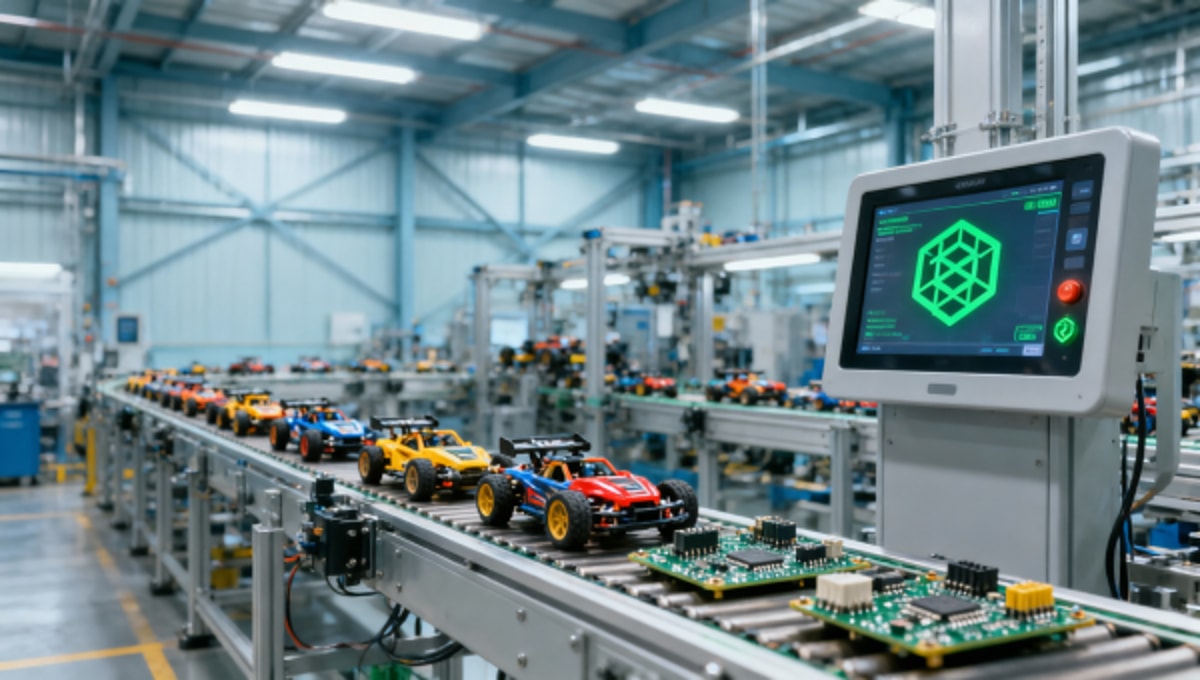
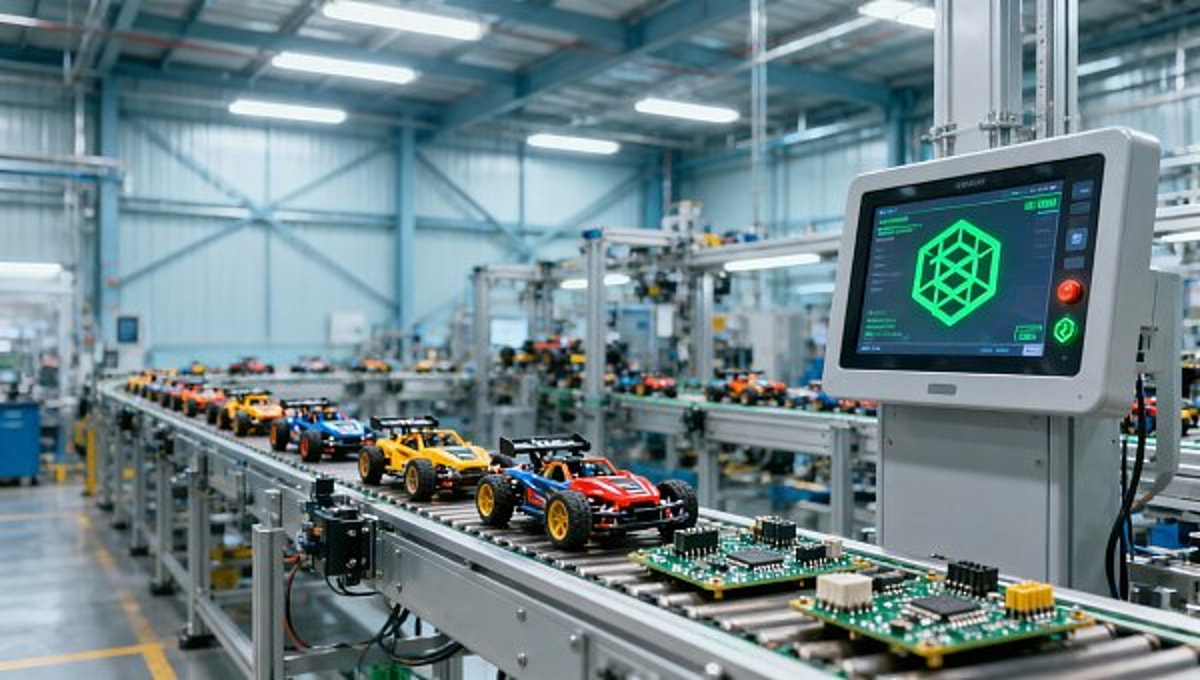
On May 4, 2026, the International Council of Toy Industries (ICTI) released the revised Ethical Toy Program (ETP) 2026, mandating that all electronic and remote-controlled (RC) toy contract manufacturers certified under ETP must integrate real-time employee attendance, working hours, and wage data into an ICTI-approved blockchain platform—such as TrusTrace—by October 1, 2026. This development directly affects global suppliers serving major U.S. retailers including Walmart and Target, whose audit outcomes now depend on compliance with this traceability requirement.
Event Overview
The International Council of Toy Industries (ICTI) published the ETP 2026 revision on May 4, 2026. It specifies that, effective October 1, 2026, all ETP-certified factories producing electronic and RC toys must connect their labor-related operational data—including clock-in/out records, daily/weekly working hours, and payroll disbursement logs—to an ICTI-recognized blockchain system. Factories failing to achieve integration by the deadline will be removed from the ETP White List, thereby jeopardizing their eligibility for audits conducted by key North American retail buyers.
Industries Affected
Contract Manufacturers (OEM/ODM)
Electronic and RC toy OEM/ODM facilities—especially those based in China, Vietnam, and Indonesia—are directly impacted, as they constitute the primary group required to implement the blockchain integration. The mandate applies regardless of factory size or export volume, provided the facility is ETP-contracted and produces within the defined product scope.
Global Sourcing & Trading Companies
Trading firms managing multi-factory supply chains for RC toy brands must now verify and coordinate blockchain readiness across their vendor base. Non-compliant factories may disrupt order fulfillment timelines and trigger re-audit requests from buyers, increasing administrative overhead and contractual risk.
Retail Buyers & Brand Owners
U.S.- and EU-based retailers such as Walmart and Target rely on ETP audit results as part of their responsible sourcing protocols. A factory’s removal from the ETP White List due to non-integration may lead to shipment holds, order cancellations, or mandatory remediation before further production approval.
Supply Chain Technology Providers
Vendors offering labor management software, HRIS platforms, or ERP modules used by toy manufacturers face increased demand for API-level compatibility with TrusTrace or other ICTI-endorsed blockchain systems. Integration capability—particularly for legacy systems handling timekeeping and payroll—has become a functional differentiator.
What Relevant Enterprises or Practitioners Should Focus On
Monitor official ICTI implementation guidance and platform certification updates
ICTI has not yet published technical specifications for data schema, API endpoints, or validation thresholds. Enterprises should track announcements from ICTI and its designated technology partners to confirm which platforms are formally approved beyond the initial reference to TrusTrace.
Identify and prioritize RC toy production lines for immediate system assessment
Factories producing both general and RC-specific toys must distinguish affected lines. Only RC toy manufacturing units fall under the October 2026 deadline—not general plastic or plush toy operations. Internal mapping of product categories, BOMs, and production routing is essential to avoid overextension of compliance efforts.
Distinguish between policy signal and operational readiness
The mandate sets a hard deadline but does not specify minimum uptime, data latency tolerance, or audit frequency for blockchain submissions. Analysis shows that early adopters are likely to undergo pilot verification in Q3 2026; however, full-scale enforcement timing remains subject to ICTI’s phased rollout plan.
Initiate internal cross-functional alignment on data governance and IT infrastructure
Successful integration requires coordination among HR, IT, finance, and factory operations teams. Current more suitable preparation includes documenting existing data flows, assessing encryption and consent protocols for employee data sharing, and evaluating whether local labor law permits real-time transmission of payroll information to external platforms.
Editorial Perspective / Industry Observation
Observably, this update signals a structural shift from periodic social compliance auditing toward continuous, verifiable labor data transparency. It is less a standalone regulatory action and more an institutional extension of ICTI’s long-term digital accountability strategy—preceded by earlier ETP requirements on fire safety reporting and chemical inventory digitization. Analysis shows that while the rule applies narrowly to RC toys today, its underlying architecture strongly suggests scalability to other high-risk categories (e.g., battery-powered devices, lithium-ion components) in future revisions. From an industry perspective, this is best understood not as an isolated compliance checkpoint, but as the first enforceable milestone in a broader trajectory toward embedded ethical assurance in global toy supply chains.
This development underscores how digital traceability is evolving from a voluntary differentiator into a prerequisite for market access in regulated retail channels. Its significance lies not only in technical implementation but in the recalibration of accountability: responsibility for labor conditions is now shared across data infrastructure, not confined to physical factory audits alone.
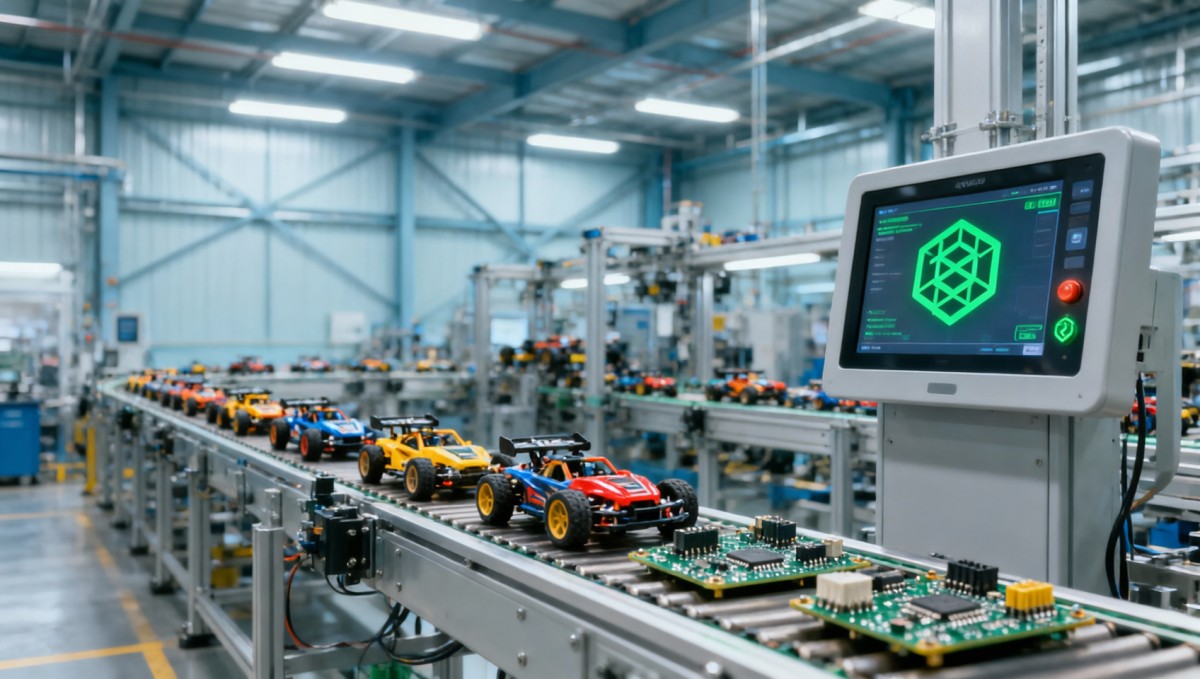
Information Source: International Council of Toy Industries (ICTI), official ETP 2026 release dated May 4, 2026. Note: Technical integration guidelines, platform certification status beyond TrusTrace, and enforcement procedures remain pending official clarification and are subject to ongoing observation.
Related Intelligence
 Cosmetics & PkgMay 05, 2026Malaysia SIRIM Updates Eco-Label Rules for Cosmetic PackagingMalaysia SIRIM updates eco-label rules for cosmetic packaging: New MS 2685:2026 Annex D mandates ingredient-level bioplastic labeling — avoid 35% green tariffs!
 Electronic & RC ToysMay 05, 2026ICTI ETP 2026 Requires Blockchain Labor Traceability for RC Toy FactoriesICTI ETP 2026 mandates blockchain labor traceability for RC toy factories—learn how TrusTrace integration, deadlines, and compliance impact Walmart/Target suppliers.
 Nursery Furniture & MonitorsMay 05, 2026Shopee Launches Baby & Maternity Health Whitelist in SEAShopee’s Baby & Maternity Health Whitelist now requires CNAS-CPC certification for nursery furniture & baby monitors in Indonesia, Thailand, Vietnam — act now to avoid listing delays!
 Beauty DevicesMay 05, 2026Korea MFDS: Beauty Device Li-ion Cells Require UN38.3 + KC 62133-2:2026Korea MFDS now mandates UN38.3 + KC 62133-2:2026 for Li-ion cells in beauty devices—critical for exporters, suppliers & importers. Act before 1 Aug 2026!
") Nursery Furniture & MonitorsMay 05, 2026Amazon Japan Removes Non-Compliant Baby Monitors (JIS T 2101:2026)Amazon Japan removed non-compliant baby monitors lacking JIS T 2101:2026 certification and ≤0.3% AI false-alarm rate — act now to restore listings & avoid sales disruption.
Nursery Furniture & MonitorsMay 05, 2026Amazon Japan Removes Non-Compliant Baby Monitors (JIS T 2101:2026)Amazon Japan removed non-compliant baby monitors lacking JIS T 2101:2026 certification and ≤0.3% AI false-alarm rate — act now to restore listings & avoid sales disruption. STEM & Educational ToysMay 05, 2026Ningbo-Zhoushan Port Launches STEM Toy Green LaneSTEM toy green lane launched at Ningbo-Zhoushan Port — fast-track ASTM F963-23 customs clearance for exporters. Save 2.3 days, boost U.S. shipment efficiency!
 Smart Pet DevicesMay 05, 2026SASO Mandates Dual Cybersecurity Certification for Smart Pet Devices in Saudi ArabiaSASO mandates dual cybersecurity certification for smart pet devices in Saudi Arabia—ISO/IEC 27001 + SASO IoT Security Framework V2.3. Act now to secure your CoC before June 1, 2026!
 Baby Gear & StrollersMay 05, 2026Vietnam Customs Launches AI Clearance for Baby StrollersVietnam Customs AI clearance for baby strollers launches May 2026—48-hour clearance if Vietnamese ASCII labels comply. Act now to avoid 5–7 day delays!
 Camping & WaterMay 05, 2026EN 14350-1:2026 Enforced: BPA Migration Limit for Children's Drinkware Reduced to 0.01 mg/kgEN 14350-1:2026 enforced: BPA migration limit slashed to 0.01 mg/kg for children's drinkware — urgent compliance action needed for EU market access.
 Infant Feeding & CareMay 05, 2026FDA Tightens Microbial Migration Limits for Infant Feeding Utensils Effective May 4, 2026FDA tightens microbial migration limits for infant feeding utensils to ≤10 CFU/cm² effective May 4, 2026—key update for exporters, manufacturers & labs. Act now!
 Infant Feeding & CareMay 05, 2026Baby Digital Thermometer OEM: Certification Points That Shouldn’t Be MissedBaby digital thermometer OEM certification can make or break market entry. Learn the key CE, FDA, testing, traceability, and quality control points to approve safer, more reliable suppliers.
 Baby Gear & StrollersMay 05, 2026Wholesale Baby Shoes: Size Planning Tips That Reduce ReturnsWholesale baby shoes size planning tips for travel retail teams: reduce returns, improve supplier alignment, and boost customer satisfaction across global sales channels.
 Corporate & Seasonal GiftsMay 05, 2026Wholesale Baby Hooded Towels: What Makes a Set Feel Gift-ReadyWholesale baby hooded towels feel more gift-ready when they combine soft, safe fabrics, coordinated packaging, and retail appeal—helping distributors boost margins and attract modern buyers.