CPSC Tightens Battery Compartment Standards for STEM Toys
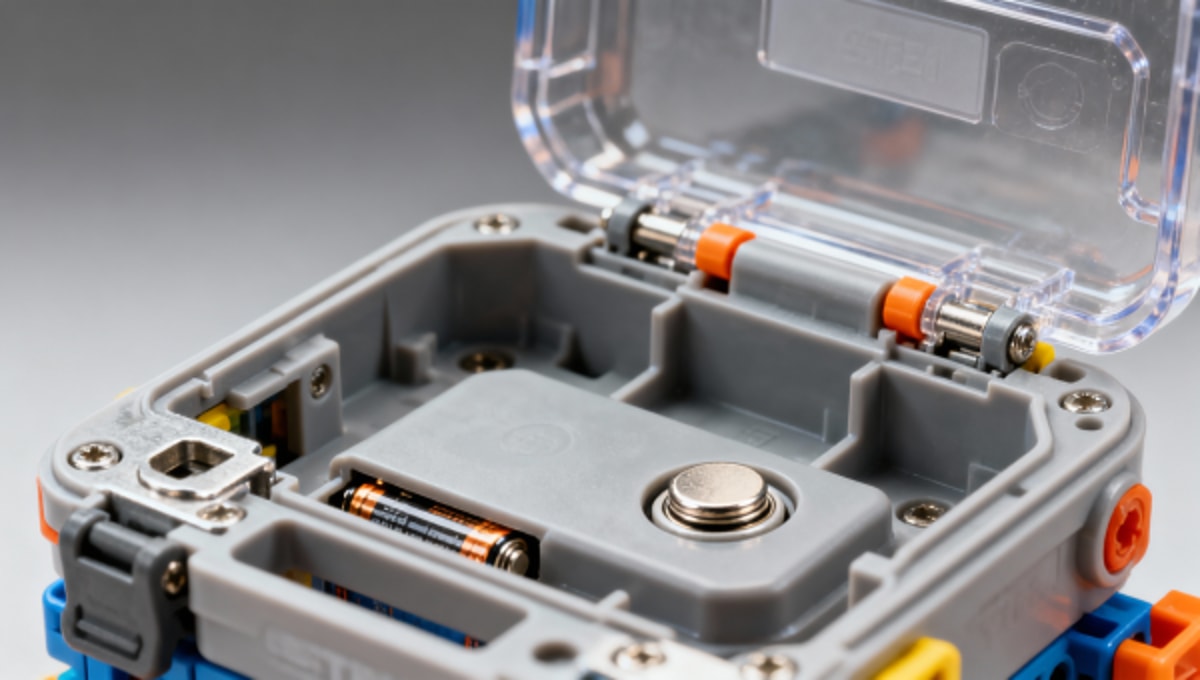
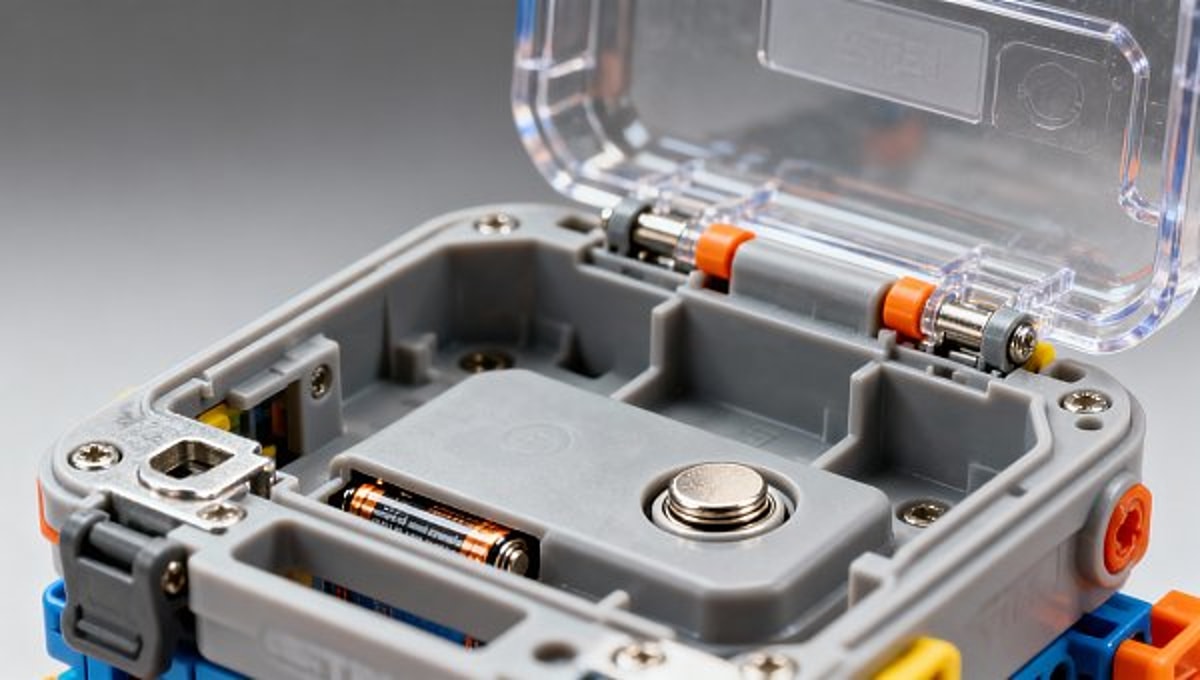
On April 30, 2026, the U.S. Consumer Product Safety Commission (CPSC) issued a new regulatory requirement mandating enhanced mechanical safety testing for battery compartments in STEM educational toys containing button batteries. Effective July 1, 2026, all newly manufactured or imported products must comply with ASTM F963-26 Annex D2 — a revised anti-ingestion test. This update directly affects manufacturers, exporters, and importers engaged in the design, production, and distribution of STEM toys for the U.S. market.
Event Overview
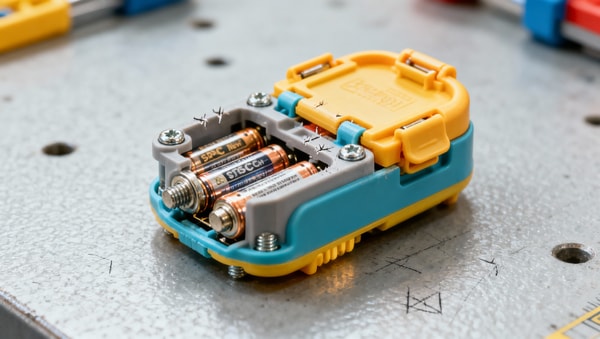
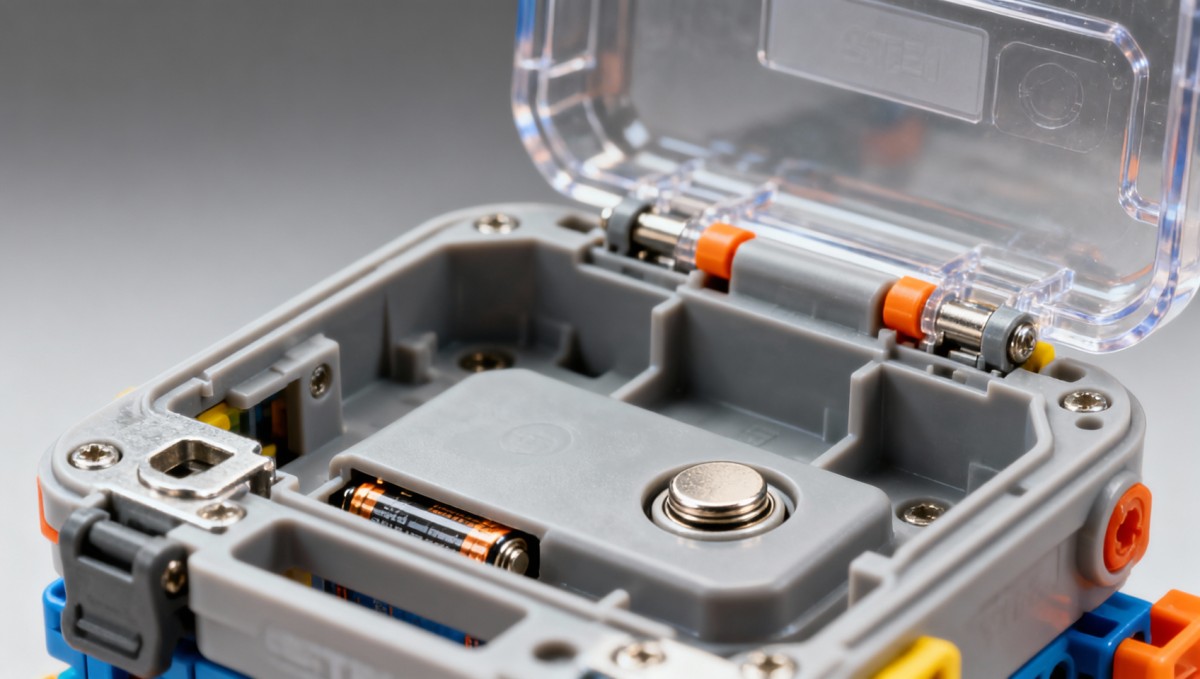
The U.S. CPSC formally published the updated standard on April 30, 2026. It requires all STEM toys incorporating button batteries to pass the newly defined mechanical test for battery compartment integrity (ASTM F963-26 Annex D2). Compliance is mandatory for products manufactured or imported on or after July 1, 2026. The standard imposes stricter requirements on battery compartment cover retention force, resistance to prying, and overall child-resistance to disassembly.
Industries Affected by Segment
Original Equipment Manufacturers (OEMs)
OEMs—particularly those based in China supplying STEM toys to U.S. brands—are directly impacted because the new standard necessitates structural redesign of battery compartments. Changes affect mold tooling, part tolerancing, and assembly sequencing. Verification now requires dedicated mechanical testing per Annex D2—not just electrical or chemical compliance.
Export Trading Companies
Trading firms handling U.S.-bound STEM toy shipments must verify compliance documentation prior to customs clearance. Non-compliant units risk detention or refusal at U.S. ports. The shift increases reliance on third-party lab reports referencing ASTM F963-26 Annex D2 specifically—not earlier versions of ASTM F963.
Product Certification & Testing Service Providers
Laboratories offering CPSC-related certification must update their test protocols and equipment calibration to reflect Annex D2’s force application method, dwell time, and pass/fail criteria. Capacity planning and report templates require revision ahead of the July 2026 enforcement date.
Retail & E-commerce Importers
U.S.-based importers and online retailers sourcing STEM toys must ensure supplier declarations and test reports explicitly reference compliance with ASTM F963-26 Annex D2. Inventory received between July 1, 2026 and the first verified compliant batch may face retesting or rejection if documentation lacks Annex D2 specificity.
What Relevant Enterprises or Practitioners Should Focus On
Monitor official CPSC guidance updates through June 2026
While the rule was published on April 30, 2026, CPSC may issue clarifications or technical FAQs before enforcement begins. Subscribing to CPSC’s RSS feed or regulatory alerts is recommended to track any interpretation notes on Annex D2 applicability scope (e.g., whether certain low-risk STEM kits are exempted).
Identify and prioritize high-volume STEM toy SKUs with button batteries
Not all STEM toys use button batteries—but those that do (e.g., programmable robots, sensor-based learning kits, LED-enhanced building sets) are subject to the rule. Companies should audit current product portfolios to isolate affected items and assess required engineering changes, lead times, and revalidation cycles.
Distinguish between regulatory signal and operational readiness
The April 30 publication marks formal notice—not immediate enforcement. However, production scheduled for late June 2026 must already meet the new standard. Factories should treat mid-June as the de facto cutoff for pre-compliance builds, not July 1.
Prepare for updated lab coordination and documentation workflows
Testing labs may experience demand surges ahead of July 2026. Pre-booking test slots, confirming lab accreditation for Annex D2, and aligning internal QA checklists with the new mechanical test parameters will help avoid delays in shipment scheduling.
Editorial Perspective / Industry Observation
Observably, this update signals CPSC’s continued prioritization of mechanical safety over chemical or labeling-only interventions for children’s products containing button batteries. Analysis shows it reflects an escalation from previous voluntary guidance (e.g., UL 4200A) toward enforceable, test-based verification. While not yet a full ban on button batteries in toys, it significantly raises the barrier to entry for cost-driven designs. From an industry perspective, this is less a one-time compliance event and more a structural recalibration—indicating that future revisions may extend similar mechanical rigor to other small-part enclosures in children’s products. Continuous monitoring beyond July 2026 remains warranted.
Conclusion
At present, the CPSC’s April 30, 2026 announcement represents a targeted, enforceable shift in mechanical safety expectations—not a broad policy overhaul. It is best understood as a defined compliance threshold with clear implementation timing and test methodology. For stakeholders, the priority is not speculation about future rules, but precise alignment with Annex D2’s physical test requirements before July 1, 2026. Current readiness hinges on verification capacity, design iteration timelines, and documentation traceability—not theoretical risk assessment.
Information Sources
Primary source: U.S. Consumer Product Safety Commission (CPSC), Federal Register Notice published April 30, 2026; referenced standard: ASTM F963-26, Annex D2. Ongoing observation is recommended for CPSC-issued implementation guidance or enforcement bulletins, which have not yet been released as of the publication date.
Related Intelligence
 默认分类May 02, 2026WeChat Pay Cross-Border B2B QR Code Integration Live in 5 CountriesWeChat Pay Cross-Border B2B QR Code Integration now live in 5 countries—fast, RMB-settled payments via local e-wallets. Discover how it transforms ASEAN-China trade.
 Electronic & RC ToysMay 02, 2026RC Toy Orders Shift to South China Cluster, Lead Time Cuts to 6 WeeksRC toy orders are shifting to South China’s Dongguan–Shenzhen–Zhongshan cluster, cutting lead times to just 6 weeks—key insight for importers, suppliers & manufacturers.
 Skincare OEMMay 02, 2026FDA Adds New INCI Codes for Plant Stem Cell ExtractsFDA Adds New INCI Codes for Plant Stem Cell Extracts—get compliant now! Learn key requirements for apple, grape & ginseng extracts and avoid shipment rejection.
 Cosmetics & PkgMay 02, 2026SASO Updates Cosmetics Packaging Rules for Plant-Based ActivesSASO updates cosmetics packaging rules for plant-based actives: New EN 13130 & ISO 11664-4 testing required by Aug 1, 2026. Act now!
 Fitness EquipmentMay 02, 2026THE Alliance Cuts Shanghai–LA Capacity; Fitness Equipment Lead Times Extend to 8–10 WeeksFitness equipment lead times now 8–10 weeks due to THE Alliance’s Shanghai–LA capacity cuts—urgently assess procurement, logistics & contingency plans.
 Smart Pet DevicesMay 02, 2026Japan METI Adds Chinese Smart Litter Boxes to Priority Review ListJapan METI adds Chinese smart litter boxes to priority review—fast-track PSE certification in 7 days. Key for exporters, OEMs & compliance providers.
 Infant Feeding & CareMay 02, 2026RCEP ASEAN Fast Track for Infant Feeding Products LaunchedRCEP ASEAN Fast Track now accelerates infant feeding product clearance for NMPA Class II–certified exporters—cut customs time to 5 days in Singapore & Thailand.
 Corporate & Seasonal GiftsMay 02, 2026Germany UBA Launches Carbon Label Pilot for Corporate GiftsCarbon label pilot launched by Germany’s UBA for corporate gifts—key for printing, ink suppliers & ESG procurement teams. Act now to comply.
 Camping & WaterMay 02, 2026Vietnam Suspends Camping & Water Import Licenses, IP6X+Salt Spray RequiredVietnam suspends Camping & Water import licenses: IP6X dustproof + 96h salt spray testing now mandatory for inflatable pumps & boats.
 STEM & Educational ToysMay 02, 2026CPSC Tightens Battery Compartment Standards for STEM ToysCPSC Tightens Battery Compartment Standards for STEM Toys: New ASTM F963-26 Annex D2 rules take effect July 1, 2026—ensure compliance now to avoid shipment delays and recalls.
 Beauty DevicesMay 01, 20262026 Foshan Tanzhou Auto Industry Expo Spring Edition2026 Foshan Tanzhou Auto Industry Expo Spring Edition features the debut 'Beauty Devices & Smart Cabin' zone—driving cross-industry innovation and global sourcing opportunities.
 Electronic & RC ToysMay 01, 2026RC Toy Orders Shift to South China, Lead Time Cuts to 6 WeeksRC toy orders shift to South China with 6-week lead times—key for importers, OEMs & logistics firms. Discover ICTA-QMS certified factories in Shenzhen/Dongguan now driving speed and reliability.
 STEM & Educational ToysMay 01, 2026CPSC Tightens Battery Compartment Standards for STEM ToysCPSC Tightens Battery Compartment Standards for STEM Toys: New 30 N bite-force test mandatory for U.S. market access starting July 1, 2026—act now to avoid shipment delays.