THE Alliance Cuts Shanghai–LA Capacity; Fitness Equipment Lead Times Extend to 8–10 Weeks
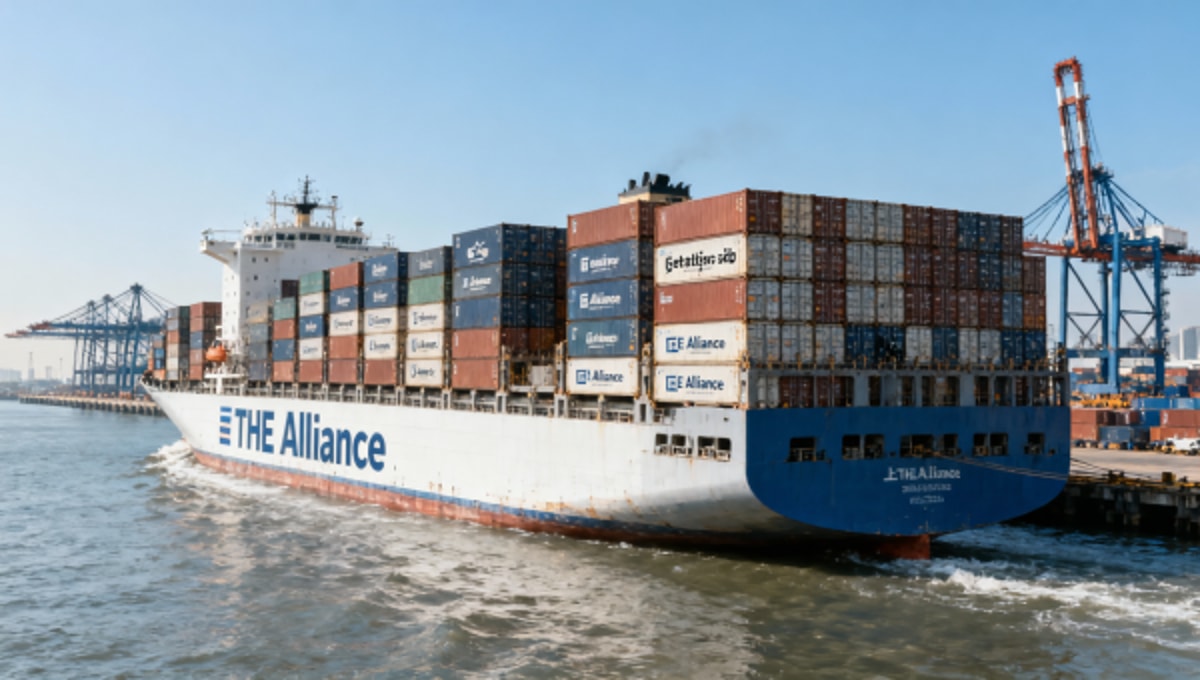
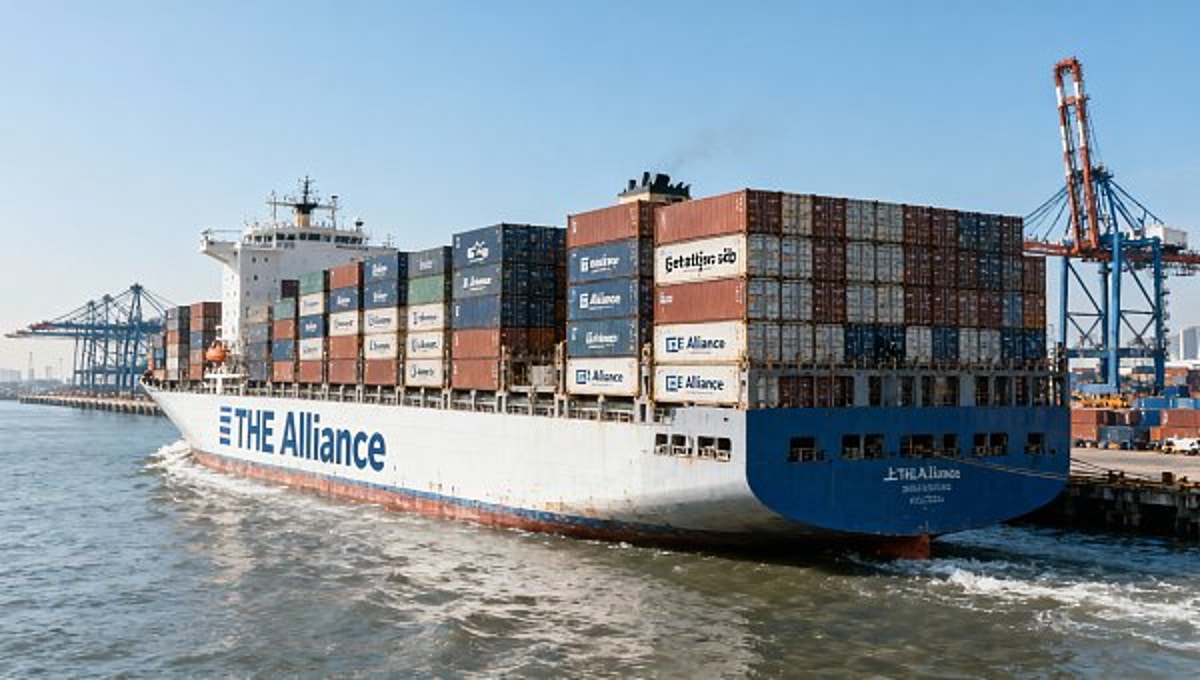
On April 25, 2026, THE Alliance announced capacity reductions on the Shanghai–Los Angeles container shipping route, triggering extended lead times for fitness equipment exports to the U.S. West Coast. This development directly affects manufacturers, exporters, and retail supply chains reliant on timely ocean freight—particularly those serving major U.S. home goods and fitness retail channels.
Event Overview
On April 25, 2026, THE Alliance confirmed it will reduce weekly vessel deployments on the Shanghai–Los Angeles lane by two sailings starting in May 2026. This decision coincides with ongoing labor negotiations at U.S. West Coast ports, introducing additional uncertainty into port operations. As a result, average container booking wait times for fitness equipment shipments have risen to six weeks. When combined with ocean transit, U.S. customs clearance, and inland transportation, total delivery cycles now range from eight to ten weeks. Multiple U.S.-based home goods and fitness retail chains have reportedly initiated forward procurement planning in response.
Industries Affected
Direct Exporters (Fitness Equipment Manufacturers & Trading Companies)
These firms face immediate pressure on order fulfillment timelines. The extended booking window—now six weeks—reduces flexibility in responding to seasonal demand shifts or promotional windows. Delays compound downstream as longer ocean + inland transit compress available time for quality checks, labeling, and warehouse staging prior to retail distribution.
U.S. Retail & Distribution Channels (Home Goods & Fitness Chains)
Retailers relying on just-in-time replenishment models are exposed to stockouts during peak selling periods (e.g., Q4 holiday season or New Year fitness campaigns). The reported shift toward “forward procurement” signals a strategic pivot toward earlier ordering—but this increases working capital requirements and inventory holding risk if demand forecasts prove inaccurate.
Logistics & Freight Forwarding Providers
Forwarders handling fitness equipment consignments must now manage heightened client expectations around visibility and contingency planning. With THE Alliance reducing capacity on a key Asia–U.S. corridor, alternative carrier options (e.g., non-Alliance carriers or transshipment via other U.S. gateways) may face constrained space or higher surcharges—requiring proactive rate and schedule validation ahead of booking windows.
What Stakeholders Should Monitor and Do Now
Track official updates on U.S. West Coast labor talks and THE Alliance’s capacity statements
The current lead-time extension stems from both scheduled capacity cuts and unresolved port labor conditions. Stakeholders should monitor joint statements from the Pacific Maritime Association (PMA) and International Longshore and Warehouse Union (ILWU), as well as THE Alliance’s monthly service advisories—not just for timing but for potential scope changes (e.g., whether reductions expand beyond Shanghai or include equipment reallocation).
Review shipment profiles by product category, destination ZIP code, and retailer-specific requirements
Fitness equipment varies widely in size, weight, and packaging complexity (e.g., assembled vs. knock-down units). Carriers and forwarders may apply differentiated space allocation or priority rules. Firms should audit which SKUs are most sensitive to delay (e.g., high-turnover treadmills vs. low-volume commercial strength racks) and prioritize those in early booking cycles.
Validate inland transportation capacity and drayage windows at Los Angeles/Long Beach
Extended ocean lead times mean more containers arrive simultaneously at peak periods. Drayage appointment availability and chassis shortages at the terminal level can add unplanned days—even if the vessel arrives on schedule. Confirming pre-booked drayage slots and reviewing intermodal rail alternatives (e.g., to inland hubs like Chicago or Dallas) is now operationally critical.
Update internal planning calendars for procurement, production, and logistics handoffs
A shift from 4–6 week to 8–10 week total cycle time requires recalibrating internal milestones: raw material orders must move earlier; factory production scheduling needs buffer adjustments; and documentation preparation (e.g., FDA listings for motorized equipment, CBP entry filings) must begin at least three weeks pre-sailing—not one week.
Editorial Observation / Industry Perspective
Observably, this capacity adjustment functions less as an isolated operational change and more as a signal of tightening trans-Pacific network resilience. While THE Alliance’s move is formally tied to seasonal demand rebalancing, its timing—amid unresolved West Coast labor talks—amplifies systemic vulnerability in the primary U.S. import corridor for consumer durables. Analysis shows that fitness equipment exporters are particularly exposed due to their reliance on full-container-load (FCL) shipments, limited modal alternatives, and sensitivity to retail calendar deadlines. It is not yet clear whether this represents a short-term correction or the start of sustained capacity discipline across alliances; however, the fact that retailers are proactively adjusting procurement behavior suggests market participants are treating it as a near-term structural constraint.
Conclusion
This capacity reduction underscores how alliance-level network decisions—when layered atop labor and infrastructure uncertainties—can rapidly reshape delivery expectations across global consumer goods supply chains. For stakeholders, it is not primarily about reacting to one schedule change, but about reassessing end-to-end timeline assumptions in procurement, production, and distribution planning. Currently, this development is best understood as a stress test of existing supply chain buffers—not a temporary anomaly, nor a permanent new baseline, but a prompt to verify operational readiness against compressed planning horizons.
Information Sources
Main source: Official service advisory issued by THE Alliance on April 25, 2026. Ongoing developments related to U.S. West Coast port labor negotiations remain subject to confirmation by the Pacific Maritime Association and ILWU; these are noted as items requiring continued observation.
Related Intelligence
 默认分类May 02, 2026WeChat Pay Cross-Border B2B QR Code Integration Live in 5 CountriesWeChat Pay Cross-Border B2B QR Code Integration now live in 5 countries—fast, RMB-settled payments via local e-wallets. Discover how it transforms ASEAN-China trade.
 Electronic & RC ToysMay 02, 2026RC Toy Orders Shift to South China Cluster, Lead Time Cuts to 6 WeeksRC toy orders are shifting to South China’s Dongguan–Shenzhen–Zhongshan cluster, cutting lead times to just 6 weeks—key insight for importers, suppliers & manufacturers.
 Skincare OEMMay 02, 2026FDA Adds New INCI Codes for Plant Stem Cell ExtractsFDA Adds New INCI Codes for Plant Stem Cell Extracts—get compliant now! Learn key requirements for apple, grape & ginseng extracts and avoid shipment rejection.
 Cosmetics & PkgMay 02, 2026SASO Updates Cosmetics Packaging Rules for Plant-Based ActivesSASO updates cosmetics packaging rules for plant-based actives: New EN 13130 & ISO 11664-4 testing required by Aug 1, 2026. Act now!
 Fitness EquipmentMay 02, 2026THE Alliance Cuts Shanghai–LA Capacity; Fitness Equipment Lead Times Extend to 8–10 WeeksFitness equipment lead times now 8–10 weeks due to THE Alliance’s Shanghai–LA capacity cuts—urgently assess procurement, logistics & contingency plans.
 Smart Pet DevicesMay 02, 2026Japan METI Adds Chinese Smart Litter Boxes to Priority Review ListJapan METI adds Chinese smart litter boxes to priority review—fast-track PSE certification in 7 days. Key for exporters, OEMs & compliance providers.
 Infant Feeding & CareMay 02, 2026RCEP ASEAN Fast Track for Infant Feeding Products LaunchedRCEP ASEAN Fast Track now accelerates infant feeding product clearance for NMPA Class II–certified exporters—cut customs time to 5 days in Singapore & Thailand.
 Corporate & Seasonal GiftsMay 02, 2026Germany UBA Launches Carbon Label Pilot for Corporate GiftsCarbon label pilot launched by Germany’s UBA for corporate gifts—key for printing, ink suppliers & ESG procurement teams. Act now to comply.
 Camping & WaterMay 02, 2026Vietnam Suspends Camping & Water Import Licenses, IP6X+Salt Spray RequiredVietnam suspends Camping & Water import licenses: IP6X dustproof + 96h salt spray testing now mandatory for inflatable pumps & boats.
 STEM & Educational ToysMay 02, 2026CPSC Tightens Battery Compartment Standards for STEM ToysCPSC Tightens Battery Compartment Standards for STEM Toys: New ASTM F963-26 Annex D2 rules take effect July 1, 2026—ensure compliance now to avoid shipment delays and recalls.
 Beauty DevicesMay 01, 20262026 Foshan Tanzhou Auto Industry Expo Spring Edition2026 Foshan Tanzhou Auto Industry Expo Spring Edition features the debut 'Beauty Devices & Smart Cabin' zone—driving cross-industry innovation and global sourcing opportunities.
 Electronic & RC ToysMay 01, 2026RC Toy Orders Shift to South China, Lead Time Cuts to 6 WeeksRC toy orders shift to South China with 6-week lead times—key for importers, OEMs & logistics firms. Discover ICTA-QMS certified factories in Shenzhen/Dongguan now driving speed and reliability.
 STEM & Educational ToysMay 01, 2026CPSC Tightens Battery Compartment Standards for STEM ToysCPSC Tightens Battery Compartment Standards for STEM Toys: New 30 N bite-force test mandatory for U.S. market access starting July 1, 2026—act now to avoid shipment delays.