Vietnam Suspends Camping & Water Import Licenses, IP6X+Salt Spray Required
On April 29, 2026, Vietnam’s Ministry of Industry and Trade (MOIT) announced an immediate suspension of import license applications for products under the Camping & Water category — particularly targeting inflatable water pumps and portable inflatable boats. This measure directly affects exporters and suppliers in outdoor recreation, marine accessories, and portable power equipment sectors, introducing new compliance requirements that impact lead times, certification workflows, and cross-border supply chain planning.
Event Overview
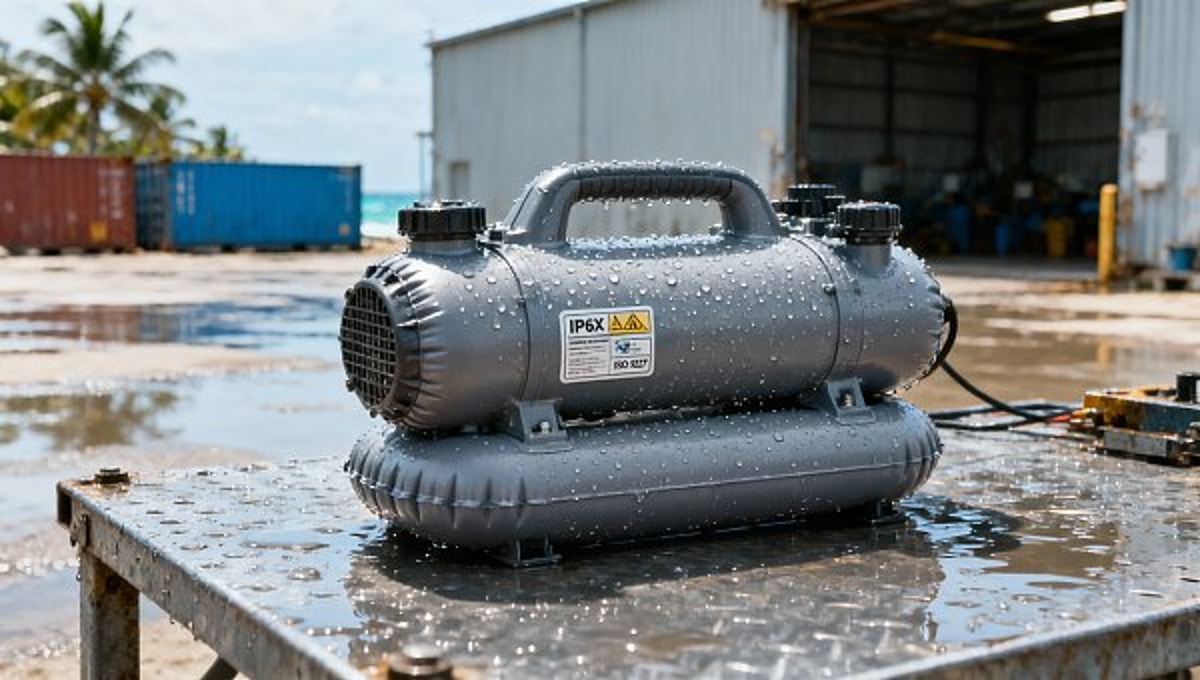
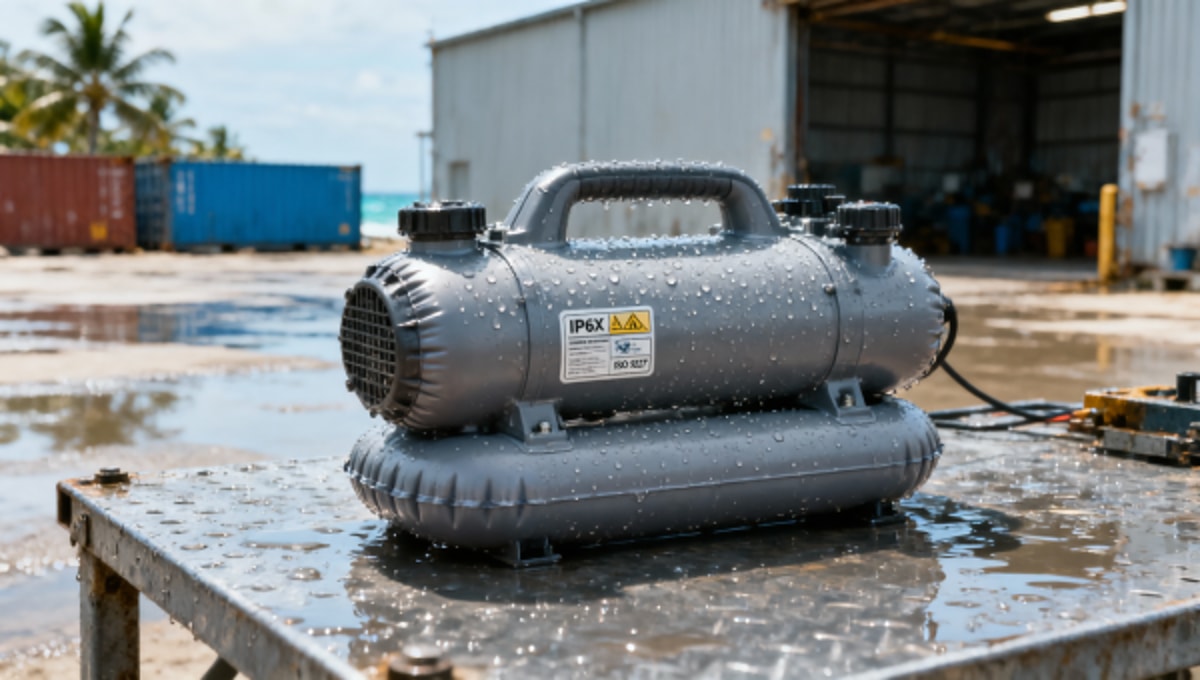
On April 29, 2026, the Ministry of Industry and Trade of Vietnam (MOIT) issued a notice suspending the acceptance of all import license applications for goods classified under the Camping & Water category. The suspension specifically applies to inflatable water pumps and portable inflatable boats. MOIT requires affected products to submit test reports verifying compliance with both IP6X dust protection rating and neutral salt spray (NSS) resistance for 96 hours. These reports must be issued by laboratories accredited under Vietnam’s National Accreditation System (VILAS). The suspension is effective immediately and remains in force until further notice.
Industries Affected
Direct Exporters & Trading Companies
Exporters handling Camping & Water products destined for Vietnam face immediate delays in import license processing. Since licenses cannot be issued without VILAS-validated IP6X and NSS 96h reports, shipments scheduled for Q2–Q3 2026 may experience clearance delays of 4–6 weeks. This impacts cash flow, delivery commitments, and contractual penalty exposure.
Manufacturers & OEM/ODM Producers
Manufacturers supplying inflatable pumps or related water gear must now verify whether their existing product certifications cover both IP6X and NSS 96h — two distinct test regimes not typically bundled in standard CE or UL evaluations. Facilities lacking pre-existing test data will need to engage VILAS-accredited labs, extending product readiness timelines and increasing certification costs.
Distribution & Channel Partners in Vietnam
Local distributors and import agents can no longer initiate new license applications for covered items. Inventory planning is constrained: stockpiling pre-suspension units may mitigate short-term gaps, but unsold units without compliant documentation risk customs hold or rejection upon arrival — especially during post-clearance verification checks.
Supply Chain & Certification Service Providers
Third-party testing labs, certification consultants, and logistics coordinators supporting Vietnam-bound exports must now prioritize scheduling for IP6X and NSS 96h tests. Lab capacity at VILAS-accredited facilities is expected to tighten, potentially lengthening turnaround times beyond standard benchmarks — requiring earlier engagement and documentation alignment.
What Stakeholders Should Monitor & Do Now
Track official MOIT updates and any phased implementation guidance
MOIT has not yet published a formal list of excluded SKUs, transitional allowances, or grandfathering clauses. Observably, stakeholders should monitor MOIT’s official portal and Vietnam Customs notifications for clarifications on scope, effective duration, and possible exemptions.
Identify and triage affected SKUs by technical specification — not just category label
“Camping & Water” is a broad classification. Analysis shows that only devices with direct water immersion use (e.g., inflatable boat pumps, submersible bilge pumps) are under scrutiny — not dry-use camping gear like lanterns or tents. Companies should map product usage context, ingress protection design intent, and material corrosion resistance to determine applicability.
Verify lab accreditation status before commissioning testing
Not all internationally accredited labs are VILAS-recognized. Prior to initiating IP6X or NSS testing, confirm the laboratory holds active VILAS accreditation for the specific test standards referenced in MOIT’s notice (IEC 60529 for IP6X; ISO 9227 for NSS). Reports from non-VILAS labs will not satisfy the requirement.
Adjust procurement and shipping schedules to absorb 4–6 week clearance extension
Current clearance delays are tied to certification gaps — not customs processing speed. From industry perspective, this means buffer time must be added upstream: production planning, lab booking, document preparation, and freight booking should all shift forward by at least five weeks to maintain on-time delivery windows.
Editorial Insight / Industry Observation
This measure is better understood as a regulatory signal than an isolated compliance update. Observably, MOIT’s focus on dual environmental resilience (dust + salt corrosion) reflects growing emphasis on product durability in tropical coastal conditions — a trend seen previously in Vietnam’s updated electrical safety rules and ASEAN-wide harmonization efforts. Analysis suggests it may presage broader adoption of combined ingress/corrosion testing across other moisture-exposed categories (e.g., solar-powered outdoor tools, marine lighting). For now, it functions as a de facto quality gate — separating products built for transient use from those engineered for sustained marine environments.
It is not yet clear whether this is a temporary tightening or the start of a permanent requirement. What is certain is that MOIT is using licensing as a policy lever to enforce localized conformity — making pre-market verification more consequential than post-import inspection.
Conclusion
MOIT’s April 29, 2026 suspension marks a procedural shift in Vietnam’s import governance for water-related outdoor equipment — moving from category-based licensing to performance-based verification. It does not ban imports, but redefines entry conditions around verifiable environmental resilience. Current interpretation should center on operational preparedness: this is less about regulatory surprise and more about aligning technical documentation with Vietnam’s evolving expectations for product longevity in humid, saline settings.
Information Sources
Primary source: Official notice issued by the Ministry of Industry and Trade of Vietnam (MOIT), dated April 29, 2026.
Note: MOIT’s detailed implementation guidelines, scope definitions, and potential exemptions remain pending and require ongoing monitoring.
Related Intelligence
 默认分类May 02, 2026WeChat Pay Cross-Border B2B QR Code Integration Live in 5 CountriesWeChat Pay Cross-Border B2B QR Code Integration now live in 5 countries—fast, RMB-settled payments via local e-wallets. Discover how it transforms ASEAN-China trade.
 Electronic & RC ToysMay 02, 2026RC Toy Orders Shift to South China Cluster, Lead Time Cuts to 6 WeeksRC toy orders are shifting to South China’s Dongguan–Shenzhen–Zhongshan cluster, cutting lead times to just 6 weeks—key insight for importers, suppliers & manufacturers.
 Skincare OEMMay 02, 2026FDA Adds New INCI Codes for Plant Stem Cell ExtractsFDA Adds New INCI Codes for Plant Stem Cell Extracts—get compliant now! Learn key requirements for apple, grape & ginseng extracts and avoid shipment rejection.
 Cosmetics & PkgMay 02, 2026SASO Updates Cosmetics Packaging Rules for Plant-Based ActivesSASO updates cosmetics packaging rules for plant-based actives: New EN 13130 & ISO 11664-4 testing required by Aug 1, 2026. Act now!
 Fitness EquipmentMay 02, 2026THE Alliance Cuts Shanghai–LA Capacity; Fitness Equipment Lead Times Extend to 8–10 WeeksFitness equipment lead times now 8–10 weeks due to THE Alliance’s Shanghai–LA capacity cuts—urgently assess procurement, logistics & contingency plans.
 Smart Pet DevicesMay 02, 2026Japan METI Adds Chinese Smart Litter Boxes to Priority Review ListJapan METI adds Chinese smart litter boxes to priority review—fast-track PSE certification in 7 days. Key for exporters, OEMs & compliance providers.
 Infant Feeding & CareMay 02, 2026RCEP ASEAN Fast Track for Infant Feeding Products LaunchedRCEP ASEAN Fast Track now accelerates infant feeding product clearance for NMPA Class II–certified exporters—cut customs time to 5 days in Singapore & Thailand.
 Corporate & Seasonal GiftsMay 02, 2026Germany UBA Launches Carbon Label Pilot for Corporate GiftsCarbon label pilot launched by Germany’s UBA for corporate gifts—key for printing, ink suppliers & ESG procurement teams. Act now to comply.
 Camping & WaterMay 02, 2026Vietnam Suspends Camping & Water Import Licenses, IP6X+Salt Spray RequiredVietnam suspends Camping & Water import licenses: IP6X dustproof + 96h salt spray testing now mandatory for inflatable pumps & boats.
 STEM & Educational ToysMay 02, 2026CPSC Tightens Battery Compartment Standards for STEM ToysCPSC Tightens Battery Compartment Standards for STEM Toys: New ASTM F963-26 Annex D2 rules take effect July 1, 2026—ensure compliance now to avoid shipment delays and recalls.
 Beauty DevicesMay 01, 20262026 Foshan Tanzhou Auto Industry Expo Spring Edition2026 Foshan Tanzhou Auto Industry Expo Spring Edition features the debut 'Beauty Devices & Smart Cabin' zone—driving cross-industry innovation and global sourcing opportunities.
 Electronic & RC ToysMay 01, 2026RC Toy Orders Shift to South China, Lead Time Cuts to 6 WeeksRC toy orders shift to South China with 6-week lead times—key for importers, OEMs & logistics firms. Discover ICTA-QMS certified factories in Shenzhen/Dongguan now driving speed and reliability.
 STEM & Educational ToysMay 01, 2026CPSC Tightens Battery Compartment Standards for STEM ToysCPSC Tightens Battery Compartment Standards for STEM Toys: New 30 N bite-force test mandatory for U.S. market access starting July 1, 2026—act now to avoid shipment delays.