Toy Compliance Problems That Show Up After Production Starts
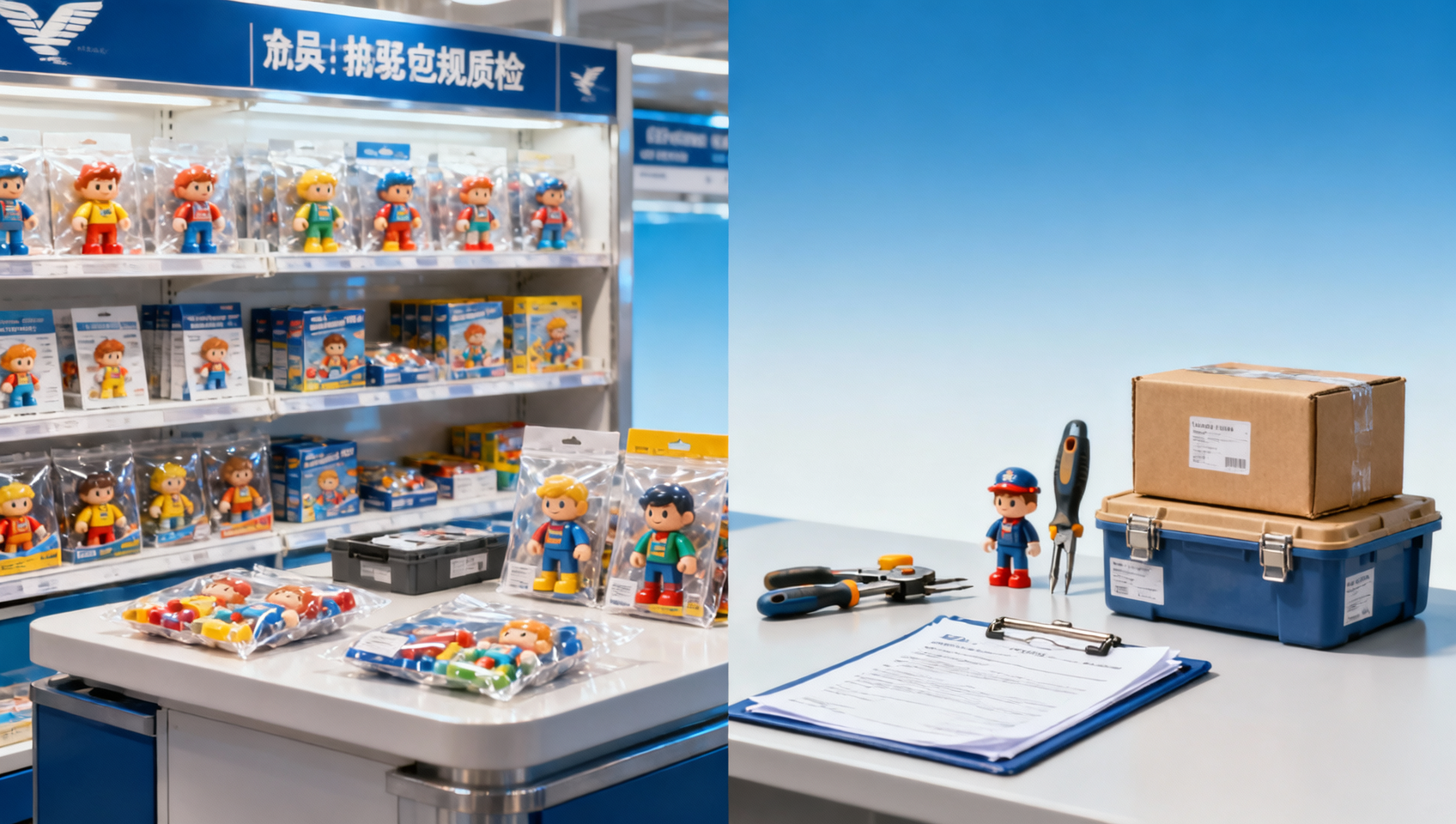
Toy compliance issues often emerge only after mass production begins, creating costly delays for buyers, factories, and brand teams. For sourcing professionals working with playpen manufacturers, stroller OEM partners, or CPC toys programs, early visibility into toy compliance risks is essential. This guide explains why hidden failures happen, how they affect timelines and budgets, and what global teams can do to prevent them.
Why do toy compliance problems surface only after production starts?
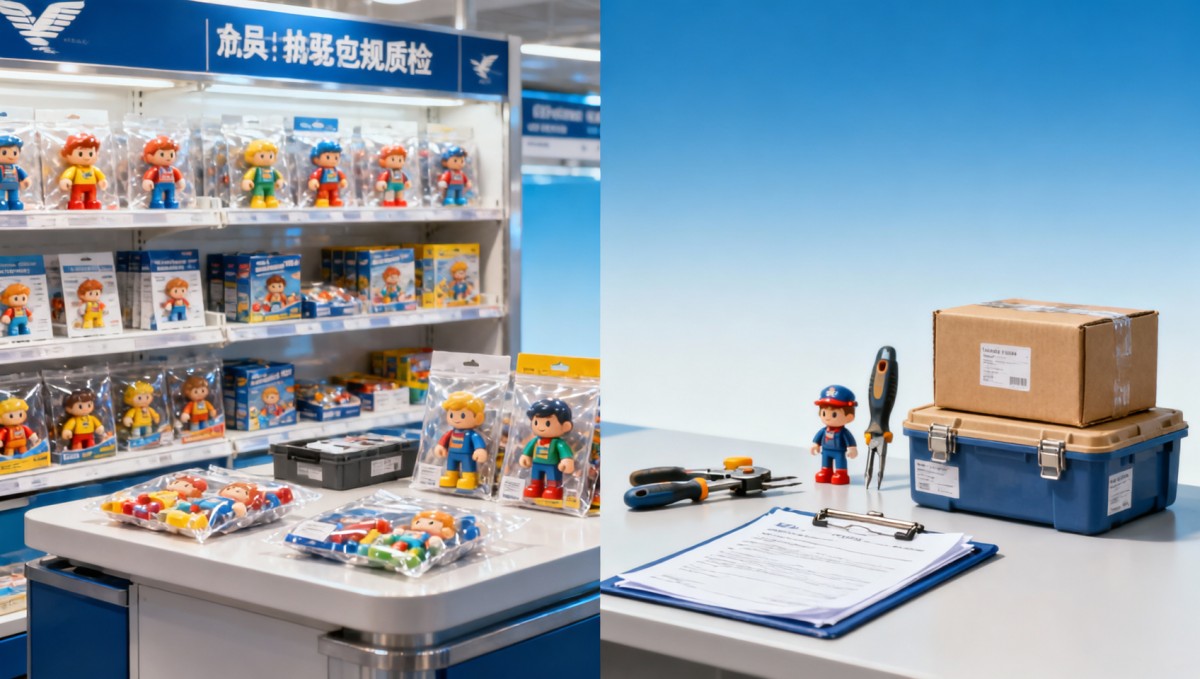
In travel retail, family resorts, airport stores, cruise gift shops, and destination-based souvenir programs often source toys under tight launch calendars. A product may look commercial-ready during sampling, yet fail once mass production introduces new dyes, alternate plastics, print variation, or packaging changes. This is why toy compliance problems frequently appear in week 2–4 of production rather than in the sample room.
For procurement teams, the issue is rarely a single test failure. It is usually a chain reaction: an approved sample uses one material set, the production line substitutes another, the label artwork changes for a tourist market, and the final pack no longer matches the compliance file. In travel service channels, where replenishment windows can be as short as 7–15 days before a seasonal surge, that mismatch can disrupt the whole buying plan.
Operators and quality managers also face a practical challenge. Factories often prioritize output once production starts, while compliance review remains document-based. If testing is delayed until 30%–50% of goods are completed, any failure can trigger rework across finished inventory, packaging stock, and booked freight. For finance approvers, this turns a low-visibility technical issue into an immediate cost and margin issue.
Global Consumer Sourcing supports retail buyers and sourcing leaders by connecting product compliance thinking with commercial timing. Instead of treating CPC toys requirements, labeling, mechanical safety, and chemical restrictions as isolated checkpoints, GCS frames them as part of the buying decision, supplier screening, and launch-readiness process.
The most common hidden triggers in mass production
Most late-stage toy compliance failures come from a small group of recurring triggers. These do not always appear in pre-production samples because sample builds use controlled conditions, smaller material lots, and more senior oversight than normal production.
- Material substitutions after cost negotiation, such as replacing coatings, inks, or soft plastic compounds without updating the test plan.
- Artwork and language updates for tourist destinations, duty-free channels, or multi-country travel retail packs that alter warnings, age grading, or traceability fields.
- Packaging redesigns that introduce staples, small detachable parts, polybag thickness issues, or missing importer details.
- Production-line variation between day shift and night shift, especially when outsourced sub-suppliers handle printing, sewing, or accessory attachment.
When travel service buyers plan products for hotel shops, museum stores, tourist attractions, or transport hubs, they need a control point before bulk output reaches the halfway mark. A practical checkpoint is to verify materials, labels, and pack-out after the first 5%–10% of production, not only at final inspection.
Why sample approval is not enough
Approved samples support design validation, but they do not guarantee stable compliance across 1,000, 10,000, or 100,000 units. Mass production introduces batch variation, operator differences, and sourcing pressure. This is especially relevant for toys sold in travel environments, where product mix often includes compact, impulse-purchase, or souvenir-oriented items with many decorative finishes.
That is why purchasing managers should separate three approvals: golden sample approval, production material approval, and market-label approval. Treating these as 3 distinct gates reduces the chance that a toy passes design review but fails legal sale requirements later.
Which compliance risks matter most for travel retail and tourism-linked toy programs?
Tourism-linked toy sourcing has a specific risk profile. Products often move across multiple markets, serve gift-driven buying behavior, and need packaging that works in airports, hotels, cruise terminals, theme locations, and destination stores. That means compliance must cover not just product safety, but also labeling fit, traceability, and market-specific documentation.
For example, a toy intended for a beach resort shop may be treated as a simple souvenir during design, but if it is marketed to children, the compliance obligations become much stricter. Age grading, mechanical safety, flammability where relevant, and chemical restrictions can all become procurement-critical. The risk becomes larger when a travel distributor wants one packaging format to serve 3–5 destination markets.
Buyers evaluating playpen manufacturers or stroller OEM partners who also develop toy accessories should pay special attention to mixed-category products. Once a hanging toy, activity bar, or attached play component is added, documentation scope can change. Operations teams should not assume that compliance paperwork for a juvenile product automatically covers all toy-linked elements.
The table below helps procurement teams compare the most common compliance exposure points seen in travel service toy channels and related family-product programs.
For sourcing and commercial teams, the key lesson is that travel retail toy compliance is operational, not just legal. It affects inventory timing, launch seasonality, and partner confidence. A distributor supplying 20 resort locations may tolerate a 3-day document correction, but not a 3-week production reset.
What should different stakeholders check?
Different job functions need different controls. Trying to manage all compliance through one department usually causes blind spots.
- Procurement teams should confirm BOM lock, test scope, and supplier change-control terms before purchase order release.
- Quality and safety managers should verify in-line samples, packaging compliance, and production consistency at least once during early bulk and once before final inspection.
- Project managers should align launch milestones with 2 checkpoints: pre-bulk review and pre-shipment document review.
- Finance approvers should ask which failures create relabel-only cost and which trigger full rework or retesting cost.
This cross-functional approach is where GCS adds value. Buyers do not just need product lists; they need decision-ready intelligence that connects compliance timing, supplier capability, and commercial execution.
How should buyers evaluate suppliers before bulk toy production begins?
The best time to solve toy compliance problems is before the first production run. For travel service businesses, where shelf windows align with holiday peaks, summer programs, or destination events, prevention is cheaper than correction. A practical supplier evaluation model uses 4 layers: product design control, material traceability, production consistency, and documentation discipline.
Many sourcing teams still compare suppliers mainly on price, MOQ, and lead time. That is incomplete. A factory offering a 5% lower price may create a much larger downstream cost if it cannot maintain approved materials or update CPC toys files correctly. Procurement decisions should factor in the cost of delay, relabeling, retesting, and missed sales windows.
For operators and technical reviewers, the most useful question is not “Can this supplier pass a test?” but “Can this supplier keep passing once production volume increases?” Repeatability matters more than one-off success. This is especially true for toy programs linked to souvenir stores, travel bundles, family attractions, and seasonal tourism campaigns.
The following evaluation table can help teams structure supplier comparison before confirming production.
This framework helps business evaluators and decision-makers compare suppliers beyond headline quotations. It also gives finance teams a clearer basis for approving higher-value suppliers when the risk-adjusted total cost is lower.
A practical 6-point procurement checklist
Before approving bulk production, teams should confirm these 6 points. Missing even 1 can create costly problems later.
- The tested sample and the production BOM are matched line by line.
- Artwork for warnings, age grading, and importer data is frozen.
- Any sub-supplier for printing, trimming, or accessories is disclosed.
- In-line inspection timing is defined, ideally before 10% and around 60% completion.
- Retesting responsibility and cost allocation are written into the order terms.
- Shipment booking is not finalized until compliance documents are aligned with final goods.
For GCS users, this kind of checklist turns market intelligence into a sourcing control tool. It supports better vendor selection, faster internal approvals, and fewer surprises during launch planning.
What are the cost, timeline, and workflow consequences of late compliance failure?
A late toy compliance issue does more than delay shipment. In travel service channels, it can break event timing, destination promotions, and high-season merchandising plans. If a family travel retailer misses a school holiday window or a cruise operator misses a sailing cycle, the commercial loss may exceed the cost of the goods themselves.
The impact usually appears in 3 layers. First comes direct cost: retesting, relabeling, repacking, or partial rework. Second comes schedule cost: extra 7–21 days for correction, document review, and shipping adjustment. Third comes decision cost: emergency approvals, rushed freight planning, and strained retailer-supplier relationships.
For project managers and after-sales teams, late compliance failure also creates internal complexity. Customer service scripts may need updating, destination outlets may need temporary substitutions, and distributors may ask for split shipments. This increases workload across teams that were not involved in the original sourcing decision.
The smartest approach is to define a response workflow before production starts. That way, if a failure occurs, teams move quickly instead of debating ownership during a crisis.
A 4-step response workflow for late-stage compliance issues
- Step 1: Isolate the scope within 24 hours. Identify affected SKU, material lot, packaging version, and production quantity already completed.
- Step 2: Decide correction type within 48 hours. Separate relabel-only issues from material-related failures that require deeper rework or retesting.
- Step 3: Rebuild the shipment plan. Evaluate whether partial release, split shipment, or substitute SKU can protect travel retail launch dates.
- Step 4: Update the supplier control file. Record root cause, corrective action, and future approval conditions before the next order cycle.
When this workflow is formalized, decision-makers can compare alternatives more clearly. A 2-day relabel fix may be acceptable. A 14-day retest with uncertain pass probability may require a replacement strategy. GCS helps buyers think through these trade-offs before they become expensive.
Cost-aware alternatives buyers should consider
Not every issue needs the same remedy. If the problem is documentation or carton marking, a controlled relabel process may protect margin. If the issue is a chemical or mechanical failure, deeper corrective action is usually unavoidable. Commercial teams should therefore classify risk into at least 3 levels: admin-only, packaging-related, and product-safety-related.
This classification improves budget approval and supplier negotiation. It also helps distributors and agents decide whether to wait, substitute, or redistribute inventory across lower-risk channels.
FAQ: what do buyers, quality teams, and decision-makers ask most often?
The questions below reflect common concerns from sourcing researchers, operators, commercial evaluators, and quality managers handling toy compliance in travel retail and related consumer goods programs.
How early should toy compliance review begin?
It should begin before PO release, not after production starts. A practical timeline includes 3 checkpoints: sample-stage review, pre-bulk confirmation, and in-line verification during the first 5%–10% of output. Waiting until final inspection is too late for most meaningful corrections.
What should buyers focus on when sourcing for tourism and travel service channels?
Focus on market fit and execution fit at the same time. That means checking not only the toy itself, but also destination labeling, multi-language warnings where needed, packaging durability for high-traffic retail environments, and the supplier’s ability to manage short replenishment cycles. For airport, resort, and cruise channels, timing discipline is often as important as test readiness.
Can a supplier with passed sample tests still create a compliance problem later?
Yes. Sample compliance does not guarantee production compliance. Changes in raw materials, colorants, accessories, packaging components, or subcontracted processes can all introduce new risk. That is why buyers should request change-control terms and maintain document alignment through bulk production.
How long can a late compliance correction delay shipment?
It depends on the issue type. Relabeling or packaging correction may take a few days, while retesting or component replacement can extend timelines by 1–3 weeks. For seasonal tourism programs, even a 7-day delay can materially affect store readiness and promotional sell-through.
Why work with GCS when evaluating toy compliance risk and sourcing decisions?
Global Consumer Sourcing is built for buyers, brand owners, and procurement leaders who need more than factory lists. In categories such as Gifts & Toys, the real challenge is turning fragmented compliance details into clear sourcing decisions. GCS helps teams evaluate supplier capability, documentation discipline, category risk, and launch timing in one commercial framework.
For travel service businesses, this matters because product compliance and route-to-market are tightly connected. A toy intended for family resorts, destination retail, airport outlets, or cruise programs must be sourced with visibility into safety expectations, packaging execution, and seasonal supply chain timing. GCS supports that process with focused market intelligence and category-specific analysis.
If you are comparing playpen manufacturers, stroller OEM partners, souvenir toy suppliers, or CPC toys sourcing options, you can consult GCS for practical support on supplier screening, compliance checkpoints, production risk review, and launch planning. Teams often ask for guidance on 4 areas: parameter confirmation, product selection, delivery timelines, and certification requirements.
Contact GCS when you need a clearer basis for sample approval, bulk production control, packaging review, certification planning, sample support, or quotation discussions. This is especially useful when your internal stakeholders include sourcing, quality, finance, project management, and distribution teams that all need aligned answers before committing to the next order cycle.
Related Intelligence
 Cosmetics & PkgApr 23, 2026SAMR Penalizes 7 Platforms for 'Ghost Food Delivery' PackagingSAMR penalizes 7 platforms for 'ghost food delivery' packaging—critical for infant pouch & supplement container suppliers. Verify your Food-Related Product Production License now to secure global orders.
 Cosmetics & PkgApr 23, 2026EU EPR Dual-Country Registration Effective for Cosmetics PackagingEU EPR Dual-Country Registration is now mandatory for cosmetics packaging in France & Germany—register with ADEME and EAR by April 2026 to avoid delisting.
 Cosmetics & PkgApr 23, 2026US FDA Enforces VCRP Registration for Cosmetic Packaging as of Apr 22, 2026US FDA mandates VCRP registration for cosmetic packaging as of Apr 22, 2026 — learn how bottles, tubes & aerosol cans must comply to clear U.S. customs.
 Corporate & Seasonal GiftsApr 23, 2026TÜV Rheinland LCA Rule for Green Gift Packaging Takes Effect in EUTÜV Rheinland LCA Rule for Green Gift Packaging is now live in EU—mandatory carbon heat maps & certified LCAs required for DE/AT/NL market access. Act now!
 Beauty DevicesApr 23, 2026Global Li-ion Recycling Rate Hits 62%: Beauty Device Battery BOM Cost Down 9%Li-ion recycling rate hits 62% — beauty device battery BOM costs drop 9%. Discover how this boosts margins, cuts lead times, and strengthens global supply agility.
 Nursery Furniture & MonitorsApr 23, 2026Canton Fair Phase III: Baby Monitors Surge, EN60601-1-12 Focus in Middle EastCanton Fair Phase III: Baby monitors surge 142%—Middle East buyers prioritize EN60601-1-12:2023 compliance. Discover key implications for exporters & certifiers.
 Infant Feeding & CareApr 23, 2026JETRO Mandates Blockchain Batch Codes for Infant Silicone Feeding ProductsJETRO mandates blockchain batch codes for infant silicone feeding products—pacifiers, teething rings & spoons—to ensure traceability and market access in Japan. Act now!
 STEM & Educational ToysApr 23, 2026SASO Cuts AI Module Certification for STEM Toys to 24 HoursSASO Cuts AI Module Certification for STEM Toys to 24 Hours — Fast-track CoC for voice/image AI toys entering Saudi Arabia. Act now before summer procurement!
 Smart Pet DevicesApr 23, 2026Vietnam Enforces ISO 13485 + Vietnamese Manual for Smart Pet CollarsVietnam enforces ISO 13485 + Vietnamese manual for smart pet collars—key compliance update impacting exporters, OEMs & importers. Act now!
 Camping & WaterApr 23, 2026RCEP Camping Water Bag Tariff Cut: Indonesia Updates TPU+Aluminum SpecRCEP Camping Water Bag tariff cut + TPU+aluminum spec update in Indonesia—key implications for OEMs, material suppliers & exporters. Act now!
 Cosmetics & PkgApr 22, 2026SAMR Penalizes 7 Platforms for 'Ghost Kitchen' Packaging ViolationsSAMR penalizes 7 platforms for 'ghost kitchen' packaging violations—critical for food-grade packaging OEMs, suppliers & procurement teams. Act now.
 Camping & WaterApr 22, 2026RCEP Camping Water Bags: Indonesia Cuts Tariff, Sets TPU+Aluminum SpecRCEP Camping Water Bags: Indonesia cuts tariff to 3.4% & mandates TPU+aluminum spec—key opportunity for exporters, TPU suppliers & converters in ASEAN-China supply chains.
 Corporate & Seasonal GiftsApr 22, 2026TÜV Green Packaging LCA Threshold Effective Apr 2026TÜV Green Packaging LCA Threshold takes effect Apr 2026 — mandatory carbon heatmaps & ISO-compliant LCAs for holiday, wedding &文创 packaging. Act now to meet EU tender requirements.