How to spot weak factories during baby product sourcing
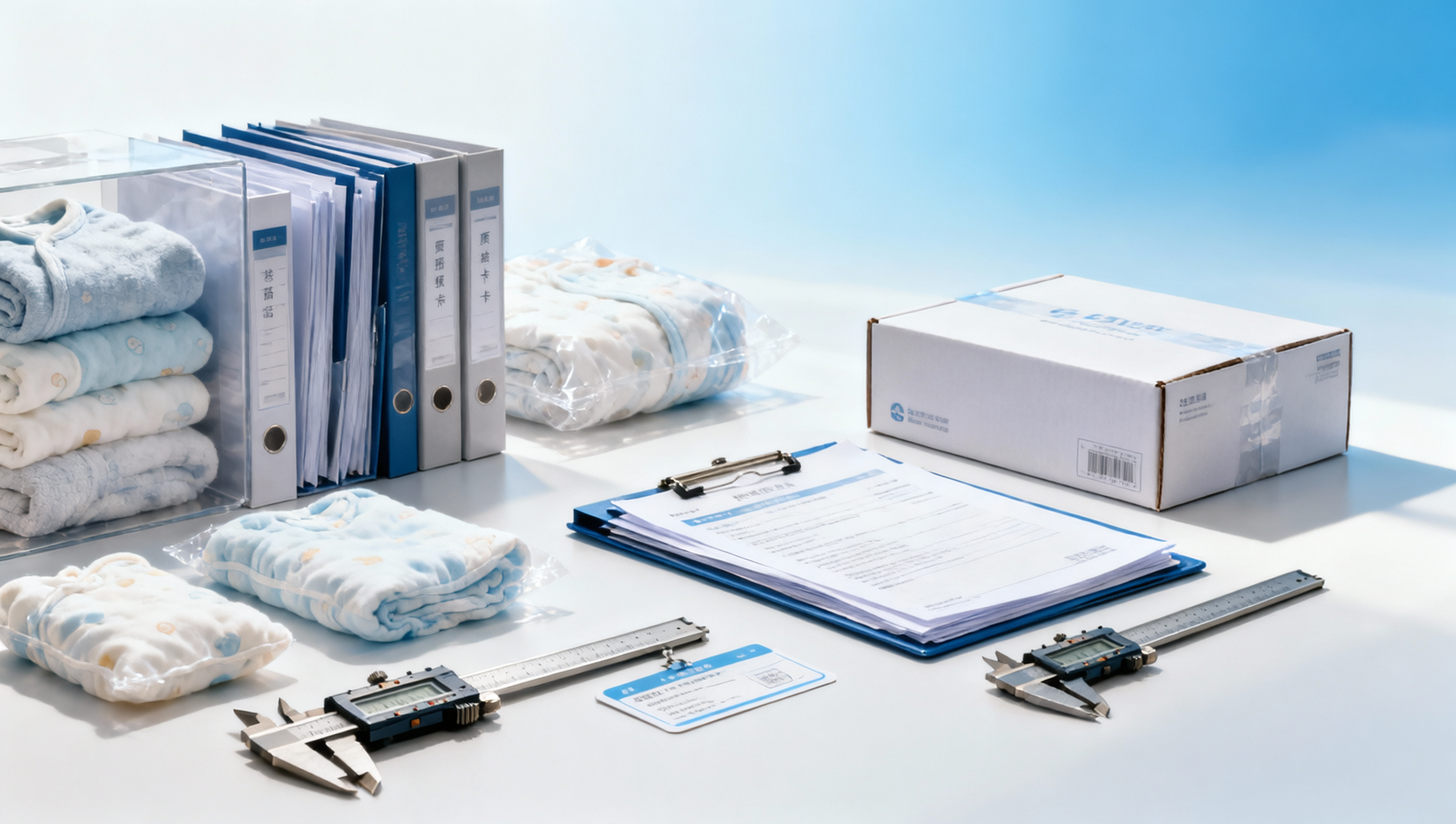
In baby product sourcing, weak factories rarely fail at first glance—they reveal themselves through gaps in product compliance, inconsistent custom manufacturing processes, and poor communication across the retail supply chain. For buyers, technical evaluators, and sourcing teams, spotting these risks early is essential to protecting quality, margins, and brand reputation before moving into private label manufacturing or wider brand sourcing decisions.
If you are evaluating baby product suppliers, the core question is not simply whether a factory can make a sample. It is whether that supplier can repeatedly deliver safe, compliant, commercially viable products at scale without creating hidden risk. For sourcing teams, product managers, and approval stakeholders, weak factories usually show up through a pattern: unclear certifications, unstable production control, slow or evasive communication, poor documentation, and weak problem-solving when pressure increases.
This article focuses on the practical signs that help buyers identify weak factories early, especially when sourcing baby and maternity products where safety, consistency, and traceability matter far more than a low initial quote.
What weak factories look like in baby product sourcing
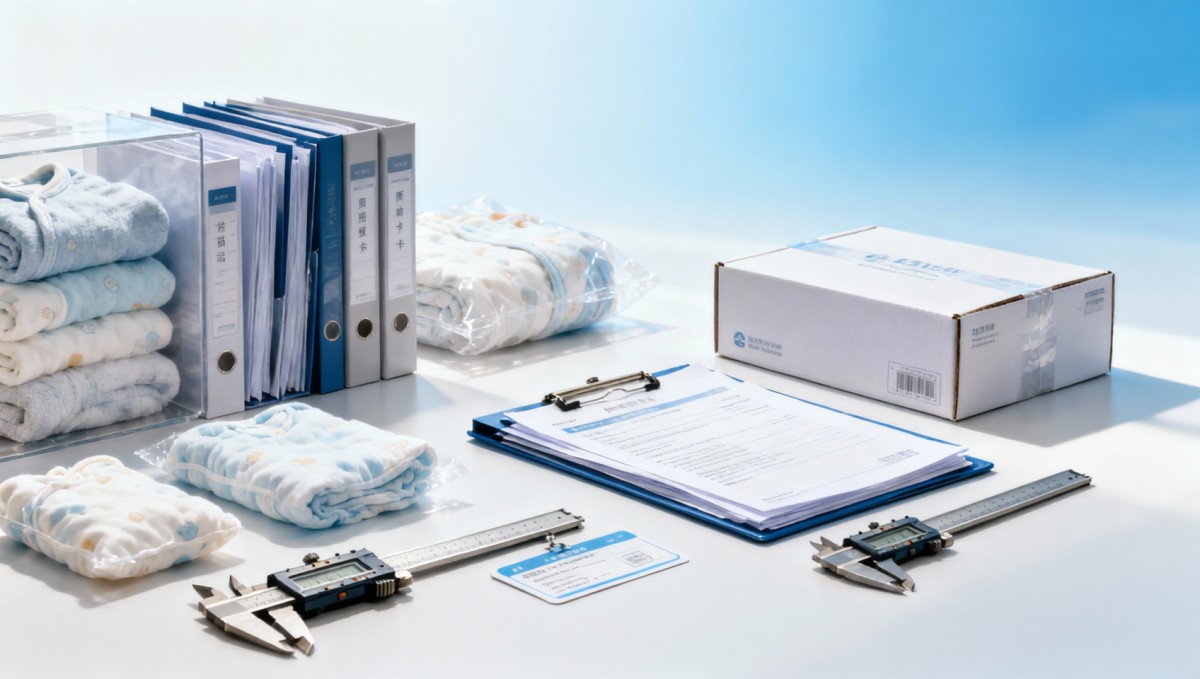
In the baby product category, weak factories are not always small factories, nor are they always the cheapest. A weak factory is one that cannot reliably support compliance, product consistency, delivery performance, and responsible communication throughout the sourcing process.
That weakness becomes dangerous in baby product sourcing because the category involves higher scrutiny than many general consumer goods. Depending on the item, buyers may need to assess testing standards, chemical restrictions, labeling accuracy, age grading, packaging safety, traceability, and market-specific compliance requirements such as CPC, CPSIA, CE, EN standards, or retailer-specific protocols.
A supplier may appear capable during early discussions but still be operationally weak if it cannot support these requirements in a repeatable way. That is why experienced buyers assess factories through systems, records, and response quality, not just through catalogs and promises.
The first red flag: they talk about quality, but cannot prove compliance
For baby products, compliance is one of the fastest ways to separate credible manufacturers from risky ones. Weak factories often use reassuring language such as “export quality,” “passed many tests,” or “we work with many overseas clients,” but when asked for specific evidence, their answers become vague.
Warning signs include:
- Outdated test reports that do not match the exact product, material, or SKU being quoted
- Certificates issued to another company or trading entity without clear manufacturing linkage
- Reports that cover only raw materials, not the finished product
- Missing documentation for labeling, warnings, packaging, or age suitability
- Confusion between voluntary standards and mandatory market requirements
Strong factories understand that baby product sourcing requires document discipline. They can explain which compliance documents apply, what needs fresh testing after design changes, and how they control approved materials and components. Weak factories tend to react only when the buyer asks, and even then they often provide incomplete or mismatched records.
For technical evaluators and procurement teams, this is not a paperwork issue alone. It is a signal of whether the factory truly understands regulated product development and retail supply chain accountability.
Inconsistent sampling usually points to bigger production problems
Many weak factories can create an attractive first sample. The real issue is whether they can maintain the same specifications across revisions, pilot runs, and mass production.
Common signs of factory weakness during the sample stage include:
- Frequent unexplained material substitutions
- Visible inconsistencies between sample rounds
- Poor dimensional control or unstable fit, assembly, or finish
- No formal version tracking for revisions
- Inability to explain why a defect happened and how it will be prevented
In baby and maternity categories, these issues are especially serious. A small change in fabric, coating, fastener, foam density, printing ink, or component source can affect product safety, performance, and compliance. If a supplier does not manage engineering changes tightly during sampling, that weakness often becomes far more expensive during production.
Buyers should ask for a clear sample development trail: approved BOM, material specifications, revision history, test status, and confirmation of what will be locked for production. Factories that cannot organize this process usually struggle when volume increases.
Poor communication is not a soft issue; it is an operational risk
Many sourcing failures begin with communication problems that buyers initially dismiss as minor. In reality, weak communication often reflects weak internal control.
Be cautious if a factory:
- Takes a long time to answer technical questions but replies quickly to price discussions
- Avoids direct answers on defects, lead times, or certification gaps
- Provides inconsistent information from sales, engineering, and quality teams
- Cannot summarize next steps, responsibilities, or timelines clearly
- Changes commitments verbally without updated documentation
Reliable baby product manufacturers usually communicate in a structured way because they know safety and quality issues need alignment across sales, compliance, sourcing, production, and QC. Weak factories often rely on one salesperson to “manage everything,” but that person may not have real control over factory operations.
For sourcing managers and project leads, this matters because communication quality affects timeline predictability, corrective action speed, and confidence during issue escalation.
If the price looks unusually good, check what has been removed
Low pricing can be competitive, but unusually low pricing in baby product sourcing often means something important has been excluded, downgraded, or not understood.
Areas where weak factories may quietly reduce cost include:
- Lower-grade materials or unverified substitute inputs
- Reduced inspection frequency
- Thinner packaging protection
- Shorter process time for curing, stitching, finishing, or testing
- No allowance for compliance updates, retailer packaging rules, or traceability requirements
This is why commercial teams and financial approvers should avoid comparing quotations only at total unit price level. A more useful sourcing comparison includes compliance scope, QC checkpoints, production assumptions, tooling responsibility, packaging standard, testing allocation, and defect accountability.
A weak factory may win on ex-factory price but lose badly on rework, delays, returns, failed audits, and reputational damage. In baby categories, the total cost of supplier weakness is rarely visible in the first quotation.
Factory audits matter, but buyers should look beyond the audit score
An audit can help, but weak factories sometimes pass basic social or quality audits without having strong day-to-day manufacturing control. Buyers should look deeper than the final score.
During a factory assessment, pay close attention to:
- Whether production records are current and consistent
- How incoming materials are identified and quarantined
- How non-conforming products are handled
- Whether measuring equipment is calibrated and actually used
- How operator training is documented for critical processes
- Whether subcontracting exists and how it is controlled
In baby product sourcing, traceability is especially important. If a supplier cannot clearly trace which lot of material went into which production batch, it becomes very difficult to contain risk if a complaint or compliance issue appears later.
For business evaluators, an audit should answer a practical question: does this factory run on stable systems, or does it rely on improvisation?
How strong factories respond when problems appear
Every factory has problems. The difference is how they handle them.
Strong suppliers typically:
- Acknowledge issues quickly
- Provide evidence, not excuses
- Identify root causes with process-level thinking
- Propose containment and corrective actions
- Document changes and follow up on effectiveness
Weak factories usually show the opposite pattern. They deny obvious defects, blame workers without changing the process, hide delays until the last minute, or keep promising improvements without proving control.
This makes early trial orders and development-stage issue handling extremely valuable. Buyers can learn more from one real defect escalation than from many polished presentations. If a factory handles small problems badly, it will likely handle large production problems worse.
A practical checklist for screening weak baby product factories
For teams involved in sourcing, technical review, and supplier approval, the following checklist can help create a more disciplined evaluation process:
- Compliance readiness: Can the factory provide current, relevant, product-specific test and certification support?
- Documentation control: Are BOMs, specs, labels, and revisions managed clearly?
- Sampling consistency: Do sample rounds remain stable and traceable?
- Material control: Can the supplier prove approved material use and manage substitutions formally?
- Communication quality: Are answers timely, accurate, and coordinated across departments?
- Production discipline: Are QC checkpoints, work instructions, and defect controls visible and active?
- Problem-solving maturity: Does the factory use root cause analysis and corrective action, or just short-term fixes?
- Commercial transparency: Is the quotation detailed enough to expose hidden cost and compliance gaps?
- Traceability: Can the supplier track materials, lots, and finished batches effectively?
- Scalability: Can the factory maintain the same standard when volume, customization, or retailer requirements increase?
This type of screening is particularly useful for private label manufacturing, OEM/ODM sourcing, and retailer supplier onboarding where one weak manufacturing partner can create broad downstream risk.
Why this matters beyond quality: the real business cost of choosing the wrong factory
Weak factories do not only create product defects. They can disrupt launch schedules, increase compliance exposure, damage retailer relationships, and raise the hidden cost of supplier management.
For procurement leaders, this means more emergency coordination, more inspection dependence, and less forecasting confidence. For financial stakeholders, it means margin erosion from rework, claims, returns, expedited freight, and delayed sell-through. For brand teams, it means reputational exposure in one of the most sensitive product categories in retail.
That is why identifying weak factories early is not just a quality task. It is a cross-functional risk management decision.
Conclusion
To spot weak factories during baby product sourcing, buyers should focus less on appearances and more on operating evidence. The most revealing signs are usually weak compliance support, unstable sampling, poor change control, inconsistent communication, vague pricing logic, and immature problem-solving.
In a category where product safety, documentation, and repeatability are critical, the best sourcing decisions come from evaluating whether a factory can perform reliably under real commercial conditions. A strong supplier does more than make a product. It helps protect your timeline, your compliance position, your cost structure, and your brand.
For sourcing teams and decision-makers, the key takeaway is simple: if a factory cannot demonstrate control before the order, it is unlikely to create control after the order. In baby product sourcing, that is a risk worth identifying early.
Related Intelligence
 Baby Gear & StrollersApr 27, 2026Global Shipping Alliances Cut Shanghai–Rotterdam Capacity by 15%Global shipping alliances cut Shanghai–Rotterdam capacity by 15%—impacting baby strollers & gear exporters, EU retailers, and forwarders. Act now to secure space, assess rail/air alternatives, and build resilient supply chains.
 Camping & WaterApr 27, 2026SASO IEC 62368-3:2026 Released for GCC: IP6X Dust Testing Required for Camping & Water PumpsSASO IEC 62368-3:2026 now mandates IP6X dust testing for camping & water pumps in GCC — act now to avoid customs delays and ensure compliance by Oct 1, 2026.
 Nursery Furniture & MonitorsApr 27, 2026Indonesia BPOM Fast-Tracks Baby Monitor Registration to 14 Working DaysIndonesia BPOM Fast-Tracks Baby Monitor Registration to 14 working days—leverage CNAS reports & ID-SNI 7203:2025 for rapid market entry.
 Corporate & Seasonal GiftsApr 27, 2026TÜV Rheinland Releases Sustainable Gift Packaging White Paper 2026Sustainable gift packaging white paper 2026 by TÜV Rheinland: New LCA rules for VOCs, container loading & last-mile transport — act now to meet IKEA, Douglas Q3 2026 requirements.
 Smart Pet DevicesApr 27, 2026JETRO Summer Inspection: Smart Pet Collars Must Pass JIS T 1002:2026 Bluetooth TestSmart Pet Collars must pass JIS T 1002:2026 Bluetooth 5.4 coexistence testing for JETRO’s 2026 summer inspection — avoid delays, recalls & lost sales in Japan.
 Fitness EquipmentApr 27, 2026CPSC Mandates Emergency Stop & Thermal Cutoff for US Fitness MirrorsCPSC mandates emergency stop & thermal cutoff for US fitness mirrors—urgent compliance required by July 2026. Learn implications for OEMs, importers & suppliers.
 STEM & Educational ToysApr 27, 2026SASO Updates Toy Certification: EN71-3:2026 for STEM Toys in Saudi ArabiaSASO EN71-3:2026 toy certification now mandatory for STEM toys in Saudi Arabia—nickel, cobalt & antimony limits tightened. Act before Aug 1, 2026!
 Infant Feeding & CareApr 27, 2026RCEP Update: Vietnam Cuts Tariffs on Silicone Nipples, Smart Bottles from ChinaRCEP Update: Vietnam cuts tariffs on silicone nipples & smart bottles from China—save 9–13% import costs starting May 1, 2026. Act now!
 Beauty DevicesApr 27, 2026EU EPR Carbon Fee for Smart Beauty Devices Starts June 2026EU EPR Carbon Fee for Smart Beauty Devices starts June 2026 — learn how the new Green Packaging Regulation Fee impacts OEMs, suppliers & EU importers.
 Skincare OEMApr 27, 2026FDA CPIS Mandate Effective July 2026 for US Cosmetic ImportsFDA CPIS mandate takes effect July 2026—learn how skincare OEMs, cosmetic exporters & U.S. importers must comply to avoid shipment delays and entry denials.
 Beauty DevicesApr 26, 2026Global Li-ion Recycling Rate Hits 62%: Beauty Device Battery BOM Cost Down 9%Li-ion recycling hits 62% globally—cutting beauty device battery BOM costs by 9% and lead times to 6 weeks. Act now to boost export agility & margins.
") Smart Pet DevicesApr 26, 2026Vietnam Enforces New Smart Pet Collar Standard (QCVN 135:2026)Vietnam Enforces New Smart Pet Collar Standard (QCVN 135:2026): Bluetooth 5.4 resilience & native Vietnamese voice prompts required by July 1, 2026 — act now to avoid customs delays!
Smart Pet DevicesApr 26, 2026Vietnam Enforces New Smart Pet Collar Standard (QCVN 135:2026)Vietnam Enforces New Smart Pet Collar Standard (QCVN 135:2026): Bluetooth 5.4 resilience & native Vietnamese voice prompts required by July 1, 2026 — act now to avoid customs delays! Nursery Furniture & MonitorsApr 26, 2026Shanghai International Logistics Procurement Expo 2026 ClosesShanghai International Logistics Procurement Expo 2026 closed—AI-powered smart infant & pet health devices led procurement demand. Discover key trends, buyer priorities & 2027 outlook.