Pet travel product testing: where quality risks begin
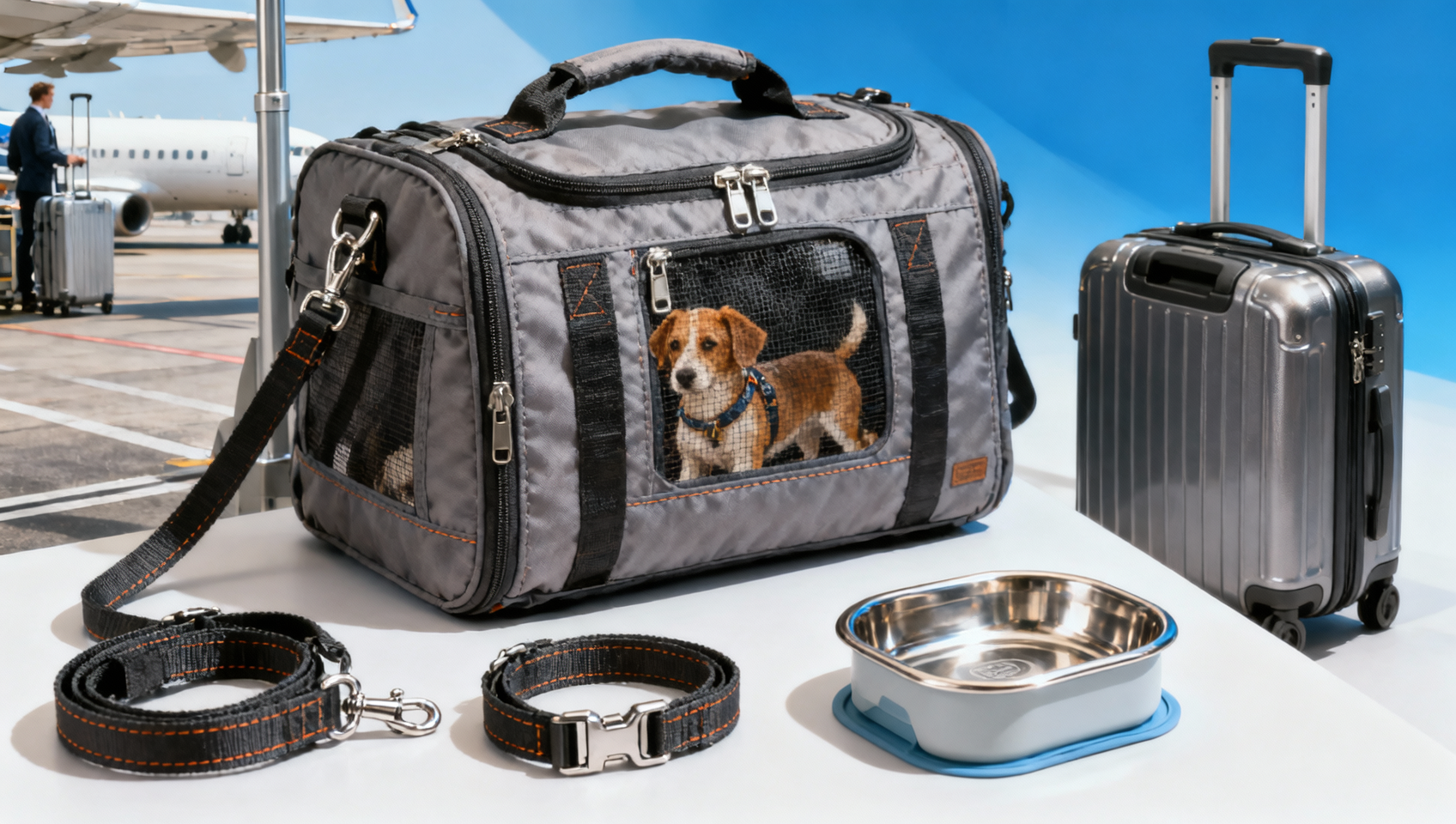
In the pet travel retail market, quality risks often begin long before a product reaches shelves. From weak material selection to incomplete product testing, overlooked details can disrupt brand procurement, delay launches, and erode buyer trust. Backed by supply chain data and practical supply chain insights, this article explores how global buyers, ODM pet suppliers, and private label brands can identify hidden risks early and build safer, more reliable products.
For travel service providers, retailers, and sourcing teams, pet travel products sit at the intersection of mobility, safety, and consumer emotion. A carrier that fails in transit, a leash clip that breaks at an airport, or a collapsible bowl made from unsuitable material can quickly become more than a product defect. It can trigger returns, damage travel brand reputation, and create compliance questions across multiple markets.
This matters to more than product engineers. Procurement managers need predictable launch schedules. Financial approvers want lower recall exposure. Quality and safety teams need clear validation checkpoints. Distributors and travel retailers need products that survive long handling cycles, seasonal demand spikes, and mixed transportation conditions. End users, meanwhile, expect convenience without compromising pet safety.
In practice, the earliest quality risks often emerge in four places: design assumptions, raw material choices, factory process control, and incomplete test planning. Understanding where those risks begin allows buyers and suppliers to prevent avoidable failures before sampling, production, and distribution costs rise.
Why pet travel products carry unique quality pressure
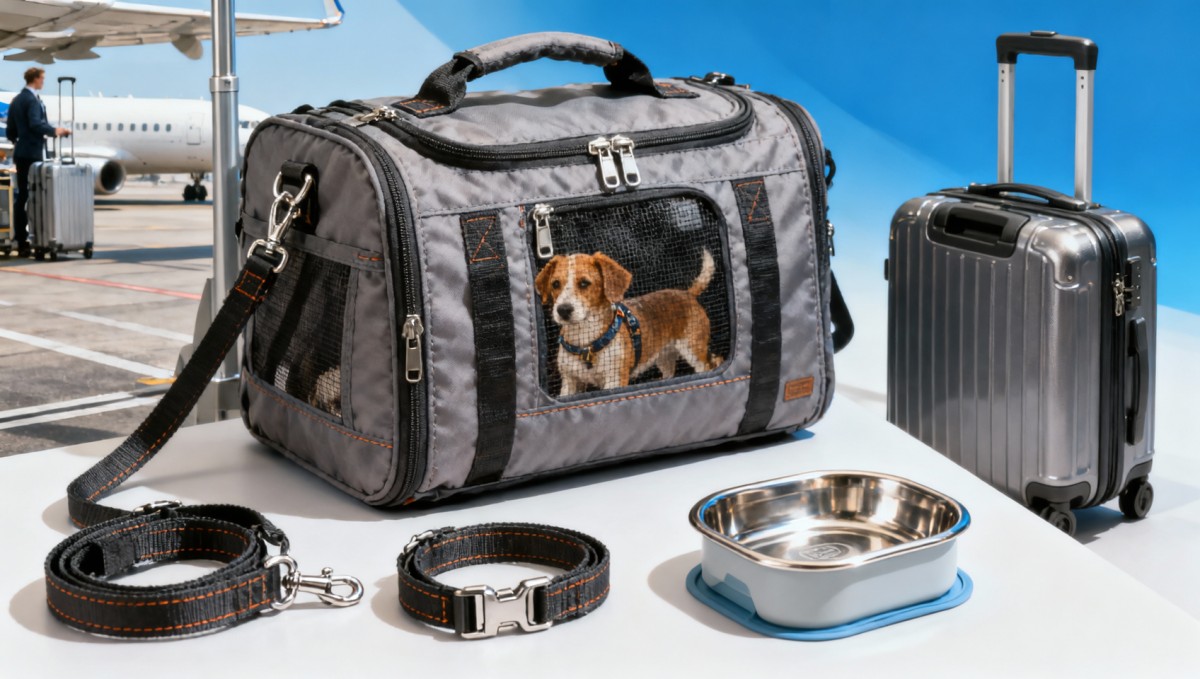
Pet travel products are not ordinary accessories. They are used in moving vehicles, airports, hotels, train stations, and public spaces where vibration, impact, moisture, and repeated handling are common. A soft-sided carrier may be lifted 20 to 50 times during a single trip chain, while zippers, straps, and base panels absorb concentrated stress in a short period.
The travel service sector adds another layer of complexity. Products sold through travel retailers, destination shops, airlines, booking platforms, or hospitality channels must fit real travel behavior. That means lightweight construction, easy storage, cleaning compatibility, and dimensional consistency. A product that performs well in showroom conditions may still fail after 3 to 7 days of real travel use.
Quality risk also rises because pet travel products often combine several functions in one item. A carrier may include mesh ventilation, rigid support, shoulder straps, buckle systems, absorbent pads, and foldable structures. Each added component creates another failure point. Even a 2 mm stitching deviation or weak rivet selection can reduce product reliability significantly under dynamic load.
From a sourcing perspective, products in the pet travel category face a tighter tolerance for user dissatisfaction. Consumers traveling with pets are already managing stress, schedules, and transport rules. When a product malfunctions during boarding or check-in, dissatisfaction converts quickly into negative reviews, chargebacks, and lost repeat business.
The table below outlines why quality control in pet travel products should be treated differently from standard pet accessories.
The key takeaway is clear: in travel retail, pet product testing cannot focus only on basic appearance and packaging. It must reflect movement, stress repetition, and real trip scenarios. That is where many hidden quality risks begin.
Three buyer groups that feel quality failure fastest
- Travel retailers and distributors, because return rates can rise within the first 30 to 60 days of launch if fit, odor, or durability issues appear.
- Brand owners, because one failed private-label run can disrupt 1 full seasonal sales cycle and delay market expansion plans.
- Service-linked sellers such as hotel or transport partners, because product complaints often spill into wider customer service scores.
Where quality risks actually begin in sourcing and development
Most failures are not caused by a single bad factory day. They usually start earlier, when development teams approve assumptions that were never fully validated. In pet travel sourcing, the first risk point is often mismatched material selection. A fabric may meet cost targets and visual expectations, but its abrasion resistance, tear strength, or odor retention profile may not suit 6 to 12 months of travel use.
The second common starting point is underdefined load requirements. Many ODM samples are tested with static weight only, such as a 6 kg or 8 kg hanging test. Real use is different. A pet shifts body weight, scratches lining, leans on mesh panels, and creates repeated side loading. Without dynamic testing, the safety margin can be misleading.
The third risk point is pattern and structure design. Ventilation windows, foldable corners, hidden zippers, and detachable straps improve convenience, but they also weaken structural continuity. If reinforcement patches, stitch density, or panel overlap are not specified clearly, sample approval can mask a high failure probability in mass production.
The fourth starting point is incomplete communication between design, sourcing, and quality teams. Buyers may request airline-friendly dimensions, lower packaging volume, and faster lead times in the same project. If these priorities are not translated into measurable checkpoints, the factory may optimize for carton efficiency instead of travel durability.
Early-stage risk map for pet travel products
Before tooling, pilot production, or bulk order confirmation, teams should review risk across at least 5 dimensions: material compatibility, weight-bearing design, user handling, cleaning exposure, and packaging compression. Missing any one of these dimensions can create downstream costs that are 2 to 4 times higher after bulk production begins.
For procurement and project managers, this risk map helps shift quality control upstream. Instead of checking defects after production, they can define approval gates at 3 points: pre-material review, prototype stress test, and pre-shipment inspection alignment.
Practical signs that sourcing risk is already too high
- The supplier cannot explain which components carry the highest stress load.
- The sample passes appearance review but has no repeated-cycle test record after 200 to 500 openings, folds, or pulls.
- Material substitutions are suggested after sample approval without a revised validation plan.
- Bulk QC checklists focus on color and packaging but omit seams, zipper travel, base rigidity, and hardware pull strength.
What an effective pet travel product testing program should include
A workable testing program for pet travel products should combine laboratory-style checks with scenario-based validation. Basic appearance inspection is necessary, but it is not sufficient. Travel-linked products should be evaluated for load, fatigue, abrasion, closure reliability, dimensional consistency, and chemical suitability for pet contact surfaces.
For soft carriers and travel bags, teams should typically test at least 4 structural areas: handles, shoulder straps, base panels, and zipper seams. A common practical approach is to perform load testing at 1.25 to 1.5 times the claimed carrying weight, followed by repeated lift cycles and short-duration compression tests. That produces a more realistic picture than a single hanging test.
For bowls, seat covers, harnesses, and tether systems used during travel, testing should also include cleaning-agent exposure, surface cracking checks, edge smoothness review, and attachment-point durability. If a product is marketed for car or outdoor use, UV exposure and temperature variation can also be relevant, especially across a 5°C to 35°C travel range.
Quality teams should not treat all SKUs equally. High-risk items include carriers, restraint accessories, and multi-component travel kits. Lower-risk products, such as storage pouches, still need workmanship review, but their failure consequences are different. A tiered testing plan helps control budget while protecting launch quality.
Recommended test focus by product type
The table below gives a practical testing framework for common pet travel retail categories. It is designed for sourcing teams building supplier checklists or private-label approval standards.
The most important lesson is that testing must match product claims. If marketing language highlights airline convenience, space-saving design, or rugged travel use, the validation plan should reflect those claims. Otherwise, buyer expectations and actual performance drift apart.
Minimum testing checklist before purchase order release
- Confirm rated load and intended pet size range in written specification sheets.
- Review material composition for direct-contact parts and cleaning exposure.
- Check repeated-use performance, not just one-time force resistance.
- Verify critical dimensions within practical tolerances, especially for travel carriers intended for compact spaces.
- Align supplier, buyer, and QC team on defect classification before mass production starts.
How buyers, QC teams, and financial stakeholders can reduce launch risk
Reducing launch risk is not only a technical issue. It also depends on how cross-functional teams make decisions. Procurement may focus on unit cost, finance on approval timing, and quality teams on failure prevention. In pet travel retail, these priorities must be linked through a stage-gate process so that speed does not override safety and reliability.
A practical framework is to divide product approval into 3 commercial checkpoints. First, concept feasibility, where buyers confirm supplier capability, materials, and target cost. Second, validation readiness, where prototype testing, workmanship tolerances, and packaging impact are reviewed. Third, shipment release, where inspection reports, defect thresholds, and final packaging checks are aligned. Each checkpoint can be completed in 5 to 10 working days if documentation is prepared early.
Financial approvers should also pay attention to hidden cost drivers. A low quoted price may exclude stronger hardware, thicker reinforcement, or more stable base support. Saving 3% to 5% on ex-factory cost can lead to return handling, relabeling, or replacement costs that exceed the original saving. For travel products, downstream service costs are often more damaging than a moderate increase in initial spend.
Distributors and channel partners can lower risk by asking for evidence that reflects their own environment. A product going into airport retail, travel e-commerce, or hotel gift channels may need different packaging strength, shelf presentation, and handling durability. Channel fit should be reviewed as carefully as material fit.
Decision criteria that improve sourcing confidence
When comparing suppliers or evaluating a private-label launch, the following matrix helps stakeholders balance price, safety, and operational predictability.
This type of evaluation moves the discussion away from broad claims and toward specific risk indicators. It gives project managers a basis for timeline planning and gives finance teams a more defensible approval process.
A simple 5-step launch control flow
- Define travel scenario and product claim before supplier quotation is finalized.
- Approve materials with performance notes, not appearance only.
- Validate prototype using repeated-use and load-based checks.
- Freeze workmanship tolerances before bulk production starts.
- Review pre-shipment inspection against critical defect criteria, not general finish alone.
Common mistakes, FAQ, and what strong supply chain partners do differently
One of the most common mistakes in pet travel retail is assuming that a visually premium sample equals a production-ready product. In reality, many failures appear only after repeated use, temperature shifts, or packaging compression during cross-border transit. Another common mistake is relying on supplier defaults for test scope instead of specifying risk points tied to actual travel service channels.
Strong supply chain partners do three things differently. First, they clarify use cases early, such as cabin travel, car travel, short-stay hospitality, or commuter mobility. Second, they document which parts are safety-critical and which are appearance-related. Third, they connect testing, sourcing, and merchandising so that launch claims are realistic and defensible.
For B2B buyers using intelligence-led sourcing, this is where market insight becomes operational value. Understanding how product design, manufacturing behavior, and travel retail expectations connect helps teams avoid preventable delays of 2 to 6 weeks and reduces the risk of expensive relaunch decisions.
How long should pet travel product validation usually take?
For a standard private-label travel accessory, initial sample review may take 7 to 10 working days. If structural changes and repeated-use testing are needed, the full validation cycle commonly extends to 2 to 4 weeks. More complex carriers or multi-part kits may require additional rounds depending on material changes and packaging revisions.
Which defects should be treated as critical during inspection?
Critical defects usually include broken load-bearing seams, failed buckles, exposed sharp edges, unstable base structures, or any part that may detach during use. Major defects often include zipper jamming, strong odor, dimension variance affecting travel fit, or visible material cracking after routine handling. Cosmetic marks should not be prioritized above safety-related findings.
What should distributors and retailers request from suppliers?
- A clear product specification sheet with size range, rated load, and material summary.
- Evidence of repeated-use checks, especially for closures, straps, and foldable sections.
- Inspection criteria that distinguish critical, major, and minor defects.
- Packaging information showing how products will hold up during storage and transit.
Pet travel retail succeeds when product claims, testing depth, and sourcing discipline are aligned from the start. Quality risks usually begin upstream, long before consumers see the finished item. By focusing on material fit, realistic test planning, stage-gate approvals, and supplier transparency, buyers can reduce recalls, protect travel brand credibility, and launch more reliable products across global channels.
Global Consumer Sourcing helps buyers, private-label brands, and supply chain teams evaluate fast-moving product categories with sharper commercial judgment. If you are reviewing pet travel assortments, comparing ODM suppliers, or building a lower-risk sourcing plan for travel retail, contact us to explore tailored market insight, supplier screening support, and product intelligence for your next launch.
Related Intelligence
 2026/789 on Beauty Device Packaging Takes Effect") Beauty DevicesApr 29, 2026EU Regulation (EU) 2026/789 on Beauty Device Packaging Takes EffectEU Regulation (EU) 2026/789 mandates 30% recycled plastic & LCA declarations for beauty device packaging — act now to avoid Amazon.de/fr rejections!
Beauty DevicesApr 29, 2026EU Regulation (EU) 2026/789 on Beauty Device Packaging Takes EffectEU Regulation (EU) 2026/789 mandates 30% recycled plastic & LCA declarations for beauty device packaging — act now to avoid Amazon.de/fr rejections! Electronic & RC ToysApr 29, 2026ICTA: RC Toy Orders Shift to South China, Lead Time Cuts to 6 WeeksICTA reports RC toy orders shifting to South China—78% now flow to Guangdong’s cluster, cutting lead times to just 6 weeks. Act now to optimize sourcing, compliance & logistics.
 STEM & Educational ToysApr 29, 2026CPSC Nanomaterial Migration Rule for STEM Toys Effective Q3 2026CPSC Nanomaterial Migration Rule for STEM Toys: New ASTM F963–24 testing (≤0.05 mg/cm²/h) mandatory from Oct 1, 2026—avoid detention & recalls.
 Fitness EquipmentApr 29, 2026THE Alliance Cuts Shanghai–LA Capacity by 22%: Fitness Equipment Delays ExtendFitness equipment shippers: THE Alliance cuts Shanghai–LA capacity by 22% in May 2026—delays, surcharges, and 12–14-week bookings loom. Act now.
 Smart Pet DevicesApr 29, 2026Japan METI Expands Smart Pet Device White List, 10-Day Certification for Chinese DevicesJapan METI expands Smart Pet Device white list—Bluetooth 5.3+ collars & AI feeders now qualify for fast 10-day certification. Key opportunity for Chinese exporters.
 Infant Feeding & CareApr 29, 2026ASEAN-FFL 2026: RCEP Infant Feeding Labeling Rules Take EffectASEAN-FFL 2026 labeling rules take effect April 2026—ensure RCEP infant feeding product compliance now to avoid shelf bans & delays.
 Corporate & Seasonal GiftsApr 29, 2026Germany UBA to Pilot Carbon Labelling for Corporate GiftsGermany UBA's 2026 carbon labelling pilot for corporate gifts mandates ISO 14067 LCAs — vital for Chinese exporters, printers & ink suppliers targeting EU green procurement.
 Nursery Furniture & MonitorsApr 29, 2026Vietnam MOIT Eases Infant Monitor Registration, Requires NMPA Class II FilingVietnam MOIT eases infant monitor registration: NMPA Class II filing now accepted—skip local testing, cut time-to-market. Key for China-Vietnam medtech exporters.
 Camping & WaterApr 29, 2026SASO Mandates IP6X + Salt Spray for Camping Power & Inflators in Saudi ArabiaSASO mandates IP6X + salt spray for camping power stations & inflators in Saudi Arabia—act now to avoid shipment delays and customs rejection.
") Skincare OEMApr 29, 2026FDA Adds Plant Stem Cell Extract Code to CPIS (Apr 2026)FDA adds 'Plant Stem Cell Extract' code to CPIS—urgent compliance action needed for skincare OEMs, suppliers & importers before July 1, 2026.
Skincare OEMApr 29, 2026FDA Adds Plant Stem Cell Extract Code to CPIS (Apr 2026)FDA adds 'Plant Stem Cell Extract' code to CPIS—urgent compliance action needed for skincare OEMs, suppliers & importers before July 1, 2026. Electronic & RC ToysApr 28, 2026ICTA 2026 Q2 RC Toy Sourcing Report: Shift to Guangdong ClusterICTA 2026 Q2 RC Toy Sourcing Report reveals 68% of global electronic RC toy orders shifting to Guangdong’s Shenzhen–Dongguan–Zhongshan cluster — driven by dual-band modules, UL9990 batteries & rapid prototyping. Act now.
 Skincare OEMApr 28, 2026FDA Adds Plant Stem Cell Extract Code to CPIS SystemFDA adds COS-PLS-2026 code for plant stem cell extract in CPIS — vital for skincare OEMs, suppliers & U.S. importers. Act now to ensure compliance by July 1, 2026.
 Nursery Furniture & MonitorsApr 28, 2026Vietnam Exempts Infant Monitors from Local Type TestingVietnam exempts infant monitors from local type testing—leverage your NMPA Class II filing to fast-track Vietnam market entry starting June 1, 2026.