Private label manufacturing is simple until compliance starts

Private label manufacturing often looks straightforward at the quoting stage: choose a factory, confirm specifications, approve packaging, and launch. In reality, the process becomes significantly more complex once compliance enters the picture. For buyers evaluating baby product sourcing, sports ODM programs, beauty OEM partners, or custom gift suppliers, the real challenge is not finding a manufacturer willing to produce. It is finding one that can produce legally, consistently, and at the quality level required for the target market.
For procurement teams, technical evaluators, and commercial decision-makers, the key takeaway is simple: compliance is not a final checkpoint. It is a sourcing filter that should shape supplier selection, cost modeling, launch timelines, and risk management from day one. The most successful private label programs are built around compliant product development, reliable documentation, and a supply chain that can support retail growth without creating regulatory exposure.
Why private label manufacturing feels simple at first—and expensive later

At the early stage, private label projects are usually evaluated through visible commercial factors: MOQ, unit cost, tooling, lead time, packaging flexibility, and design support. These are important, but they are only part of the decision. The hidden complexity starts when the product must satisfy market-specific rules, importer obligations, testing requirements, labeling standards, and retailer compliance expectations.
This is where many sourcing projects begin to slow down. A factory may be highly responsive, competitively priced, and technically capable, yet still be a poor fit if it cannot provide the right compliance documents, maintain consistent material controls, or adapt product specifications for different markets.
In practical terms, private label manufacturing becomes difficult when buyers discover that:
- the same product cannot be sold the same way in every market,
- compliance costs were not built into the original budget,
- testing lead times affect launch schedules,
- packaging claims trigger extra legal or certification requirements,
- supplier documents are incomplete, outdated, or not traceable to actual production batches.
For business evaluators and finance approvers, this is why the cheapest quote is often not the lowest-risk option. A lower unit cost can quickly be offset by failed testing, relabeling, shipment delays, customs issues, product recalls, or retailer rejection.
What buyers are really searching for when they evaluate private label sourcing partners
When users search topics around private label manufacturing and compliance, they are usually not looking for a generic definition of OEM or ODM. They are trying to answer a more operational and commercial question: Which supplier can help us launch a product safely, quickly, and with acceptable risk?
For the target audience in consumer goods and retail supply chains, the most common concerns include:
- Can this manufacturer meet compliance requirements for our destination market?
- What certifications or test reports are actually needed for this product category?
- How early should compliance be reviewed in the sourcing process?
- Which costs are likely to appear after sampling or pre-production?
- How do we assess whether a supplier is truly reliable, not just sales-capable?
- What documentation should be available before we commit to volume orders?
- How can we reduce the risk of launch delays, customs holds, or product claims?
These are especially relevant in regulated or sensitive categories such as baby products, beauty and personal care, sports and outdoor equipment, and children’s gift or toy items. In these segments, product safety, labeling, chemical restrictions, performance standards, and age-related claims can all affect market access.
Compliance is not one task: it affects product design, materials, packaging, and market entry
One of the biggest sourcing mistakes is treating compliance as a document request at the end of production. In reality, compliance can shape the product from the beginning.
For example, a private label buyer may want a product with upgraded materials, stronger fragrance claims, eco-positioning, or premium packaging. Each of those decisions can create new compliance implications:
- Material changes may affect chemical safety, flammability, durability, or restricted substance requirements.
- Packaging choices may trigger labeling rules, language requirements, recycling obligations, or warning statement needs.
- Performance claims may require substantiation, additional testing, or more careful legal review.
- Target age positioning can move an item into a stricter regulatory category, especially in baby, toy, or youth-related products.
- Cross-border selling plans may require different document sets for the US, EU, UK, or other destination markets.
This is why experienced procurement and project teams ask compliance questions before tooling is finalized and before packaging artwork is locked. Early review helps avoid redesign costs and prevents the common situation where the commercial team promises a launch date that the compliance pathway cannot support.
How to evaluate a private label manufacturer beyond price and samples
Samples can confirm appearance, basic functionality, and manufacturing finish. They do not prove supply chain control. To evaluate a private label manufacturing partner properly, buyers need to look deeper into process discipline and documentation readiness.
A stronger supplier assessment should include the following areas:
1. Product-category experience
Ask whether the factory has experience in the same product type, destination market, and retail channel. A beauty OEM with proven export history to major retailers is different from a factory that mainly serves low-compliance domestic channels. The same applies to outdoor equipment manufacturers, baby product sourcing partners, and gift suppliers.
2. Compliance document maturity
Check whether the supplier can provide relevant test reports, declarations, factory audit records, material specifications, and traceable quality documents. Review whether those files are current and whether they align with the actual product configuration being quoted.
3. Change-control capability
Many compliance failures happen after initial approval because materials, components, inks, adhesives, or sub-suppliers change. Ask how the manufacturer controls engineering changes, vendor substitutions, and production recordkeeping.
4. Labeling and packaging coordination
A good supplier should understand how packaging artwork, warnings, instructions, barcode setup, carton marks, and market language requirements connect to compliance. Errors here can delay shipments even when the product itself passes testing.
5. Testing and pre-shipment workflow
Clarify when samples are submitted for lab testing, who owns testing costs, how failures are handled, and whether retesting is built into the timeline. This matters for project managers balancing launch deadlines with quality gates.
6. Responsiveness under scrutiny
Some suppliers communicate well during sales discussions but become slow when asked for technical files or corrective actions. The way a supplier handles detailed compliance questions is often a better indicator of future reliability than the speed of the first quotation.
What documents and proof points matter most before placing an order
The exact documentation depends on the category and market, but buyers should avoid moving forward based only on verbal assurances like “we can pass” or “we already export globally.” A more disciplined pre-order review reduces commercial and regulatory risk.
Common proof points to request include:
- product specifications and bill of materials,
- applicable test reports from recognized laboratories,
- certification records where relevant,
- factory audit or quality system documents,
- labeling and packaging compliance review,
- warning statements and user instruction drafts,
- production quality control plan,
- batch traceability method,
- records of previous export compliance for similar items.
For sourcing teams, the goal is not to collect paperwork for its own sake. The goal is to verify that the supplier’s documentation system matches the product you intend to commercialize. If the factory sends unrelated reports, expired certificates, or vague templates, that is a risk signal.
Category-specific risk is why baby, beauty, sports, and gift products need different sourcing logic
Not all private label programs carry the same compliance burden. A general merchandise item may have a relatively simple pathway, while a baby feeding accessory, skincare product, outdoor performance item, or child-oriented gift can require more structured assessment.
Baby and maternity products
Baby product sourcing typically demands the highest level of caution because safety expectations are strict and buyer tolerance for defects is extremely low. Material safety, mechanical hazards, labeling, age appropriateness, and clear instructions are critical. Even small design or packaging errors can have serious consequences.
Beauty and personal care
Beauty OEM programs often involve ingredient scrutiny, packaging compatibility, claim substantiation, and market-specific cosmetic rules. A product that is commercially attractive can still become problematic if formulation documentation, labeling, or product claims are not managed correctly.
Sports and outdoors
Sports ODM and outdoor equipment manufacturing often require attention to durability, performance consistency, user safety, and warning communication. Products associated with physical activity or load-bearing use may also bring higher liability concerns if design validation is weak.
Gifts and toys
Custom gift suppliers and toy-adjacent manufacturers face risk when products are intended for children, include batteries, contain coatings or plastics, or make interactive use claims. A product sold as a “gift item” may still enter a stricter regulatory discussion depending on how it is marketed and who will use it.
For buyers managing multiple categories, this means supplier selection criteria should not be standardized too broadly. The right sourcing framework for beauty private label is not identical to the one used for baby hardgoods or outdoor accessories.
How compliance affects timelines, cost, and ROI more than most first-time buyers expect
One reason compliance creates frustration is that it introduces costs and delays that are often missing from the initial sourcing model. This creates tension between commercial targets and operational reality.
Typical hidden or underestimated cost areas include:
- lab testing and retesting,
- package redesign and relabeling,
- documentation preparation,
- factory corrective actions,
- material upgrades to meet requirements,
- external consulting or importer review,
- shipment delays and launch postponement,
- inventory rework if non-compliance is identified late.
For financial approvers, the better question is not “What is the unit price?” but “What is the landed and compliant cost of a product that can actually be sold without interruption?”
For project leads, the better planning assumption is that compliance review should run in parallel with sourcing, sampling, and packaging development. If it is delayed until final production, timeline compression usually increases risk instead of saving time.
What a resilient retail supply chain looks like in private label manufacturing
A resilient retail supply chain is not just one with backup capacity. It is one that can absorb regulatory complexity without constant disruption. In private label programs, resilience comes from structure, not optimism.
That usually includes:
- clear product requirement definitions before supplier onboarding,
- market-specific compliance mapping early in development,
- supplier qualification based on capability and documentation, not just price,
- controlled sample approval linked to final production specs,
- testing milestones built into the project timeline,
- cross-functional coordination between sourcing, technical, packaging, and legal teams,
- traceability and quality controls that continue after launch.
For distributors, agents, and brand owners, this structure increases confidence with retailers and reduces the chance that expansion plans are undermined by preventable compliance failures.
A practical decision framework for buyers choosing OEM, ODM, or custom manufacturing partners
If you are comparing suppliers, a simple practical framework can improve decision quality:
- Define the market first. Compliance requirements depend on where and how the product will be sold.
- Classify the product risk level. Baby, beauty, sports, and child-related items often require more rigorous controls.
- Evaluate documentation early. Do not wait until final production to review proof.
- Stress-test the supplier. Ask detailed technical and compliance questions and observe response quality.
- Model full launch cost. Include testing, packaging revisions, and possible timeline buffers.
- Align claims with evidence. Marketing language should not exceed what the product and documentation can support.
- Approve the final version, not the ideal version. Ensure the tested and documented configuration matches what will actually ship.
This approach helps all stakeholder groups. Procurement gains better supplier comparability. Technical evaluators reduce specification risk. Commercial teams improve launch predictability. Finance gets a more realistic investment view. Project managers avoid late-stage surprises.
Conclusion: the best private label sourcing decisions are made before production starts
Private label manufacturing is only simple when compliance is ignored. Once regulatory requirements, testing, labeling, and documentation are taken seriously, supplier selection becomes a strategic decision rather than a basic purchasing exercise.
For companies sourcing across beauty, baby, sports, gifts, and other consumer categories, the strongest manufacturing partners are not just those offering low prices or fast sampling. They are the ones that can support compliant product development, provide reliable proof, manage changes responsibly, and protect your route to market.
In short, compliance should not be treated as friction. It is a decision tool. Buyers who use it early can build more resilient retail supply chains, reduce hidden costs, and choose sourcing partners that are capable of supporting long-term brand growth instead of short-term factory output.
Related Intelligence
 Baby Gear & StrollersApr 27, 2026Global Shipping Alliances Cut Shanghai–Rotterdam Capacity by 15%Global shipping alliances cut Shanghai–Rotterdam capacity by 15%—impacting baby strollers & gear exporters, EU retailers, and forwarders. Act now to secure space, assess rail/air alternatives, and build resilient supply chains.
 Camping & WaterApr 27, 2026SASO IEC 62368-3:2026 Released for GCC: IP6X Dust Testing Required for Camping & Water PumpsSASO IEC 62368-3:2026 now mandates IP6X dust testing for camping & water pumps in GCC — act now to avoid customs delays and ensure compliance by Oct 1, 2026.
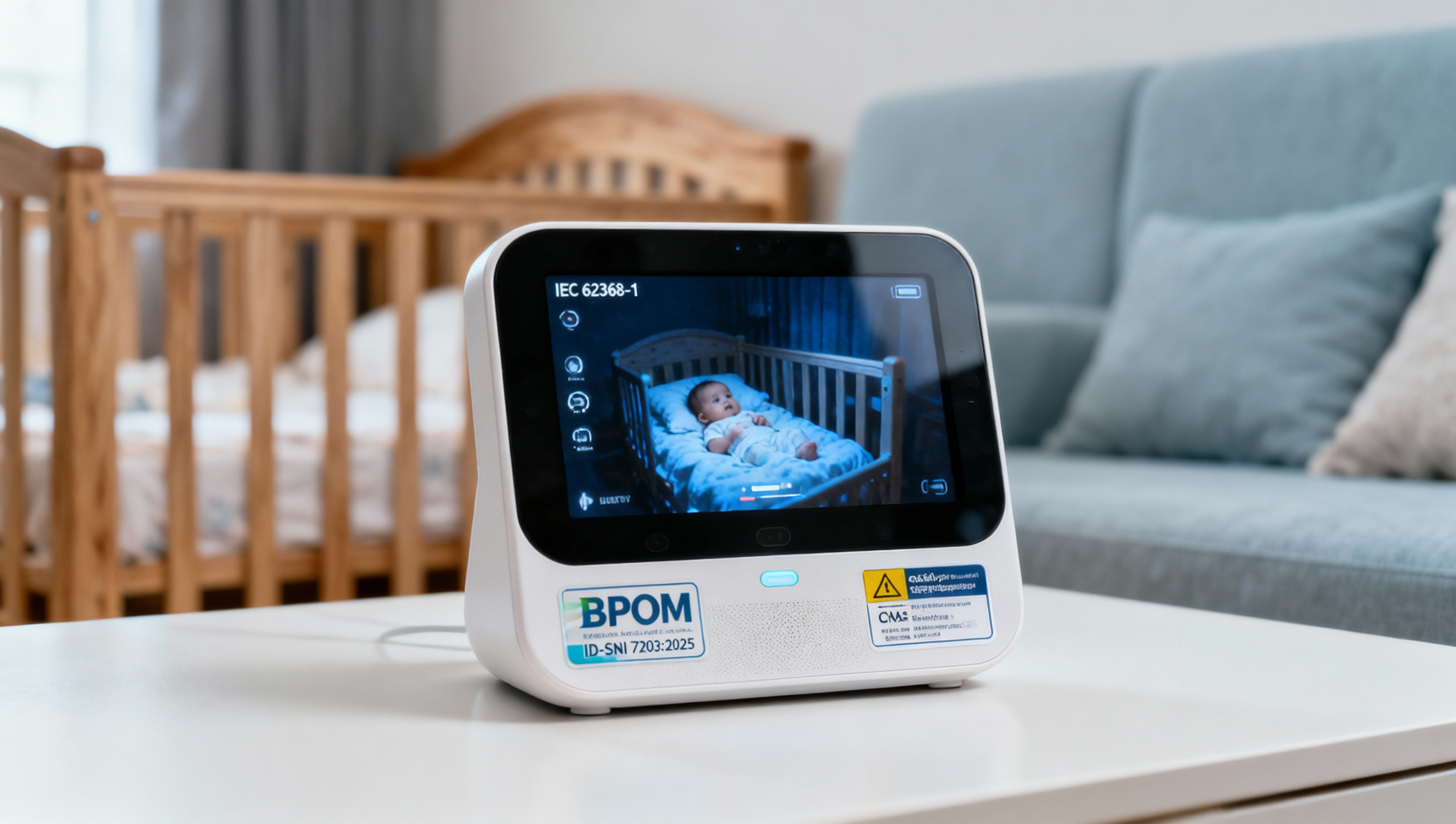
 Nursery Furniture & MonitorsApr 27, 2026Indonesia BPOM Fast-Tracks Baby Monitor Registration to 14 Working DaysIndonesia BPOM Fast-Tracks Baby Monitor Registration to 14 working days—leverage CNAS reports & ID-SNI 7203:2025 for rapid market entry.
 Corporate & Seasonal GiftsApr 27, 2026TÜV Rheinland Releases Sustainable Gift Packaging White Paper 2026Sustainable gift packaging white paper 2026 by TÜV Rheinland: New LCA rules for VOCs, container loading & last-mile transport — act now to meet IKEA, Douglas Q3 2026 requirements.
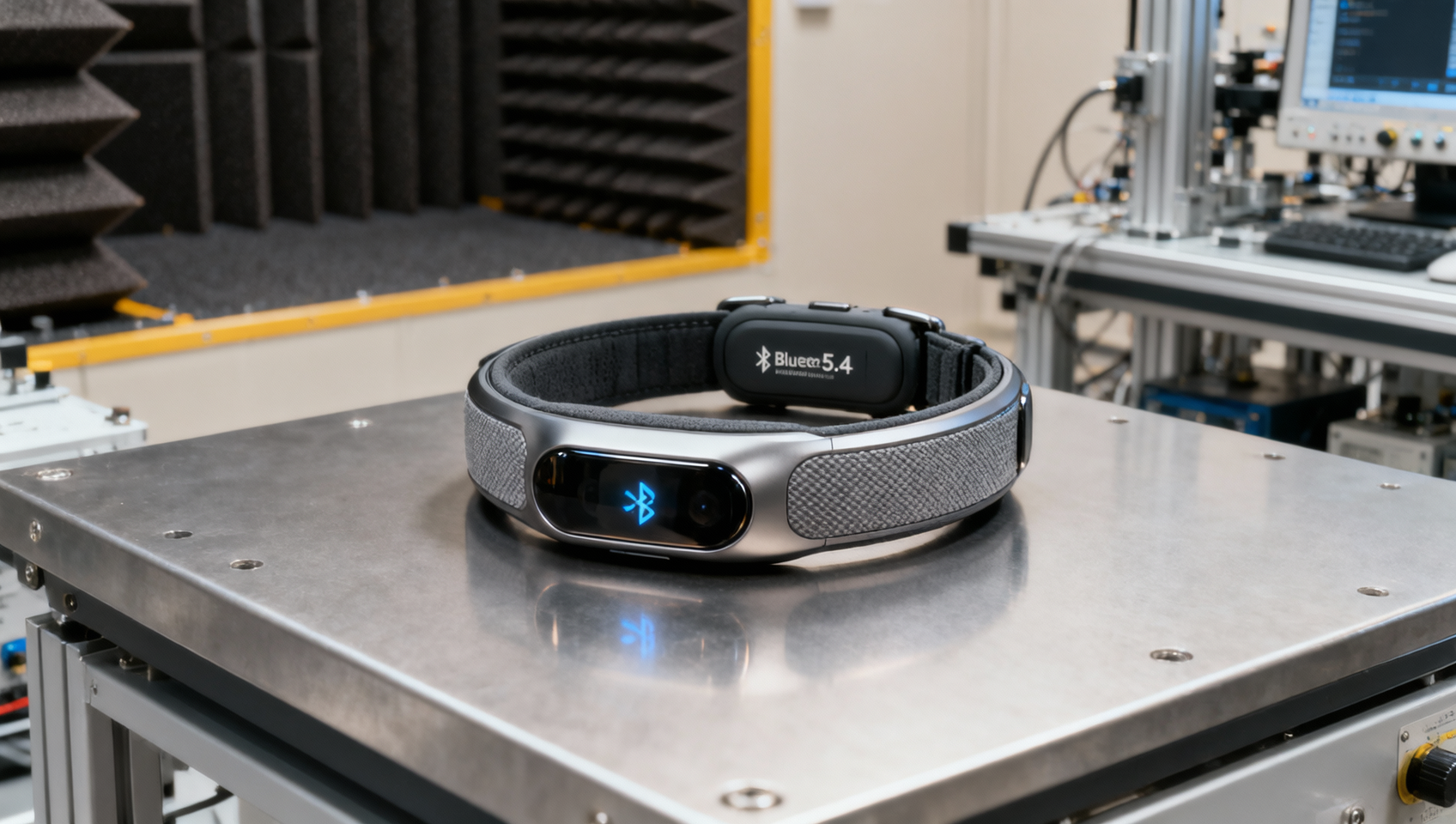
 Smart Pet DevicesApr 27, 2026JETRO Summer Inspection: Smart Pet Collars Must Pass JIS T 1002:2026 Bluetooth TestSmart Pet Collars must pass JIS T 1002:2026 Bluetooth 5.4 coexistence testing for JETRO’s 2026 summer inspection — avoid delays, recalls & lost sales in Japan.
 Fitness EquipmentApr 27, 2026CPSC Mandates Emergency Stop & Thermal Cutoff for US Fitness MirrorsCPSC mandates emergency stop & thermal cutoff for US fitness mirrors—urgent compliance required by July 2026. Learn implications for OEMs, importers & suppliers.
 STEM & Educational ToysApr 27, 2026SASO Updates Toy Certification: EN71-3:2026 for STEM Toys in Saudi ArabiaSASO EN71-3:2026 toy certification now mandatory for STEM toys in Saudi Arabia—nickel, cobalt & antimony limits tightened. Act before Aug 1, 2026!
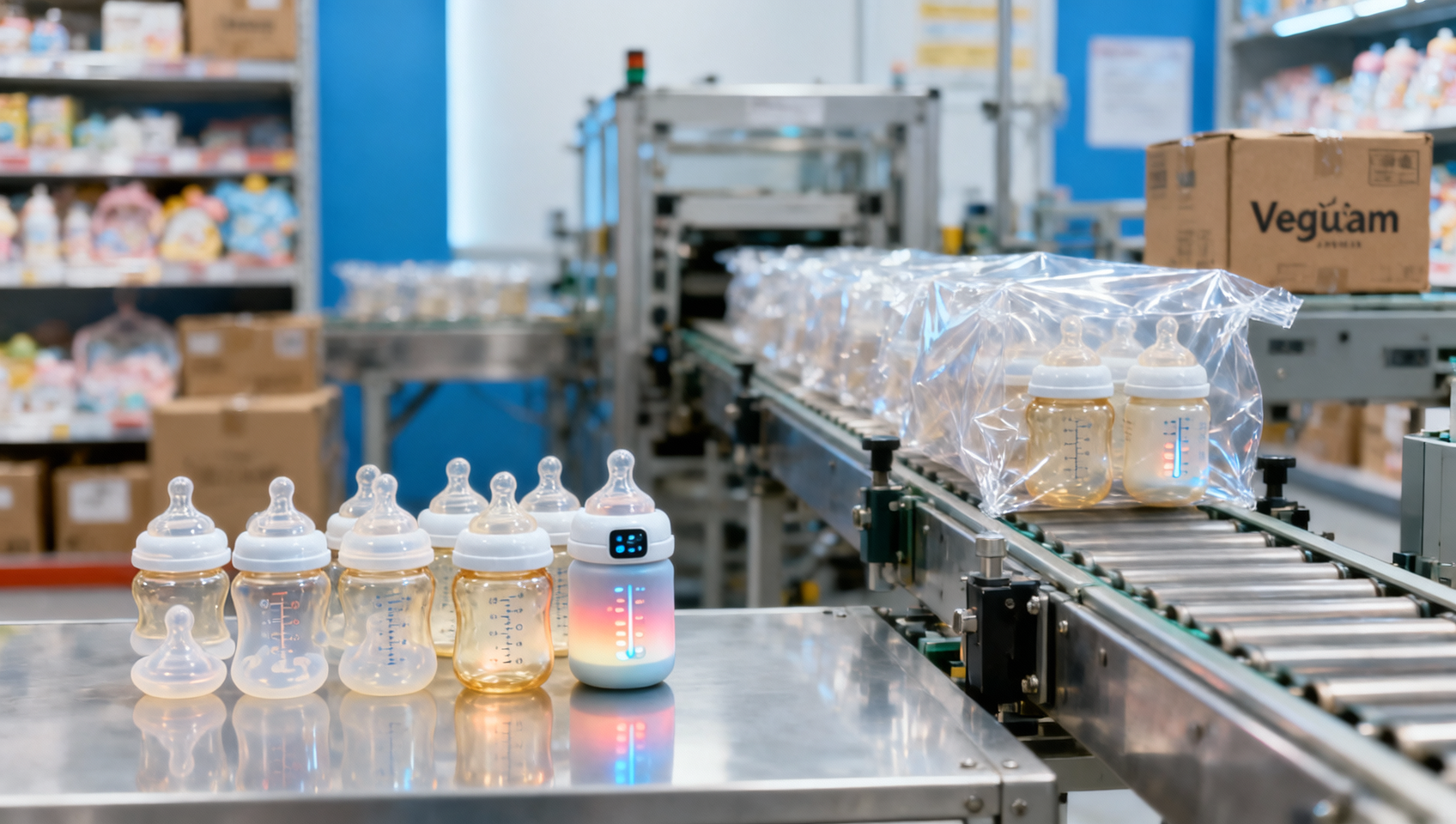
 Infant Feeding & CareApr 27, 2026RCEP Update: Vietnam Cuts Tariffs on Silicone Nipples, Smart Bottles from ChinaRCEP Update: Vietnam cuts tariffs on silicone nipples & smart bottles from China—save 9–13% import costs starting May 1, 2026. Act now!
 Beauty DevicesApr 27, 2026EU EPR Carbon Fee for Smart Beauty Devices Starts June 2026EU EPR Carbon Fee for Smart Beauty Devices starts June 2026 — learn how the new Green Packaging Regulation Fee impacts OEMs, suppliers & EU importers.
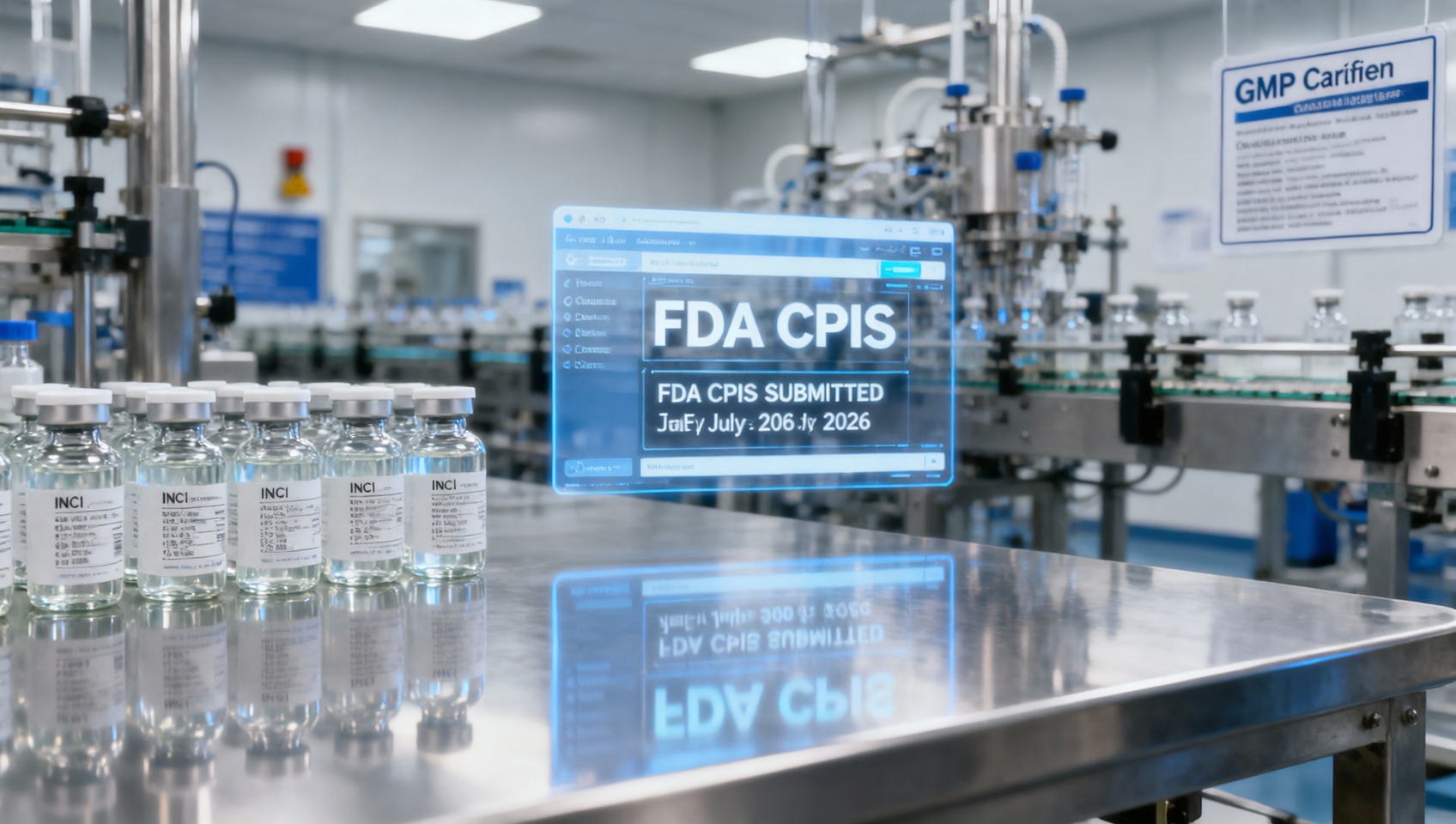
 Skincare OEMApr 27, 2026FDA CPIS Mandate Effective July 2026 for US Cosmetic ImportsFDA CPIS mandate takes effect July 2026—learn how skincare OEMs, cosmetic exporters & U.S. importers must comply to avoid shipment delays and entry denials.
 Beauty DevicesApr 26, 2026Global Li-ion Recycling Rate Hits 62%: Beauty Device Battery BOM Cost Down 9%Li-ion recycling hits 62% globally—cutting beauty device battery BOM costs by 9% and lead times to 6 weeks. Act now to boost export agility & margins.
") Smart Pet DevicesApr 26, 2026Vietnam Enforces New Smart Pet Collar Standard (QCVN 135:2026)Vietnam Enforces New Smart Pet Collar Standard (QCVN 135:2026): Bluetooth 5.4 resilience & native Vietnamese voice prompts required by July 1, 2026 — act now to avoid customs delays!
Smart Pet DevicesApr 26, 2026Vietnam Enforces New Smart Pet Collar Standard (QCVN 135:2026)Vietnam Enforces New Smart Pet Collar Standard (QCVN 135:2026): Bluetooth 5.4 resilience & native Vietnamese voice prompts required by July 1, 2026 — act now to avoid customs delays! Nursery Furniture & MonitorsApr 26, 2026Shanghai International Logistics Procurement Expo 2026 ClosesShanghai International Logistics Procurement Expo 2026 closed—AI-powered smart infant & pet health devices led procurement demand. Discover key trends, buyer priorities & 2027 outlook.