ODM pet tracker buying guide for first-time importers
Entering the ODM pet tracker market for the first time can feel complex, especially when global buyers must balance supply chain data, product testing, and brand procurement goals. This guide helps first-time importers understand how ODM pet sourcing fits today’s retail market, what compliance and supplier signals matter most, and how to reduce risk while building a scalable, buyer-ready product strategy.
Why ODM pet trackers matter in travel retail and service ecosystems
For first-time importers, an ODM pet tracker is not simply a gadget for pet owners. In travel services, it connects to broader customer needs such as pet-friendly trips, airport transit, hotel stays, road travel, cross-border relocation, and tour support. A well-selected device can serve retailers, travel distributors, mobility platforms, and service operators that want to offer practical safety tools to customers moving with pets.
The buying challenge usually appears in 3 layers. First, the product must match real travel scenarios, including short weekend trips, 7–15 day vacations, and long-distance relocation. Second, the sourcing model must support branding, packaging, and differentiated features. Third, the importer must control cost, certification, and delivery risk without overcommitting on the first order.
This is where structured market intelligence becomes useful. Global Consumer Sourcing supports buyers with focused insight across the pet economy and adjacent consumer retail categories. For procurement teams, that means a clearer view of supplier maturity, compliance expectations, common specification ranges, and private-label opportunities that fit modern travel retail demand.
In practice, travel-related pet tracking products are often evaluated by 5 core buyer questions: where the tracker is used, how it connects, what power profile it has, what compliance documents are needed, and whether the factory can scale from pilot quantity to repeat purchase. First-time importers who answer these 5 questions early reduce avoidable redesigns later.
Which travel-driven demand signals should buyers watch?
Demand is strongest where pet mobility creates anxiety or service complexity. That includes hotel chains accepting pets, travel accessories sellers, airport retail concepts, camping and road-trip retail, and online stores targeting pet parents who travel frequently. Buyers should also note seasonal spikes, because travel-oriented products often need forecast planning 8–12 weeks before major holiday periods.
- Pet-friendly hospitality programs that bundle safety accessories with booking or check-in services.
- Travel gear distributors that want lightweight, giftable, easy-to-display tracker packaging.
- Cross-border pet transport support services that prioritize battery handling, labeling, and documentation.
- D2C brands looking for a branded tracker with app integration and reorder potential.
How to define the right product scope before you request ODM quotations
A common mistake among first-time importers is asking for quotes too early. Factories can price almost anything, but quotations are only comparable when the buyer defines use case, battery expectations, connectivity route, enclosure format, packaging level, and target market. Without this scope, the cheapest quote often becomes the most expensive project after revisions, testing, and delayed launch.
For travel service channels, the product brief should cover at least 6 points: collar or tag form factor, indoor and outdoor use expectations, charging cycle, app language support, retail packaging style, and destination market requirements. If your product is intended for tourists or gift buyers, packaging clarity and quick onboarding can matter as much as hardware stability.
ODM sourcing is attractive because it shortens development time compared with a fully custom build. A buyer can often start from an existing hardware platform, then adjust branding, color, firmware interface, accessories, manuals, and packaging. For first import cycles, this can reduce engineering complexity across the first 2–3 project stages: sample review, compliance preparation, and pilot order.
The table below helps buyers translate travel service requirements into a sourcing brief that factories can actually quote. It also helps internal stakeholders such as finance, quality, and project management review whether the planned ODM pet tracker matches commercial goals and operational constraints.
If a supplier cannot respond clearly to these categories, the buyer should slow down. Good ODM partners usually ask detailed follow-up questions within the first 3–5 working days. That is often a positive sign of engineering coordination rather than sales delay.
What should be included in a first-round ODM request?
Minimum RFQ checklist for new buyers
- Target market list, such as EU, UK, North America, or mixed cross-border e-commerce destinations.
- Planned sales channel, including travel retail, online pet store, hospitality partnership, or distributor network.
- Desired sample timeline, usually 2–4 weeks for available platforms and longer for interface customization.
- Expected pilot quantity, repeat order estimate, and packaging requirements for retail presentation.
- Required documents, test expectations, and battery or labeling concerns relevant to shipment and market entry.
Which specifications, compliance points, and supplier signals reduce import risk?
When evaluating an ODM pet tracker, first-time importers should separate visible features from true import risk. Color, packaging, and app screenshots are easy to discuss. Harder issues include battery transport handling, wireless compliance, durability in travel use, traceable production controls, and consistency between sample and mass production. These are the issues that quality managers and project owners should prioritize.
For travel-oriented products, practical specifications often matter more than headline claims. Buyers should review charging method, expected standby range under typical use, attachment security, splash or weather resistance, and the logic behind location update intervals. A device used in city tourism has different expectations from one used in rural travel or outdoor adventure support.
Compliance review should also start early. Depending on destination market and product design, buyers may need to assess general electrical safety, wireless device requirements, battery transport documentation, labeling rules, and retail packaging declarations. If the product is sold through mainstream retail or travel distribution, missing paperwork can delay launch by several weeks and increase storage costs.
The next table summarizes a practical review framework for procurement, quality, and finance teams. It does not replace formal legal review, but it helps first-time importers ask better questions before paying for tooling changes or large deposits.
A supplier that can explain its process in 4 stages—spec confirmation, sample build, compliance review, and mass production control—usually provides a better base for long-term importing than a supplier focused only on quick quotation. Buyers should look for process clarity, not just product enthusiasm.
Supplier signals that deserve extra attention
- The factory can distinguish between existing platform customization and fully new development, including realistic lead time differences.
- The team provides document samples for packaging, labels, and routine test coordination without vague promises.
- The supplier discusses acceptable tolerance, inspection checkpoints, and failure handling instead of only discussing unit price.
- Communication includes engineering and quality staff within the first 1–2 rounds, not sales only.
How do cost, lead time, and ODM options compare for first import projects?
Budget control is often where projects slow down. Finance approvers want cost predictability, while commercial teams want better features and stronger branding. The practical answer is to compare ODM options by project complexity rather than by unit price alone. A lower ex-factory price can still create higher landed cost if it triggers retesting, packaging rework, or support issues after launch.
For a first import cycle, most buyers consider 3 broad paths: standard model with logo change, semi-custom ODM with packaging and interface updates, or deeper customization with hardware revisions. Each path affects sample timing, tooling risk, minimum order strategy, and market differentiation. Travel service buyers often succeed faster with the middle path because it balances speed and branding.
Lead time planning should also reflect travel retail cycles. Sample evaluation may take 2–4 weeks, packaging confirmation another 1–2 weeks, and production often 3–6 weeks depending on component readiness and order scale. If a launch is tied to a seasonal travel campaign, importers should build in extra time for freight, customs review, and channel onboarding.
The table below compares common entry routes for buyers launching an ODM pet tracker into travel-driven channels such as hotel retail, airport shops, online travel accessories, and pet travel bundles.
For many first-time importers, the smartest move is not maximum customization. It is choosing the lowest-risk configuration that still supports margin, packaging appeal, and repeat order potential. This is especially important when the product is entering a travel service network that will judge the item on setup simplicity and customer complaint rate.
A practical budgeting lens for cross-functional teams
Cost drivers beyond unit price
- Sample iterations and translation updates for manuals, app prompts, and packaging inserts.
- Compliance review and document preparation required by destination market and channel partner.
- Battery-related freight planning, which can alter route, cost, and transit time.
- After-sales handling costs tied to unclear onboarding, unstable pairing, or weak attachment parts.
What implementation process helps first-time importers launch with fewer surprises?
A disciplined implementation process is the main difference between a smooth launch and a rushed import problem. First-time buyers should set internal ownership across at least 4 functions: procurement, quality, finance, and market or channel management. If one of these functions is missing from approval, issues usually appear later in label review, payment timing, or shipment release.
For travel service channels, implementation should start from user journey mapping. Ask what the customer sees in the first 10 minutes: package opening, charging, app onboarding, attachment to collar or carrier, and initial tracking use. This matters because travel shoppers often buy under time pressure and expect fast setup before departure, check-in, or transit.
Global Consumer Sourcing adds value here by helping buyers compare suppliers and product directions using market-backed, category-specific sourcing intelligence. Instead of treating the import decision as only a price exercise, buyers can evaluate product-market fit, compliance burden, and channel suitability together. That reduces friction during internal approvals and supports more resilient line planning.
A 4-step process usually works well for first import projects. It keeps the scope narrow enough for control, while still giving commercial teams room to build a branded offer for travel retail or pet travel service customers.
Recommended 4-step launch path
- Define the channel and use case: decide whether the ODM pet tracker is for hotel retail, online travel gear, distributor resale, or bundled service support.
- Request targeted samples and documents: compare 2–3 supplier options, not too many, and review packaging, pairing flow, and attachment security.
- Run a pilot order with inspection checkpoints: confirm carton marks, instruction language, accessories, and final shipment documents before release.
- Collect post-launch feedback within the first 30–60 days: track returns, setup complaints, and packaging confusion to improve the second order.
Common mistakes new buyers should avoid
- Approving a sample without confirming whether production materials and firmware are identical to what was tested.
- Ignoring the travel customer experience, especially charging ease and quick-start instructions for first use.
- Comparing suppliers only by quoted cost instead of total workload, paperwork readiness, and response quality.
- Launching into multiple markets at once before confirming compliance and labeling needs for each destination.
FAQ for first-time importers of ODM pet trackers
Below are the questions most buyers ask when planning a first import order for pet tracking devices aimed at travel retail, pet mobility support, or branded accessories. These points are especially useful for information researchers, distributors, quality teams, and decision-makers reviewing whether the category fits their commercial plan.
How many suppliers should I compare for an ODM pet tracker project?
In most first projects, comparing 2–4 qualified suppliers is more effective than requesting quotes from a large list. This keeps technical review manageable and allows deeper comparison of sample quality, communication, and documentation. Too many quotes create price noise and usually slow decisions without improving supplier selection quality.
What is a realistic first order strategy?
A pilot approach is often safer than a full-scale launch. Start with a manageable quantity aligned with one channel, one packaging format, and one target market. That lets buyers validate return rate, customer onboarding, and transit performance before expanding. It also helps finance teams evaluate actual landed cost instead of theoretical cost only.
Which teams inside my company need to review the project?
At minimum, include procurement, quality or product safety, finance, and channel or marketing ownership. If the tracker relies on app experience or cross-border shipment complexity, involve technical support and logistics as well. A 5-function review can prevent many common launch problems that a single buyer may not see early enough.
How long does an ODM import project usually take?
It depends on customization level, but a practical planning window often includes 2–4 weeks for samples, 1–2 weeks for packaging and approval revisions, and 3–6 weeks for production after confirmation. Add extra time for freight and customs processing if the product includes batteries or if the launch must align with a fixed travel season.
Why work with us when evaluating ODM pet tracker sourcing?
Global Consumer Sourcing supports buyers who need more than a supplier list. We help connect product sourcing decisions with real retail and travel-service market logic, so teams can assess whether an ODM pet tracker fits their channel, timing, and compliance workload. That is especially valuable for first-time importers balancing speed, safety, and internal approval pressure.
Our advantage is not generic promotion. It is the ability to frame sourcing decisions around category-specific intelligence, supplier-readiness signals, and buyer-facing product requirements. For pet economy and travel-adjacent retail programs, that means a clearer view of product direction, market fit, private-label options, and practical import risk before major commitments are made.
If you are reviewing an ODM pet tracker project, you can contact us for targeted support on specification confirmation, supplier comparison, packaging and branding direction, expected lead time, common compliance checkpoints, sample evaluation priorities, and quotation review. We can also help you structure the first import brief so your procurement, quality, and finance teams work from the same decision framework.
For the fastest next step, prepare 6 items before reaching out: target market, planned sales channel, intended use scenario, desired customization level, expected launch window, and sample requirements. With that information, the discussion moves quickly from broad inquiry to practical sourcing guidance and a more controlled buying path.
Related Intelligence
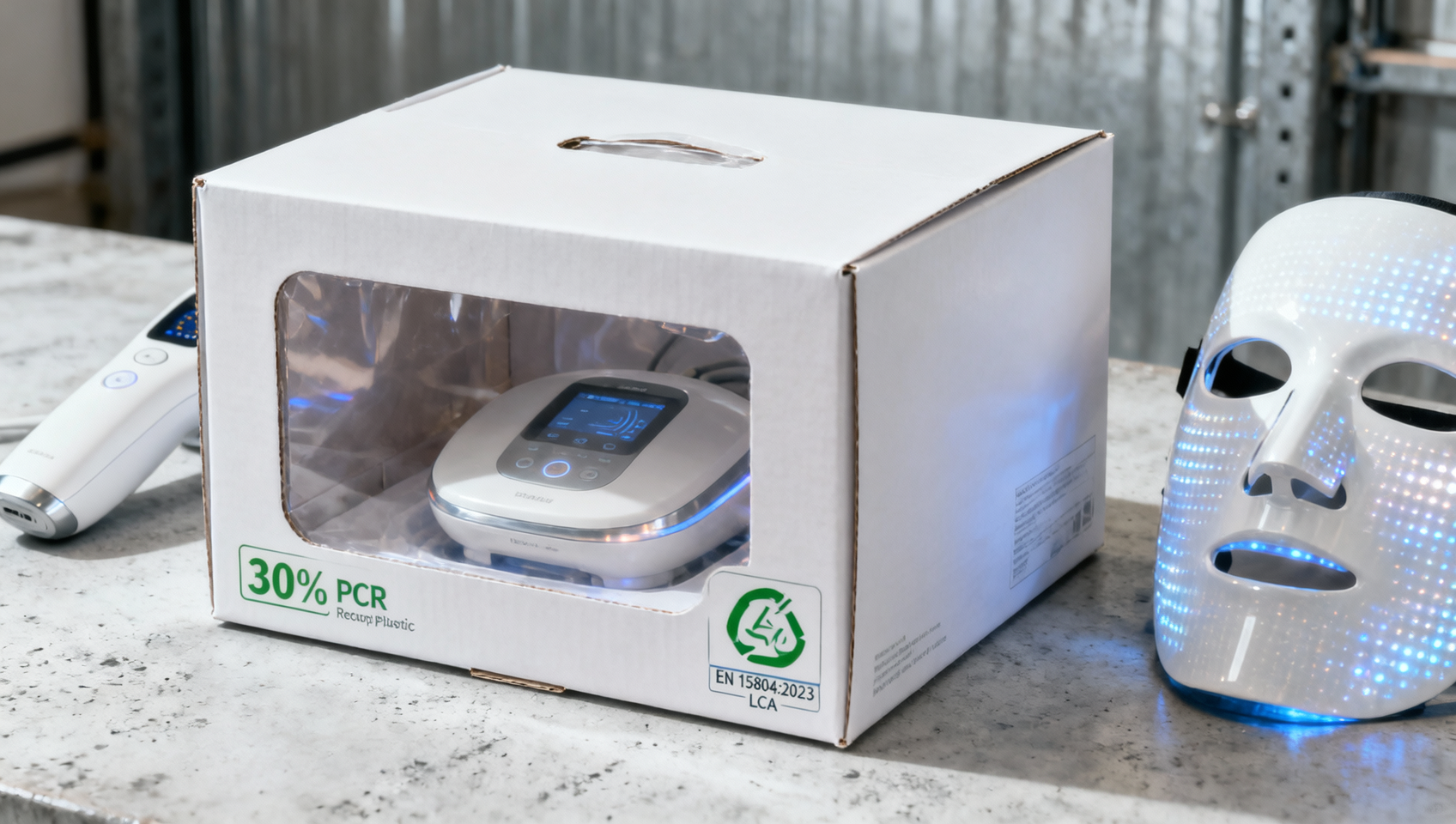
 2026/789 on Beauty Device Packaging Takes Effect") Beauty DevicesApr 29, 2026EU Regulation (EU) 2026/789 on Beauty Device Packaging Takes EffectEU Regulation (EU) 2026/789 mandates 30% recycled plastic & LCA declarations for beauty device packaging — act now to avoid Amazon.de/fr rejections!
Beauty DevicesApr 29, 2026EU Regulation (EU) 2026/789 on Beauty Device Packaging Takes EffectEU Regulation (EU) 2026/789 mandates 30% recycled plastic & LCA declarations for beauty device packaging — act now to avoid Amazon.de/fr rejections! Electronic & RC ToysApr 29, 2026ICTA: RC Toy Orders Shift to South China, Lead Time Cuts to 6 WeeksICTA reports RC toy orders shifting to South China—78% now flow to Guangdong’s cluster, cutting lead times to just 6 weeks. Act now to optimize sourcing, compliance & logistics.
 STEM & Educational ToysApr 29, 2026CPSC Nanomaterial Migration Rule for STEM Toys Effective Q3 2026CPSC Nanomaterial Migration Rule for STEM Toys: New ASTM F963–24 testing (≤0.05 mg/cm²/h) mandatory from Oct 1, 2026—avoid detention & recalls.
 Fitness EquipmentApr 29, 2026THE Alliance Cuts Shanghai–LA Capacity by 22%: Fitness Equipment Delays ExtendFitness equipment shippers: THE Alliance cuts Shanghai–LA capacity by 22% in May 2026—delays, surcharges, and 12–14-week bookings loom. Act now.
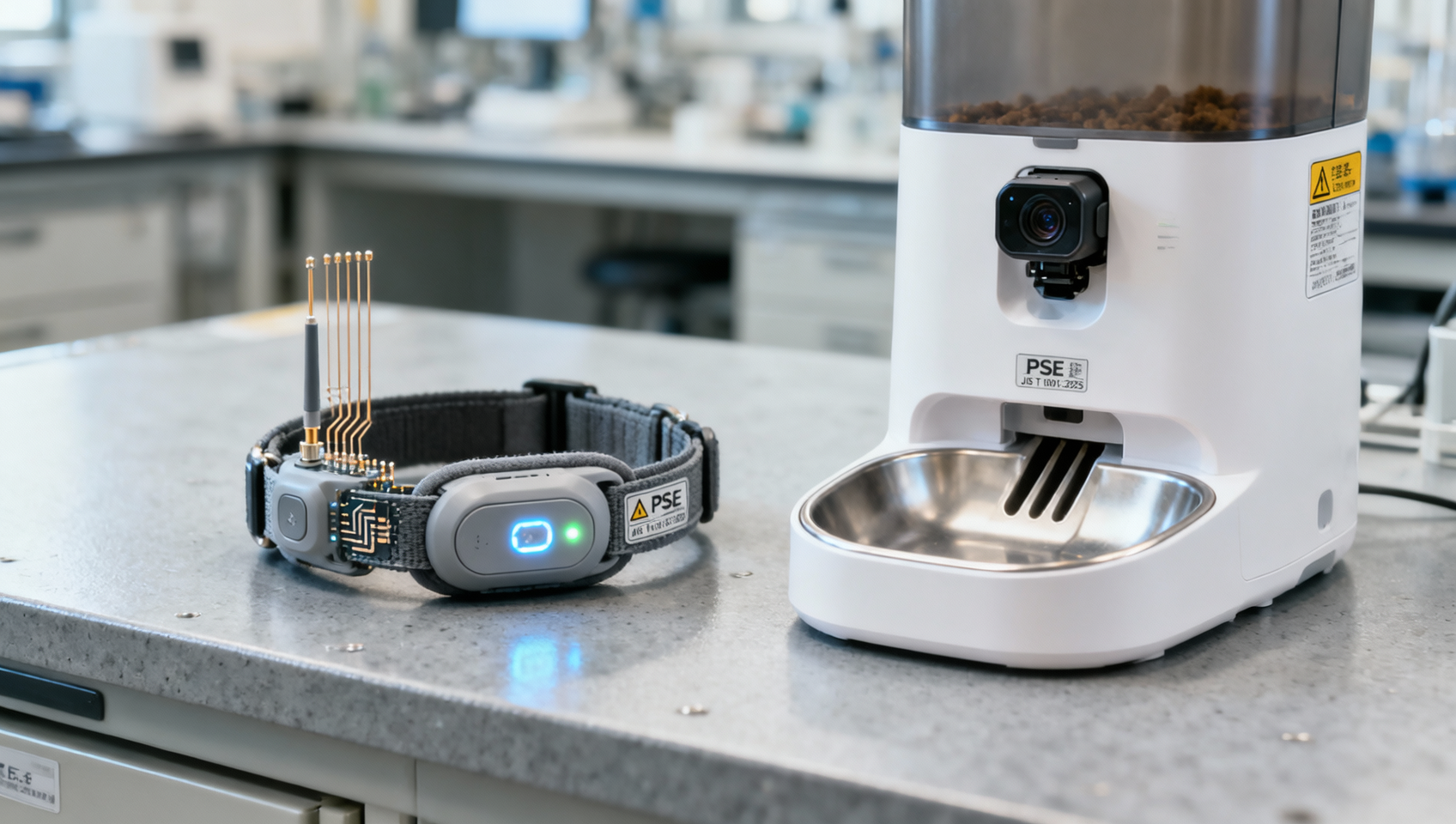
 Smart Pet DevicesApr 29, 2026Japan METI Expands Smart Pet Device White List, 10-Day Certification for Chinese DevicesJapan METI expands Smart Pet Device white list—Bluetooth 5.3+ collars & AI feeders now qualify for fast 10-day certification. Key opportunity for Chinese exporters.
 Infant Feeding & CareApr 29, 2026ASEAN-FFL 2026: RCEP Infant Feeding Labeling Rules Take EffectASEAN-FFL 2026 labeling rules take effect April 2026—ensure RCEP infant feeding product compliance now to avoid shelf bans & delays.
 Corporate & Seasonal GiftsApr 29, 2026Germany UBA to Pilot Carbon Labelling for Corporate GiftsGermany UBA's 2026 carbon labelling pilot for corporate gifts mandates ISO 14067 LCAs — vital for Chinese exporters, printers & ink suppliers targeting EU green procurement.
 Nursery Furniture & MonitorsApr 29, 2026Vietnam MOIT Eases Infant Monitor Registration, Requires NMPA Class II FilingVietnam MOIT eases infant monitor registration: NMPA Class II filing now accepted—skip local testing, cut time-to-market. Key for China-Vietnam medtech exporters.
 Camping & WaterApr 29, 2026SASO Mandates IP6X + Salt Spray for Camping Power & Inflators in Saudi ArabiaSASO mandates IP6X + salt spray for camping power stations & inflators in Saudi Arabia—act now to avoid shipment delays and customs rejection.
") Skincare OEMApr 29, 2026FDA Adds Plant Stem Cell Extract Code to CPIS (Apr 2026)FDA adds 'Plant Stem Cell Extract' code to CPIS—urgent compliance action needed for skincare OEMs, suppliers & importers before July 1, 2026.
Skincare OEMApr 29, 2026FDA Adds Plant Stem Cell Extract Code to CPIS (Apr 2026)FDA adds 'Plant Stem Cell Extract' code to CPIS—urgent compliance action needed for skincare OEMs, suppliers & importers before July 1, 2026. Electronic & RC ToysApr 28, 2026ICTA 2026 Q2 RC Toy Sourcing Report: Shift to Guangdong ClusterICTA 2026 Q2 RC Toy Sourcing Report reveals 68% of global electronic RC toy orders shifting to Guangdong’s Shenzhen–Dongguan–Zhongshan cluster — driven by dual-band modules, UL9990 batteries & rapid prototyping. Act now.
 Skincare OEMApr 28, 2026FDA Adds Plant Stem Cell Extract Code to CPIS SystemFDA adds COS-PLS-2026 code for plant stem cell extract in CPIS — vital for skincare OEMs, suppliers & U.S. importers. Act now to ensure compliance by July 1, 2026.
 Nursery Furniture & MonitorsApr 28, 2026Vietnam Exempts Infant Monitors from Local Type TestingVietnam exempts infant monitors from local type testing—leverage your NMPA Class II filing to fast-track Vietnam market entry starting June 1, 2026.