Custom Cycling Jerseys: Fabric Choices That Affect Comfort on the Road
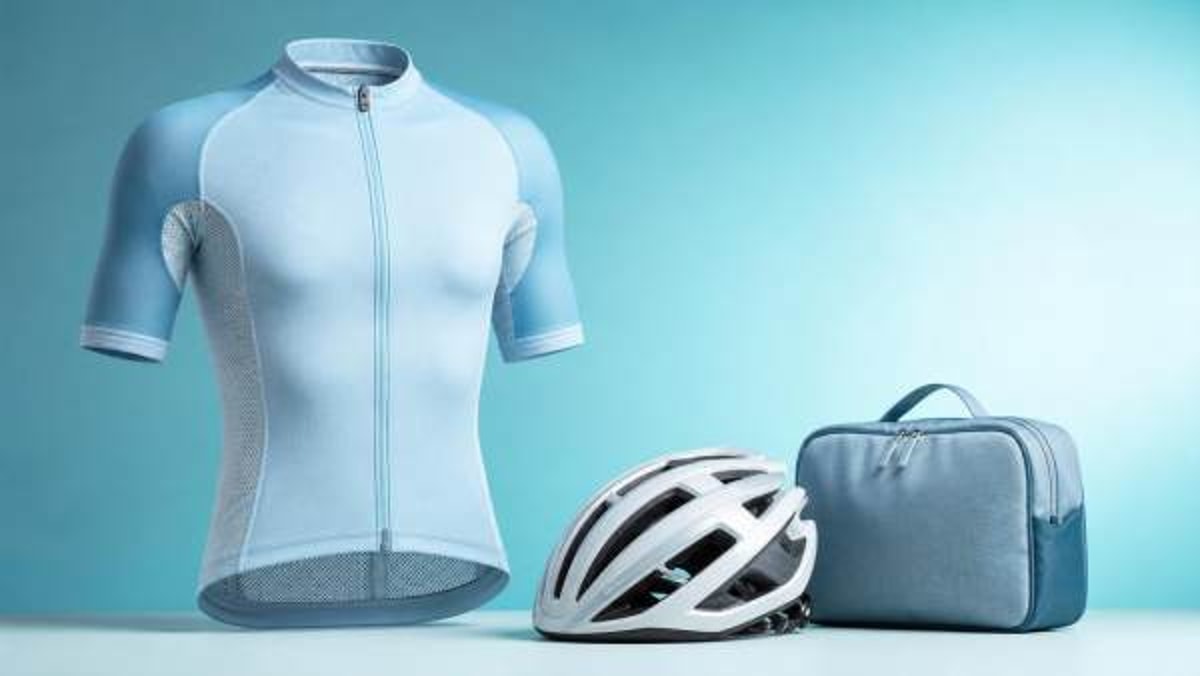
Choosing the right fabric can make or break your ride, especially when comfort matters over long distances. Custom cycling jerseys are more than a style statement—they influence breathability, moisture control, stretch, and temperature regulation on the road. In this guide, we explore how different fabric options affect performance and comfort, helping riders make smarter choices for every journey.
Why Fabric Choice Is Becoming a Bigger Decision for Riders
A noticeable shift is happening in cycling apparel. Riders are no longer choosing jerseys based only on color, fit, or team branding. More consumers now compare technical fabrics with the same care they once reserved for bikes, helmets, and shoes. This change is especially visible among people planning cycling holidays, long-distance road trips, charity rides, and destination-based group tours, where comfort over several hours matters as much as appearance.
For end consumers, the rise of custom cycling jerseys reflects two parallel trends. First, riders want apparel that feels personal and visually distinctive. Second, they want materials that can handle changing road conditions, body heat, sweat levels, and repeated washing during travel. In other words, fabric is no longer a hidden technical detail. It has become a key part of the riding experience and a practical decision factor when preparing for road cycling adventures.
This growing attention to fabric also connects with the broader travel service landscape. Cycling tourism has expanded beyond hardcore racing culture. More leisure riders, guided tour participants, and active travelers now expect clothing that supports comfort in warm climbs, windy descents, and multi-day itineraries. As a result, custom cycling jerseys are increasingly judged by performance on the road, not just by how they look in a product photo.
The Main Comfort Trends Shaping Custom Cycling Jerseys
Several fabric-related shifts are influencing what riders value most today. Breathability remains essential, but it is now part of a wider comfort equation that includes fast drying, softness against the skin, reliable stretch, and thermal balance. Riders also expect jerseys to perform across more than one situation, such as commuting in the morning, touring in the afternoon, and packing easily for travel later in the day.
These signals matter because they influence how custom cycling jerseys are designed, marketed, and selected. A jersey that works for a short local ride may not feel comfortable during a week-long cycling tour through mixed terrain. That is why fabric evaluation has become more situational and more travel-oriented.
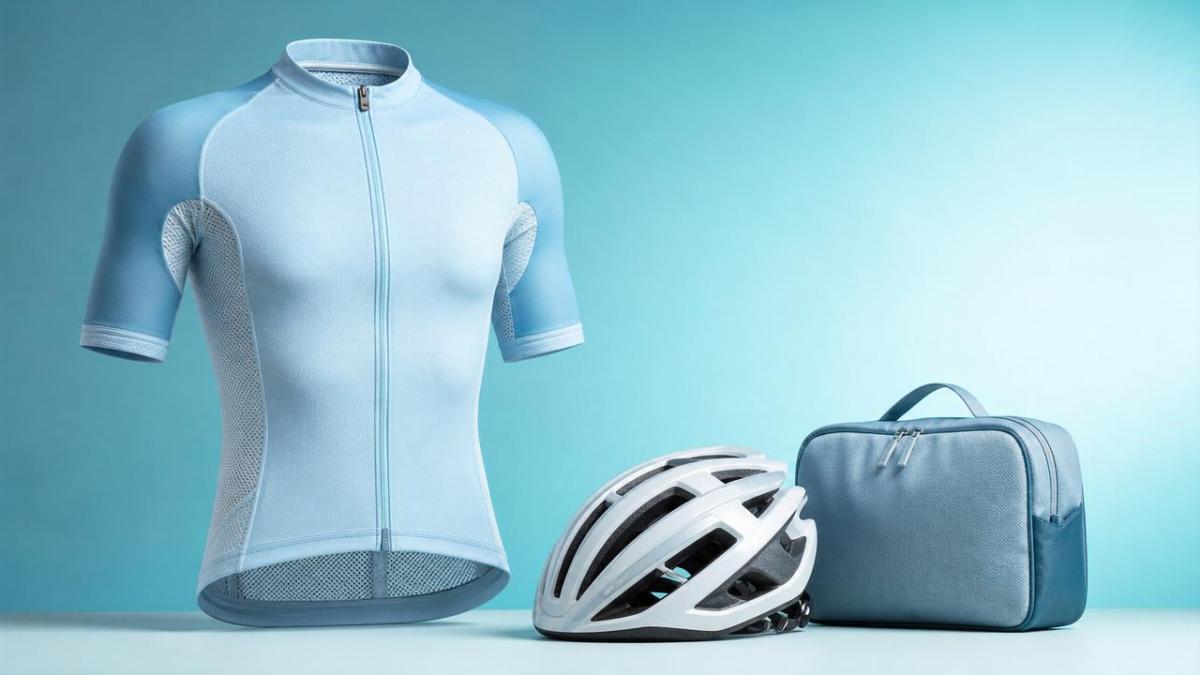
How Popular Fabric Types Affect Comfort on the Road
The most common materials used in custom cycling jerseys each offer different strengths. Understanding those differences helps riders match fabric choices to route length, climate, and travel plans.
Polyester: The Dominant Choice for Moisture Control
Polyester remains the leading base fabric in custom cycling jerseys because it manages sweat efficiently, dries fast, and supports vivid printed graphics. For riders on warm roads or long climbs, that quick-dry behavior can reduce the sticky, heavy feeling that develops when sweat stays trapped. Modern performance polyester is far better than older synthetic fabrics, often featuring microfibers or mesh structures that improve airflow.
Its main advantage is consistency. Riders on guided cycling tours or self-supported travel routes often wash jerseys overnight, and polyester tends to dry quickly enough for next-day use. The tradeoff is that lower-grade polyester can feel less soft and may retain odor more than premium blends. For comfort-focused consumers, the quality of the knit matters almost as much as the fiber itself.
Elastane Blends: Better Stretch, Better Body Mapping
Elastane, often blended in small percentages with polyester or nylon, improves flexibility and helps a jersey move with the rider’s body. This matters during long road rides because fabric that stretches well is less likely to bunch at the shoulders, pull across the chest, or shift awkwardly in an aggressive riding position.
The current trend is not simply “more stretch,” but smarter placement of stretch panels. Riders increasingly prefer custom cycling jerseys that use targeted elasticity in the sleeves, side panels, and rear pockets while keeping the core body material breathable and supportive. This reflects a broader shift toward comfort engineering rather than one-fabric-fits-all construction.
Nylon Blends: Soft Feel with Durable Performance
Nylon-based blends are gaining attention among consumers who value a softer hand feel and slightly more premium texture. Compared with some polyester fabrics, nylon can feel smoother against the skin, which is useful for riders spending hours on the road with repetitive upper-body movement. It is also associated with strength and abrasion resistance, helpful for frequent travelers who pack and wash gear often.
However, nylon behaves differently in heat and moisture management depending on the knit and blend. Some nylon-rich jerseys feel luxurious but may not ventilate as effectively as highly engineered polyester mesh. This means riders should avoid judging fabric by softness alone. Comfort on the road depends on heat release as much as touch.
Merino and Hybrid Natural Blends: Growing Interest in Multi-Day Travel
Although still less common in mainstream custom cycling jerseys, merino wool blends are drawing attention among endurance riders and cycling travelers. The reason is simple: merino can regulate temperature well, feel comfortable across changing conditions, and resist odor better than many synthetics. For consumers on bikepacking routes or multi-day tours, those benefits are meaningful.
Yet merino is not the default answer for every rider. It may dry more slowly than technical polyester, and print customization can be more limited depending on construction. The trend worth watching is hybrid design: combining natural fibers in selected zones with performance synthetics elsewhere. This approach reflects a broader market direction toward balanced, purpose-specific comfort.
What Is Driving These Fabric Preferences
The shift in how consumers evaluate custom cycling jerseys is not random. It is driven by changes in riding habits, travel behavior, and apparel expectations.
- Cycling is becoming more experience-led, with more riders joining tours, destination rides, and social events rather than only structured racing.
- Consumers are more aware of technical apparel language and actively compare moisture-wicking, UV protection, and breathability claims.
- Weather variability is increasing the value of adaptable fabrics that can handle both sun exposure and cooler descents.
- The custom apparel market has matured, allowing riders to expect personal design without giving up premium fabric quality.
For travelers, this means the jersey selection process now resembles trip planning. Riders think about destination climate, daily mileage, luggage limits, and laundry access. A comfortable jersey is no longer just sportswear; it is part of travel readiness.
How Different Riding Scenarios Change the Best Fabric Decision
Not every road ride creates the same fabric demands. One of the biggest mistakes consumers make is choosing custom cycling jerseys without considering how and where they will actually ride.
This scenario-based thinking is especially useful for consumers booking cycling vacations or preparing for event travel. Instead of asking only whether a jersey looks attractive, ask whether the fabric matches the road conditions and ride duration you are likely to face.
Signals Consumers Should Watch Before Buying
As the market for custom cycling jerseys becomes more sophisticated, product descriptions are also becoming more crowded with technical claims. Not all of them matter equally. A few signals are more reliable when assessing comfort value.
First, check whether the fabric structure is clearly described. Terms such as mesh back panels, brushed interior, micro-perforation, or compression sleeves tell you more than vague claims like “premium performance.” Second, consider whether the jersey is designed for racing, touring, or general road use. Fabric comfort is tied to use case. Third, look for realistic guidance on climate suitability. A brand that explains when a jersey performs best is usually more trustworthy than one claiming universal performance in all conditions.
Consumers should also pay attention to panel construction and seam placement. Even excellent fabric can feel uncomfortable if the jersey rubs under the arms or shifts under loaded rear pockets. In practical terms, custom cycling jerseys perform best when the fabric choice and garment design support each other.
What These Changes Mean for the Future of Cycling Travel Apparel
The next stage of development in custom cycling jerseys will likely center on more targeted comfort rather than generic technical upgrades. Riders increasingly want apparel tailored to specific environments: coastal rides, alpine routes, summer endurance tours, or urban cycling escapes. This will push the market toward better fabric mapping, lighter but more durable constructions, and improved combinations of printability with performance.
Another important direction is the blending of travel practicality with athletic function. Consumers who pack light and move between destinations value jerseys that dry overnight, resist odor, and remain comfortable after consecutive days of wear. In travel service contexts, this creates room for more curated recommendations, where routes, climate, and ride style help shape apparel choices.
That is why fabric knowledge now matters beyond dedicated cyclists. Tour operators, cycling trip planners, and active travel brands can all benefit from understanding how custom cycling jerseys influence rider satisfaction. Comfort affects energy, confidence, and enjoyment, especially during long scenic routes where the experience itself is the product.
Smart Buying Guidance for Riders Planning Their Next Journey
If you are comparing custom cycling jerseys for personal use, start with your riding context rather than with the graphic design. Think about temperature range, expected sweat level, trip duration, and whether you will need to wash and reuse the jersey while traveling. For hot and intensive road riding, prioritize breathability and fast drying. For longer tours, add odor control and softness to your checklist. For fast-paced club rides, focus more on stretch and stable fit.
The most useful question is not “Which fabric is best?” but “Which fabric is best for my kind of road experience?” That shift in thinking helps consumers avoid buying a jersey that looks impressive online but feels wrong after two hours in changing weather.
As custom cycling jerseys continue to evolve, the strongest buying decisions will come from matching fabric properties to real riding conditions. If you want to judge whether a jersey is truly suitable for your next trip, focus on five points: how it handles sweat, how quickly it dries, how it stretches in position, how it regulates temperature, and how comfortable it remains after repeated wear. Those signals will tell you far more than marketing language alone.
Related Intelligence
 Camping & WaterMay 03, 2026How to Compare a Kayak Manufacturer for Quality, Capacity, and WarrantyKayak manufacturer comparison for travel services: learn how to assess quality, load capacity, warranty, and supplier support to reduce sourcing risk and choose with confidence.
 Camping & WaterMay 03, 2026Portable Camping Stove: Fuel Options, Boil Time, and Packing Trade-OffsPortable camping stove guide: compare fuel options, boil time, weight, and packing trade-offs to choose the best stove for your trip style, cooking needs, and outdoor comfort.
 Camping & WaterMay 03, 2026Rooftop Tent Manufacturer: What Impacts Lead Time, MOQ, and ReliabilityRooftop tent manufacturer guide for travel service buyers: learn what affects lead time, MOQ, and reliability to reduce sourcing risk and choose a dependable supplier.
 Activewear OEMMay 03, 2026Sports Bra Private Label: Support Levels, Fabrics, and Fit Issues to KnowSports bra private label guide: compare support levels, breathable fabrics, and common fit issues to choose a comfortable, travel-ready bra that performs and feels right.
 Fitness EquipmentMay 03, 2026Soccer Balls Bulk: How to Match Construction to Training or Match UseSoccer balls bulk buying guide for travel services: learn how to match ball construction to training or match use, reduce replacement costs, and source with more confidence.
 Camping & WaterMay 03, 2026Wholesale Life Jackets: Safety Standards You Should Not OverlookWholesale life jackets for tourism demand more than low pricing. Learn the key safety standards, certifications, labeling, and inspection points to protect guests and reduce sourcing risk.
 Camping & WaterMay 03, 2026Trekking Poles Manufacturer Review: Strength Tests, Locks, and Failure PointsTrekking poles manufacturer review covering strength tests, lock reliability, and failure points. Learn how QC teams and tourism service buyers can spot safer, more durable suppliers.
 Camping & WaterMay 03, 2026Outdoor Cooler Box Wholesale: Features That Matter in Real Field UseOutdoor cooler box wholesale: discover the field-tested features that really matter—insulation, durability, sealing, portability, and easy cleaning for reliable tourism operations.
 Camping & WaterMay 03, 2026Fiberglass SUP Paddle: When It Makes More Sense Than CarbonFiberglass SUP paddle buying guide for travel and leisure businesses: discover when fiberglass beats carbon for rentals, tours, and retail with better value, durability, and guest comfort.
 Fitness EquipmentMay 03, 2026Pickleball Paddles OEM: Design Choices That Influence Market AppealPickleball paddles OEM design choices shape appeal in resorts, retail, and travel channels. Learn how materials, branding, packaging, and compliance drive sales.
 Fitness EquipmentMay 03, 2026Golf Clubs Manufacturer Comparison: OEM Capability vs Consistent QualityGolf clubs manufacturer comparison guide: learn how to balance OEM capability with consistent quality, reduce sourcing risk, and choose a supplier that supports brand growth.
 Fitness EquipmentMay 03, 2026Wholesale Running Shoes: Sizing, Cushioning, and Return Risk ExplainedWholesale running shoes buyers in travel retail: learn how sizing accuracy, cushioning consistency, and defect checks reduce return risk, protect margins, and improve customer satisfaction.
 Fitness EquipmentMay 03, 2026Wholesale Tennis Rackets: How to Balance Price, Weight, and PlayabilityWholesale tennis rackets for travel services: learn how to balance price, weight, and playability to improve guest satisfaction, reduce replacement costs, and source smarter.