Camping Folding Chairs: What to Check Before Ordering in Volume
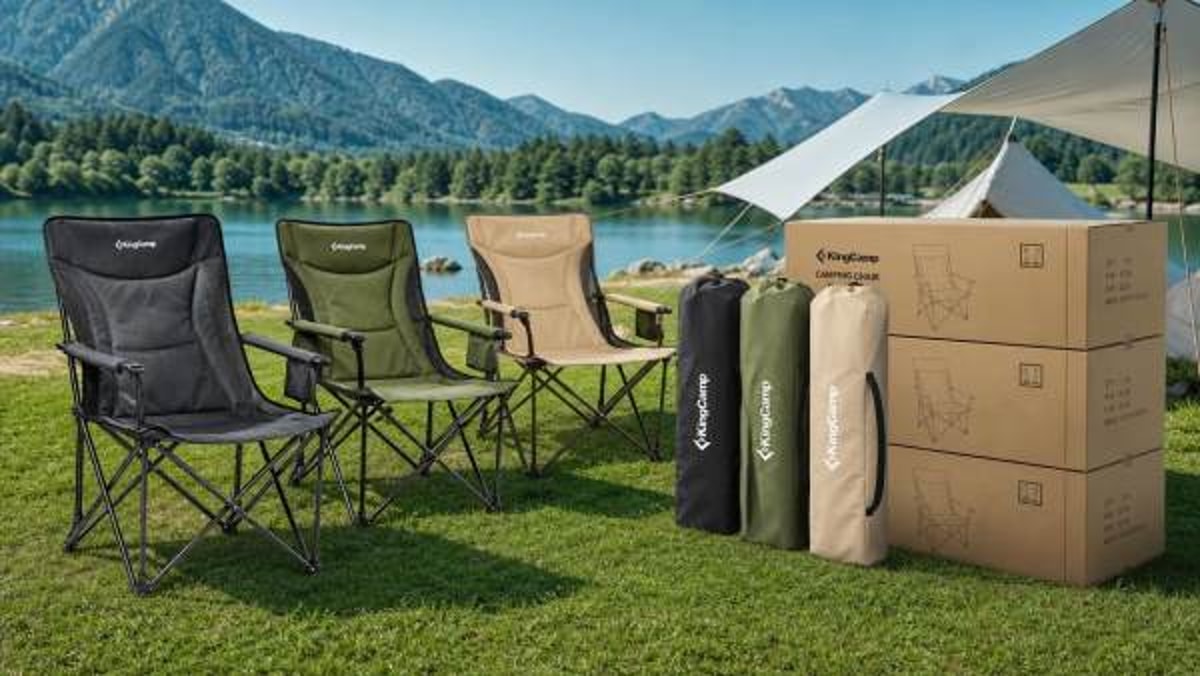
Ordering camping folding chairs in volume is not just about price—it is about durability, compliance, comfort, and supplier reliability. For procurement teams, a smart buying decision starts with checking frame materials, load capacity, fabric quality, folding mechanisms, certifications, and packaging efficiency. This guide outlines the key factors to review before placing bulk orders, helping buyers reduce risk and secure better long-term value.
Why bulk buying standards for camping folding chairs are changing
The sourcing environment for camping folding chairs has changed noticeably over the last few retail cycles. Buyers in travel services, outdoor rental programs, camping tour operators, and destination retailers are no longer selecting chairs only for seasonal demand spikes. They are buying for mixed-use scenarios: campsite packages, glamping upgrades, event seating, mobile hospitality, and branded travel merchandise. That shift means volume orders now carry higher expectations for comfort, visual consistency, safety, and lifecycle value.
At the same time, e-commerce has raised consumer expectations. End users compare weight, portability, cup holders, load ratings, and fabric durability before they ever visit a campsite. Procurement teams feel this pressure upstream. If a bulk order of camping folding chairs arrives with unstable frames, uneven stitching, or poor carton resistance, the result is not just product loss. It can trigger return costs, negative reviews, service complaints, and brand damage across the tourism experience.
For that reason, the buying checklist is becoming more technical. Travel-service buyers increasingly need to assess materials, compliance, packaging density, and supplier quality systems in one decision framework. The trend is clear: the market is moving from low-cost transactional buying to risk-managed, specification-led sourcing.
The main signals procurement teams should not ignore
Several signals explain why camping folding chairs deserve closer evaluation before ordering in volume. First, product usage is becoming more intensive. Chairs once bought for occasional leisure now serve rental fleets, guided tours, caravan parks, beach programs, festival partnerships, and outdoor cafés linked to tourism operators. Higher frequency of use exposes frame weakness, fabric fatigue, and hinge failure much faster.
Second, buyers are seeing greater assortment complexity. Classic quad chairs still sell well, but demand now extends to compact backpacking models, padded deluxe chairs, loveseat versions, reclining variants, and lightweight aluminum options. As range diversity increases, specification errors become more common unless technical requirements are written clearly.
Third, compliance and sustainability expectations are rising. Depending on the target market, procurement teams may need evidence of restricted substance control, labeling accuracy, flammability awareness, and packaging material conformity. Even when regulations do not require the same certification set across all destinations, buyers increasingly prefer suppliers who can document testing discipline and traceable material sourcing.
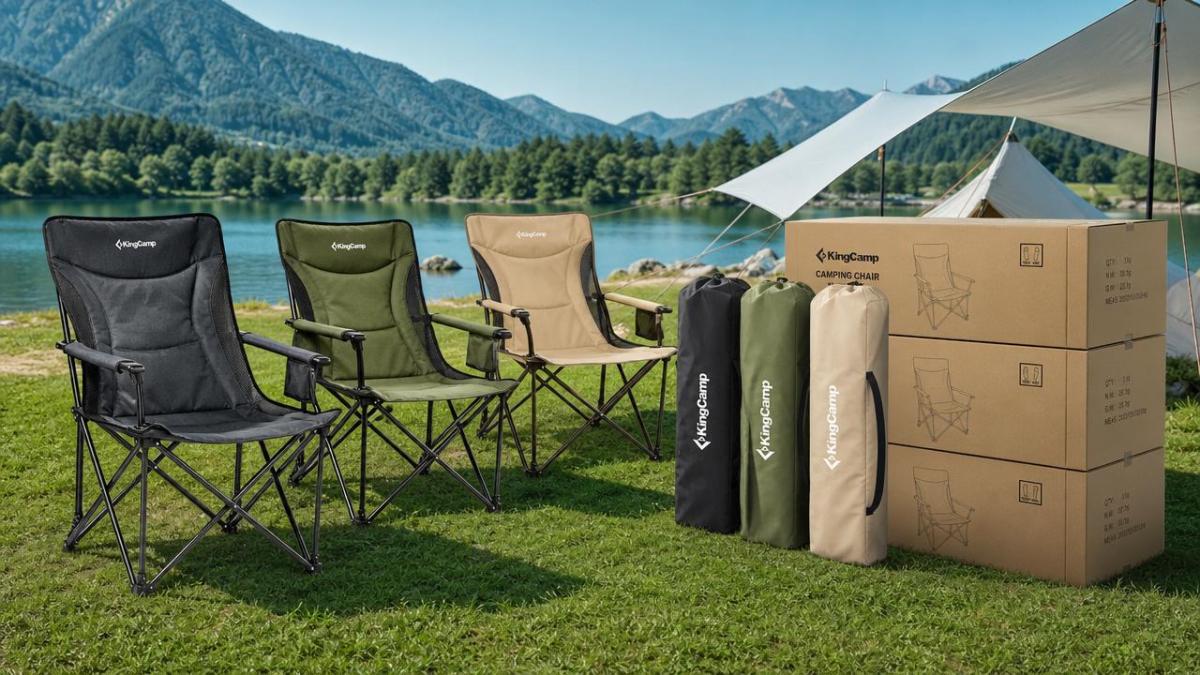
What to check before ordering camping folding chairs in volume
In today’s market, the best procurement decisions come from matching product specifications to actual use conditions. For camping folding chairs, the first checkpoint is frame material. Steel frames may offer cost advantages and strong static support, but they can add weight and raise corrosion concerns in humid, coastal, or rainy destinations. Aluminum options reduce carry weight and often fit premium positioning, yet wall thickness and joint engineering must still be examined carefully.
Load capacity is equally important, but buyers should look beyond the headline number. Ask how the rating was determined, whether it reflects dynamic use, and whether critical stress points have been tested repeatedly. A chair labeled for a high load may still fail early if hinge structures, rivets, or stitching are weak. Procurement teams should request test methods, sample retention, and consistency data across production batches.
Fabric quality is another area where current demand trends are raising standards. In travel environments, chairs are exposed to sunlight, sand, moisture, sunscreen residue, and rough ground. Oxford polyester, PVC-backed fabrics, mesh inserts, and reinforced seat panels each affect performance differently. Buyers should confirm denier level, coating type, tear resistance, colorfastness, and cleaning suitability. For branded tourism use, fabric appearance matters as much as strength because worn-looking chairs undermine guest perception.
The folding mechanism deserves close inspection because it is one of the most common failure points in camping folding chairs. Smooth opening and closing is not enough. Check finger safety, locking stability, anti-pinch design, leg spread angle, and the durability of moving parts after repeated cycles. Small design flaws become expensive when multiplied across hotel groups, rental fleets, or packaged tour inventory.
Why supplier capability now matters more than quoted price
A low quotation can be misleading if the supplier lacks process control. As retail and travel channels demand more reliable outdoor products, supplier evaluation has become a strategic filter rather than a background task. Buyers of camping folding chairs should examine factory audit readiness, raw material control, in-line inspection routines, metal surface treatment, sewing quality management, and final carton drop-test practices.
One of the most useful trend-based questions is whether the supplier can adapt specifications for different channels without losing consistency. For example, a tourism operator may need one chair design for premium glamping packages and another for mass rental deployment. The supplier should be able to maintain stable dimensions, branding execution, and packaging logic across these variants. This flexibility is increasingly valuable as travel services diversify their product offerings.
Lead time reliability is another growing concern. Volatile freight schedules and promotional calendars mean delays can disrupt peak travel seasons. Procurement teams should ask whether key components such as tubes, fabric, armrests, and carry bags are sourced from stable sub-suppliers. A chair assembler with weak upstream control may create hidden timing risks even if initial samples look acceptable.
The hidden cost drivers behind bulk orders
Many buyers focus on unit price, but total landed value is shaped by several hidden factors. Packaging efficiency is one of them. Camping folding chairs are bulky products, so small changes in folded dimensions, carry bag thickness, carton count, or nested packing design can significantly influence freight cost per sellable unit. In a margin-sensitive environment, cube efficiency is now a practical sourcing advantage.
Damage rates also matter more than many teams expect. Weak outer cartons, insufficient corner protection, or poor moisture handling can erode the savings from a cheaper factory price. This is especially relevant for long international routes or multi-stop domestic distribution connected to travel programs. Buyers should request packaging specifications, carton burst strength where relevant, and photos of palletization methods.
After-sales impact is another cost driver. If camping folding chairs are used in guest-facing services, failures generate replacement labor, service disruption, and customer dissatisfaction. That is why procurement teams increasingly calculate cost per season or cost per usage cycle rather than cost per piece alone.
How compliance, labeling, and sustainability are influencing purchase decisions
The compliance picture for camping folding chairs varies by market, but the general direction is unmistakable: documentation expectations are expanding. Buyers should verify whether materials and accessories align with destination market requirements, especially where restricted substances, warning labels, packaging disposal rules, or children-related positioning may create extra obligations. Procurement should not assume that a factory producing for one region automatically meets another region’s retail expectations.
Sustainability is also moving from a marketing preference to a sourcing filter. Travel-service brands increasingly want recycled fabrics, more efficient packaging, reduced polybag use, or repair-friendly construction. These priorities do not replace core performance checks, but they do affect supplier selection. A chair that claims eco-friendliness while failing quickly in the field creates a poor sustainability outcome. Buyers should therefore balance environmental claims with verified durability.
Which stakeholders feel the impact most
What a stronger decision framework looks like now
A stronger buying framework for camping folding chairs starts with scenario-based specification. Instead of requesting a generic outdoor chair, define the real use case: rental campsite, promotional resale, premium lodge seating, mobile event support, or compact travel kits. Each scenario changes the right balance of weight, comfort, price, finish, and expected lifespan.
Next, combine laboratory-style verification with field-style testing. Review documents for material and load performance, but also run practical sample checks. Open and close the chair repeatedly, place it on uneven surfaces, inspect welds and stitching, and test how it performs when packed, transported, and unpacked by non-technical staff. These steps reflect how camping folding chairs are actually used in tourism and retail operations.
Finally, compare suppliers using total value metrics. Evaluate consistency, defect prevention, response speed, packaging intelligence, and customization capability alongside price. In the current market, the most competitive supplier is often the one that reduces uncertainty, not simply the one that quotes lowest.
Questions buyers should ask before confirming a supplier
Before placing a volume order for camping folding chairs, procurement teams should confirm a focused set of questions. What is the verified frame thickness and material grade? How is load capacity tested, and how often? Which fabric specification is standard, and can it remain stable across repeat orders? What anti-rust treatment is used? What defect rate does the factory target at final inspection? How many units fit per carton and per container? What documentation can be supplied for the destination market? Can replacement parts or repeat production be supported within the next season?
These questions matter because demand is moving toward longer-term supplier partnerships. Buyers are not just sourcing a chair. They are sourcing operational reliability, guest satisfaction, and supply continuity.
Final judgment for procurement teams
The market for camping folding chairs is becoming more demanding, more segmented, and more quality-sensitive. For procurement professionals in travel services and related retail channels, that change creates both pressure and opportunity. The pressure comes from higher expectations around durability, compliance, packaging, and comfort. The opportunity comes from building smarter sourcing systems that reduce failure risk and support better customer experiences.
If your business wants to judge how these shifts affect its own purchasing plan, focus on a few practical checkpoints: define the true use scenario, verify materials and load claims, test the folding system under repeated use, review packaging efficiency, and assess whether the supplier can support compliance and repeat consistency. In a market where end users notice quality quickly, the right camping folding chairs order is the one that performs well long after the container arrives.
Related Intelligence
 Camping & WaterMay 03, 2026How to Compare a Kayak Manufacturer for Quality, Capacity, and WarrantyKayak manufacturer comparison for travel services: learn how to assess quality, load capacity, warranty, and supplier support to reduce sourcing risk and choose with confidence.
 Camping & WaterMay 03, 2026Portable Camping Stove: Fuel Options, Boil Time, and Packing Trade-OffsPortable camping stove guide: compare fuel options, boil time, weight, and packing trade-offs to choose the best stove for your trip style, cooking needs, and outdoor comfort.
 Camping & WaterMay 03, 2026Rooftop Tent Manufacturer: What Impacts Lead Time, MOQ, and ReliabilityRooftop tent manufacturer guide for travel service buyers: learn what affects lead time, MOQ, and reliability to reduce sourcing risk and choose a dependable supplier.
 Activewear OEMMay 03, 2026Sports Bra Private Label: Support Levels, Fabrics, and Fit Issues to KnowSports bra private label guide: compare support levels, breathable fabrics, and common fit issues to choose a comfortable, travel-ready bra that performs and feels right.
 Fitness EquipmentMay 03, 2026Soccer Balls Bulk: How to Match Construction to Training or Match UseSoccer balls bulk buying guide for travel services: learn how to match ball construction to training or match use, reduce replacement costs, and source with more confidence.
 Camping & WaterMay 03, 2026Wholesale Life Jackets: Safety Standards You Should Not OverlookWholesale life jackets for tourism demand more than low pricing. Learn the key safety standards, certifications, labeling, and inspection points to protect guests and reduce sourcing risk.
 Camping & WaterMay 03, 2026Trekking Poles Manufacturer Review: Strength Tests, Locks, and Failure PointsTrekking poles manufacturer review covering strength tests, lock reliability, and failure points. Learn how QC teams and tourism service buyers can spot safer, more durable suppliers.
 Camping & WaterMay 03, 2026Outdoor Cooler Box Wholesale: Features That Matter in Real Field UseOutdoor cooler box wholesale: discover the field-tested features that really matter—insulation, durability, sealing, portability, and easy cleaning for reliable tourism operations.
 Camping & WaterMay 03, 2026Fiberglass SUP Paddle: When It Makes More Sense Than CarbonFiberglass SUP paddle buying guide for travel and leisure businesses: discover when fiberglass beats carbon for rentals, tours, and retail with better value, durability, and guest comfort.
 Fitness EquipmentMay 03, 2026Pickleball Paddles OEM: Design Choices That Influence Market AppealPickleball paddles OEM design choices shape appeal in resorts, retail, and travel channels. Learn how materials, branding, packaging, and compliance drive sales.
 Fitness EquipmentMay 03, 2026Golf Clubs Manufacturer Comparison: OEM Capability vs Consistent QualityGolf clubs manufacturer comparison guide: learn how to balance OEM capability with consistent quality, reduce sourcing risk, and choose a supplier that supports brand growth.
 Fitness EquipmentMay 03, 2026Wholesale Running Shoes: Sizing, Cushioning, and Return Risk ExplainedWholesale running shoes buyers in travel retail: learn how sizing accuracy, cushioning consistency, and defect checks reduce return risk, protect margins, and improve customer satisfaction.
 Fitness EquipmentMay 03, 2026Wholesale Tennis Rackets: How to Balance Price, Weight, and PlayabilityWholesale tennis rackets for travel services: learn how to balance price, weight, and playability to improve guest satisfaction, reduce replacement costs, and source smarter.