Camping Tents Wholesale: Material Choices That Reduce After-Sales Trouble
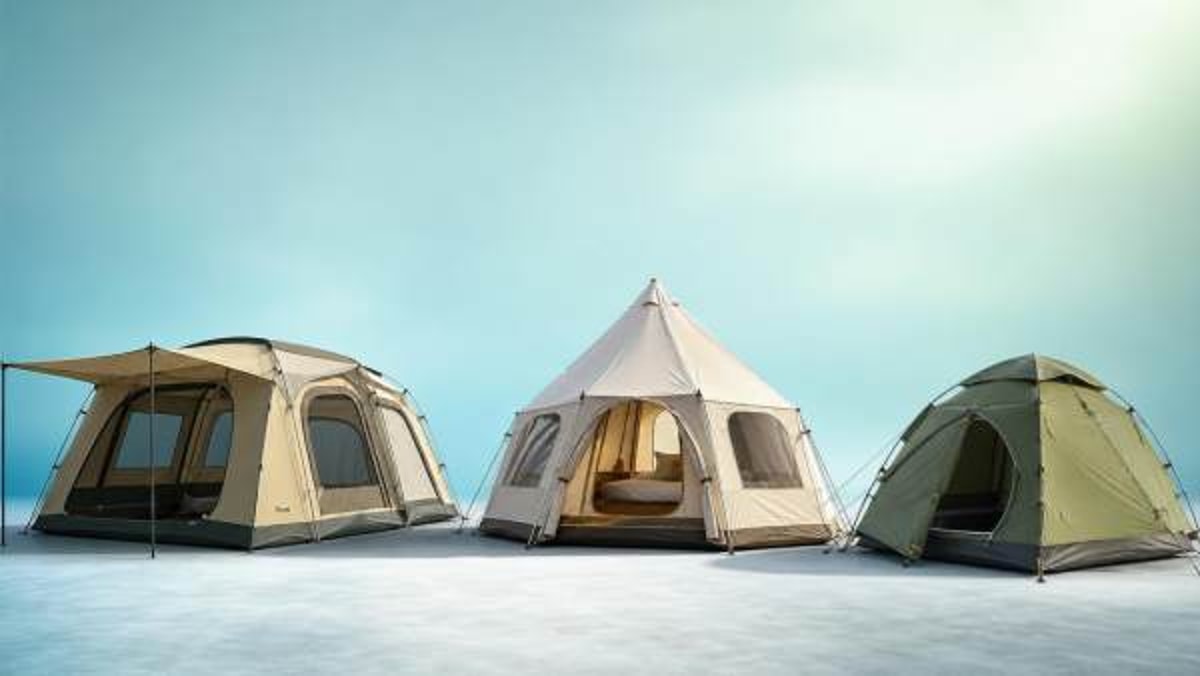
In camping tents wholesale, material selection has a direct impact on after-sales workload, from seam failure and coating peel-off to mold, leakage, and frame breakage. For after-sales maintenance teams, understanding which fabrics, poles, and waterproof treatments reduce recurring claims is essential to lowering service costs and improving buyer satisfaction. This guide explores the material choices that help prevent common post-purchase issues before they start.
Why scenario differences matter in camping tents wholesale after-sales work
In tourism service supply chains, tents are rarely sold into one uniform use case. A tent used by a family campsite operator, a seasonal glamping host, a trekking tour organizer, or a rental fleet for festival travel faces very different stress conditions. That is why after-sales teams dealing with camping tents wholesale cannot judge material quality by headline specifications alone. A 3000 mm waterproof rating, for example, may sound sufficient on paper, yet still produce service complaints if the coating type, seam construction, and usage cycle do not match the field environment.
For maintenance staff, the practical question is not simply “Which material is best?” but “Which material reduces claims in this specific business scenario?” Some tents fail because fabrics hydrolyze in humid storage. Others come back because fiberglass poles splinter under repeated setup by untrained users. In camping tents wholesale, selecting the wrong material for the wrong application creates a long tail of spare part requests, refund discussions, and customer dissatisfaction that could have been prevented at the sourcing stage.
This is especially relevant for buyers and service teams working with travel-related operations where guest turnover is high, handling standards vary, and tents may be stored wet, transported frequently, or installed on mixed terrain. Material choice is therefore a service decision as much as a procurement decision.
The most common post-purchase trouble points and the materials behind them
Before comparing scenarios, after-sales teams should map the failures they see most often in camping tents wholesale programs. Most recurring cases fall into five groups: water ingress, fabric degradation, mildew and odor, pole breakage, and accessory fatigue such as zippers, webbings, buckles, and guy-out points. Each group is strongly linked to material decisions made upstream.
- Water ingress is often caused by poor seam tape adhesion, low hydrolysis resistance, inadequate floor material, or unstable coatings rather than by fabric weight alone.
- Fabric degradation usually appears as sticky coatings, peeling polyurethane, embrittlement, UV fading, or tearing near tension points.
- Mildew and odor claims increase when tents are packed damp and the material system does not tolerate humid storage.
- Pole failures are commonly linked to low-grade fiberglass, thin-wall steel, weak ferrules, or poor shock-cord quality in rental or tour-use settings.
- Accessory fatigue grows when high-frequency opening, dragging, and hurried setup are expected but trims were specified for occasional leisure use.
A reliable camping tents wholesale strategy starts by matching those failure modes to the actual operating scenario, not by chasing the lowest initial unit cost.
Scenario comparison: which materials fit which tourism-related use case
For after-sales maintenance personnel, the table below can serve as a quick judgment tool when evaluating camping tents wholesale options for different tourism service environments.
The key lesson from camping tents wholesale is that “premium” does not always mean “lower service risk.” The right material is the one that survives the real handling behavior of the end user and the storage discipline of the operator.
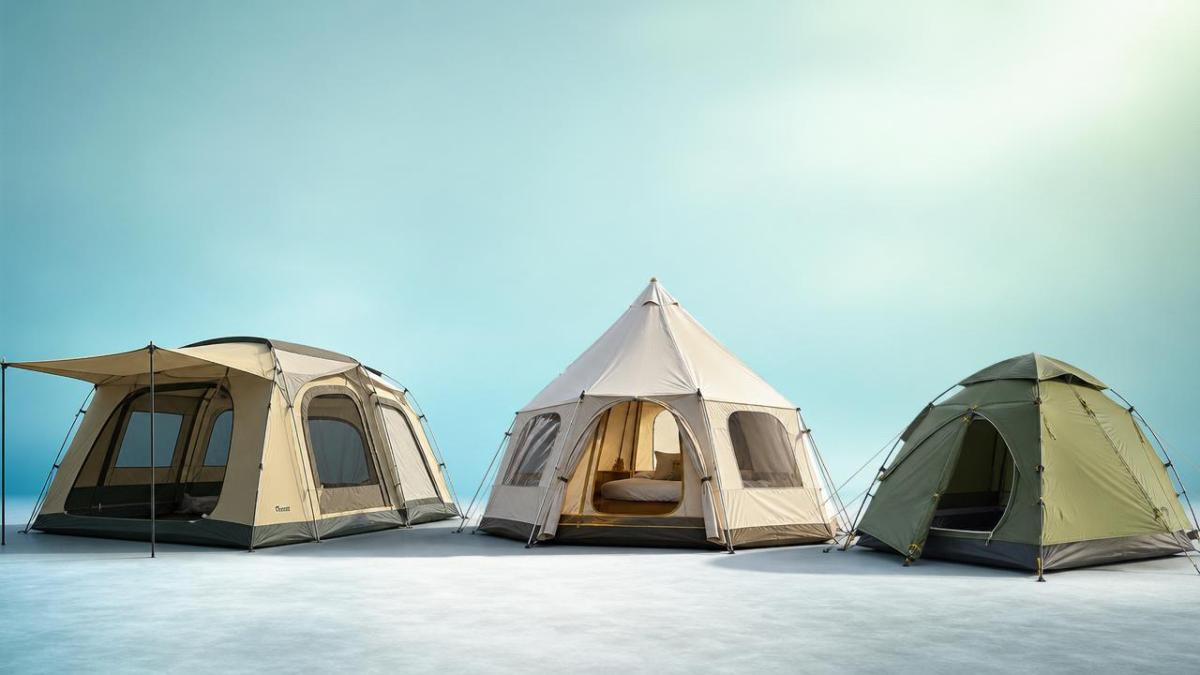
Fabric choices by scenario: where after-sales claims usually begin
Polyester for rental and high-turnover tourism use
In many camping tents wholesale projects serving campsites and tourism operators, polyester is the safer mainstream choice because it offers better dimensional stability when wet and generally lower cost of replacement than technical nylons. It also tends to sag less in rain, which helps maintain runoff performance and reduces customer complaints about fabric touching the inner wall. For after-sales teams, polyester often means fewer “the tent leaks after rain because the fly collapsed” reports.
That said, not all polyester performs equally. A low-denier, low-coating polyester may still fail under abrasion and repeated packing. For rental, beginner, or family travel scenarios, 75D to 150D polyester with reinforced stress zones is often a more dependable service-life choice than lighter fabric options marketed primarily for retail appeal.
Nylon for mobile adventure use, but only with the right treatment
Nylon brings strength-to-weight advantages, making it suitable for guided trekking, expedition-style tourism, and premium outdoor programs where transport efficiency matters. However, from an after-sales perspective, nylon can create more moisture-related tension changes and may require better coating systems to avoid long-term complaints. In camping tents wholesale for demanding travel programs, ripstop nylon with silicone exterior treatment and a quality inner coating is usually a better risk-control option than cheap PU-coated nylon.
If the client lacks disciplined drying and storage routines, nylon may not be the best fit despite its performance advantages. Maintenance teams should ask not only how the tent will be used, but also how it will be cleaned, dried, and packed after use.
Canvas and poly-cotton for glamping and extended installation
For glamping and resort scenarios, canvas or poly-cotton can reduce condensation complaints and improve guest comfort. These materials fit tourism service businesses aiming for aesthetic appeal and longer setup cycles. Yet they are not automatically low-maintenance. If the fabric finish is weak or drying practices are poor, mildew, odor, and staining may become major after-sales issues. The material works best in camping tents wholesale when operators understand airflow management, elevated flooring, and periodic retreatment requirements.
Waterproof treatments and coatings: the hidden driver of future service costs
After-sales teams often discover that the waterproof claim printed on packaging does not predict real complaint volume. In camping tents wholesale, coating chemistry and seam construction matter more than marketing numbers. Polyurethane coatings are common and cost-effective, but lower-grade PU systems may hydrolyze in hot, humid storage conditions. This leads to tacky surfaces, peeling layers, seam tape failure, and odor complaints.
Silicone-treated fabrics generally offer better tear strength retention and weather resistance, making them attractive for mobile adventure scenarios. The trade-off is repair complexity and potentially higher sourcing cost. For tourism operators prioritizing easy field maintenance, a balanced Si/PU construction can be practical because it combines improved weather performance with more manageable seam sealing and production consistency.
For floors, after-sales teams should pay close attention to puncture resistance and seam durability rather than only water-column figures. Groundsheets often fail first in rental and campsite environments because users drag gear, step in shoes, and pitch on mixed surfaces. A heavier PE floor may look less premium, but in some camping tents wholesale programs it dramatically lowers returns compared with thin lightweight floors that puncture easily.
Pole material decisions by operating environment
Pole claims are among the costliest issues for after-sales maintenance because they involve spare parts, shipping delays, and customer frustration in active travel seasons. The best choice depends strongly on who assembles the tent and how often it is moved.
Fiberglass: acceptable only in controlled low-cost scenarios
Fiberglass can be acceptable in entry-level camping tents wholesale where budgets are tight and usage is occasional. But for rental fleets, youth camps, and tourism operations with frequent re-pitching, it often becomes a service problem. Splintering, cracking, and ferrule failure are common when poles are bent improperly or stressed in cold weather. After-sales teams should treat low-grade fiberglass as a risk multiplier, not a neutral cost-saving.
Aluminum: lower claim rates in repeated-use programs
Aluminum poles, especially quality alloys with consistent wall thickness, are usually the better long-term option for camping tents wholesale serving guided tours, glamping support units, and rental operations. They bend more predictably, are easier to section-replace, and generally survive transport and repeated assembly better than fiberglass. While the upfront cost is higher, maintenance teams often recover that difference through fewer replacements and lower peak-season disruption.
Steel: useful for semi-permanent tourism setups
Steel frames are heavy, but in base camps, event infrastructure, and long-stay glamping they can be appropriate. The caution is corrosion control. If steel is chosen in camping tents wholesale, galvanized or well-coated components are essential, especially in coastal or high-humidity tourism destinations.
Common misjudgments that increase after-sales trouble
Many avoidable claims stem from specification decisions that ignore the actual use scenario. After-sales staff should actively challenge these common mistakes during supplier review:
- Choosing ultra-light materials for rental, beginner, or family travel environments where abuse is predictable.
- Using PU coatings in humid storage markets without checking hydrolysis resistance test data.
- Selecting fiberglass poles for programs with daily setup and teardown.
- Prioritizing waterproof ratings while ignoring seam tape quality, floor abrasion resistance, and zipper durability.
- Assuming glamping fabrics are maintenance-free without planning mold prevention and seasonal care routines.
In camping tents wholesale, the most expensive issue is often not catastrophic failure but repeated moderate complaints that consume service hours across many units. That is why materials should be judged against field behavior, climate exposure, storage habits, and user skill level together.
A practical evaluation checklist for after-sales teams
When supporting procurement or reviewing a new camping tents wholesale supplier, after-sales teams can add value by asking operational questions early:
FAQ for service teams handling camping tents wholesale
Is higher waterproof rating always better for lower returns?
Not necessarily. In camping tents wholesale, stable coating quality, good seam sealing, and a suitable floor structure usually matter more than chasing the highest published number.
What is the safest all-around fabric for campsite rental programs?
For many mainstream tourism service use cases, mid-denier polyester with reinforced construction offers a strong balance of cost, weather stability, and manageable after-sales risk.
When should aluminum poles be considered mandatory?
If tents are pitched frequently, moved often, or handled by mixed-skill users, aluminum is usually the safer long-term choice in camping tents wholesale.
Final recommendation: match material decisions to real service scenarios
The most effective way to reduce after-sales trouble in camping tents wholesale is to source by scenario, not by brochure language. Family campsite rentals need forgiving, durable materials. Glamping projects need weathering and mold control. Trekking operations need lightweight strength with reliable coatings. Event fleets need robust components that survive rushed handling. When maintenance teams are involved early, they can help buyers avoid materials that look competitive at order time but create recurring claims later.
If your organization is evaluating camping tents wholesale options for tourism-related operations, start by listing the top three failure patterns you already see in the field, then match fabric, coating, floor, and pole choices to those conditions. That approach turns after-sales data into smarter sourcing decisions, lower claim rates, and a better customer experience across the entire travel service chain.
Related Intelligence
 Camping & WaterMay 03, 2026How to Compare a Kayak Manufacturer for Quality, Capacity, and WarrantyKayak manufacturer comparison for travel services: learn how to assess quality, load capacity, warranty, and supplier support to reduce sourcing risk and choose with confidence.
 Camping & WaterMay 03, 2026Portable Camping Stove: Fuel Options, Boil Time, and Packing Trade-OffsPortable camping stove guide: compare fuel options, boil time, weight, and packing trade-offs to choose the best stove for your trip style, cooking needs, and outdoor comfort.
 Camping & WaterMay 03, 2026Rooftop Tent Manufacturer: What Impacts Lead Time, MOQ, and ReliabilityRooftop tent manufacturer guide for travel service buyers: learn what affects lead time, MOQ, and reliability to reduce sourcing risk and choose a dependable supplier.
 Activewear OEMMay 03, 2026Sports Bra Private Label: Support Levels, Fabrics, and Fit Issues to KnowSports bra private label guide: compare support levels, breathable fabrics, and common fit issues to choose a comfortable, travel-ready bra that performs and feels right.
 Fitness EquipmentMay 03, 2026Soccer Balls Bulk: How to Match Construction to Training or Match UseSoccer balls bulk buying guide for travel services: learn how to match ball construction to training or match use, reduce replacement costs, and source with more confidence.
 Camping & WaterMay 03, 2026Wholesale Life Jackets: Safety Standards You Should Not OverlookWholesale life jackets for tourism demand more than low pricing. Learn the key safety standards, certifications, labeling, and inspection points to protect guests and reduce sourcing risk.
 Camping & WaterMay 03, 2026Trekking Poles Manufacturer Review: Strength Tests, Locks, and Failure PointsTrekking poles manufacturer review covering strength tests, lock reliability, and failure points. Learn how QC teams and tourism service buyers can spot safer, more durable suppliers.
 Camping & WaterMay 03, 2026Outdoor Cooler Box Wholesale: Features That Matter in Real Field UseOutdoor cooler box wholesale: discover the field-tested features that really matter—insulation, durability, sealing, portability, and easy cleaning for reliable tourism operations.
 Camping & WaterMay 03, 2026Fiberglass SUP Paddle: When It Makes More Sense Than CarbonFiberglass SUP paddle buying guide for travel and leisure businesses: discover when fiberglass beats carbon for rentals, tours, and retail with better value, durability, and guest comfort.
 Fitness EquipmentMay 03, 2026Pickleball Paddles OEM: Design Choices That Influence Market AppealPickleball paddles OEM design choices shape appeal in resorts, retail, and travel channels. Learn how materials, branding, packaging, and compliance drive sales.
 Fitness EquipmentMay 03, 2026Golf Clubs Manufacturer Comparison: OEM Capability vs Consistent QualityGolf clubs manufacturer comparison guide: learn how to balance OEM capability with consistent quality, reduce sourcing risk, and choose a supplier that supports brand growth.
 Fitness EquipmentMay 03, 2026Wholesale Running Shoes: Sizing, Cushioning, and Return Risk ExplainedWholesale running shoes buyers in travel retail: learn how sizing accuracy, cushioning consistency, and defect checks reduce return risk, protect margins, and improve customer satisfaction.
 Fitness EquipmentMay 03, 2026Wholesale Tennis Rackets: How to Balance Price, Weight, and PlayabilityWholesale tennis rackets for travel services: learn how to balance price, weight, and playability to improve guest satisfaction, reduce replacement costs, and source smarter.