Camping water gear procurement: what raises total cost
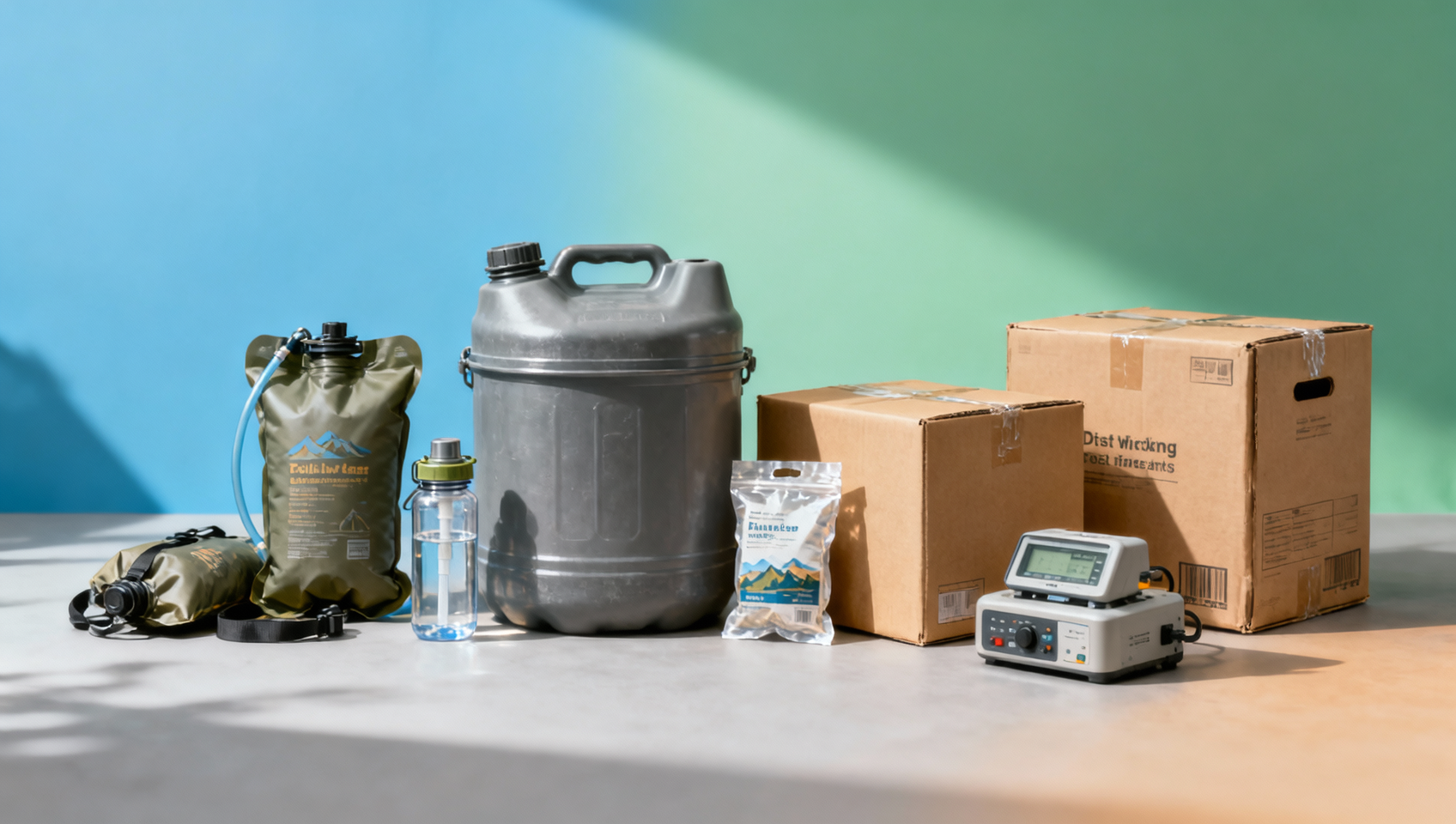
Camping water gear procurement often looks simple until hidden costs surface across the supply chain. From product testing and compliance to packaging, freight, and after-sales risk, smart brand procurement depends on accurate supply chain data and timely supply chain insights. For global buyers navigating the retail market, this guide explains what truly drives total cost and how private label sports sourcing decisions can affect margins, quality, and long-term competitiveness.
Why does camping water gear total cost rise faster than the unit price suggests?
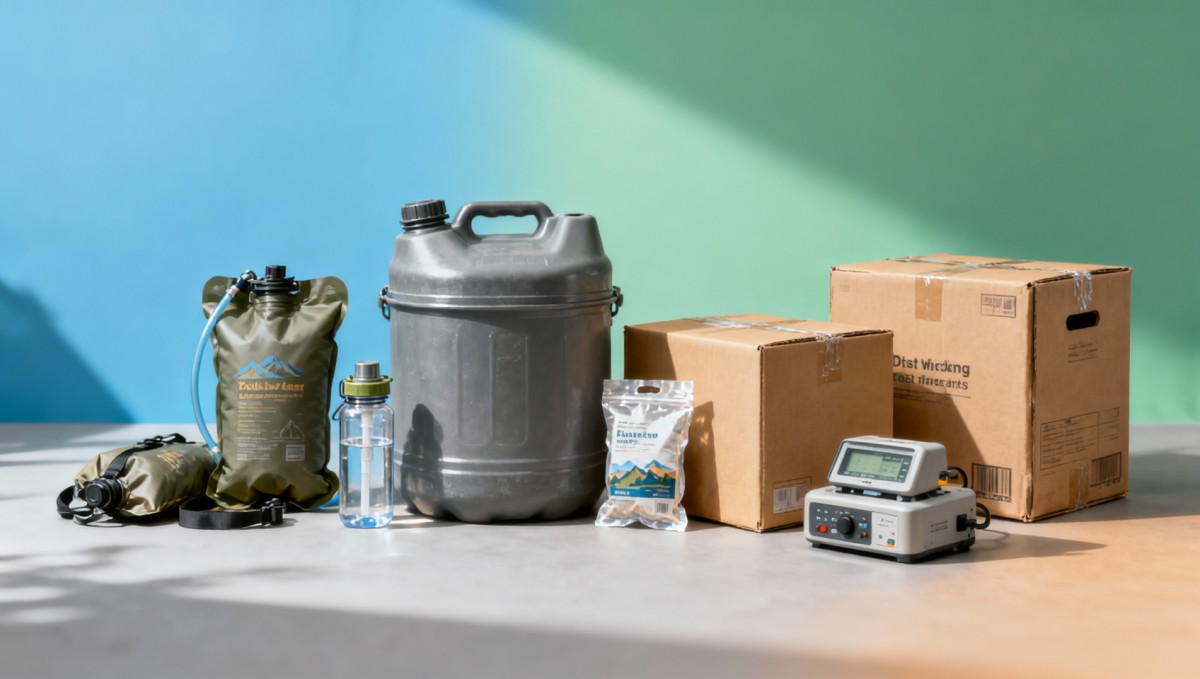
In travel services and outdoor retail, buyers often start with a simple target: secure a competitive unit price for hydration packs, portable water containers, collapsible bottles, water filters, or camp kitchen water accessories. The problem is that the quoted price usually reflects only ex-factory production. Total cost expands later through tooling, packaging changes, inspection fees, freight volatility, and the operational burden of quality claims. For procurement teams, finance approvers, and project managers, this gap can become visible only after a sourcing plan is already committed.
Camping water gear is especially exposed to hidden cost because it combines food-contact considerations, outdoor durability, seasonal demand, and brand presentation. A water jug for campground resale, for example, may need leak testing, drop resistance checks, carton compression review, and barcode compliance before it can move into retail distribution. Each step may look minor, but over a 6–12 month buying cycle, these items can reshape the real landed cost and alter sell-through performance.
For information researchers and sourcing specialists, the first procurement mistake is treating all water gear as a low-complexity commodity. In reality, camping water gear includes multiple risk profiles. A simple bottle cap issue can trigger returns. A poor filter component choice can create safety concerns. A weak handle on a large water carrier can increase customer complaints during peak travel season. Hidden cost often comes from risk that was not priced early enough.
This is where structured supply chain intelligence matters. Global Consumer Sourcing helps buyers compare not only supplier quotations, but also manufacturing readiness, compliance implications, private label feasibility, and long-tail operating cost. For distributors, brand owners, and retail category managers, the more useful question is not “What is the cheapest price?” but “What will this item cost across design, compliance, logistics, and after-sales within 2–4 quarters?”
- Base product cost may cover only material, labor, and standard packing, while custom logo molds, color matching, and retail-ready packaging are often billed separately.
- Quality cost increases when products need leak tests, odor checks, food-contact material declarations, or batch inspections before shipment.
- Logistics cost is sensitive to product volume, nested packing efficiency, carton dimensions, and whether parts ship assembled or semi-knocked down.
- After-sales cost can exceed expected savings if failure points appear in valves, lids, seals, straps, or filtration elements during the first selling season.
Which cost drivers matter most in camping water gear procurement?
Not every cost driver has the same commercial impact. In most camping water gear procurement programs, five categories shape total cost more than the factory quote: materials, compliance, packaging, freight, and after-sales exposure. These categories influence different stakeholders. Procurement teams focus on comparability. Finance teams care about landed cost and cash flow. Quality managers look at defect risk. Travel service operators and retail buyers care about usable inventory during seasonal windows.
Materials can look interchangeable at first glance, but they often change durability, odor profile, temperature tolerance, and product weight. A lower-cost plastic may save money at the start, yet require thicker walls, stricter odor control, or more replacements after field use. Silicone parts, seals, and drinking tubes also vary in long-term stability. If a product must support repeated folding, UV exposure, or contact with treated water, material selection becomes a strategic cost decision rather than a technical detail.
Compliance is another major driver. Depending on destination market and product structure, buyers may need declarations for food-contact materials, labeling checks, packaging warnings, or other market-entry documentation. A portable water container sold through travel retail channels may not need the same file set as a child-oriented hydration item or a filter bottle marketed with health-sensitive claims. The cost difference usually appears in testing scope, document preparation time, and batch verification.
Freight often creates the biggest surprise. Camping water gear is frequently lightweight but bulky, so shipment cost can rise due to volume rather than weight. A 20–30% improvement in packing efficiency may be more valuable than negotiating a 3–5% lower unit price. This is why experienced buyers review carton density, stackability, pallet pattern, and retail packaging shape before approving production.
The table below shows common cost drivers and where they usually affect the budget first during sourcing, launch, and replenishment planning.
The commercial lesson is straightforward: a lower quote does not always produce a lower total cost. Buyers in travel services should model cost across at least 3 stages—pre-production, inbound logistics, and post-sale support—before comparing suppliers. That approach is especially important for seasonal camping assortments, where a 2–3 week delay can reduce the value of inventory more than a moderate manufacturing premium.
How private label choices change cost structure
Private label sports sourcing creates margin opportunities, but it also adds layers of cost that are easy to underestimate. Custom colorways may require minimum order quantities. Printed instructions may need multilingual review. Unique bottle shapes may demand new tooling or cap adaptation. Even a packaging insert can affect pack-out speed and carton count. If a buyer is launching a differentiated camping water gear line, total cost should be reviewed as a system, not as a single SKU quote.
For distributors and agents, private label decisions should be tested against channel strategy. If the product sells mainly in e-commerce, protective packaging and parcel durability become more important. If it sells in travel stores or outdoor dealers, shelf impact and barcode readability may justify extra cost. A good sourcing decision links branding ambition with the right cost envelope, usually within a 90–180 day launch timeline.
How should buyers compare materials, formats, and packaging before ordering?
A strong camping water gear procurement process compares products by use case, failure risk, and logistics profile. For example, collapsible bladders reduce storage volume but may require tighter seal quality control. Hard-shell jugs offer durability but consume more shipping space. Filter bottles may add value for travelers, yet they also add component complexity and replacement-part questions. Procurement teams should compare products across at least 4 dimensions: usage scenario, compliance burden, packaging efficiency, and expected return rate.
Travel service buyers often work with mixed audiences: individual campers, campground operators, tour organizers, rental businesses, and resale partners. That means one format rarely fits all. A 5–10 liter carrier may work for campsite family use, while a compact bottle suits day tours and transit retail. The more precisely the product format matches the field scenario, the easier it is to control total cost through lower misuse, fewer returns, and stronger reorder behavior.
Packaging review should happen early, not after product approval. Hanging cards, color boxes, and display-ready cartons all shape labor time, damage risk, and freight efficiency. In many cases, switching from a visually bulky retail box to a compact printed band or recyclable sleeve improves container utilization without weakening presentation. That is highly relevant for camping water gear because product shape often wastes space if packaging is not engineered with transport in mind.
The comparison table below helps procurement teams, quality managers, and finance reviewers evaluate which product path is likely to control cost more effectively in a travel services or outdoor retail environment.
For practical sourcing decisions, buyers should compare at least 3 sample variations before locking mass production. That may include one baseline version, one upgraded-material version, and one packaging-optimized version. Sample comparison within a 2–3 week evaluation window gives clearer visibility into durability, presentation, and landed cost than reviewing digital specifications alone.
A practical checklist before purchase order approval
- Confirm whether the quoted product includes standard accessories, spare seals, instruction sheets, and retail labeling, or whether those items are extra-cost additions.
- Review carton dimensions, units per carton, and pallet loading assumptions before approving the final package structure.
- Ask for a defect-risk review focused on the 5 most common failure points: cap fit, seal compression, handle attachment, odor control, and transport damage.
- Check whether replenishment orders will use the same tooling, material batch standards, and printing setup as the first order.
This checklist is especially useful for enterprise decision-makers and finance approvers because it converts technical uncertainty into visible commercial control points. A modest amount of review before purchase order release can prevent costly corrections during the first shipping cycle.
What should quality, compliance, and project teams verify before shipment?
Quality and compliance work is often where hidden cost can either be prevented or multiplied. For camping water gear, the verification scope depends on product type, destination market, and intended claims. Products with direct water contact need careful material review. Products marketed for travel, family use, or premium outdoor performance may require more disciplined label language and documentation control. Project managers should treat pre-shipment review as a cost containment stage, not only as a pass-or-fail gate.
A practical verification process typically includes 4 stages: sample confirmation, packaging confirmation, in-process review, and final random inspection. On a normal production schedule, these stages may span 2–6 weeks depending on customization level and order size. Compressing the timeline too aggressively can create blind spots, especially if packaging changes or supplier-side substitutions occur after the approved sample stage.
For quality control personnel and safety managers, the priority is to define measurable acceptance points. Leak checks, fill-volume verification, closure torque consistency, odor review after packing, and drop resistance are common checkpoints. For filtered products, component fit and replacement-part identification also matter. Without these controls, buyers may receive acceptable-looking inventory that performs poorly during real travel or camping use.
Below is a simplified verification framework that many buyers use to align sourcing, compliance, and project delivery before goods move into the shipping window.
When these checks are documented clearly, the result is better than quality control alone. Procurement teams gain comparable supplier records. Finance teams gain fewer surprise deductions. Distributors gain better sell-through confidence. In short, a 4-step verification routine often protects margin more effectively than chasing a small headline discount.
Common compliance and labeling blind spots
The most common blind spots are not always laboratory issues. Many cost overruns come from mismatched label content, incomplete packaging declarations, unsupported marketing claims, or missing instructions for replacement parts. For travel and outdoor channels, multilingual packaging can also create layout errors that delay shipment by 7–10 days if reprinting becomes necessary.
A disciplined sourcing workflow should therefore include document review alongside physical inspection. Global Consumer Sourcing supports this kind of work by connecting buyers with supply chain insights, category intelligence, and practical compliance awareness across sports and outdoors procurement. That helps teams make earlier, more defensible decisions before inventory becomes a liability.
How can buyers control cost without weakening quality or delivery reliability?
Cost control in camping water gear procurement works best when buyers focus on structural savings rather than headline price pressure. Structural savings come from better format selection, packaging optimization, stable supplier communication, and realistic quality thresholds. They usually improve both margin and execution. By contrast, excessive price compression often pushes cost into substitutions, loose tolerances, or weaker packaging, which then resurfaces in freight damage or return claims.
A practical strategy is to segment items by risk and order pattern. High-volume, low-complexity bottles or jugs may justify broader supplier comparison. Complex items such as filter systems or hydration reservoirs need closer technical review and more conservative launch planning. If a business manages 2 or 3 distinct product tiers rather than one mixed buying logic, it can negotiate more effectively and reduce cross-category confusion.
Buyers should also time procurement around realistic operational windows. For customized camping water gear, sample approval, packaging sign-off, and production may require 30–60 days under normal conditions, with additional time for freight and receiving. Last-minute buying often increases air shipment pressure, expedited packaging changes, and limited inspection opportunities. Those are among the most expensive avoidable costs in seasonal outdoor categories.
The most successful sourcing teams use 5 decision filters before confirming an order: fit for target scenario,
Related Intelligence
 2026/789 on Beauty Device Packaging Takes Effect") Beauty DevicesApr 29, 2026EU Regulation (EU) 2026/789 on Beauty Device Packaging Takes EffectEU Regulation (EU) 2026/789 mandates 30% recycled plastic & LCA declarations for beauty device packaging — act now to avoid Amazon.de/fr rejections!
Beauty DevicesApr 29, 2026EU Regulation (EU) 2026/789 on Beauty Device Packaging Takes EffectEU Regulation (EU) 2026/789 mandates 30% recycled plastic & LCA declarations for beauty device packaging — act now to avoid Amazon.de/fr rejections! Electronic & RC ToysApr 29, 2026ICTA: RC Toy Orders Shift to South China, Lead Time Cuts to 6 WeeksICTA reports RC toy orders shifting to South China—78% now flow to Guangdong’s cluster, cutting lead times to just 6 weeks. Act now to optimize sourcing, compliance & logistics.
 STEM & Educational ToysApr 29, 2026CPSC Nanomaterial Migration Rule for STEM Toys Effective Q3 2026CPSC Nanomaterial Migration Rule for STEM Toys: New ASTM F963–24 testing (≤0.05 mg/cm²/h) mandatory from Oct 1, 2026—avoid detention & recalls.
 Fitness EquipmentApr 29, 2026THE Alliance Cuts Shanghai–LA Capacity by 22%: Fitness Equipment Delays ExtendFitness equipment shippers: THE Alliance cuts Shanghai–LA capacity by 22% in May 2026—delays, surcharges, and 12–14-week bookings loom. Act now.
 Smart Pet DevicesApr 29, 2026Japan METI Expands Smart Pet Device White List, 10-Day Certification for Chinese DevicesJapan METI expands Smart Pet Device white list—Bluetooth 5.3+ collars & AI feeders now qualify for fast 10-day certification. Key opportunity for Chinese exporters.
 Infant Feeding & CareApr 29, 2026ASEAN-FFL 2026: RCEP Infant Feeding Labeling Rules Take EffectASEAN-FFL 2026 labeling rules take effect April 2026—ensure RCEP infant feeding product compliance now to avoid shelf bans & delays.
 Corporate & Seasonal GiftsApr 29, 2026Germany UBA to Pilot Carbon Labelling for Corporate GiftsGermany UBA's 2026 carbon labelling pilot for corporate gifts mandates ISO 14067 LCAs — vital for Chinese exporters, printers & ink suppliers targeting EU green procurement.
 Nursery Furniture & MonitorsApr 29, 2026Vietnam MOIT Eases Infant Monitor Registration, Requires NMPA Class II FilingVietnam MOIT eases infant monitor registration: NMPA Class II filing now accepted—skip local testing, cut time-to-market. Key for China-Vietnam medtech exporters.
 Camping & WaterApr 29, 2026SASO Mandates IP6X + Salt Spray for Camping Power & Inflators in Saudi ArabiaSASO mandates IP6X + salt spray for camping power stations & inflators in Saudi Arabia—act now to avoid shipment delays and customs rejection.
") Skincare OEMApr 29, 2026FDA Adds Plant Stem Cell Extract Code to CPIS (Apr 2026)FDA adds 'Plant Stem Cell Extract' code to CPIS—urgent compliance action needed for skincare OEMs, suppliers & importers before July 1, 2026.
Skincare OEMApr 29, 2026FDA Adds Plant Stem Cell Extract Code to CPIS (Apr 2026)FDA adds 'Plant Stem Cell Extract' code to CPIS—urgent compliance action needed for skincare OEMs, suppliers & importers before July 1, 2026. Electronic & RC ToysApr 28, 2026ICTA 2026 Q2 RC Toy Sourcing Report: Shift to Guangdong ClusterICTA 2026 Q2 RC Toy Sourcing Report reveals 68% of global electronic RC toy orders shifting to Guangdong’s Shenzhen–Dongguan–Zhongshan cluster — driven by dual-band modules, UL9990 batteries & rapid prototyping. Act now.
 Skincare OEMApr 28, 2026FDA Adds Plant Stem Cell Extract Code to CPIS SystemFDA adds COS-PLS-2026 code for plant stem cell extract in CPIS — vital for skincare OEMs, suppliers & U.S. importers. Act now to ensure compliance by July 1, 2026.
 Nursery Furniture & MonitorsApr 28, 2026Vietnam Exempts Infant Monitors from Local Type TestingVietnam exempts infant monitors from local type testing—leverage your NMPA Class II filing to fast-track Vietnam market entry starting June 1, 2026.