How to Choose Sleeping Bags Bulk for Camps, Tours, and Seasonal Demand
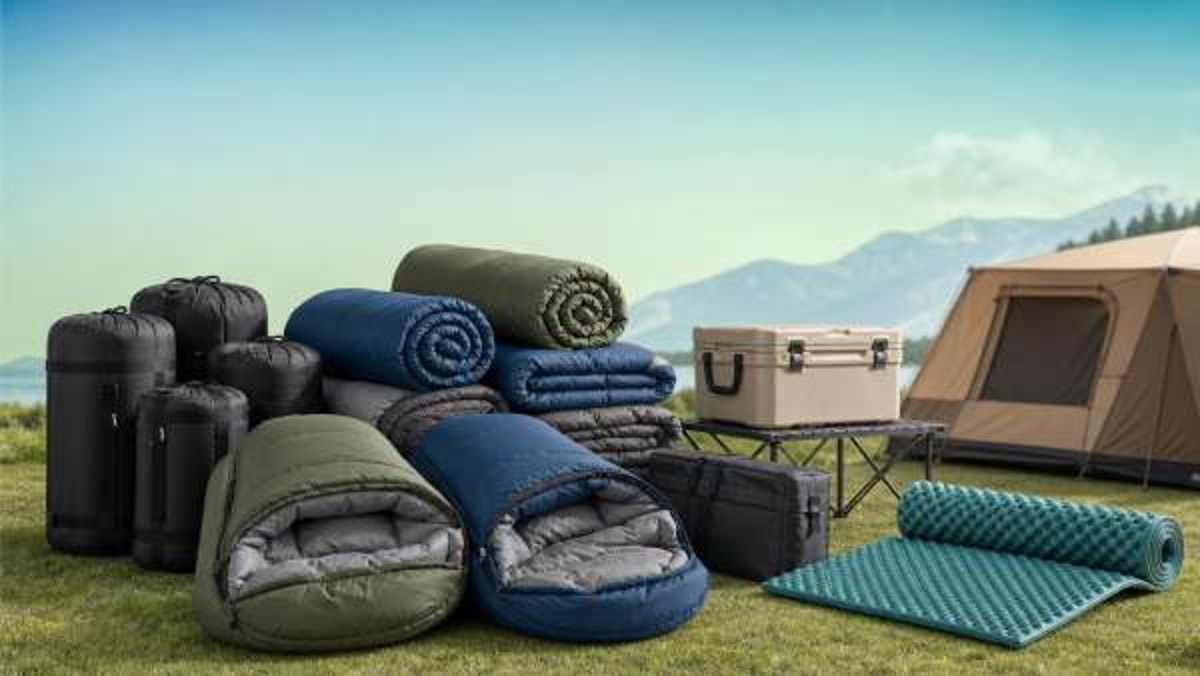
Choosing sleeping bags bulk for camps, tours, and peak seasonal programs requires more than comparing unit prices. Procurement teams need to balance warmth ratings, fabric durability, packing efficiency, safety standards, and supplier reliability to avoid costly mismatches. This guide explains how to evaluate bulk options strategically, helping buyers secure consistent quality, better margins, and dependable delivery for travel service operations.
For travel service buyers, the wrong bulk order can create problems across an entire season. A sleeping bag that performs well in a showroom may fail in wet camp conditions, exceed baggage limits on guided tours, or generate guest complaints after only 20 to 30 uses. Procurement decisions must therefore connect product specifications with route type, climate band, user turnover, storage limits, and replenishment schedules.
In practice, buying sleeping bags bulk for youth camps, trekking operators, festival tours, glamping programs, and emergency seasonal overflow means comparing not only fill type and temperature rating, but also lead time, MOQ, carton efficiency, compliance paperwork, and after-sales response. For sourcing teams managing multiple destinations, consistency across 2, 5, or even 12 locations is often more valuable than the lowest quoted piece price.
Match Bulk Sleeping Bag Specifications to Real Travel Service Scenarios
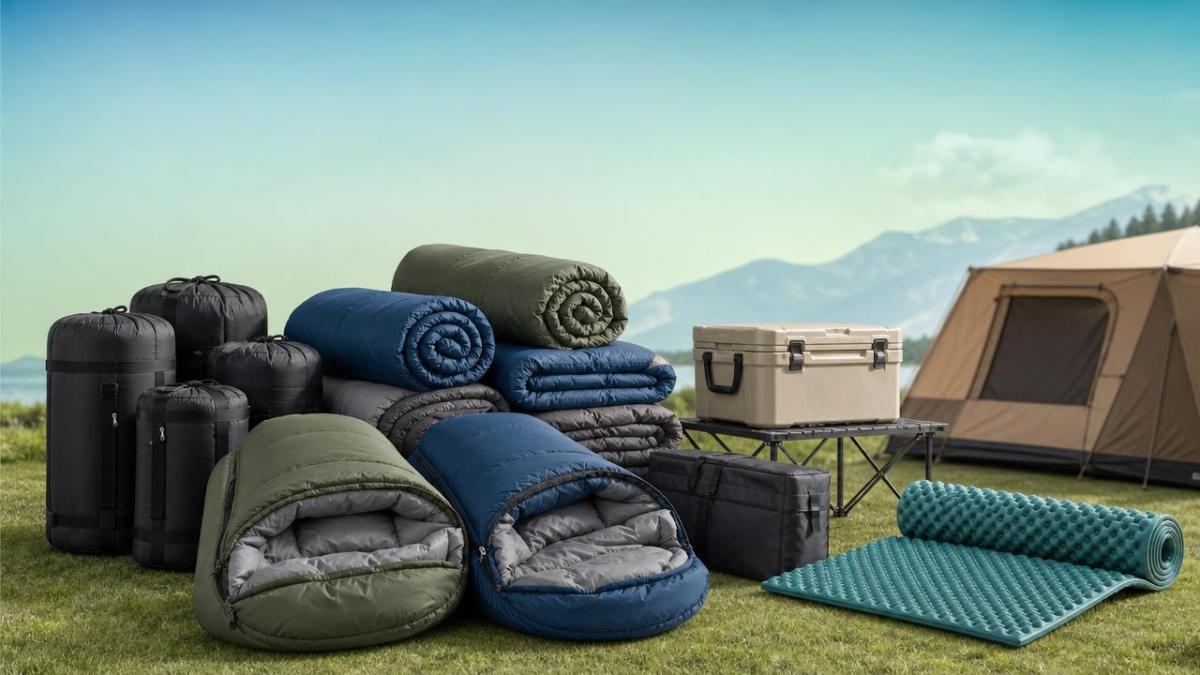
The first step in buying sleeping bags bulk is to define the operating environment. Camps in mild spring weather need a different product profile than highland trekking routes or shoulder-season coach tours. Buyers should build a requirement sheet around 4 core variables: overnight temperature, moisture exposure, transport method, and expected reuse cycle.
Temperature Ratings and Comfort Bands
Many procurement mistakes begin with confusion around temperature labels. A sleeping bag marked 0°C is not automatically comfortable for every guest at 0°C. For travel service use, it is safer to work with a practical comfort band rather than an extreme survival number. As a general rule, summer camp programs often fit a comfort range of 10°C to 18°C, while 3-season tour operations may require 0°C to 8°C.
If your guests are families, school groups, or first-time outdoor travelers, add a safety buffer of 3°C to 5°C. Less experienced users are more sensitive to poor insulation, incorrect zip closure, and damp inner layers. This is especially relevant when sleeping bags bulk are used by rotating guest groups with uneven outdoor experience.
Shell Fabric, Fill Type, and Cleaning Frequency
Travel operators usually prioritize durability and turnaround speed over ultralight performance. Synthetic fill is often the practical choice for bulk programs because it insulates better when slightly damp, costs less than down, and tolerates frequent laundering. For high-turnover camps, a 190T to 300T polyester shell and hollow fiber fill can be a workable baseline.
Cleaning matters because some inventory may be washed every 3 to 7 uses during peak season. If a sleeping bag loses loft quickly or dries too slowly, the operator needs more standby stock. That drives up true procurement cost, even if the unit price looked attractive at the quotation stage.
The table below shows how buyers can align sleeping bags bulk with common travel service applications instead of relying on generic catalog descriptions.
The key takeaway is that there is no universal best model. The right sleeping bags bulk strategy depends on guest profile, turnover speed, and climate exposure. A buyer who sources for fixed-site camps may value washability and comfort, while a trekking operator may prioritize pack size and transport weight.
Packing Volume, Transport Weight, and Storage Space
Procurement teams often underestimate logistics. A sleeping bag weighing 1.8 kg instead of 1.2 kg may not matter for car-access camps, but it can significantly affect porter loads, coach luggage planning, and inter-site stock transfers. When ordering sleeping bags bulk, request both net weight and compressed packed dimensions, such as 35 x 20 cm or 40 x 25 cm, before approving production.
Storage efficiency is another hidden cost. If one warehouse shelf holds 80 compact units but only 52 oversized units, replenishment frequency increases during the busiest 6 to 10 weeks of the season. That affects labor, inventory visibility, and emergency restocking risk.
Practical checklist for scenario mapping
- Define the lowest expected operating temperature across the next 1 to 2 seasons.
- Estimate reuse frequency per unit, such as 10, 25, or 50 guest nights.
- Check transport constraints for buses, vans, porters, or air transfers.
- Separate guest-use inventory from backup stock by at least 8% to 15%.
- Confirm whether liners will be used, as they can affect cleaning cycles and warmth needs.
Evaluate Supplier Capability Beyond Unit Price
Once the technical profile is clear, the next question is supplier reliability. In the market for sleeping bags bulk, two quotations that differ by 6% to 10% can lead to very different outcomes in defect rate, carton planning, delivery timing, and claims handling. Travel service buyers should assess the total sourcing model, not just FOB price.
MOQ, Lead Time, and Seasonal Booking Windows
Seasonality is a major factor for camps and tour operators. Many travel programs buy in waves, with pre-season ordering 60 to 120 days before launch and top-up orders 20 to 45 days before peak occupancy. If a supplier’s MOQ is 1,000 units but your route cluster only needs 600, you may end up overbuying the wrong specification.
Lead time should be broken into 3 parts: sample approval, production, and shipping. A typical framework might be 7 to 14 days for sample confirmation, 25 to 40 days for production, and 2 to 6 weeks for sea or multimodal delivery, depending on origin and destination. Buyers who skip this detail often confuse factory lead time with door-to-door readiness.
Compliance, Labeling, and Product Consistency
For professional travel service operations, product documentation matters almost as much as the sleeping bag itself. Depending on market destination and user group, buyers may need fiber content labels, care labels, basic material declarations, test reports, or restricted substance checks. If inventory will be used for minors, school camps, or public-sector contracts, internal review standards are often stricter.
Consistency is equally important. A mixed batch with different zipper pulls, fill weight deviations, or inconsistent color tones may seem minor, but it complicates onsite management and guest perception. In sleeping bags bulk procurement, tolerance control, batch coding, and pre-shipment inspection should be agreed before production starts.
The following comparison helps procurement teams assess suppliers on operational criteria that directly affect travel service delivery.
For sourcing managers, this type of supplier review often prevents larger downstream costs than price negotiation alone. A 3% savings on invoice value can disappear quickly if 8% of units arrive late, cartons are mislabeled, or replacement claims take 4 weeks during peak season.
Questions Buyers Should Ask Before Placing a PO
- Can the supplier maintain the same fill weight and shell fabric across repeat orders?
- What is the standard defect handling process within 7, 14, or 30 days after receipt?
- Are spare carry bags, repair parts, or replacement zippers available?
- Can cartons be packed by site, route, or color code to simplify field distribution?
- What is the recommended reorder point if peak occupancy rises above forecast?
Build a Procurement Plan That Supports Margin, Service Quality, and Repeatability
The strongest sleeping bags bulk strategy is not a one-time product decision. It is a repeatable procurement framework that protects service quality while controlling seasonal costs. For travel businesses, this means combining forecasting, testing, inventory segmentation, and supplier communication into a practical buying cycle.
Use Pilot Orders and Wear Testing
Before committing to a full seasonal order, many buyers benefit from a pilot batch of 30 to 100 units. This allows teams to test zipper reliability, drying time, guest feedback, packing labor, and storage density under actual operating conditions. A field test over 2 to 4 weeks can reveal problems that factory samples do not show.
Track at least 6 indicators during the pilot: comfort complaints, visible seam stress, wash recovery, drying time, packing time, and staff handling feedback. This approach is especially useful for operators launching a new camp concept, expanding to colder regions, or moving from rental-grade to private-label inventory.
Plan Inventory in Tiers
Travel service procurement works better when stock is divided into 3 tiers: active-use inventory, cleaned backup inventory, and contingency stock. Instead of ordering exactly to bed count, buyers should allow for downtime due to cleaning, repairs, weather spikes, and booking volatility. In many operations, a buffer of 10% to 18% is more realistic than a flat 5% spare ratio.
Where routes vary by altitude or season, it may be smarter to standardize 2 sleeping bag categories rather than 1 universal model. For example, one compact summer version and one warmer 3-season version can simplify allocation without creating excessive SKU complexity.
Common procurement mistakes to avoid
- Choosing only by catalog temperature number without a comfort margin.
- Ignoring packed volume when transport and warehouse space are limited.
- Buying sleeping bags bulk without confirming wash durability.
- Approving samples that do not match bulk production trim and fabric details.
- Failing to align reorder timing with the final 4 to 6 weeks before peak demand.
Create a Supplier Communication Template
Clear documentation improves repeatability. A simple bulk specification sheet should include size, shell fabric, lining fabric, fill weight, color, logo method, care label language, carton quantity, packed dimensions, and acceptance points. For recurring sleeping bags bulk purchases, this file becomes the reference that keeps later orders aligned even when staff changes on either side.
For buyers using sourcing intelligence platforms such as GCS, the value lies in screening suppliers through a broader lens: category specialization, compliance readiness, packaging flexibility, and responsiveness to market shifts. In travel services, reliable supply is part of the guest experience. A missed delivery can disrupt departures, force rental substitutions, and compress operating margins during the most profitable months of the year.
Frequently Asked Questions from Procurement Teams
How many units should a camp or tour operator keep as spare stock?
A practical reserve is often 10% to 15% above active capacity, though the right number depends on laundering turnaround, damage rates, and booking unpredictability. If the site has slow drying conditions or remote logistics, a higher spare ratio may be justified.
Is down or synthetic better for sleeping bags bulk?
For most travel service operations, synthetic is easier to manage because it handles moisture better, is generally less expensive, and supports frequent washing. Down may suit premium or specialized use, but it usually requires tighter care control and a higher budget.
Should buyers request private labeling?
Private labeling can be useful when operators want consistent branding, color coding by route, or clearer asset tracking. However, it should not delay pre-season ordering. Always confirm the extra 7 to 14 days that labeling or custom packaging may add to approval and production.
What is the most overlooked specification?
Packed size is often overlooked. Buyers focus on warmth and price, then realize too late that storage rooms, buses, or equipment vans cannot handle the volume efficiently. In bulk procurement, cubic space is a cost factor, not just a logistics detail.
Choosing sleeping bags bulk successfully means linking product specs to real guest use, validating supplier capability, and planning around seasonal peaks rather than reacting to them. Procurement teams that evaluate comfort range, durability, packing efficiency, documentation, and lead time together are better positioned to protect both service quality and margin.
If you are sourcing for camps, tours, glamping programs, or multi-site travel operations, now is the right time to review your specification sheet and supplier shortlist. Connect with GCS to explore smarter sourcing options, compare qualified supply partners, and get a tailored procurement approach for your next sleeping bags bulk program.
Related Intelligence
 Camping & WaterMay 03, 2026How to Compare a Kayak Manufacturer for Quality, Capacity, and WarrantyKayak manufacturer comparison for travel services: learn how to assess quality, load capacity, warranty, and supplier support to reduce sourcing risk and choose with confidence.
 Camping & WaterMay 03, 2026Portable Camping Stove: Fuel Options, Boil Time, and Packing Trade-OffsPortable camping stove guide: compare fuel options, boil time, weight, and packing trade-offs to choose the best stove for your trip style, cooking needs, and outdoor comfort.
 Camping & WaterMay 03, 2026Rooftop Tent Manufacturer: What Impacts Lead Time, MOQ, and ReliabilityRooftop tent manufacturer guide for travel service buyers: learn what affects lead time, MOQ, and reliability to reduce sourcing risk and choose a dependable supplier.
 Activewear OEMMay 03, 2026Sports Bra Private Label: Support Levels, Fabrics, and Fit Issues to KnowSports bra private label guide: compare support levels, breathable fabrics, and common fit issues to choose a comfortable, travel-ready bra that performs and feels right.
 Fitness EquipmentMay 03, 2026Soccer Balls Bulk: How to Match Construction to Training or Match UseSoccer balls bulk buying guide for travel services: learn how to match ball construction to training or match use, reduce replacement costs, and source with more confidence.
 Camping & WaterMay 03, 2026Wholesale Life Jackets: Safety Standards You Should Not OverlookWholesale life jackets for tourism demand more than low pricing. Learn the key safety standards, certifications, labeling, and inspection points to protect guests and reduce sourcing risk.
 Camping & WaterMay 03, 2026Trekking Poles Manufacturer Review: Strength Tests, Locks, and Failure PointsTrekking poles manufacturer review covering strength tests, lock reliability, and failure points. Learn how QC teams and tourism service buyers can spot safer, more durable suppliers.
 Camping & WaterMay 03, 2026Outdoor Cooler Box Wholesale: Features That Matter in Real Field UseOutdoor cooler box wholesale: discover the field-tested features that really matter—insulation, durability, sealing, portability, and easy cleaning for reliable tourism operations.
 Camping & WaterMay 03, 2026Fiberglass SUP Paddle: When It Makes More Sense Than CarbonFiberglass SUP paddle buying guide for travel and leisure businesses: discover when fiberglass beats carbon for rentals, tours, and retail with better value, durability, and guest comfort.
 Fitness EquipmentMay 03, 2026Pickleball Paddles OEM: Design Choices That Influence Market AppealPickleball paddles OEM design choices shape appeal in resorts, retail, and travel channels. Learn how materials, branding, packaging, and compliance drive sales.
 Fitness EquipmentMay 03, 2026Golf Clubs Manufacturer Comparison: OEM Capability vs Consistent QualityGolf clubs manufacturer comparison guide: learn how to balance OEM capability with consistent quality, reduce sourcing risk, and choose a supplier that supports brand growth.
 Fitness EquipmentMay 03, 2026Wholesale Running Shoes: Sizing, Cushioning, and Return Risk ExplainedWholesale running shoes buyers in travel retail: learn how sizing accuracy, cushioning consistency, and defect checks reduce return risk, protect margins, and improve customer satisfaction.
 Fitness EquipmentMay 03, 2026Wholesale Tennis Rackets: How to Balance Price, Weight, and PlayabilityWholesale tennis rackets for travel services: learn how to balance price, weight, and playability to improve guest satisfaction, reduce replacement costs, and source smarter.