Titanium Camping Cookware: Is It Worth the Higher Price?

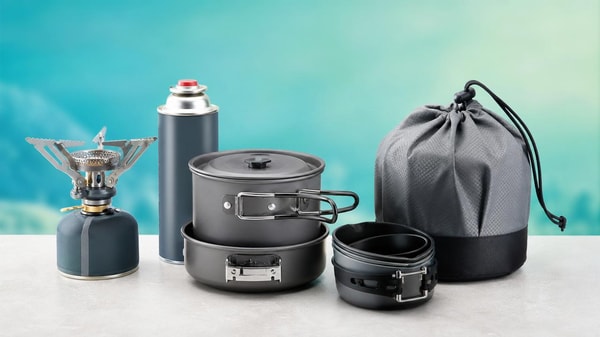
For finance approvers evaluating outdoor product lines, titanium camping cookware raises a practical question: does the premium price translate into measurable value? From lower shipping weight and long-term durability to consumer appeal and margin potential, this article examines whether the higher upfront cost supports stronger sourcing decisions, better inventory performance, and more resilient retail profitability.
Why finance teams are revisiting titanium camping cookware now
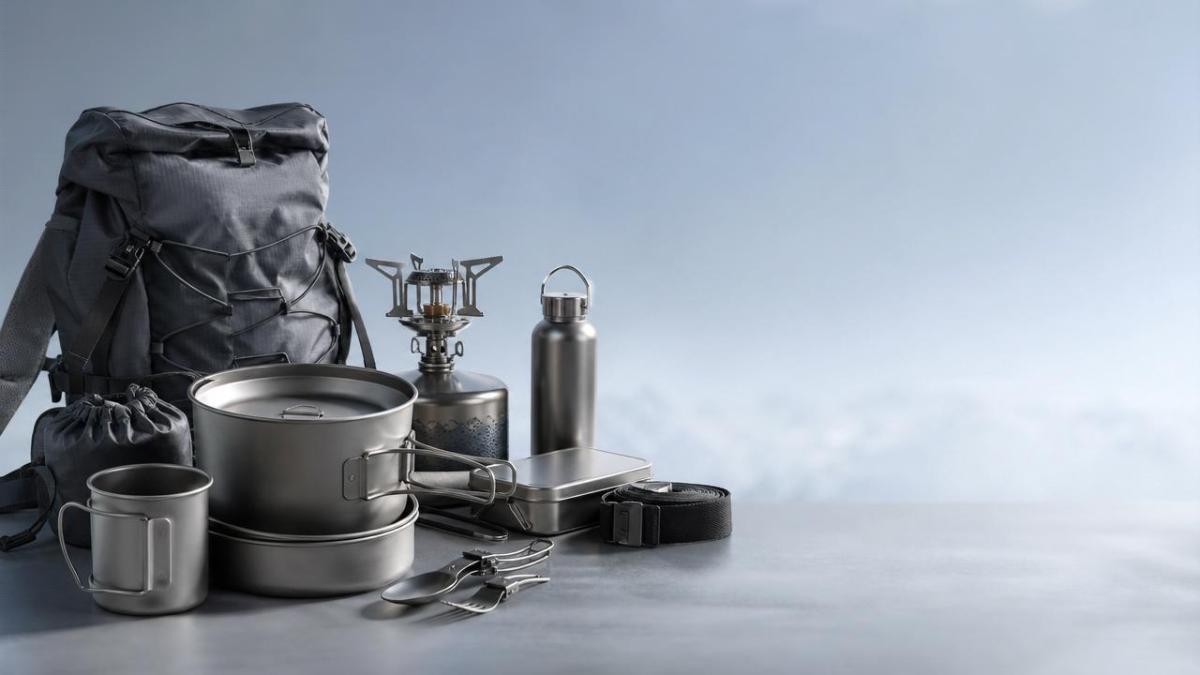
In travel services and travel-adjacent retail, product selection is no longer driven by utility alone. Tour operators, outdoor travel brands, airport retailers, camping-focused marketplaces, and hospitality groups with adventure packages are all under pressure to stock items that are lighter to ship, easy to bundle, and attractive to premium consumers. That shift has moved titanium camping cookware from a niche ultralight category into a serious sourcing discussion.
For a finance approver, the core issue is not whether titanium is impressive on a spec sheet. The real question is whether the category improves working capital efficiency, protects margin, reduces return risk, and supports a higher-value product mix. In many travel service channels, especially those serving trekking, glamping, overlanding, and guided outdoor experiences, cookware is sold as part of a broader customer journey rather than as a standalone commodity.
This matters because premium add-on products often justify their shelf space only when they solve multiple problems at once. Titanium camping cookware can reduce freight burden, signal durability, and strengthen perceived quality. But it also raises unit cost, potentially limits price-sensitive demand, and requires better merchandising and supplier validation.
- Higher landed cost can pressure initial budgeting, especially for seasonal outdoor lines.
- Lower product weight may create savings in cross-border shipping, air freight, and bundled tour merchandise logistics.
- Premium positioning can improve average order value when paired with travel kits, gift sets, or branded adventure packages.
- Durability can reduce replacement frequency for rental fleets, camp operators, and repeated traveler use cases.
For sourcing teams using Global Consumer Sourcing, the advantage lies in evaluating these trade-offs with market context, material knowledge, and supplier-screening discipline rather than making a decision based only on sticker price.
Is titanium camping cookware actually better than stainless steel or aluminum?
The answer depends on the channel, end user, and margin model. Titanium camping cookware is not universally better. It is better in specific conditions: weight-sensitive travel, premium consumer segments, branded giftability, and product lines where durability and minimalist design increase perceived value. For budget-led channels, aluminum or stainless steel may still generate better turnover.
Finance teams should compare materials by commercial impact, not just technical features. The table below frames titanium camping cookware against common alternatives used in travel retail and outdoor distribution.
The key insight is simple: titanium camping cookware performs best when low weight and premium positioning matter more than absolute entry price. If your revenue model depends on fast volume turnover at low price points, titanium may be harder to justify. If your model depends on margin protection, brand differentiation, and bundled travel value, titanium becomes much more compelling.
Where finance approval usually changes
A finance team that rejects titanium on unit cost alone may miss a broader profitability picture. In travel services, customers often compare total convenience, packability, and trust in gear quality. Lightweight cookware can increase conversion in premium tour add-ons, especially when travelers want compact, durable items that fit carry-on or expedition packing limits.
What cost factors really matter beyond the purchase price?
Titanium camping cookware usually enters the budget review as a “higher-cost material” line item. That is incomplete. A better method is to separate direct purchase price from total commercial cost. In travel-related product programs, small weight differences can affect inbound freight planning, final-mile fulfillment, inventory handling, and kit assembly efficiency.
The table below helps finance approvers review titanium camping cookware through a total-cost lens rather than a single-price lens.
This framework often changes the decision. A higher-cost cookware set may still make sense if it helps raise average basket size, lowers shipping weight in subscription or travel kits, and supports lower discounting. For finance leaders, that means titanium camping cookware should be reviewed against contribution margin and channel strategy, not simply against the cheapest comparable pot or mug.
A practical approval checklist
- Confirm whether the product is intended for premium resale, travel package inclusion, or operational use in camps and guided trips.
- Estimate landed cost by shipment mode instead of using ex-factory price alone.
- Model at least two retail outcomes: standalone sales and bundled sales.
- Check whether lower weight creates enough value in cross-border or air-heavy fulfillment.
- Review supplier consistency, finish quality, and packaging protection to avoid avoidable returns.
Which travel-service scenarios justify the premium most clearly?
Not every travel business needs titanium camping cookware. The strongest fit appears where portability, customer perception, and resale storytelling overlap. That includes guided trekking providers, experiential travel retailers, glamping brands building curated gear kits, and destination operators selling premium outdoor accessories to affluent travelers.
Below is a scenario table that helps finance teams decide where titanium camping cookware can create the clearest commercial advantage.
The table shows that titanium camping cookware is most defensible when the buyer values low weight, durability, and prestige. It is less suitable when the commercial strategy depends on low entry pricing or broad family-market volume. A tiered assortment often works best: reserve titanium for premium bundles and keep aluminum or stainless steel for base-level offer coverage.
Where GCS adds sourcing value
For finance approvers, supplier quality can matter as much as material choice. GCS supports decision-making by connecting buyers with sector-specific intelligence across sports and outdoors, compliance considerations, private-label planning, and manufacturing readiness. That reduces the risk of approving a premium material while overlooking packaging weakness, certification gaps, or unrealistic lead-time promises.
What should buyers check before approving a titanium cookware supplier?
A premium material does not guarantee a premium supply outcome. Titanium camping cookware still requires careful review of construction quality, finish consistency, accessory compatibility, and documentation readiness. In travel services, poor packaging or unclear compliance records can quickly erase the commercial benefit of a lighter product.
Critical supplier-review points
- Material consistency: Ask how the supplier controls batch variation, wall thickness, edge finishing, and handle attachment quality.
- Packaging suitability: Travel retail often needs compact cartons, abrasion protection, barcode readiness, and gift-friendly presentation.
- Product set logic: Confirm whether lids, mugs, pots, foldable handles, stuff sacks, or nesting features align with your customer use case.
- Lead time discipline: Premium goods can face longer sampling and finishing cycles, which matters for seasonal launch timing.
- Compliance readiness: Depending on target markets, buyers may need food-contact declarations, lab testing support, or region-specific documentation.
Because GCS focuses on retail supply chains, it is especially useful when buyers need more than a factory quote. Finance teams benefit from a more complete picture: supplier capability, product-market fit, expected compliance workload, and how private-label customization may affect cash flow and timeline.
Common misconceptions about titanium camping cookware
“If it costs more, it must generate better returns.”
Not always. Titanium camping cookware delivers value only when the channel can monetize light weight, durability, and premium perception. In price-led channels, the premium can become margin pressure rather than margin lift.
“Titanium is the best option for all travelers.”
Frequent hikers and minimalist travelers may love it, but casual campers may prefer lower-cost cookware with better heat distribution or larger cooking capacity. Finance teams should align the assortment with actual user profiles, not aspirational marketing alone.
“Lower weight automatically means lower total cost.”
Weight savings help most when freight is sensitive to grams, packaging is optimized, and the product travels through air or premium delivery channels. If most inventory moves by sea in high volumes, shipping savings may be less dramatic than expected.
FAQ: what finance approvers ask before signing off
How do we know if titanium camping cookware fits our product line?
Start with channel logic. If your customers prioritize ultralight travel, premium gifting, or branded expedition gear, titanium is worth testing. If your assortment competes mainly on affordability, consider a limited premium SKU strategy rather than a full-line shift.
What is the biggest financial risk?
The biggest risk is overestimating mainstream demand for a premium material. Slow sell-through ties up cash. This is why small pilot orders, regional testing, and bundle-based launches often make more sense than large speculative inventory commitments.
What should we request from suppliers before approval?
Request product specifications, sample support, packaging details, lead times, food-contact documentation where relevant, and a breakdown of customization costs. Also ask how the supplier handles finish inspection, handle durability, and packaging protection during export transit.
Can titanium camping cookware work in private-label travel programs?
Yes, particularly for loyalty merchandise, adventure travel gift sets, and premium outdoor collections. However, finance teams should review tooling implications, branding method limits, packaging costs, and minimum order quantities before approving private-label expansion.
Why choose us for titanium camping cookware sourcing decisions?
Global Consumer Sourcing helps finance approvers move beyond price-led sourcing and toward evidence-based category decisions. For titanium camping cookware, that means assessing material suitability, supplier readiness, packaging practicality, and margin potential in the context of real travel-service demand.
If you are reviewing an outdoor cookware line, we can support the parts of the approval process that usually slow decisions down:
- Parameter confirmation for pots, mugs, nesting sets, handles, lids, and packed dimensions
- Product selection guidance based on premium retail, travel bundles, or operational camp use
- Lead-time evaluation for seasonal launches and private-label programs
- Compliance and documentation review for target markets and food-contact considerations
- Sample coordination, packaging assessment, and quotation comparison support
If your team needs to decide whether titanium camping cookware is worth the higher price, contact us with your target market, price band, order scale, and timeline. We can help you compare options, clarify trade-offs, and build a sourcing plan that fits both margin goals and travel-service realities.
Related Intelligence
 Camping & WaterMay 03, 2026How to Compare a Kayak Manufacturer for Quality, Capacity, and WarrantyKayak manufacturer comparison for travel services: learn how to assess quality, load capacity, warranty, and supplier support to reduce sourcing risk and choose with confidence.
 Camping & WaterMay 03, 2026Portable Camping Stove: Fuel Options, Boil Time, and Packing Trade-OffsPortable camping stove guide: compare fuel options, boil time, weight, and packing trade-offs to choose the best stove for your trip style, cooking needs, and outdoor comfort.
 Camping & WaterMay 03, 2026Rooftop Tent Manufacturer: What Impacts Lead Time, MOQ, and ReliabilityRooftop tent manufacturer guide for travel service buyers: learn what affects lead time, MOQ, and reliability to reduce sourcing risk and choose a dependable supplier.
 Activewear OEMMay 03, 2026Sports Bra Private Label: Support Levels, Fabrics, and Fit Issues to KnowSports bra private label guide: compare support levels, breathable fabrics, and common fit issues to choose a comfortable, travel-ready bra that performs and feels right.
 Fitness EquipmentMay 03, 2026Soccer Balls Bulk: How to Match Construction to Training or Match UseSoccer balls bulk buying guide for travel services: learn how to match ball construction to training or match use, reduce replacement costs, and source with more confidence.
 Camping & WaterMay 03, 2026Wholesale Life Jackets: Safety Standards You Should Not OverlookWholesale life jackets for tourism demand more than low pricing. Learn the key safety standards, certifications, labeling, and inspection points to protect guests and reduce sourcing risk.
 Camping & WaterMay 03, 2026Trekking Poles Manufacturer Review: Strength Tests, Locks, and Failure PointsTrekking poles manufacturer review covering strength tests, lock reliability, and failure points. Learn how QC teams and tourism service buyers can spot safer, more durable suppliers.
 Camping & WaterMay 03, 2026Outdoor Cooler Box Wholesale: Features That Matter in Real Field UseOutdoor cooler box wholesale: discover the field-tested features that really matter—insulation, durability, sealing, portability, and easy cleaning for reliable tourism operations.
 Camping & WaterMay 03, 2026Fiberglass SUP Paddle: When It Makes More Sense Than CarbonFiberglass SUP paddle buying guide for travel and leisure businesses: discover when fiberglass beats carbon for rentals, tours, and retail with better value, durability, and guest comfort.
 Fitness EquipmentMay 03, 2026Pickleball Paddles OEM: Design Choices That Influence Market AppealPickleball paddles OEM design choices shape appeal in resorts, retail, and travel channels. Learn how materials, branding, packaging, and compliance drive sales.
 Fitness EquipmentMay 03, 2026Golf Clubs Manufacturer Comparison: OEM Capability vs Consistent QualityGolf clubs manufacturer comparison guide: learn how to balance OEM capability with consistent quality, reduce sourcing risk, and choose a supplier that supports brand growth.
 Fitness EquipmentMay 03, 2026Wholesale Running Shoes: Sizing, Cushioning, and Return Risk ExplainedWholesale running shoes buyers in travel retail: learn how sizing accuracy, cushioning consistency, and defect checks reduce return risk, protect margins, and improve customer satisfaction.
 Fitness EquipmentMay 03, 2026Wholesale Tennis Rackets: How to Balance Price, Weight, and PlayabilityWholesale tennis rackets for travel services: learn how to balance price, weight, and playability to improve guest satisfaction, reduce replacement costs, and source smarter.