Titanium Camping Cookware: Who Is It Best For?
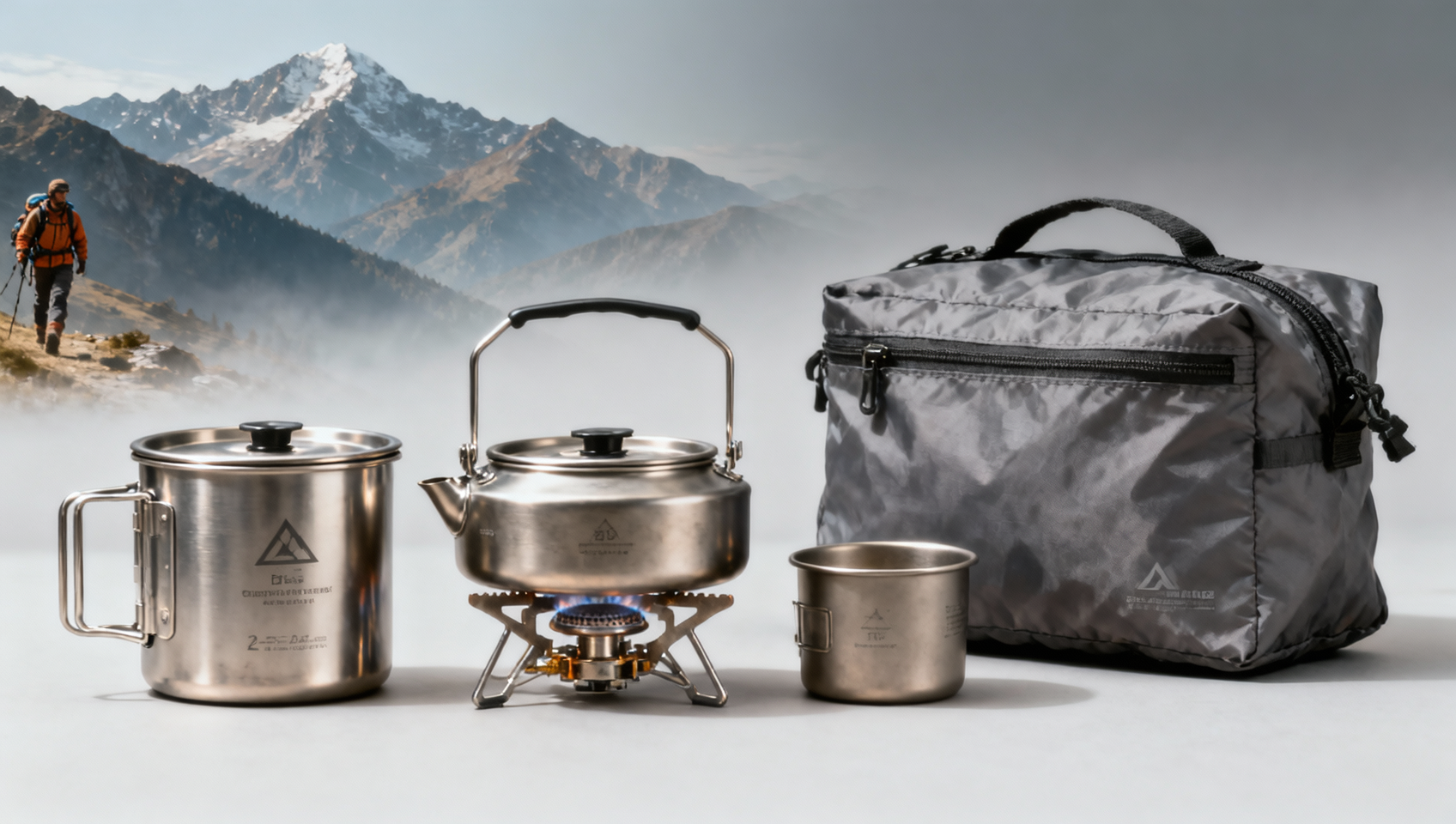
Titanium camping cookware is not just a lightweight gear upgrade—it is a strategic choice for backpackers, outdoor retailers, and sourcing professionals evaluating durability, safety, and long-term value. For buyers already comparing products like silicone teething rings, plush toys manufacturer options, or wholesale stainless steel tumblers, understanding who benefits most from titanium cookware helps sharpen purchasing decisions in the competitive sports and outdoors market.
Who benefits most from titanium camping cookware in travel and outdoor retail?
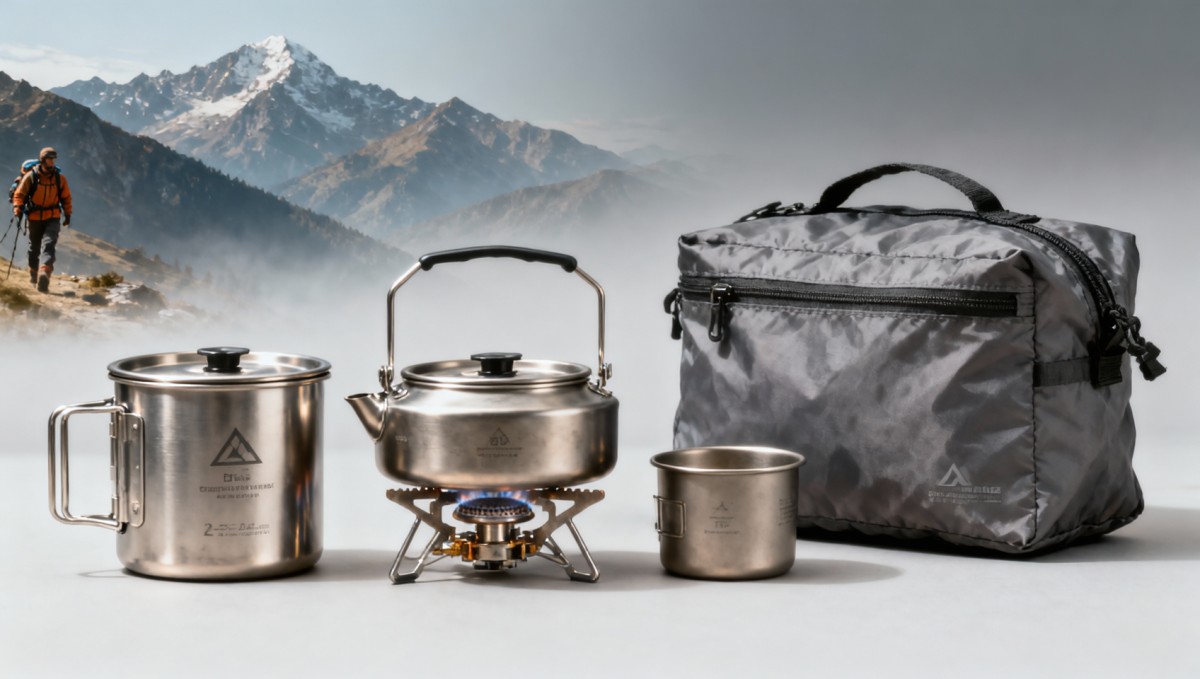
Titanium camping cookware serves a specific group of users better than others. In travel services, adventure operators, trekking organizers, glamping procurement teams, and specialty outdoor retailers often evaluate cookware by three core criteria: pack weight, field durability, and maintenance simplicity. Titanium stands out when gear must move frequently, operate in changing climates, and remain dependable over repeated trips lasting 2–7 days or longer.
For end users, the main benefit is low carried weight. For procurement managers, the benefit is reduced replacement frequency when products are sourced correctly. For business evaluators and finance approvers, titanium cookware becomes attractive when the intended use includes premium travel packages, guided backpacking tours, or retail assortments targeting experienced campers rather than entry-level weekend users.
It is not automatically the right choice for every travel-related project. If the application centers on car camping, budget rental kits, or high-volume meal service at campsites, stainless steel or aluminum may offer better value. That is why titanium camping cookware should be assessed by use case, not by trend appeal alone.
For Global Consumer Sourcing, this is where B2B intelligence matters. Buyers in sports and outdoors increasingly need material-level guidance, compliance awareness, supplier screening logic, and private-label positioning support. Titanium cookware fits premium, lightweight, and long-life product strategies, especially when brands want to build a resilient assortment rather than chase short-term volume.
Typical buyer groups that gain the most value
- Backpacking tour operators that need compact cookware for mobile, multi-stop routes and strict pack-weight control.
- Outdoor retail buyers building premium product lines with higher margin potential and clear material differentiation.
- Distributors and agents supplying specialist camping stores, expedition clubs, and travel gear subscription bundles.
- Project managers sourcing private-label outdoor collections with target launch windows of 8–16 weeks.
Which travel and tourism scenarios justify titanium over other materials?
In tourism-linked outdoor operations, cookware choice should match trip format, customer expectation, and service intensity. Titanium camping cookware is most justified in scenarios where every 100–300 grams saved per person matters. This is common in guided hiking, bikepacking, alpine support kits, and fly-in travel experiences where luggage limits and operational efficiency directly affect service delivery.
For travel service providers, there is also a brand experience angle. Premium adventure guests often expect compact, clean, modern gear rather than bulky communal cookware. Titanium signals technical value, especially when paired with lightweight stoves, compact hydration systems, and modular packing solutions. This creates stronger product coherence for curated outdoor packages and branded retail tie-ins.
However, cooking style is critical. Titanium performs best for boiling water, heating simple meals, and preparing dehydrated food in 1–2 person setups. It is less ideal for operators running camp kitchens that require frying, simmering for long periods, or cooking for groups of 6–12 people. In those settings, heat distribution becomes more important than weight reduction.
The table below helps buyers map common travel service scenarios to material priorities, so procurement teams can avoid over-specifying titanium where another option is more commercially practical.
This comparison shows that titanium camping cookware is strongest in mobility-driven travel formats, not in every camping category. For sourcing teams, that distinction protects margins and reduces mismatch between product specification and actual field use.
Scenario signals that point toward titanium
Operational conditions
- Frequent transport by foot, bike, kayak, or limited baggage channels.
- Individual or duo cooking systems rather than family-size meal production.
- Cleaning access is limited, so simple rinsing and corrosion resistance matter.
Commercial conditions
- The product is positioned in the mid-to-premium outdoor retail segment.
- The buyer wants a strong material story for private-label branding and catalog differentiation.
- The target consumer already understands lightweight gear trade-offs and pays for performance.
How does titanium compare with stainless steel and aluminum for procurement decisions?
Procurement teams rarely choose cookware on material prestige alone. They compare unit economics, warranty risk, end-use suitability, and customer perception. Titanium camping cookware is usually lighter than stainless steel and often more rigid than very thin aluminum products, but it also comes with a higher sourcing cost and different cooking behavior.
For quality control teams, surface finishing, weld consistency, lid fit, foldable handle stability, and edge smoothness are more important than marketing claims. For safety managers, it is also necessary to verify whether any coatings, handles, or accessories introduce additional compliance requirements. A titanium pot with a silicone sleeve or plastic component must be reviewed differently from an all-metal cup.
For finance approvers, the practical question is simple: does the higher unit cost create enough value through lower shipping weight, higher retail pricing, lower damage rates, or stronger category branding? In many premium outdoor channels, the answer can be yes. In budget-led channels, it may not be.
The table below summarizes the most useful comparison points for retail buyers, distributors, and OEM/ODM sourcing teams reviewing camping cookware options.
This comparison is especially useful when a sourcing team is building a mixed assortment. Many successful outdoor programs use a 3-tier approach: aluminum for entry level, stainless steel for general-use durability, and titanium for ultralight or high-margin segments.
What experienced buyers usually check first
- Intended cooking function: boiling only, simple reheating, or full meal preparation.
- Target retail price band and expected gross margin range.
- Accessory materials such as handles, lids, storage bags, and measurement marks.
- Packaging needs for e-commerce, wholesale cartons, or travel service issue-and-return systems.
What should buyers, QC teams, and project managers inspect before placing an order?
When titanium camping cookware moves from concept to purchase order, the critical work starts with specification discipline. Buyers should define at least 5 key checkpoints before sample approval: capacity range, wall thickness range, total set weight, handle construction, and accessory materials. Without this structure, products that look similar online can perform very differently in field use.
For project managers handling private-label launches, a practical timeline often includes 3 stages: sample review, pre-production confirmation, and final shipment inspection. Depending on complexity, this can take 4–10 weeks before mass production is fully locked. If branding, custom packaging, or mixed-material parts are involved, additional time may be needed for artwork approval and transit testing.
Quality and safety teams should inspect more than the metal itself. Rounded edges, secure rivets or welds, stable folding handles, lid seating, and clean interior finishing all affect user safety. If the cookware is sold into international consumer channels, packaging claims, usage instructions, and contact-material statements should also be checked for consistency.
GCS supports this process by helping buyers move beyond surface-level sourcing. Instead of evaluating products only by catalog appearance, decision makers can compare supplier responsiveness, product positioning logic, compliance readiness, and category trends across sports and outdoors. That wider view is useful when procurement is tied to launch risk, retailer expectations, or distributor portfolio planning.
Recommended pre-order checklist for titanium camping cookware
A checklist like this improves cross-team alignment. It helps procurement, QC, finance, and sales teams assess the same product through a shared framework rather than separate assumptions.
Common sourcing risks to avoid
- Approving a sample only by appearance, without checking actual packed weight or balance on a stove.
- Assuming all titanium cookware is pure metal throughout the set, even when mixed parts are present.
- Using premium material in a channel where customers prioritize cookware versatility over weight.
- Ignoring packaging durability for e-commerce drop handling and distributor transit cycles.
How should companies evaluate cost, compliance, and long-term assortment strategy?
Titanium camping cookware usually enters the sourcing discussion as a cost challenge. The better way to frame it is as a portfolio decision. If a travel retailer or outdoor distributor needs a hero product for high-intent buyers, titanium can justify a premium position. If the goal is volume turnover with broad consumer appeal, the same material may limit conversion.
A sound cost review should examine at least 4 layers: unit purchase cost, packaging cost, freight impact, and return risk. In some cases, lighter products can support freight efficiency, especially in e-commerce and international distribution. In others, the savings are too small to offset the higher product price. That is why finance teams should model both landed cost and resale logic.
Compliance should also be addressed early. While titanium itself is often chosen for cookware because of durability and corrosion resistance, final product compliance may still depend on the destination market, food-contact expectations, labeling language, and accessory materials. Buyers selling into multiple regions should verify what documentation is expected before production starts rather than after cargo booking.
From a strategic standpoint, many brands benefit from using titanium as part of a layered assortment rather than a single-material program. This approach supports different user groups: entry-level campers, repeat travelers, and ultralight enthusiasts. It also helps distributors speak to multiple price points without losing technical credibility.
A practical decision model for assortment planning
Choose titanium when:
- Your target user values low base weight and is willing to trade some cooking versatility for mobility.
- The product line serves premium travel, trekking, or specialist sports and outdoors channels.
- Your business needs a technically differentiated SKU for private-label growth or distributor exclusivity.
Choose alternatives when:
- Budget approval is strict and the end user will mostly camp by car or in fixed locations.
- Cooking performance for frying or larger meals matters more than pack weight.
- The product is intended for rental, institutional use, or heavy turnover with minimal brand storytelling.
This balanced view is valuable for distributors, agents, and retail decision makers who must justify each SKU by channel fit, reorder logic, and profitability over the next 2–4 quarters.
FAQ for buyers researching titanium camping cookware
Buyers and travel-service operators often reach similar questions when narrowing a titanium cookware program. The answers below focus on practical sourcing, usage, and assortment judgment rather than broad product hype.
Is titanium camping cookware good for all campers?
No. Titanium camping cookware is best for users who prioritize light carry weight, compact packing, and simple heating tasks. It is especially suitable for solo hikers, thru-hikers, alpine travelers, and premium adventure guests. It is less ideal for family cooking, larger camp kitchens, or users who frequently prepare complex meals over long heat cycles.
What order quantity and lead time should procurement teams expect?
Actual minimum order quantities and lead times depend on supplier structure, branding scope, and packaging format, so they should be confirmed case by case. In many sourcing projects, sample review may take 1–3 weeks, and production plus shipment preparation can extend several more weeks. Buyers should ask for separate timelines for sampling, packaging approval, and bulk delivery.
What are the most common mistakes when selecting titanium cookware?
The biggest mistakes are choosing by material name alone, ignoring cooking style, overlooking accessory compliance, and assuming premium price automatically means better fit. Another common issue is failing to match the product to the retail audience. A specialist trekking buyer and a mass-market camping shopper usually need different cookware priorities.
How should distributors and agents present titanium cookware to their customers?
The strongest selling angle is use-case clarity. Position titanium cookware around ultralight packing, expedition mobility, compact travel systems, and premium outdoor experience. Avoid overselling it as the universal answer. Clear comparison against stainless steel and aluminum often improves conversion because customers understand why the price difference exists.
Why work with GCS when evaluating titanium camping cookware suppliers and product strategy?
For companies sourcing within sports and outdoors, the challenge is not just finding a titanium camping cookware supplier. The harder task is identifying which products are commercially viable, which specifications match the target market, and which supplier conversations deserve deeper investment. GCS helps retail buyers, brand owners, and sourcing teams reduce that uncertainty with focused market intelligence and category-specific evaluation support.
This is especially useful for decision makers balancing multiple product lines across consumer sectors. If your team already compares outdoor cookware alongside baby products, gift items, or drinkware, the value of structured sourcing insight increases. GCS helps connect material choices, market trends, compliance awareness, and product positioning into a more coherent buying process.
You can contact GCS to discuss parameter confirmation, titanium camping cookware selection logic, target price bands, sample screening, supplier communication priorities, packaging direction, certification-related questions, and expected delivery windows. For private-label programs, it is also useful to review assortment planning, channel fit, and how titanium should sit beside stainless steel or aluminum alternatives.
If your next project involves outdoor retail expansion, travel gear portfolio development, or OEM/ODM evaluation, a structured consultation can save time in the first 2–3 sourcing rounds. Start with the product brief, intended use scenario, target market, and sample requirements, and GCS can help you move toward a more informed, commercially grounded decision.
Related Intelligence
 Cosmetics & PkgApr 23, 2026SAMR Penalizes 7 Platforms for 'Ghost Food Delivery' PackagingSAMR penalizes 7 platforms for 'ghost food delivery' packaging—critical for infant pouch & supplement container suppliers. Verify your Food-Related Product Production License now to secure global orders.
 Cosmetics & PkgApr 23, 2026EU EPR Dual-Country Registration Effective for Cosmetics PackagingEU EPR Dual-Country Registration is now mandatory for cosmetics packaging in France & Germany—register with ADEME and EAR by April 2026 to avoid delisting.
 Cosmetics & PkgApr 23, 2026US FDA Enforces VCRP Registration for Cosmetic Packaging as of Apr 22, 2026US FDA mandates VCRP registration for cosmetic packaging as of Apr 22, 2026 — learn how bottles, tubes & aerosol cans must comply to clear U.S. customs.
 Corporate & Seasonal GiftsApr 23, 2026TÜV Rheinland LCA Rule for Green Gift Packaging Takes Effect in EUTÜV Rheinland LCA Rule for Green Gift Packaging is now live in EU—mandatory carbon heat maps & certified LCAs required for DE/AT/NL market access. Act now!
 Beauty DevicesApr 23, 2026Global Li-ion Recycling Rate Hits 62%: Beauty Device Battery BOM Cost Down 9%Li-ion recycling rate hits 62% — beauty device battery BOM costs drop 9%. Discover how this boosts margins, cuts lead times, and strengthens global supply agility.
 Nursery Furniture & MonitorsApr 23, 2026Canton Fair Phase III: Baby Monitors Surge, EN60601-1-12 Focus in Middle EastCanton Fair Phase III: Baby monitors surge 142%—Middle East buyers prioritize EN60601-1-12:2023 compliance. Discover key implications for exporters & certifiers.
 Infant Feeding & CareApr 23, 2026JETRO Mandates Blockchain Batch Codes for Infant Silicone Feeding ProductsJETRO mandates blockchain batch codes for infant silicone feeding products—pacifiers, teething rings & spoons—to ensure traceability and market access in Japan. Act now!
 STEM & Educational ToysApr 23, 2026SASO Cuts AI Module Certification for STEM Toys to 24 HoursSASO Cuts AI Module Certification for STEM Toys to 24 Hours — Fast-track CoC for voice/image AI toys entering Saudi Arabia. Act now before summer procurement!
 Smart Pet DevicesApr 23, 2026Vietnam Enforces ISO 13485 + Vietnamese Manual for Smart Pet CollarsVietnam enforces ISO 13485 + Vietnamese manual for smart pet collars—key compliance update impacting exporters, OEMs & importers. Act now!
 Camping & WaterApr 23, 2026RCEP Camping Water Bag Tariff Cut: Indonesia Updates TPU+Aluminum SpecRCEP Camping Water Bag tariff cut + TPU+aluminum spec update in Indonesia—key implications for OEMs, material suppliers & exporters. Act now!
 Cosmetics & PkgApr 22, 2026SAMR Penalizes 7 Platforms for 'Ghost Kitchen' Packaging ViolationsSAMR penalizes 7 platforms for 'ghost kitchen' packaging violations—critical for food-grade packaging OEMs, suppliers & procurement teams. Act now.
 Camping & WaterApr 22, 2026RCEP Camping Water Bags: Indonesia Cuts Tariff, Sets TPU+Aluminum SpecRCEP Camping Water Bags: Indonesia cuts tariff to 3.4% & mandates TPU+aluminum spec—key opportunity for exporters, TPU suppliers & converters in ASEAN-China supply chains.
 Corporate & Seasonal GiftsApr 22, 2026TÜV Green Packaging LCA Threshold Effective Apr 2026TÜV Green Packaging LCA Threshold takes effect Apr 2026 — mandatory carbon heatmaps & ISO-compliant LCAs for holiday, wedding &文创 packaging. Act now to meet EU tender requirements.