Private label sports equipment: OEM or ODM first

For global buyers navigating the retail market, choosing between OEM and ODM for private label sports equipment is more than a production decision—it shapes speed, cost, compliance, and brand control. Backed by supply chain data and supply chain insights, this guide helps brand procurement teams, quality managers, and decision-makers evaluate product testing, supplier capability, and growth potential with confidence.
Why OEM or ODM matters in travel retail and sports activity sourcing
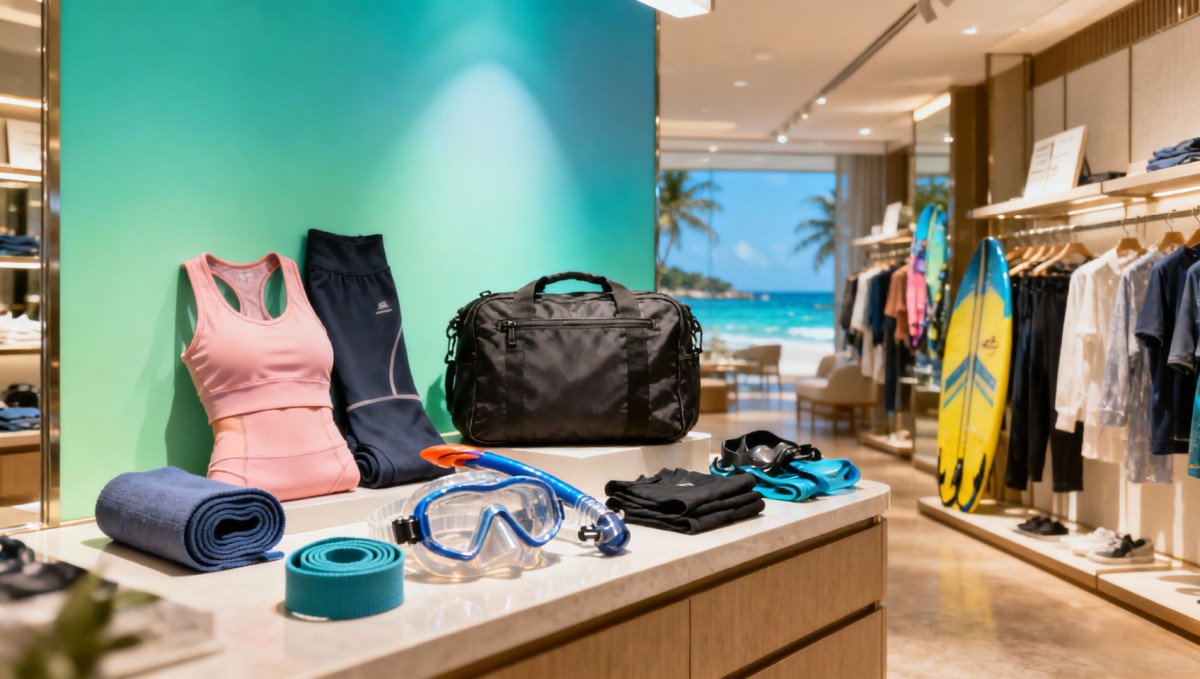
In travel services, private label sports equipment is rarely just a product line. It is often tied to resort shops, hotel recreation programs, guided outdoor tours, airport retail, cruise gift stores, and destination activity packages. When a buyer selects OEM or ODM first, that choice affects the guest experience, replenishment speed, liability exposure, and margin structure over the next 6–18 months.
OEM usually fits buyers who already know the product concept, target user, packaging style, and brand positioning. ODM is often the faster route when a travel retailer or service operator needs market-ready equipment with lower development friction. For example, a resort chain launching private label yoga kits before peak season may prefer ODM if the launch window is only 8–12 weeks.
The tourism sector adds several practical constraints. Equipment must perform in variable climates, survive repeated guest use, and remain easy to store, clean, and replace. A beach club sourcing paddles, resistance bands, snorkel accessories, or compact fitness items has different priorities from a general sporting goods store. Portability, moisture resistance, and multilingual warning labels often become core purchasing factors.
This is where Global Consumer Sourcing helps procurement teams move beyond price-only decisions. GCS supports buyers with supplier intelligence, compliance-oriented review logic, product category insight, and practical sourcing comparisons across Sports & Outdoors. That is valuable for research teams, finance approvers, quality managers, and distributors who need a sourcing decision that works both commercially and operationally.
- Travel retail buyers often work against seasonal launch deadlines of 30, 60, or 90 days, so the development path matters as much as unit cost.
- Service operators must balance brand presentation with user safety, especially when products are used by guests with mixed skill levels.
- Procurement teams need factories that can support low-to-mid MOQs, packaging customization, and repeat orders across multiple destinations.
A practical definition buyers can use
OEM means the buyer provides clearer brand, design, performance, or packaging requirements, while the manufacturer produces to those specifications. ODM means the factory already has a developed product platform, and the buyer adapts branding, packaging, and selected features. In travel service procurement, the difference is not academic. It directly influences lead time, testing scope, tooling exposure, and how much control the brand retains.
A distributor serving hotels in 3–5 countries may prioritize rapid assortment building and choose ODM for standardized travel fitness kits. A destination brand launching signature equipment for premium guided tours may choose OEM to control grip materials, color coding, packaging inserts, and after-sales replacement consistency. The right first step depends on channel, timeline, and risk tolerance.
OEM vs ODM: which model fits your private label sports equipment plan?
For most buyers, the most useful way to compare OEM and ODM is to map each model against five decision areas: speed, cost, customization depth, compliance workload, and margin potential. The table below helps travel service buyers evaluate which route is more suitable for resort retail, activity operations, and destination-based consumer sales.
The table shows why many travel buyers begin with ODM for market entry and then shift to OEM after sales validation. That two-stage path can reduce early development risk while preserving room for future differentiation. It is especially useful when a hotel group wants to test 3–4 SKUs across different guest segments before committing to deeper product engineering.
When OEM should come first
OEM should usually come first when the brand experience is central to revenue or positioning. Examples include premium hotel wellness kits, branded trail accessories for adventure operators, or sport-themed merchandise linked to destination events. If the buyer needs specific dimensions for travel storage, custom carry cases, bilingual inserts, or a coordinated product family, OEM gives better long-term control.
It also makes sense when quality managers need tighter control over raw materials, surface finish, load capacity, or user safety details. In products exposed to salt air, heat, or repeated guest handling, small construction changes can influence complaint rates and replacement costs over a 12-month cycle. OEM provides room to build those requirements into the specification from the start.
When ODM should come first
ODM is usually the stronger first choice when launch timing is tight, internal product development resources are limited, or the brand is still validating demand. This is common in airport travel retail, cruise merchandising, or seasonal resort programs where the buyer needs reliable, retail-ready products with acceptable customization and manageable minimums.
For finance teams, ODM can also simplify approval because the first order often has fewer development charges and a shorter payback window. If a buyer needs to compare 2–3 factories quickly, existing product lines and sample libraries make it easier to evaluate consistency, packaging quality, and total landed cost without waiting for a full engineering cycle.
What should procurement and quality teams check before choosing a supplier?
A private label sports equipment project succeeds or fails on execution detail. In tourism-related channels, the supplier must not only manufacture the product but also support destination logistics, repeat orders, packaging adaptation, and compliance records. Before deciding on OEM or ODM first, buyers should review at least 5 core checkpoints: factory capability, material consistency, test readiness, packaging flexibility, and replenishment discipline.
The next table is designed for cross-functional review. It helps procurement, finance, and quality teams evaluate whether a supplier is suitable for hotel retail, guided activity programs, destination stores, or distributor networks. It also supports internal approval because each criterion can be tied to a practical sourcing risk rather than a vague preference.
This evaluation framework is particularly useful when multiple departments must sign off on one sourcing decision. Procurement may focus on unit economics, while quality teams focus on testing records and finance teams look at total commitment. Putting all 5 checkpoints into one scorecard reduces friction and improves approval speed.
A 4-step sourcing review process
- Define the sales and usage channel: guest use, retail sale, bundled activity package, or distributor resale. This changes testing depth and packaging priorities.
- Screen 2–4 suppliers for category specialization, sample quality, and communication speed. A factory strong in general fitness goods may not fit marine or outdoor destination use.
- Run sample review against a checklist covering function, finish, labeling, carton durability, and user instruction clarity.
- Approve the final route only after confirming order volume assumptions, target lead time, and any market-specific documentation requirements.
Using a structured process matters because tourism-linked demand can change quickly with seasonality, events, and traveler behavior. A good supplier is not just one that can produce the first order. It is one that can support the second and third orders without unstable quality or avoidable delays.
How do cost, compliance, and lead time change the OEM or ODM decision?
For financial approvers and project leaders, the first question is often not creativity but commercial risk. OEM can improve differentiation and long-term margin, yet it usually adds more decision points. ODM may accelerate revenue capture but can limit uniqueness if too many competitors use similar platforms. The right answer depends on whether the business goal is speed-to-shelf, margin protection, or proprietary positioning over the next 2–4 buying cycles.
Lead time should be evaluated in layers. Sample approval may take 1–3 rounds. Packaging confirmation may take another 1–2 weeks. Production can vary by complexity, order quantity, and season. For tourism operators preparing for peak travel periods, those intervals matter because a delayed launch can miss a selling window entirely. That is why early supplier communication and realistic milestone planning are more important than headline price alone.
Compliance is equally important. The exact requirements differ by market and product category, but buyers should expect to review general safety labeling, material declarations where relevant, and test documentation appropriate to the product type and destination market. If the equipment is intended for repeated guest use rather than simple retail resale, internal safety review should be stricter. Quality managers should document 3 key areas: material safety, structural performance, and user instructions.
From a cost perspective, buyers should separate visible price from total sourcing cost. That total includes sample revisions, testing, packaging changes, shipping density, replacement rate, and the cost of delayed replenishment. An ODM product with slightly higher unit price can still be the better business case if it reduces the launch cycle by 4–6 weeks and lowers early-stage development expense.
Common cost drivers buyers overlook
- Packaging size and master carton efficiency can materially affect landed cost, especially for airport retail and multi-destination distribution.
- Low-durability materials may create hidden replacement cost when products are used repeatedly by guests over one season.
- Frequent design changes during OEM development can add sample rounds and push the schedule beyond the intended retail window.
- Small MOQ orders can work for pilot launches, but buyers should confirm how pricing changes at low, medium, and scaled volumes.
A balanced decision rule
If your project needs launch speed, moderate customization, and lower upfront commitment, ODM is often the better first move. If your project needs differentiated product identity, tighter technical control, and a stronger long-term brand asset, OEM is often worth the extra planning time. Many successful buyers in travel retail use ODM to validate demand, then convert their best-performing items into OEM programs within 6–12 months.
FAQ: real sourcing questions from buyers, distributors, and quality teams
How do I know whether a sports product is suitable for tourism retail or guest-use programs?
Start by separating retail sale from operational use. A product sold in a resort shop may need strong packaging and clear warnings, but a product used in guided activities also needs repeated-use durability, easier cleaning, and tighter internal safety review. Check environmental exposure, frequency of handling, user skill level, and storage conditions. In most cases, those 4 factors will tell you whether a standard ODM item is enough or an OEM adjustment is needed.
What lead time should buyers plan for private label sports equipment?
There is no single universal timeline, but buyers often plan around 4–10 weeks for simpler ODM projects and 10–20 weeks for OEM projects with more sampling and packaging customization. Add buffer time for peak seasons, public holidays, and internal approvals. For travel services, it is prudent to work backward from the launch date by at least one full buying cycle rather than aiming for the minimum possible schedule.
What are the most common mistakes in OEM or ODM sourcing?
The most common mistakes are approving samples without a written checklist, underestimating packaging requirements, assuming all test records transfer automatically after design changes, and focusing on unit price without reviewing replacement risk. Another frequent error is choosing OEM too early when demand has not yet been validated. In travel retail, a staged sourcing approach often reduces those risks.
What should distributors and agents ask factories before representing a private label line?
Ask about MOQ ranges, reorder speed, packaging language options, territory support, and how the factory handles batch consistency. Also confirm whether sample upgrades, spare parts, or packaging revisions can be completed within a workable cycle such as 7–15 days. For destination distribution, after-sales clarity matters because replenishment speed can affect both retailer trust and channel continuity.
Why work with GCS when comparing OEM and ODM for private label sports equipment?
Global Consumer Sourcing is built for buyers who need more than broad market commentary. In categories such as Sports & Outdoors, GCS helps connect sourcing strategy with real procurement needs: product direction, supplier filtering, compliance awareness, and retail-readiness. That matters when a travel service brand or distributor must make a commercially sound decision across multiple departments and markets.
Instead of treating OEM and ODM as abstract manufacturing labels, GCS frames them as decision tools. Buyers can use category insight to compare launch speed, private label flexibility, testing implications, and practical market fit. This is useful for procurement leaders building a new assortment, finance teams reviewing investment logic, and quality managers checking whether a supplier can support consistent execution over repeated orders.
If you are evaluating private label sports equipment for travel retail, resort operations, destination stores, or distributor channels, contact GCS for support on supplier shortlisting, product selection, launch timing, packaging direction, documentation expectations, and sample planning. You can also discuss whether your project is better suited to an ODM-first launch, an OEM-first strategy, or a phased model that starts fast and scales with stronger brand control.
A productive consultation can cover 6 practical areas: target product category, order volume assumptions, intended sales or usage scenario, expected lead time, required customization level, and compliance documentation needs. With those inputs, your team can move toward a sourcing plan that is easier to approve, easier to execute, and better aligned with long-term retail growth.
Related Intelligence
 2026/789 on Beauty Device Packaging Takes Effect") Beauty DevicesApr 29, 2026EU Regulation (EU) 2026/789 on Beauty Device Packaging Takes EffectEU Regulation (EU) 2026/789 mandates 30% recycled plastic & LCA declarations for beauty device packaging — act now to avoid Amazon.de/fr rejections!
Beauty DevicesApr 29, 2026EU Regulation (EU) 2026/789 on Beauty Device Packaging Takes EffectEU Regulation (EU) 2026/789 mandates 30% recycled plastic & LCA declarations for beauty device packaging — act now to avoid Amazon.de/fr rejections! Electronic & RC ToysApr 29, 2026ICTA: RC Toy Orders Shift to South China, Lead Time Cuts to 6 WeeksICTA reports RC toy orders shifting to South China—78% now flow to Guangdong’s cluster, cutting lead times to just 6 weeks. Act now to optimize sourcing, compliance & logistics.
 STEM & Educational ToysApr 29, 2026CPSC Nanomaterial Migration Rule for STEM Toys Effective Q3 2026CPSC Nanomaterial Migration Rule for STEM Toys: New ASTM F963–24 testing (≤0.05 mg/cm²/h) mandatory from Oct 1, 2026—avoid detention & recalls.
 Fitness EquipmentApr 29, 2026THE Alliance Cuts Shanghai–LA Capacity by 22%: Fitness Equipment Delays ExtendFitness equipment shippers: THE Alliance cuts Shanghai–LA capacity by 22% in May 2026—delays, surcharges, and 12–14-week bookings loom. Act now.
 Smart Pet DevicesApr 29, 2026Japan METI Expands Smart Pet Device White List, 10-Day Certification for Chinese DevicesJapan METI expands Smart Pet Device white list—Bluetooth 5.3+ collars & AI feeders now qualify for fast 10-day certification. Key opportunity for Chinese exporters.
 Infant Feeding & CareApr 29, 2026ASEAN-FFL 2026: RCEP Infant Feeding Labeling Rules Take EffectASEAN-FFL 2026 labeling rules take effect April 2026—ensure RCEP infant feeding product compliance now to avoid shelf bans & delays.
 Corporate & Seasonal GiftsApr 29, 2026Germany UBA to Pilot Carbon Labelling for Corporate GiftsGermany UBA's 2026 carbon labelling pilot for corporate gifts mandates ISO 14067 LCAs — vital for Chinese exporters, printers & ink suppliers targeting EU green procurement.
 Nursery Furniture & MonitorsApr 29, 2026Vietnam MOIT Eases Infant Monitor Registration, Requires NMPA Class II FilingVietnam MOIT eases infant monitor registration: NMPA Class II filing now accepted—skip local testing, cut time-to-market. Key for China-Vietnam medtech exporters.
 Camping & WaterApr 29, 2026SASO Mandates IP6X + Salt Spray for Camping Power & Inflators in Saudi ArabiaSASO mandates IP6X + salt spray for camping power stations & inflators in Saudi Arabia—act now to avoid shipment delays and customs rejection.
") Skincare OEMApr 29, 2026FDA Adds Plant Stem Cell Extract Code to CPIS (Apr 2026)FDA adds 'Plant Stem Cell Extract' code to CPIS—urgent compliance action needed for skincare OEMs, suppliers & importers before July 1, 2026.
Skincare OEMApr 29, 2026FDA Adds Plant Stem Cell Extract Code to CPIS (Apr 2026)FDA adds 'Plant Stem Cell Extract' code to CPIS—urgent compliance action needed for skincare OEMs, suppliers & importers before July 1, 2026. Electronic & RC ToysApr 28, 2026ICTA 2026 Q2 RC Toy Sourcing Report: Shift to Guangdong ClusterICTA 2026 Q2 RC Toy Sourcing Report reveals 68% of global electronic RC toy orders shifting to Guangdong’s Shenzhen–Dongguan–Zhongshan cluster — driven by dual-band modules, UL9990 batteries & rapid prototyping. Act now.
 Skincare OEMApr 28, 2026FDA Adds Plant Stem Cell Extract Code to CPIS SystemFDA adds COS-PLS-2026 code for plant stem cell extract in CPIS — vital for skincare OEMs, suppliers & U.S. importers. Act now to ensure compliance by July 1, 2026.
 Nursery Furniture & MonitorsApr 28, 2026Vietnam Exempts Infant Monitors from Local Type TestingVietnam exempts infant monitors from local type testing—leverage your NMPA Class II filing to fast-track Vietnam market entry starting June 1, 2026.