Private label sports gear: cost drivers to compare first
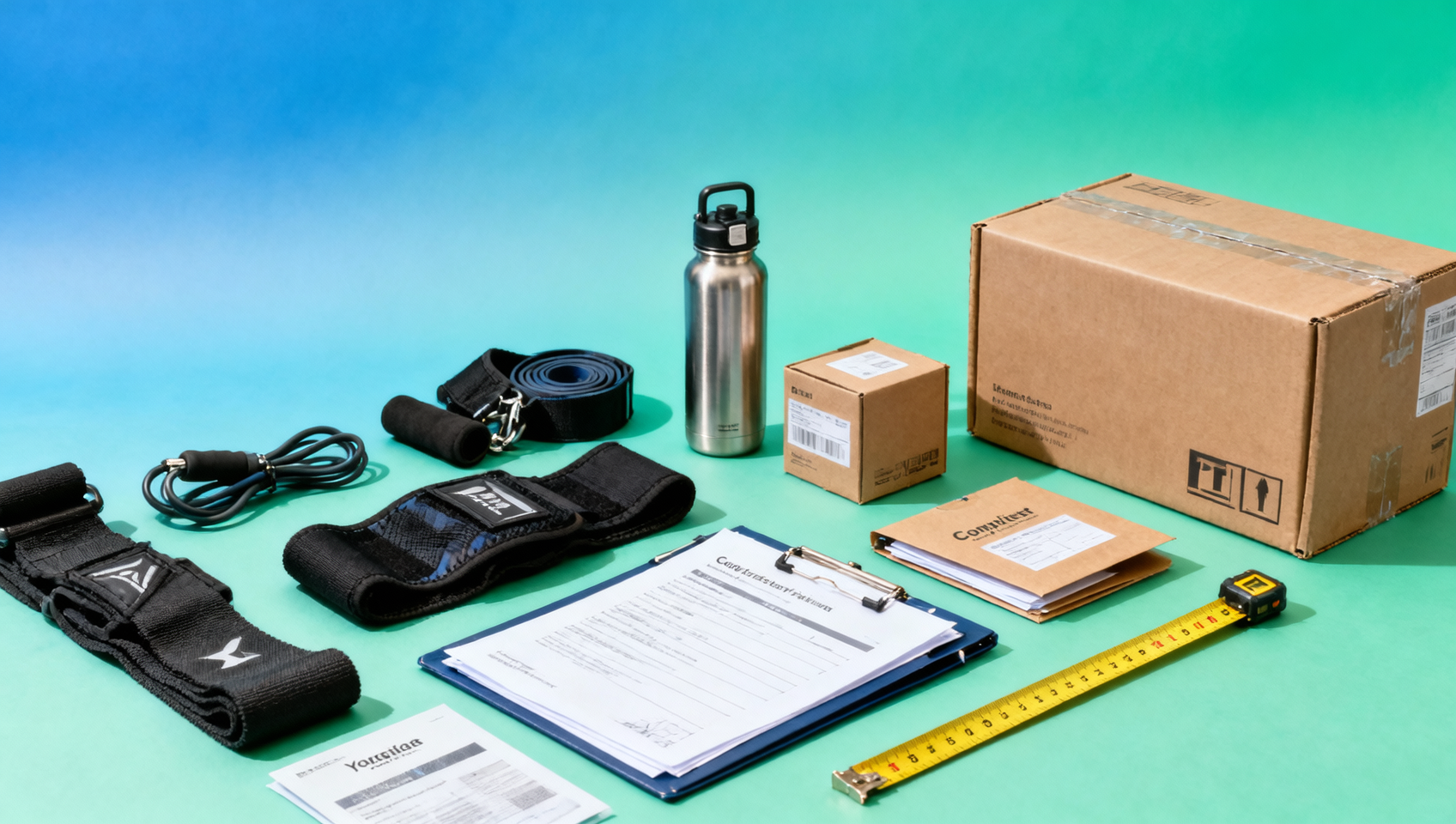
Before launching private label sports gear, compare the real cost drivers that shape margins, compliance, and speed to market. From supply chain data and product testing to brand procurement priorities and retail market demand, global buyers need clear supply chain insights to evaluate suppliers, manage risk, and build competitive sourcing strategies with confidence.
For most buyers, the biggest mistake is comparing private label sports gear by unit price alone. In practice, the true cost is shaped by product complexity, materials, testing and certification, packaging, tooling, order quantities, quality control, freight volatility, and the operational cost of supplier coordination. If you compare these drivers early, you can avoid margin erosion, delayed launches, and expensive compliance failures later.
What should buyers compare first when costing private label sports gear?
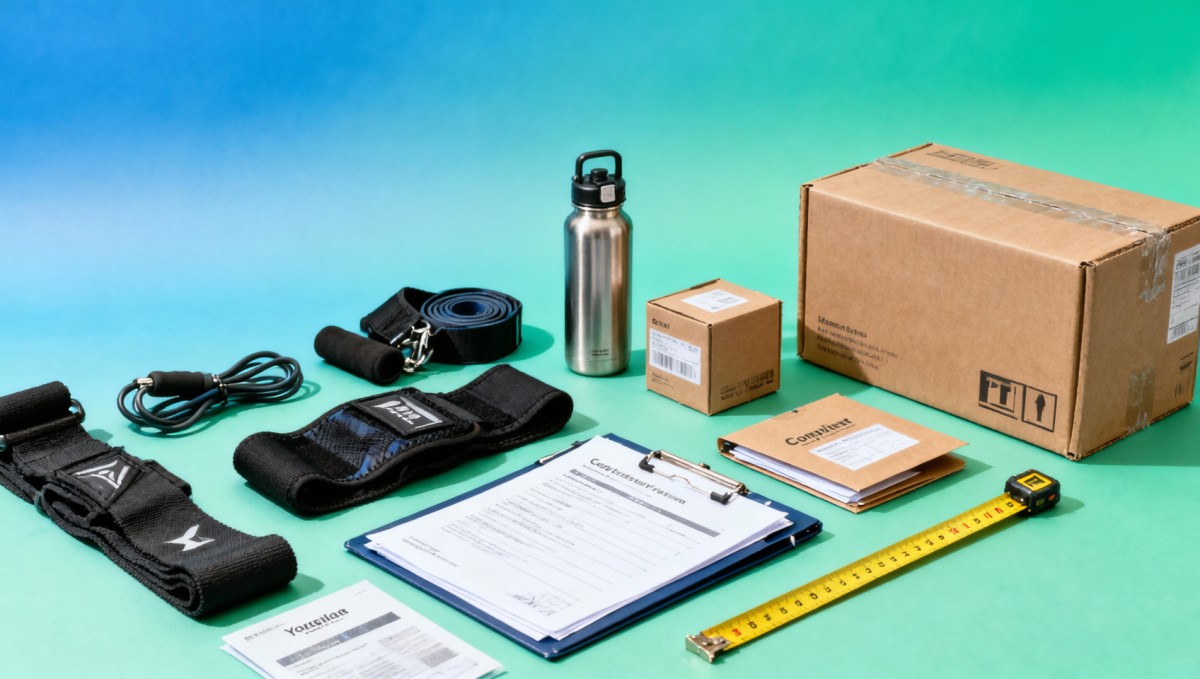
The first comparison should not be “Which supplier is cheapest?” but “Which cost structure is most realistic for our product, target market, and launch timeline?” For procurement teams, finance approvers, and product managers, that means reviewing cost drivers in the order that most directly affects landed cost and commercial risk.
Start with these first-priority factors:
- Product type and construction: Soft goods, protective gear, fitness accessories, and outdoor sports products all carry different material, labor, and testing burdens.
- Target compliance market: The US, EU, UK, and other markets can require different testing protocols, labeling, chemical restrictions, and documentation.
- Expected order volume: MOQ, price breaks, and production efficiency can dramatically change your cost per unit.
- Brand positioning: Entry-level, mid-market, and premium products require different fabric, finish, packaging, and durability standards.
- Supply chain model: Direct factory sourcing, trading partner coordination, or multi-country sourcing each creates different management costs and risks.
If a supplier quote looks attractive but leaves these areas vague, the cost comparison is incomplete. In private label sports gear, missing cost details often reappear later as rework fees, testing failures, rush shipping, or customer returns.
How product design and materials change the total cost
In sports and outdoors categories, design decisions drive cost faster than many new buyers expect. Even small changes to construction can alter labor time, scrap rate, tooling, and inspection requirements.
Key cost questions include:
- Does the product use standard or custom materials?
- Are performance fabrics, impact-resistant plastics, metal components, or moisture-control features required?
- How many colors, sizes, and SKU variations are planned?
- Are there logos, embroidery, printing, molded branding, or custom trims?
- Does the design require special assembly processes or component sourcing?
For example, a basic yoga strap and a branded protective training vest may both sit within the sports gear category, but their cost drivers are completely different. The first may be mainly affected by webbing quality, stitching consistency, and packaging. The second may involve foam density, impact resistance, fit testing, labeling rules, and more intensive quality assurance.
This is why buyers should request a costed bill of materials or at least a clear quotation breakdown. Without that visibility, it is difficult to tell whether one supplier is genuinely efficient or simply under-scoping product requirements.
Why compliance, testing, and safety documentation often become hidden cost drivers
For quality managers, safety teams, and sourcing leaders, this is often the most underestimated area. Private label sports gear may face chemical, mechanical, flammability, labeling, or age-grade related requirements depending on product use and destination market.
Typical cost components in this area include:
- Lab testing fees for physical performance, chemical content, or product safety
- Certification and documentation support such as CE-related files, CPSIA-related documentation, REACH alignment, or retailer-specific compliance packets
- Pre-production sample revisions if initial samples fail performance or safety thresholds
- Factory audit costs for social compliance, quality systems, or customer approval
- Labeling and warning updates required for different countries or sales channels
These are not optional side costs. They directly affect market access and legal risk. A lower quote from a supplier with weak documentation support can become far more expensive than a slightly higher quote from a factory that already understands the required standards and testing path.
For decision-makers, the practical question is simple: Is the supplier pricing for compliance readiness, or only for production output? The second model may look cheaper at the quotation stage but cost more once approvals begin.
How MOQ, tooling, and sampling affect upfront investment
Many private label sports gear projects fail internal approval not because the product is unprofitable, but because the early cash requirement was not scoped properly. Finance teams usually want to know the full commitment before approving a launch.
That upfront investment may include:
- Prototype development fees
- Pre-production sample charges
- Tooling or mold costs for custom plastic or metal parts
- Private label packaging setup fees
- Logo screen, embroidery, print plate, or transfer costs
- MOQ commitments by color, size, or material
In many cases, the quoted unit price only becomes attractive at production volumes that are too high for a cautious launch. This is especially important for distributors, importers, and D2C brands testing a new category. A lower MOQ supplier may offer a higher unit cost but produce a lower total-risk entry plan.
When comparing suppliers, ask for three scenarios:
- Pilot order cost
- Standard commercial order cost
- Volume scale cost after demand validation
This gives stakeholders a clearer sourcing strategy and helps align product launch plans with real working capital limits.
What operational and supply chain costs buyers often overlook
Landed cost is never just factory price plus freight. In global sourcing, coordination cost matters. Buyers often underestimate how much time and money are consumed by communication gaps, inconsistent lead times, poor document control, and reactive issue management.
Frequently overlooked supply chain cost drivers include:
- Lead time instability that forces expensive air freight or lost seasonal sales
- Material sourcing delays for custom fabrics, foam, hardware, or color-matched parts
- Multi-supplier component dependency that creates assembly bottlenecks
- High defect rates leading to re-inspection, claim handling, or replacement orders
- Poor carton planning that inflates freight and warehousing cost
- Weak packaging durability that increases damage in transit
For procurement and project management teams, supplier responsiveness is itself a cost factor. A factory that answers technical questions clearly, manages revisions properly, and keeps production milestones visible can reduce internal workload significantly. That operational efficiency has real value, even if it is not shown on the quotation sheet.
How to compare supplier quotes without making a false like-for-like decision
One of the most common sourcing errors is assuming two quotes describe the same deliverable. In private label sports gear, quote differences often come from hidden specification gaps rather than true cost advantage.
To compare accurately, build a quote review matrix covering:
- Material specification and grade
- Product dimensions and tolerances
- Branding method
- Packaging type and print level
- Testing included or excluded
- AQL standard and inspection method
- MOQ by SKU and total order
- Production lead time
- Payment terms
- Incoterm basis
- Tooling ownership and maintenance responsibility
- Defect claim process
This process helps procurement teams make a commercial decision based on total delivered value, not just nominal ex-factory price. For enterprise decision-makers, it also supports cleaner internal approval because the risk-adjusted comparison is documented.
Which cost drivers matter most by buyer type?
Different stakeholders evaluate private label sports gear through different lenses, so the sourcing case should reflect that reality.
- Procurement teams: focus on quote accuracy, supplier reliability, MOQ flexibility, and total landed cost.
- Finance approvers: care about upfront cash exposure, margin durability, and downside risk from delays or returns.
- Quality and safety managers: prioritize testing, compliance documentation, traceability, and defect prevention.
- Project managers: need realistic timelines, revision control, and clear accountability across sampling and production.
- Distributors and channel partners: look at sell-through potential, packaging readiness, and replenishment reliability.
- Brand owners: care about retail differentiation, product consistency, and long-term supplier scalability.
The best supplier is not always the one with the lowest initial cost. It is the one whose cost structure matches your go-to-market model, compliance obligations, and operational capacity.
A practical checklist before approving a private label sports gear supplier
Before moving forward, buyers should confirm these questions internally and with the supplier:
- Is the quoted product specification complete and version-controlled?
- Are all required tests, certifications, and labels identified for the target market?
- Does the quote separate unit price, tooling, sampling, packaging, and compliance costs?
- Are MOQ requirements workable for launch volume and SKU strategy?
- Has the landed cost been estimated under realistic freight assumptions?
- Can the supplier support quality consistency at scale, not just in samples?
- What happens if the first production run fails inspection or misses timeline?
- Is there a realistic path from pilot launch to repeat orders?
If these questions are answered clearly, buyers can compare suppliers with much greater confidence and avoid costly surprises after purchase orders are issued.
Conclusion: compare the cost drivers that protect margin, not just the price on the quote
Private label sports gear sourcing is rarely won by chasing the lowest stated unit cost. The smarter approach is to compare the cost drivers that shape the final business outcome: materials, product complexity, compliance, tooling, MOQ, packaging, quality control, logistics, and supplier execution capability.
For global buyers, the real objective is not just to source cheaper products. It is to build a supply chain that can deliver compliant, commercially viable, and scalable sports gear with fewer surprises. When you compare cost drivers first, you make better sourcing decisions, strengthen approval confidence across teams, and create a more resilient path to market.
Related Intelligence
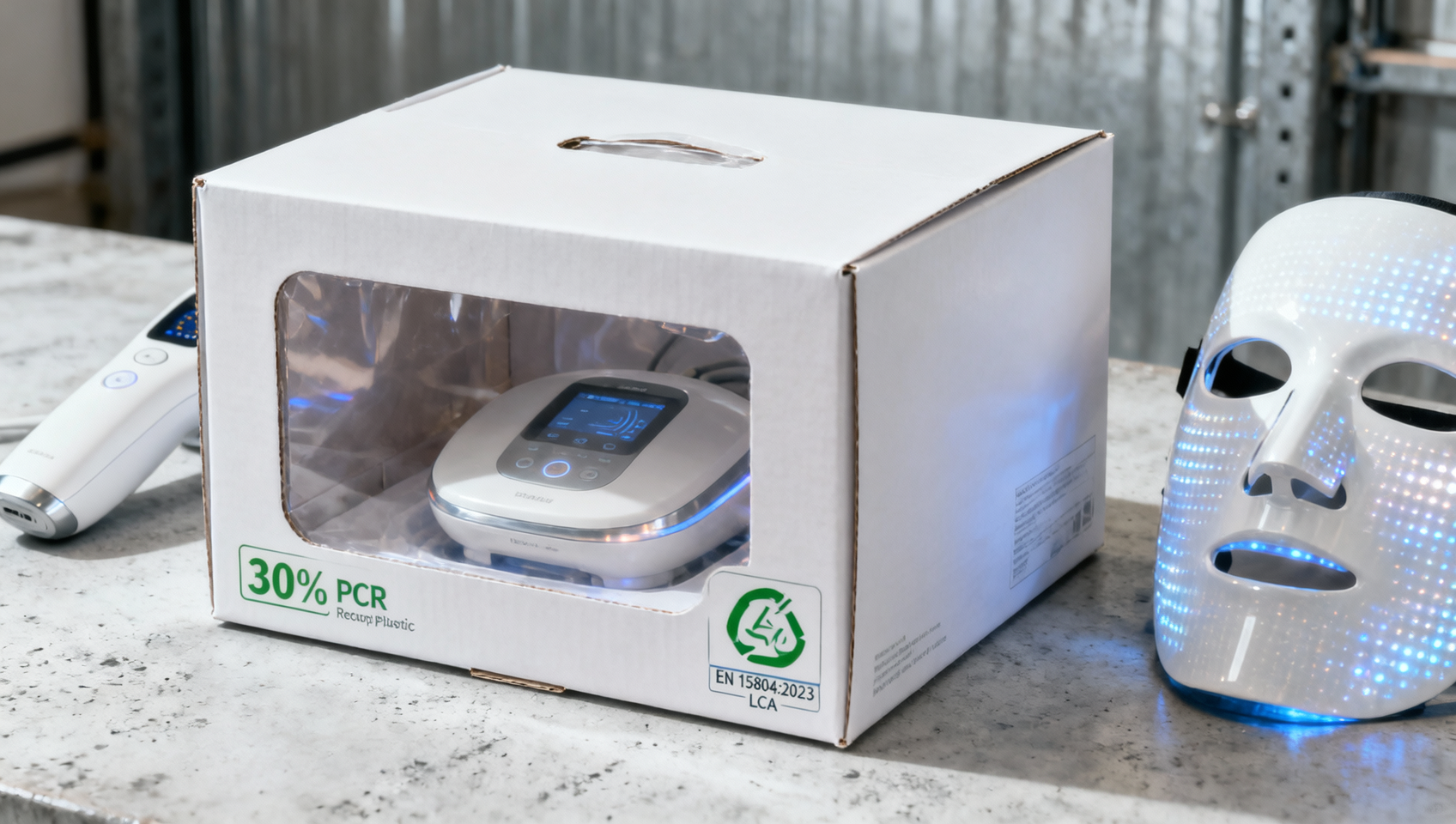
 2026/789 on Beauty Device Packaging Takes Effect") Beauty DevicesApr 29, 2026EU Regulation (EU) 2026/789 on Beauty Device Packaging Takes EffectEU Regulation (EU) 2026/789 mandates 30% recycled plastic & LCA declarations for beauty device packaging — act now to avoid Amazon.de/fr rejections!
Beauty DevicesApr 29, 2026EU Regulation (EU) 2026/789 on Beauty Device Packaging Takes EffectEU Regulation (EU) 2026/789 mandates 30% recycled plastic & LCA declarations for beauty device packaging — act now to avoid Amazon.de/fr rejections! Electronic & RC ToysApr 29, 2026ICTA: RC Toy Orders Shift to South China, Lead Time Cuts to 6 WeeksICTA reports RC toy orders shifting to South China—78% now flow to Guangdong’s cluster, cutting lead times to just 6 weeks. Act now to optimize sourcing, compliance & logistics.
 STEM & Educational ToysApr 29, 2026CPSC Nanomaterial Migration Rule for STEM Toys Effective Q3 2026CPSC Nanomaterial Migration Rule for STEM Toys: New ASTM F963–24 testing (≤0.05 mg/cm²/h) mandatory from Oct 1, 2026—avoid detention & recalls.
 Fitness EquipmentApr 29, 2026THE Alliance Cuts Shanghai–LA Capacity by 22%: Fitness Equipment Delays ExtendFitness equipment shippers: THE Alliance cuts Shanghai–LA capacity by 22% in May 2026—delays, surcharges, and 12–14-week bookings loom. Act now.
 Smart Pet DevicesApr 29, 2026Japan METI Expands Smart Pet Device White List, 10-Day Certification for Chinese DevicesJapan METI expands Smart Pet Device white list—Bluetooth 5.3+ collars & AI feeders now qualify for fast 10-day certification. Key opportunity for Chinese exporters.
 Infant Feeding & CareApr 29, 2026ASEAN-FFL 2026: RCEP Infant Feeding Labeling Rules Take EffectASEAN-FFL 2026 labeling rules take effect April 2026—ensure RCEP infant feeding product compliance now to avoid shelf bans & delays.
 Corporate & Seasonal GiftsApr 29, 2026Germany UBA to Pilot Carbon Labelling for Corporate GiftsGermany UBA's 2026 carbon labelling pilot for corporate gifts mandates ISO 14067 LCAs — vital for Chinese exporters, printers & ink suppliers targeting EU green procurement.
 Nursery Furniture & MonitorsApr 29, 2026Vietnam MOIT Eases Infant Monitor Registration, Requires NMPA Class II FilingVietnam MOIT eases infant monitor registration: NMPA Class II filing now accepted—skip local testing, cut time-to-market. Key for China-Vietnam medtech exporters.
 Camping & WaterApr 29, 2026SASO Mandates IP6X + Salt Spray for Camping Power & Inflators in Saudi ArabiaSASO mandates IP6X + salt spray for camping power stations & inflators in Saudi Arabia—act now to avoid shipment delays and customs rejection.
") Skincare OEMApr 29, 2026FDA Adds Plant Stem Cell Extract Code to CPIS (Apr 2026)FDA adds 'Plant Stem Cell Extract' code to CPIS—urgent compliance action needed for skincare OEMs, suppliers & importers before July 1, 2026.
Skincare OEMApr 29, 2026FDA Adds Plant Stem Cell Extract Code to CPIS (Apr 2026)FDA adds 'Plant Stem Cell Extract' code to CPIS—urgent compliance action needed for skincare OEMs, suppliers & importers before July 1, 2026. Electronic & RC ToysApr 28, 2026ICTA 2026 Q2 RC Toy Sourcing Report: Shift to Guangdong ClusterICTA 2026 Q2 RC Toy Sourcing Report reveals 68% of global electronic RC toy orders shifting to Guangdong’s Shenzhen–Dongguan–Zhongshan cluster — driven by dual-band modules, UL9990 batteries & rapid prototyping. Act now.
 Skincare OEMApr 28, 2026FDA Adds Plant Stem Cell Extract Code to CPIS SystemFDA adds COS-PLS-2026 code for plant stem cell extract in CPIS — vital for skincare OEMs, suppliers & U.S. importers. Act now to ensure compliance by July 1, 2026.
 Nursery Furniture & MonitorsApr 28, 2026Vietnam Exempts Infant Monitors from Local Type TestingVietnam exempts infant monitors from local type testing—leverage your NMPA Class II filing to fast-track Vietnam market entry starting June 1, 2026.