Sports ODM looks faster, but tooling can reset the clock

Sports ODM is often marketed as the faster route to market, but for sourcing teams the real answer is more conditional: ODM is only faster when the existing platform, tooling, material package, compliance path, and branding requirements remain close to what the factory already runs. Once buyers request mold changes, performance adjustments, packaging revisions, certification updates, or retailer-specific testing, the timeline can stretch quickly and sometimes approach full custom development. For procurement, engineering, finance, and commercial teams, the practical question is not whether ODM is fast in theory, but when it stays fast in execution.
That matters across categories. Whether you are comparing sports ODM with beauty OEM, baby product sourcing, or broader private label manufacturing options, timeline risk rarely comes from one dramatic issue. It usually comes from small technical resets: a revised grip texture, a new buckle, a different resin, a retail pack drop test failure, a logo placement change that affects tooling, or a lab result that forces material substitution. The brands that launch on time are usually the ones that identify these reset points before supplier nomination, not after sample approval.
Why sports ODM looks faster on paper but often slows down in practice

Sports and outdoor products often begin with a real advantage in the ODM model: factories may already have proven product architectures, baseline molds, tested components, and production know-how. This can remove months of concept engineering compared with a fully custom item. For buyers under seasonal launch pressure, that sounds ideal.
However, the timeline benefit depends on how much of the factory’s existing solution you are willing to keep. In sports ODM, speed is usually strongest when the buyer accepts:
- Existing mold architecture with little or no structural modification
- Standard material choices already qualified by the supplier
- Current production process and assembly method
- Known packaging formats
- Existing test standards already passed for similar markets
The moment a project moves beyond “select and brand” into “adapt and optimize,” delays become more likely. Tooling modifications, fit changes, safety reviews, or performance claims can trigger another round of engineering validation. In practical sourcing terms, this is where the clock resets.
What usually resets the timeline in sports ODM projects
Most sourcing delays are not caused by supplier bad faith. They happen because teams underestimate how connected tooling, materials, compliance, and packaging really are. A small visible change can create hidden downstream work.
The most common timeline reset triggers include:
- Tooling changes: Even a “minor” change to shape, connection point, surface geometry, or size can require mold modification, new tooling trials, and fresh samples.
- Material substitution: Buyers often request lighter, stronger, recycled, lower-odor, or retailer-approved materials. That may affect performance, test outcomes, and lead times.
- Compliance scope changes: Entering a new market or retailer can introduce additional chemical, mechanical, flammability, labeling, or packaging requirements.
- Branding and packaging revisions: Custom inserts, hangtags, barcode layouts, multilingual instructions, or e-commerce packaging standards can add approval rounds.
- Sample iteration drift: Teams often approve cosmetic changes one by one, not realizing that cumulative edits are pushing the product away from the original ODM baseline.
- Component sourcing issues: A new strap, valve, zipper, foam, or coating may not be immediately available in production-ready quality.
For project managers and engineering leads, the key lesson is simple: ODM speed is highly sensitive to change control. If the product brief keeps evolving, the commercial promise of ODM becomes much weaker.
How procurement and technical teams should evaluate “fast to market” claims
When a supplier says an ODM project can launch quickly, buyers should translate that promise into a structured review. The real issue is not the headline lead time. It is the number of assumptions built into it.
A useful evaluation framework includes five questions:
- Is this a true existing platform?
Ask whether the exact product is already in repeat production, or whether the supplier is using a similar item as a reference only. - What tooling is already complete, and what must change?
Differentiate between existing mold use, mold polishing, tooling adjustment, and fully new tooling. - Which tests and certifications are already applicable?
Previous reports may not transfer if materials, dimensions, age grading, market destination, or packaging change. - How many sample rounds are built into the plan?
A realistic timeline should include engineering sample, pre-production sample, packaging confirmation, and final approval checkpoints where needed. - Which items are on the critical path?
Identify the longest lead-time elements early, including custom components, lab tests, graphics approval, and carton validation.
This approach is especially useful for technical evaluators and sourcing managers who must compare multiple vendors. A supplier with a slightly longer initial quote may actually be lower risk if its tooling, documentation, and compliance readiness are more mature.
Where compliance can erase the speed advantage
In many consumer categories, compliance is the hidden driver of delay. Sports products may involve mechanical safety, load testing, material restrictions, warning labels, or retailer protocol testing. If the item is intended for children, adjacent to baby use, or sold through strict retail channels, the review process becomes even more demanding.
That is why buyers comparing sports ODM with baby product sourcing or beauty OEM should not assume the “ODM” label automatically reduces compliance work. In many cases, product customization creates a new testing path. Common trouble points include:
- Claims that change regulatory exposure, such as performance, protection, or age-related suitability
- New colorants, coatings, adhesives, or plastics that require chemical review
- Updated packaging that affects transit, suffocation warnings, or labeling obligations
- Retailer-specific protocols beyond general market requirements
- Country-specific language, symbol, and documentation rules
For commercial and finance stakeholders, this is important because compliance delays are expensive in two ways: they push launch dates and they often create rework costs across tooling, inventory planning, graphics, and freight.
How to compare sports ODM, OEM, and private label manufacturing realistically
Many buying teams use these terms loosely, which can lead to poor internal decisions. A clearer comparison helps avoid false expectations.
- Sports ODM: Best when the factory already has a market-ready platform and the buyer can accept limited structural change. Usually strongest for speed, but vulnerable to resets if customization expands.
- OEM: Better when the brand has a defined design, performance specification, or proprietary requirement. Slower upfront, but often more predictable when customization is substantial from day one.
- Private label manufacturing: Often suitable when differentiation relies more on branding, assortment strategy, packaging, and channel execution than on product engineering uniqueness.
For distributors, importers, and retail buyers, the right choice depends on the business model. If timing is tied to a seasonal promotion, a conservative ODM selection may be smarter than chasing semi-custom differentiation. If margin strategy depends on unique product features, then accepting a longer OEM development cycle may be commercially justified.
Questions finance and commercial approvers should ask before sign-off
Senior approvers do not need to review every technical detail, but they should challenge the assumptions behind timeline and margin projections. A fast-looking sourcing plan can become financially weak if hidden resets are ignored.
Before approving a sports ODM program, ask:
- What percentage of the quoted timeline assumes no tooling change?
- What is the contingency if testing fails or materials must change?
- Are sample, lab, packaging, and tooling costs fully budgeted?
- How much gross margin remains if launch shifts by one retail cycle?
- Does the supplier have documented experience with the destination market and channel?
- Is there a backup plan for critical components or secondary production?
These questions help financial approvers move beyond unit price and see total sourcing risk. In many cases, the cheapest or fastest quotation is not the strongest commercial option.
A practical sourcing checklist to reduce ODM timeline risk
For project managers and cross-functional sourcing teams, a disciplined pre-commitment checklist can prevent many avoidable delays.
- Freeze the product brief early. Separate must-have changes from optional upgrades.
- Map every requested change against tooling impact. Do not assume a small visual change is operationally minor.
- Confirm compliance applicability before sample approval. Include market, channel, claims, and packaging scope.
- Align technical, sourcing, and commercial teams on lead-time assumptions. Everyone should understand what can reset the clock.
- Request a milestone-based timeline. Include tooling, sample rounds, testing, packaging approval, pilot run, and bulk production.
- Qualify the supplier’s documentation maturity. Check reports, BOM control, revision tracking, and quality records.
- Build schedule contingency into launch planning. Especially important for seasonal sports and outdoor categories.
This is where better sourcing intelligence makes a difference. Teams that treat ODM as a managed risk model, rather than a shortcut, tend to make better supplier selections and avoid late-stage surprises.
Final take: the fastest sports ODM project is usually the one with the fewest hidden changes
Sports ODM can absolutely be faster than full custom manufacturing, but only when buyers preserve the conditions that make it fast: stable tooling, limited product changes, clear compliance scope, and disciplined approvals. If your team expects meaningful structural differentiation, retailer-specific adaptation, or broad material revision, the apparent speed advantage may disappear quickly.
The most effective sourcing decision is not to assume ODM is faster by default, but to identify where time can be lost before commitments are made. For procurement teams, technical reviewers, commercial evaluators, and finance approvers, the winning approach is to compare not just lead times, but reset risk, compliance readiness, and total cost of delay. That is how brands build a more reliable retail supply chain and avoid discovering too late that a “fast” program was never truly launch-ready.
Related Intelligence
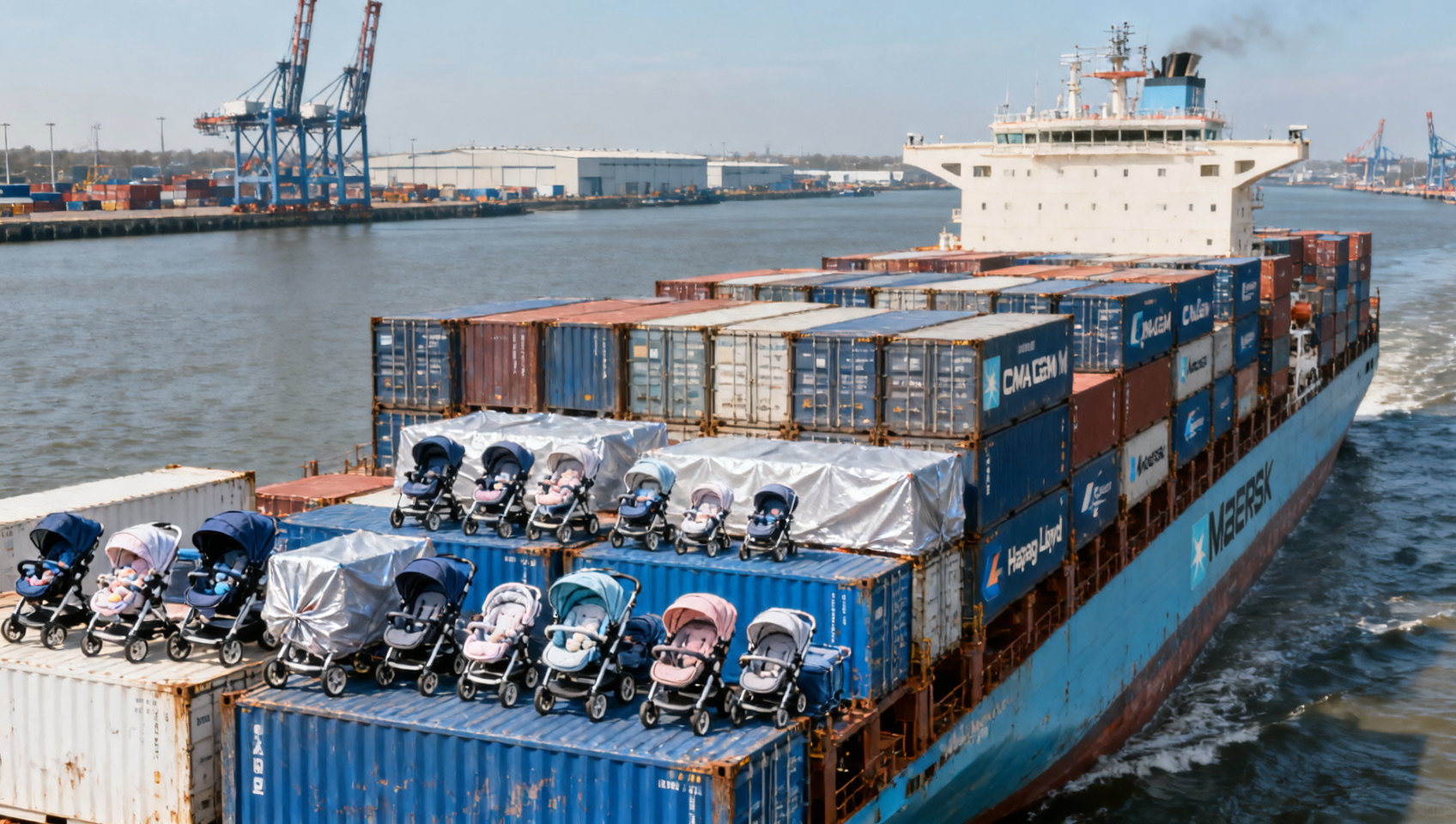
 Baby Gear & StrollersApr 27, 2026Global Shipping Alliances Cut Shanghai–Rotterdam Capacity by 15%Global shipping alliances cut Shanghai–Rotterdam capacity by 15%—impacting baby strollers & gear exporters, EU retailers, and forwarders. Act now to secure space, assess rail/air alternatives, and build resilient supply chains.
 Camping & WaterApr 27, 2026SASO IEC 62368-3:2026 Released for GCC: IP6X Dust Testing Required for Camping & Water PumpsSASO IEC 62368-3:2026 now mandates IP6X dust testing for camping & water pumps in GCC — act now to avoid customs delays and ensure compliance by Oct 1, 2026.
 Nursery Furniture & MonitorsApr 27, 2026Indonesia BPOM Fast-Tracks Baby Monitor Registration to 14 Working DaysIndonesia BPOM Fast-Tracks Baby Monitor Registration to 14 working days—leverage CNAS reports & ID-SNI 7203:2025 for rapid market entry.
 Corporate & Seasonal GiftsApr 27, 2026TÜV Rheinland Releases Sustainable Gift Packaging White Paper 2026Sustainable gift packaging white paper 2026 by TÜV Rheinland: New LCA rules for VOCs, container loading & last-mile transport — act now to meet IKEA, Douglas Q3 2026 requirements.
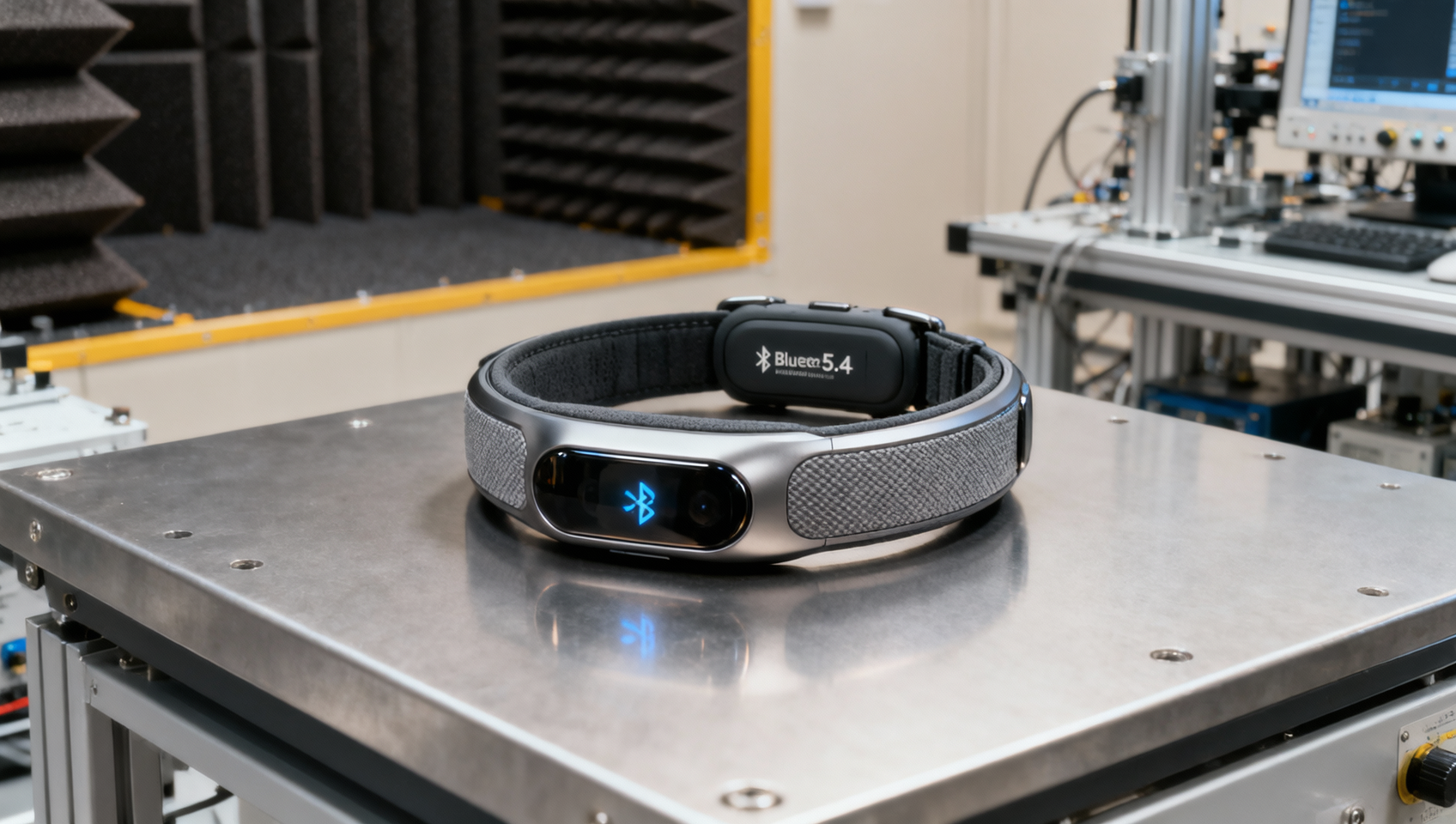
 Smart Pet DevicesApr 27, 2026JETRO Summer Inspection: Smart Pet Collars Must Pass JIS T 1002:2026 Bluetooth TestSmart Pet Collars must pass JIS T 1002:2026 Bluetooth 5.4 coexistence testing for JETRO’s 2026 summer inspection — avoid delays, recalls & lost sales in Japan.
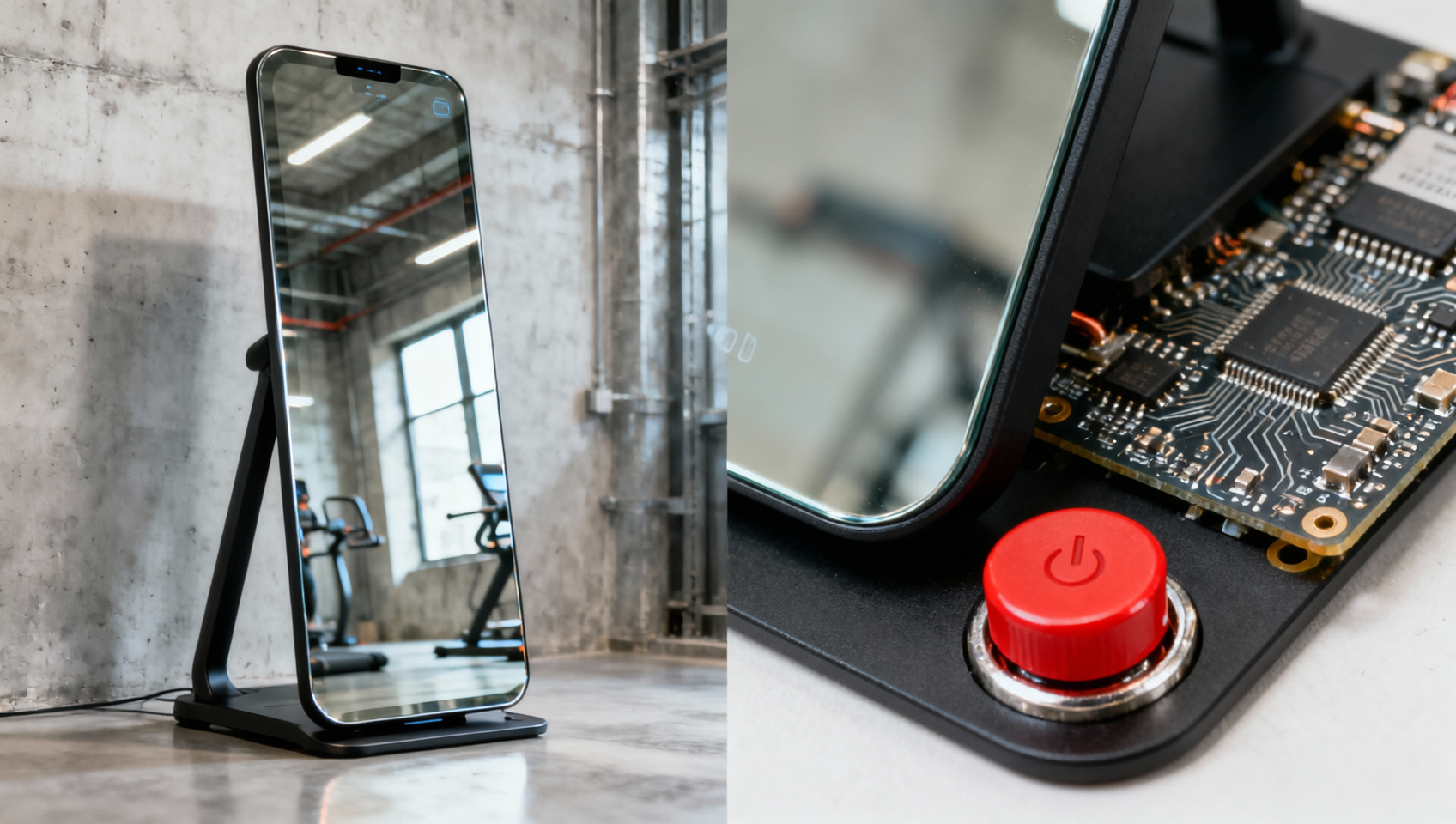
 Fitness EquipmentApr 27, 2026CPSC Mandates Emergency Stop & Thermal Cutoff for US Fitness MirrorsCPSC mandates emergency stop & thermal cutoff for US fitness mirrors—urgent compliance required by July 2026. Learn implications for OEMs, importers & suppliers.
 STEM & Educational ToysApr 27, 2026SASO Updates Toy Certification: EN71-3:2026 for STEM Toys in Saudi ArabiaSASO EN71-3:2026 toy certification now mandatory for STEM toys in Saudi Arabia—nickel, cobalt & antimony limits tightened. Act before Aug 1, 2026!
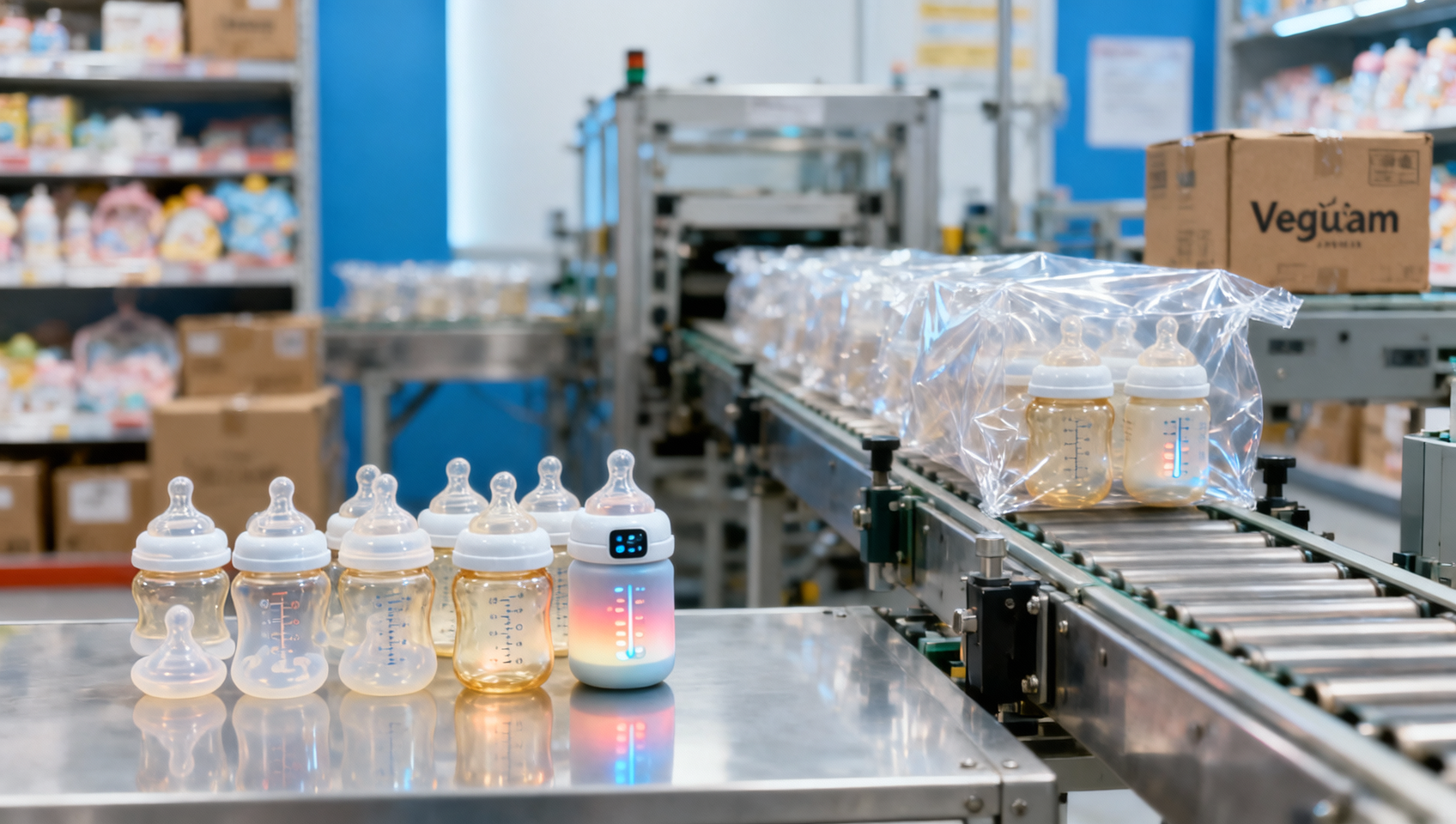
 Infant Feeding & CareApr 27, 2026RCEP Update: Vietnam Cuts Tariffs on Silicone Nipples, Smart Bottles from ChinaRCEP Update: Vietnam cuts tariffs on silicone nipples & smart bottles from China—save 9–13% import costs starting May 1, 2026. Act now!
 Beauty DevicesApr 27, 2026EU EPR Carbon Fee for Smart Beauty Devices Starts June 2026EU EPR Carbon Fee for Smart Beauty Devices starts June 2026 — learn how the new Green Packaging Regulation Fee impacts OEMs, suppliers & EU importers.
 Skincare OEMApr 27, 2026FDA CPIS Mandate Effective July 2026 for US Cosmetic ImportsFDA CPIS mandate takes effect July 2026—learn how skincare OEMs, cosmetic exporters & U.S. importers must comply to avoid shipment delays and entry denials.
 Beauty DevicesApr 26, 2026Global Li-ion Recycling Rate Hits 62%: Beauty Device Battery BOM Cost Down 9%Li-ion recycling hits 62% globally—cutting beauty device battery BOM costs by 9% and lead times to 6 weeks. Act now to boost export agility & margins.
") Smart Pet DevicesApr 26, 2026Vietnam Enforces New Smart Pet Collar Standard (QCVN 135:2026)Vietnam Enforces New Smart Pet Collar Standard (QCVN 135:2026): Bluetooth 5.4 resilience & native Vietnamese voice prompts required by July 1, 2026 — act now to avoid customs delays!
Smart Pet DevicesApr 26, 2026Vietnam Enforces New Smart Pet Collar Standard (QCVN 135:2026)Vietnam Enforces New Smart Pet Collar Standard (QCVN 135:2026): Bluetooth 5.4 resilience & native Vietnamese voice prompts required by July 1, 2026 — act now to avoid customs delays! Nursery Furniture & MonitorsApr 26, 2026Shanghai International Logistics Procurement Expo 2026 ClosesShanghai International Logistics Procurement Expo 2026 closed—AI-powered smart infant & pet health devices led procurement demand. Discover key trends, buyer priorities & 2027 outlook.