
Wholesale Shaving Razors: Common Quality Issues to Avoid
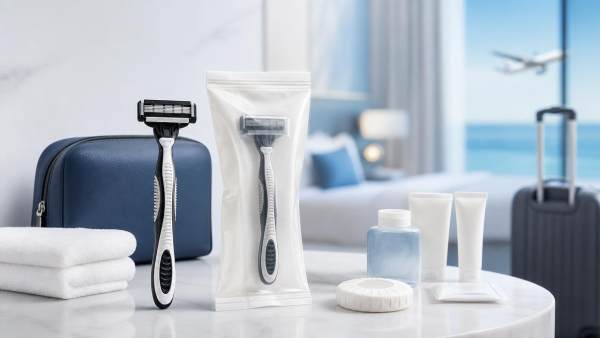
When sourcing wholesale shaving razors, hidden quality failures can quietly undermine guest satisfaction, travel retail reputation, and repeat business. In travel services, grooming products often appear in hotel amenities, airline kits, cruise cabins, resort stores, and destination convenience packs.
That makes quality control more than a product concern. It becomes a service experience issue. Poor blade sharpness, fragile handles, and weak packaging can trigger complaints, waste, and negative brand impressions during short, high-expectation trips.
This guide explains which quality issues to avoid in wholesale shaving razors, why these risks are increasing, and how travel-focused sourcing decisions can protect service standards while improving long-term supply reliability.
Travel hospitality is raising the quality bar for wholesale shaving razors
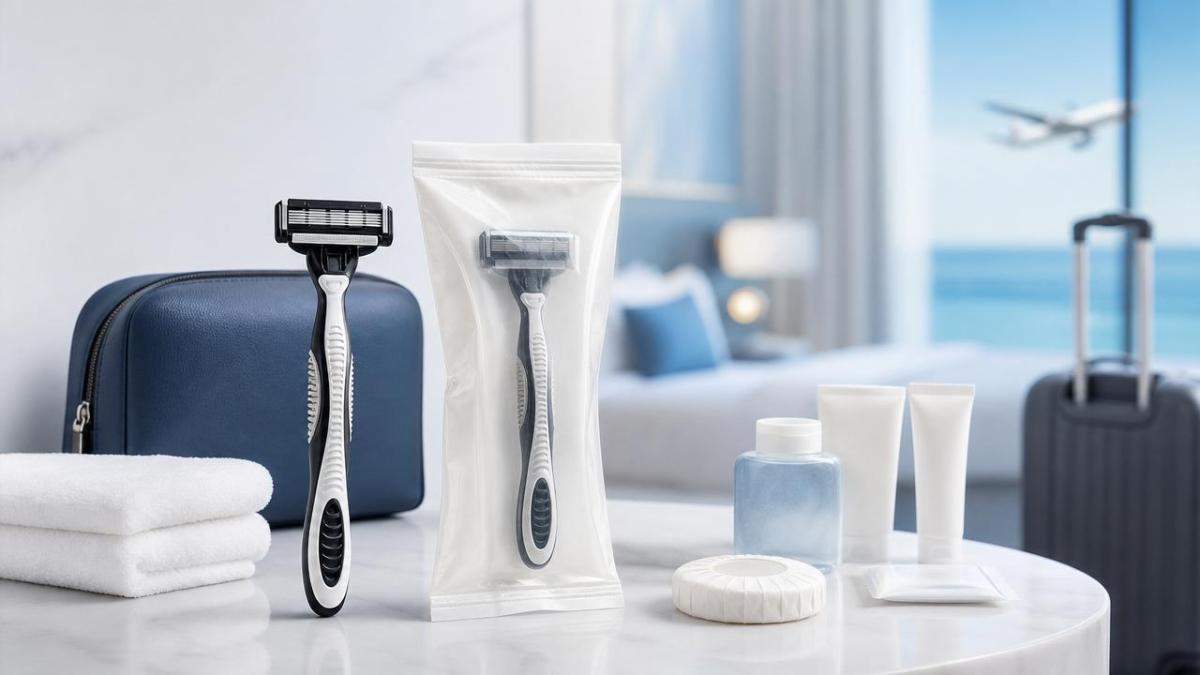
Across tourism and hospitality, disposable grooming products are no longer treated as basic extras. Guests increasingly compare every touchpoint, including shaving kits, with the standards of premium retail and personal care brands.
At the same time, travel service operators face pressure to control costs, reduce waste, and maintain hygiene confidence. This creates a tighter sourcing environment for wholesale shaving razors and related travel amenity products.
Quality gaps that once seemed minor now affect review scores, housekeeping efficiency, and amenity replacement rates. A razor that fails during a one-night stay can create a stronger negative memory than expected.
Why this shift matters now
- Travelers expect clean, safe, and reliable personal care items.
- Short stays increase the need for instant product performance.
- Travel retail packs demand stronger packaging durability.
- Sustainability goals are pushing better material choices.
- Online reviews amplify small service failures very quickly.
The most common quality issues in wholesale shaving razors are becoming easier to spot
Several recurring defects appear in low-grade wholesale shaving razors. In travel settings, these defects are especially costly because products must perform immediately, safely, and consistently across high-volume guest turnover.
1. Inconsistent blade sharpness
Uneven sharpening leads to pulling, skin irritation, and poor first-use experience. In hotel or airline kits, users rarely get a second chance to replace a weak razor without frustration.
Blade inconsistency often signals poor grinding control, weak steel quality, or insufficient final inspection. For wholesale shaving razors, this remains one of the most serious hidden performance issues.
2. Weak handle construction
Handles may crack, bend, or detach under pressure. Lightweight travel designs are acceptable, but structural weakness is not. Failure here damages user confidence immediately.
This issue becomes more likely when low-grade plastics, poor mold precision, or weak blade-head attachment methods are used in wholesale shaving razors.
3. Poor lubrication strip performance
A low-quality strip may dry out, detach, or offer no glide benefit. In dry cabin air, resort heat, or long storage cycles, these failures become more visible.
4. Packaging that fails in transit or storage
Travel service channels often involve bulk shipment, humidity changes, and frequent handling. Torn pouches, crushed cartons, or loose blade covers create hygiene concerns and presentation problems.
5. Safety and compliance gaps
Missing material disclosures, unclear labeling, or poor traceability can disrupt cross-border amenity sourcing. In regulated travel supply environments, documentation quality matters almost as much as product quality.
The drivers behind these razor quality problems reflect broader travel supply chain pressure
The rise in quality risks is not random. It usually comes from cost compression, fragmented production, and rushed demand cycles. These factors are affecting wholesale shaving razors across many travel-linked supply programs.
Quality failures in wholesale shaving razors affect more than product cost
In tourism and hospitality, a razor is part of the service promise. When wholesale shaving razors fail, the consequences spread into operations, guest sentiment, and brand consistency.
A damaged razor pack can slow room preparation. A dull blade can prompt service desk complaints. A visibly cheap product can weaken premium positioning in resorts, cruise suites, and executive travel programs.
- Higher amenity waste due to damaged or rejected units
- More emergency replacements during guest stays
- Reduced perception of hygiene and care quality
- Increased risk during cross-border sourcing audits
- Weaker retail sell-through in travel convenience channels
The smartest evaluation focus is shifting from unit price to service-fit reliability
For travel service applications, good wholesale shaving razors should match real usage conditions, not just sample appearance. Reliable evaluation needs to look at product performance after transport, storage, and immediate guest use.
Key points worth close attention
- Blade sharpness consistency across different production batches
- Handle rigidity, grip comfort, and head attachment strength
- Protective cap fit and blade exposure safety
- Lubrication strip stability after storage and climate changes
- Primary packaging resistance to crushing and moisture
- Batch coding, traceability, and compliance documentation completeness
- Material suitability for sustainability or reduced-plastic initiatives
A practical response plan can reduce quality risk before wholesale shaving razors reach guests
The best prevention method is to build quality review around travel use scenarios. Airport kits, hotel amenities, cruise cabins, and tour welcome packs all create different stress points.
A useful decision lens for travel service supply
- Define the travel scenario clearly.
- Match razor quality to guest expectation level.
- Compare total service cost, not only purchase cost.
- Review supplier consistency over time.
- Keep documentation ready for regional compliance checks.
The next competitive edge in wholesale shaving razors will come from trust, durability, and fit for travel use
The market for wholesale shaving razors is moving beyond simple low-cost sourcing. In travel services, the stronger advantage lies in dependable quality, resilient packaging, and alignment with premium guest expectations.
Avoiding common defects early helps protect both service reputation and operating efficiency. It also supports cleaner brand presentation across hotels, airlines, cruise programs, and travel retail shelves.
The most effective next step is to reassess current razor specifications against actual travel conditions. Focus on batch consistency, transit durability, and compliance readiness before expanding any future wholesale shaving razors program.
Related Intelligence
 Skincare OEMAug 16, 2026Amazon Enforces AI Human Metadata Rule for Beauty and Personal Care SellersAmazon now enforces AI human metadata rules for beauty sellers. Learn how to protect listings, traffic, and compliance in skincare, cosmetics, and beauty devices.
 Beauty DevicesAug 15, 2026China to Roll Out Nationwide Cross-Border Cash Pooling for MultinationalsChina to roll out nationwide cross-border cash pooling for multinationals from Sept. 14. Discover how this policy could improve treasury efficiency, liquidity management, and China-linked supply chains.
 Beauty DevicesAug 14, 2026China Imposes Temporary Export Ban on Helium, Affecting Cooling Supply ChainsChina's temporary helium export ban may disrupt cooling supply chains for beauty RF devices and laser systems. Learn what ODMs, buyers, and procurement teams should check now.
![]() Cosmetics & PkgAug 13, 2026PPWR becomes mandatory: Beauty and personal care packaging materials usher in new EPR and PFAS compliance requirementsPPWR takes effect for cosmetics packaging in the EU, bringing EPR registration and PFAS limits. Learn what brands, importers, and suppliers must do now.
Cosmetics & PkgAug 13, 2026PPWR becomes mandatory: Beauty and personal care packaging materials usher in new EPR and PFAS compliance requirementsPPWR takes effect for cosmetics packaging in the EU, bringing EPR registration and PFAS limits. Learn what brands, importers, and suppliers must do now. Cosmetics & PkgAug 12, 2026EU PPWR Now Enforced for Beauty Packaging ComplianceEU PPWR now enforced for beauty packaging compliance: learn how EPR, ERN, heavy metals and PFAS rules affect EU exports, customs clearance and platform sales.
 Cosmetics & PkgAug 11, 2026EU PPWR Rules Take Effect on Aug. 12 for Beauty PackagingEU PPWR rules for beauty packaging take effect on Aug. 12, 2026. Learn key compliance steps, EPR, labeling, PFAS limits, and how to avoid customs delays and fines.
 Smart Pet DevicesAug 10, 2026EU EPR Rules to Cover Smart Pet Devices on Aug. 15EU EPR Rules will cover smart pet devices from Aug. 15, 2026. Learn how smart collars, feeders, and monitoring devices can avoid delisting, customs delays, and compliance risks in the EU.
 Infant Feeding & CareAug 09, 2026CPSC Recalls Baby Sleep Sacks Over Undeclared TDCPPCPSC Recalls Baby Sleep Sacks Over Undeclared TDCPP: learn how this 2026 recall impacts CPC documents, third-party testing, and U.S. baby product compliance for exporters.
 Infant Feeding & CareAug 08, 2026ECHA Adds 5 SVHCs, Importer Notices Due From Oct 2026ECHA adds 5 SVHCs to the Candidate List, with importer notices due from October 2026. Learn how REACH affects exporters, supply chains, and documentation readiness.
 Baby Gear & StrollersAug 07, 2026CPSC Revises Crib Rail Standard for November 2026CPSC revises crib rail standard for November 2026, adding dynamic impact tests and mandatory third-party lab testing. Learn how the new rule affects U.S. market access, compliance, and shipments.
 Electronic & RC ToysAug 06, 2026EU to Require EN IEC 62115:2025 for Electronic ToysEU to Require EN IEC 62115:2025 for Electronic Toys from Oct 1, 2026. Learn scope, battery and AI safety updates, CE compliance risks, and how exporters can avoid customs delays.
 Baby Gear & StrollersAug 05, 2026US Stroller Stability Rule Takes Effect Aug. 15US Stroller Stability Rule Takes Effect Aug. 15: learn how new U.S. stroller compliance, ASTM F833-26a, and CPSC testing rules may affect imports, certification, and shipment readiness.
 Infant Feeding & CareAug 04, 2026ECHA Adds 5 SVHCs, Triggering Baby Care Export ReviewECHA adds 5 SVHCs, prompting an urgent baby care export review for EU-bound products. Learn the 0.1% threshold risks, compliance steps, and how to avoid customs delays and fines.












