
Jade Roller Wholesale Cost Breakdown for 2026 Planning
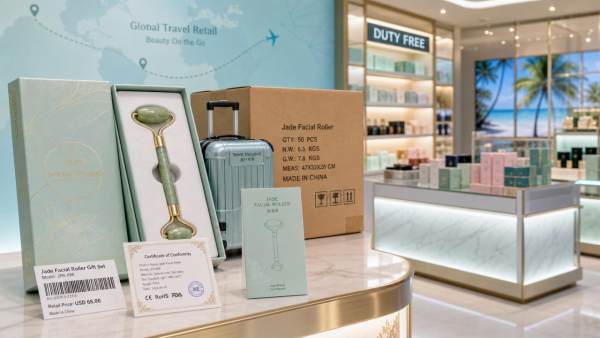
For finance planning in travel retail, the real jade roller wholesale cost is never just the unit price. It includes stone grade, workmanship, packaging, certifications, freight, duties, damage rates, and replenishment timing. When spa resorts, airport shops, destination boutiques, and wellness-focused hotel brands prepare 2026 budgets, understanding this structure helps prevent margin loss. It also supports better assortment planning, smoother supplier talks, and more reliable profitability across seasonal tourism demand.
What does jade roller wholesale really include in 2026 cost planning?
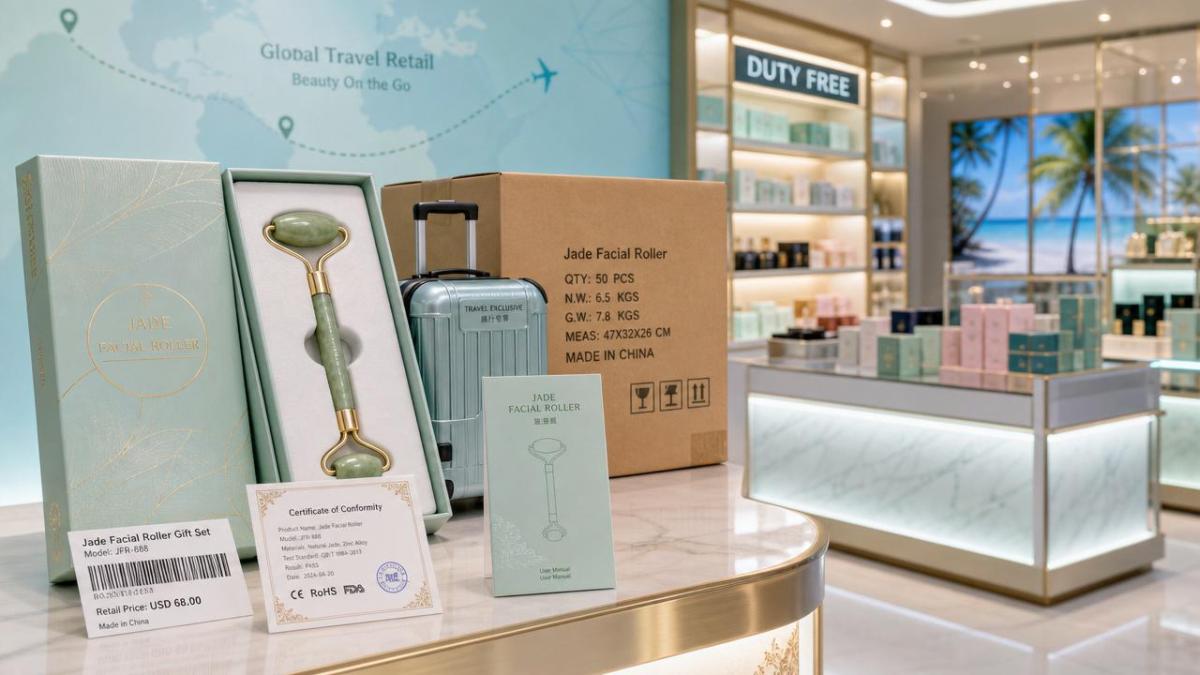
A jade roller wholesale quote usually starts with the visible product cost. That is only the first layer. Travel service businesses often face additional costs tied to display readiness and cross-border delivery.
The full landed cost normally includes raw stone, metal frame, labor, finishing, logo application, inner box, outer carton, inspection, freight, insurance, import taxes, and replacement allowance.
For tourism channels, packaging matters more than many expect. Giftable presentation can improve conversion in hotel spas and museum shops, yet it may sharply raise jade roller wholesale spending.
Typical cost layers to review
- Stone material and grade consistency
- Handle, bracket, and roller assembly quality
- Branding, inserts, barcodes, and multilingual labeling
- Compliance documents and test reports
- International shipping and destination surcharges
- Breakage reserve and after-sales replacement stock
A low ex-factory price can become expensive after freight and repacking. That is why jade roller wholesale decisions should be made on landed cost per saleable unit, not on piece price alone.
Which product factors drive jade roller wholesale pricing the most?
Raw material quality is often the largest driver. Some rollers use true jade, while others use serpentine, quartz, aventurine, or mixed stones marketed under broader beauty-tool language.
Color uniformity affects perceived luxury. Destination retail usually benefits from visually consistent stones because tourists often make quick, appearance-led purchase decisions.
The metal frame also matters. Zinc alloy, brass, stainless steel, and plated options carry different costs, corrosion resistance, and long-term durability, especially in humid spa environments.
Main pricing variables
- Stone authenticity and grade sorting
- Roller smoothness and noise control
- Frame thickness and plating quality
- Logo engraving or custom gift packaging
- Bundle additions such as gua sha tools or pouches
If the item is designed for hotel room retail or spa treatment upsell, presentation usually justifies a higher jade roller wholesale budget. If it is for excursion gift shops, simpler packs may produce better margins.
How do packaging, branding, and compliance change total cost?
Packaging can shift costs dramatically. A plain polybag protects the item cheaply, but it rarely supports premium pricing in travel wellness retail.
Rigid boxes, magnetic closures, molded inserts, and travel-ready sleeves increase both packaging cost and shipping weight. The right choice depends on sales channel and average transaction value.
Branding adds another layer. Foil stamping, multilingual inserts, QR codes for ritual guides, and destination-specific storytelling can improve conversion, especially in resort boutiques.
Compliance may be overlooked because jade rollers are not powered devices. Still, packaging claims, material declarations, labeling accuracy, and destination market rules can create hidden cost exposure.
Where extra cost often appears
- Drop-test upgrades for travel distribution
- Retail barcode printing and carton labeling
- Sustainability claims requiring support documents
- Country-specific warning text or importer information
When comparing jade roller wholesale offers, a branded, shelf-ready kit may be more economical than a basic unit requiring local relabeling and repacking after arrival.
How should travel service businesses compare MOQ, logistics, and seasonality?
Minimum order quantity has a direct impact on working capital. A lower MOQ often raises the unit cost, but it can reduce dead stock in tourism locations with uneven demand.
Seasonality matters in travel services. Peak vacation periods, wellness retreats, cruise retail windows, and holiday gifting cycles all influence reorder timing.
Sea freight usually lowers landed jade roller wholesale cost for large volumes. Air freight may protect in-season sales, yet it can erase margin on lower-priced SKUs.
Fragility risk should also be modeled. Jade rollers are compact, but not immune to cracking, loose brackets, or chipped stones during long transit.
A practical comparison table
For many travel retail programs, the best jade roller wholesale strategy combines moderate MOQ, durable packaging, and replenishment flexibility before peak visitor months.
What common mistakes increase jade roller wholesale cost after ordering?
The biggest mistake is buying against sample quality rather than production consistency. A polished pre-production sample may not reflect batch-level stone appearance or assembly tolerances.
Another issue is underestimating packaging damage. In travel service channels, damaged gift boxes reduce retail appeal immediately, even when the product remains usable.
Some programs also overspend by adding too many decorative elements. Heavy boxes, mirrors, inserts, and unnecessary accessories can increase shipping cost faster than sell-through.
Claims risk is another trap. If marketing language suggests therapeutic outcomes without support, relabeling or customs delays may add unplanned cost and timing pressure.
Risk checklist before approval
- Confirm stone type and acceptable color variance
- Request packaging drop-test details
- Check replacement ratio policy for breakage
- Review labeling and claim language by market
- Match delivery dates to tourism season peaks
How can 2026 budgeting for jade roller wholesale become more accurate?
Start with a total-cost model, not a quote sheet. Build a range for base unit cost, premium packaging, freight shifts, import charges, and expected replacement stock.
Next, connect cost assumptions to channel realities. Airport retail, spa boutiques, cruise shops, and destination gift stores each need different margins and presentation levels.
It also helps to separate must-have costs from optional upgrades. This makes supplier negotiation clearer and prevents budget drift during sample revisions.
Suggested budgeting framework
A disciplined jade roller wholesale plan should also include lead-time tolerance. Late arrival before a high-travel season can be more costly than a slightly higher unit price.
Quick FAQ: what should be asked before confirming jade roller wholesale terms?
Ask whether the stone is natural, blended, or substituted. Material transparency affects both price integrity and marketing accuracy.
Ask how many units fit safely per carton. Carton optimization directly influences freight efficiency and breakage rate.
Ask what packaging is included in the quoted jade roller wholesale price. Never assume inserts, sleeves, or barcode stickers are standard.
Ask for a batch tolerance standard. Color differences and small assembly variations should be defined before production begins.
Ask what happens if peak-season replenishment is needed. Flexibility can be as valuable as a discount in travel retail programs.
In 2026 planning, smart jade roller wholesale decisions depend on seeing the complete cost picture. For travel service brands and retail-linked tourism channels, the right balance is not the cheapest quote. It is the offer that protects presentation, timing, resilience, and margin. Build budgets using landed cost, packaging fit, seasonal demand, and risk reserves, then move to supplier discussions with a clear cost framework and measurable approval criteria.
Related Intelligence
 Skincare OEMAug 16, 2026Amazon Enforces AI Human Metadata Rule for Beauty and Personal Care SellersAmazon now enforces AI human metadata rules for beauty sellers. Learn how to protect listings, traffic, and compliance in skincare, cosmetics, and beauty devices.
 Beauty DevicesAug 15, 2026China to Roll Out Nationwide Cross-Border Cash Pooling for MultinationalsChina to roll out nationwide cross-border cash pooling for multinationals from Sept. 14. Discover how this policy could improve treasury efficiency, liquidity management, and China-linked supply chains.
 Beauty DevicesAug 14, 2026China Imposes Temporary Export Ban on Helium, Affecting Cooling Supply ChainsChina's temporary helium export ban may disrupt cooling supply chains for beauty RF devices and laser systems. Learn what ODMs, buyers, and procurement teams should check now.
![]() Cosmetics & PkgAug 13, 2026PPWR becomes mandatory: Beauty and personal care packaging materials usher in new EPR and PFAS compliance requirementsPPWR takes effect for cosmetics packaging in the EU, bringing EPR registration and PFAS limits. Learn what brands, importers, and suppliers must do now.
Cosmetics & PkgAug 13, 2026PPWR becomes mandatory: Beauty and personal care packaging materials usher in new EPR and PFAS compliance requirementsPPWR takes effect for cosmetics packaging in the EU, bringing EPR registration and PFAS limits. Learn what brands, importers, and suppliers must do now. Cosmetics & PkgAug 12, 2026EU PPWR Now Enforced for Beauty Packaging ComplianceEU PPWR now enforced for beauty packaging compliance: learn how EPR, ERN, heavy metals and PFAS rules affect EU exports, customs clearance and platform sales.
 Cosmetics & PkgAug 11, 2026EU PPWR Rules Take Effect on Aug. 12 for Beauty PackagingEU PPWR rules for beauty packaging take effect on Aug. 12, 2026. Learn key compliance steps, EPR, labeling, PFAS limits, and how to avoid customs delays and fines.
 Smart Pet DevicesAug 10, 2026EU EPR Rules to Cover Smart Pet Devices on Aug. 15EU EPR Rules will cover smart pet devices from Aug. 15, 2026. Learn how smart collars, feeders, and monitoring devices can avoid delisting, customs delays, and compliance risks in the EU.
 Infant Feeding & CareAug 09, 2026CPSC Recalls Baby Sleep Sacks Over Undeclared TDCPPCPSC Recalls Baby Sleep Sacks Over Undeclared TDCPP: learn how this 2026 recall impacts CPC documents, third-party testing, and U.S. baby product compliance for exporters.
 Infant Feeding & CareAug 08, 2026ECHA Adds 5 SVHCs, Importer Notices Due From Oct 2026ECHA adds 5 SVHCs to the Candidate List, with importer notices due from October 2026. Learn how REACH affects exporters, supply chains, and documentation readiness.
 Baby Gear & StrollersAug 07, 2026CPSC Revises Crib Rail Standard for November 2026CPSC revises crib rail standard for November 2026, adding dynamic impact tests and mandatory third-party lab testing. Learn how the new rule affects U.S. market access, compliance, and shipments.
 Electronic & RC ToysAug 06, 2026EU to Require EN IEC 62115:2025 for Electronic ToysEU to Require EN IEC 62115:2025 for Electronic Toys from Oct 1, 2026. Learn scope, battery and AI safety updates, CE compliance risks, and how exporters can avoid customs delays.
 Baby Gear & StrollersAug 05, 2026US Stroller Stability Rule Takes Effect Aug. 15US Stroller Stability Rule Takes Effect Aug. 15: learn how new U.S. stroller compliance, ASTM F833-26a, and CPSC testing rules may affect imports, certification, and shipment readiness.
 Infant Feeding & CareAug 04, 2026ECHA Adds 5 SVHCs, Triggering Baby Care Export ReviewECHA adds 5 SVHCs, prompting an urgent baby care export review for EU-bound products. Learn the 0.1% threshold risks, compliance steps, and how to avoid customs delays and fines.












