
New National Standard for Air Purifiers Strengthens 'Disinfection License' Requirements: Air Disinfection Machines Exported to Southeast Asia/Middle East Must Simultaneously Meet China's 'Active Disinfection' Standards and Local Medical Device Access
Introduction
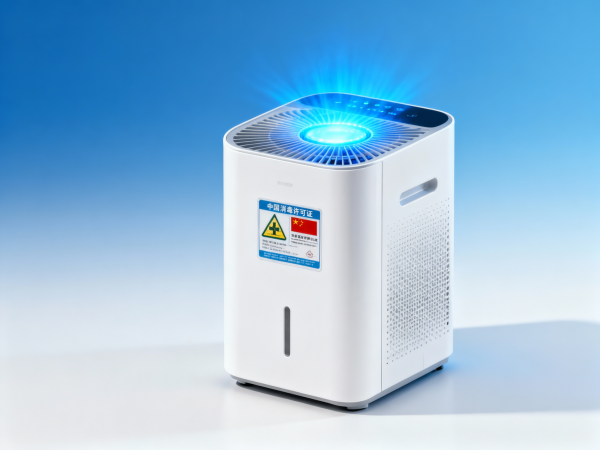
On March 28, 2026, authoritative media cited interpretations from market regulatory authorities, revealing that the new national standard for air purifiers mandates 'active disinfection capability without secondary pollution' as a compulsory threshold for air disinfection machines, alongside 'disinfection license' certification requirements. This standard is being referenced by emerging markets such as Indonesia's BPOM and the UAE's MOHAP. For overseas importers of air disinfection equipment for beauty salons targeting Southeast Asia and the Middle East, Chinese suppliers already certified under this standard will significantly shorten local registration cycles and reduce compliance costs. This development is particularly relevant for manufacturers, exporters, and regulatory compliance professionals in the air purification and disinfection equipment industry.
Event Overview
The new national standard for air purifiers, announced on March 28, 2026, explicitly requires air disinfection machines to have 'active disinfection capability without secondary pollution' and mandates 'disinfection license' certification. The standard is being adopted as a reference by regulatory bodies in Indonesia (BPOM) and the UAE (MOHAP). This move is expected to streamline the registration process and lower compliance costs for Chinese suppliers exporting air disinfection equipment to these regions.
Impact on Specific Sub-Industries
Direct Trade Enterprises
Exporters of air disinfection machines to Southeast Asia and the Middle East will benefit from reduced registration times and lower compliance costs if their suppliers are already certified under the new Chinese standard. However, they must also ensure that their products meet local medical device regulations in the target markets.
Manufacturing Enterprises
Manufacturers of air disinfection equipment must now incorporate active disinfection capabilities without secondary pollution into their products. Compliance with the new standard will be a competitive advantage, especially for those targeting export markets.
Regulatory Compliance Professionals
Professionals responsible for ensuring compliance with international standards will need to stay updated on both the new Chinese standard and evolving regulations in Southeast Asia and the Middle East. This dual focus will be critical for seamless market entry.
Key Focus Areas and Recommended Actions
Monitor Regulatory Updates
Stay informed about any further clarifications or changes to the new national standard and its adoption by international regulatory bodies.
Prioritize Certification
Manufacturers should prioritize obtaining certification under the new standard to gain a competitive edge in export markets.
Dual Compliance Strategy
Ensure that products meet both the new Chinese standard and local medical device regulations in target markets to avoid delays and additional costs.
Editor's Perspective / Industry Observation
From an industry perspective, the new standard represents a significant step towards harmonizing air disinfection machine regulations across China and emerging markets. However, it is more of a signal than a finalized outcome, as local adoption and implementation may vary. The industry should view this as an opportunity to align product development and compliance strategies with both domestic and international requirements.
Conclusion
The new national standard for air purifiers underscores the importance of active disinfection capabilities and regulatory compliance in the air disinfection equipment industry. For manufacturers and exporters, this development offers both challenges and opportunities. By focusing on certification and dual compliance, businesses can navigate the evolving regulatory landscape and capitalize on emerging market opportunities.
Source Information
Primary Source: Market regulatory authorities as cited by authoritative media on March 28, 2026. Ongoing monitoring of local regulatory adoptions in Southeast Asia and the Middle East is recommended.
Related Intelligence
 Skincare OEMAug 16, 2026Amazon Enforces AI Human Metadata Rule for Beauty and Personal Care SellersAmazon now enforces AI human metadata rules for beauty sellers. Learn how to protect listings, traffic, and compliance in skincare, cosmetics, and beauty devices.
 Beauty DevicesAug 15, 2026China to Roll Out Nationwide Cross-Border Cash Pooling for MultinationalsChina to roll out nationwide cross-border cash pooling for multinationals from Sept. 14. Discover how this policy could improve treasury efficiency, liquidity management, and China-linked supply chains.
 Beauty DevicesAug 14, 2026China Imposes Temporary Export Ban on Helium, Affecting Cooling Supply ChainsChina's temporary helium export ban may disrupt cooling supply chains for beauty RF devices and laser systems. Learn what ODMs, buyers, and procurement teams should check now.
![]() Cosmetics & PkgAug 13, 2026PPWR becomes mandatory: Beauty and personal care packaging materials usher in new EPR and PFAS compliance requirementsPPWR takes effect for cosmetics packaging in the EU, bringing EPR registration and PFAS limits. Learn what brands, importers, and suppliers must do now.
Cosmetics & PkgAug 13, 2026PPWR becomes mandatory: Beauty and personal care packaging materials usher in new EPR and PFAS compliance requirementsPPWR takes effect for cosmetics packaging in the EU, bringing EPR registration and PFAS limits. Learn what brands, importers, and suppliers must do now. Cosmetics & PkgAug 12, 2026EU PPWR Now Enforced for Beauty Packaging ComplianceEU PPWR now enforced for beauty packaging compliance: learn how EPR, ERN, heavy metals and PFAS rules affect EU exports, customs clearance and platform sales.
 Cosmetics & PkgAug 11, 2026EU PPWR Rules Take Effect on Aug. 12 for Beauty PackagingEU PPWR rules for beauty packaging take effect on Aug. 12, 2026. Learn key compliance steps, EPR, labeling, PFAS limits, and how to avoid customs delays and fines.
 Smart Pet DevicesAug 10, 2026EU EPR Rules to Cover Smart Pet Devices on Aug. 15EU EPR Rules will cover smart pet devices from Aug. 15, 2026. Learn how smart collars, feeders, and monitoring devices can avoid delisting, customs delays, and compliance risks in the EU.
 Infant Feeding & CareAug 09, 2026CPSC Recalls Baby Sleep Sacks Over Undeclared TDCPPCPSC Recalls Baby Sleep Sacks Over Undeclared TDCPP: learn how this 2026 recall impacts CPC documents, third-party testing, and U.S. baby product compliance for exporters.
 Infant Feeding & CareAug 08, 2026ECHA Adds 5 SVHCs, Importer Notices Due From Oct 2026ECHA adds 5 SVHCs to the Candidate List, with importer notices due from October 2026. Learn how REACH affects exporters, supply chains, and documentation readiness.
 Baby Gear & StrollersAug 07, 2026CPSC Revises Crib Rail Standard for November 2026CPSC revises crib rail standard for November 2026, adding dynamic impact tests and mandatory third-party lab testing. Learn how the new rule affects U.S. market access, compliance, and shipments.
 Electronic & RC ToysAug 06, 2026EU to Require EN IEC 62115:2025 for Electronic ToysEU to Require EN IEC 62115:2025 for Electronic Toys from Oct 1, 2026. Learn scope, battery and AI safety updates, CE compliance risks, and how exporters can avoid customs delays.
 Baby Gear & StrollersAug 05, 2026US Stroller Stability Rule Takes Effect Aug. 15US Stroller Stability Rule Takes Effect Aug. 15: learn how new U.S. stroller compliance, ASTM F833-26a, and CPSC testing rules may affect imports, certification, and shipment readiness.
 Infant Feeding & CareAug 04, 2026ECHA Adds 5 SVHCs, Triggering Baby Care Export ReviewECHA adds 5 SVHCs, prompting an urgent baby care export review for EU-bound products. Learn the 0.1% threshold risks, compliance steps, and how to avoid customs delays and fines.












