
Brand Manufacturing or ODM? A Faster Gift Launch Guide
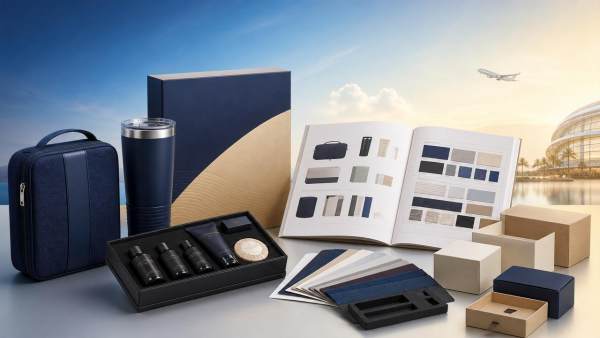
Choosing between brand manufacturing and ODM can shape how quickly a gift idea becomes a retail-ready product for travel service channels.
The right model affects launch speed, packaging control, compliance, margins, and seasonal timing.
For tourism-focused businesses, gift lines often support hotel retail, airport stores, destination shops, loyalty programs, and event merchandising.
This guide explains how brand manufacturing and ODM compare, when each works best, and how to reduce delays during product launch.
What does brand manufacturing mean for travel gift launches?
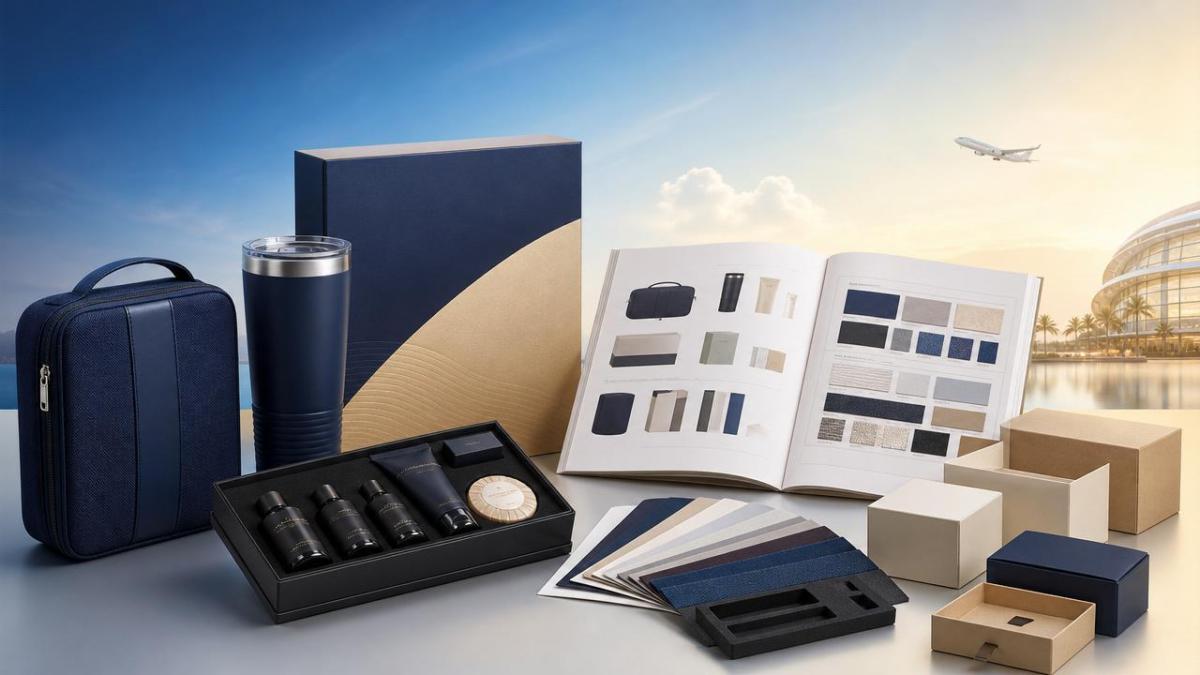
Brand manufacturing usually means building a product around your own concept, specifications, packaging language, and market position.
In many cases, brand manufacturing uses OEM-style production with deeper ownership over product identity.
For travel service retail, this model fits souvenir upgrades, resort-branded gift kits, premium amenity sets, and destination-exclusive collections.
The main strength of brand manufacturing is control.
You can define materials, colors, inserts, bundles, and storytelling that match local culture or brand experience.
That matters when gift products must feel unique to a route, attraction, hotel group, or travel season.
However, brand manufacturing often takes longer than ODM.
Sampling rounds, artwork approvals, packaging revisions, and testing can extend development time.
If a holiday window is short, the timeline risk becomes significant.
Where brand manufacturing performs best
- Destination-specific souvenir programs
- Luxury travel amenity boxes
- Corporate travel gifting with strict visual identity
- Seasonal retail collections tied to campaigns
- Products requiring unique compliance or sustainability claims
How is ODM different, and why is it usually faster?
ODM means choosing from supplier-developed products, then adapting them with your logo, packaging, or minor feature changes.
The factory already owns the base design, tooling, and often the production workflow.
That shortens development dramatically.
Instead of starting from zero, you begin with a ready product architecture.
For travel service channels, ODM works well when the priority is speed, budget control, and broad market fit.
Examples include travel organizers, giftable drinkware, plush items, small toys, portable accessories, and impulse-purchase souvenirs.
The key advantage is fast market entry.
Many ODM suppliers already understand testing, labeling, packaging sizes, and logistics requirements for export markets.
That can help avoid rework when launching across airports, cruise channels, or international hotel retail.
Typical ODM speed advantages
- Shorter sample lead times
- Lower design investment
- Fewer technical revisions
- Easier MOQ planning
- Faster replacement or repeat orders
Which model supports faster gift launches without hurting brand value?
The answer depends on how much uniqueness the product needs.
If the product itself carries the brand story, brand manufacturing may justify the longer timeline.
If packaging and merchandising create most of the value, ODM may be enough.
In travel service retail, many gift items are bought quickly.
That means visual impact, price clarity, portability, and destination relevance often matter more than deep product engineering.
In such cases, ODM can launch faster without weakening market appeal.
Still, brand manufacturing adds value when exclusivity supports premium pricing or loyalty.
Think of museum gift boxes, airline partnership sets, or heritage-themed hotel retail.
A practical approach is to split the assortment.
Use ODM for fast-moving basics and brand manufacturing for hero items that define the collection.
What risks should be checked before choosing brand manufacturing or ODM?
Fast launch decisions often fail because teams focus only on cost or lead time.
Travel service retail has extra pressure from tourism peaks, route changes, and fragmented sales locations.
Both brand manufacturing and ODM have risks that need early review.
Common brand manufacturing risks
- Too many approval rounds delay launch
- Custom packaging increases unit cost unexpectedly
- Testing requirements appear late
- Forecast errors create excess inventory
Common ODM risks
- The product may look similar to competitors
- Customization options may be narrower than expected
- Supplier-owned design changes can affect continuity
- Brand fit may feel weak if packaging is rushed
Compliance deserves special attention.
Gift items for global tourists may need CE, CPC, FDA-related documentation, labeling checks, or material declarations.
Brand manufacturing can offer better control here, but only if specifications are documented clearly.
ODM can move faster, yet certificates must match the exact final version, not just the original sample.
How can you decide between brand manufacturing and ODM for a tourism retail program?
Start with the sales context, not the factory model.
Ask where the gift will be sold, how quickly it must launch, and whether repeat purchases depend on uniqueness.
Then map those answers to sourcing priorities.
A simple selection framework
- Define the launch window around peak travel demand.
- Rank product uniqueness from low to high.
- List must-have compliance and packaging requirements.
- Estimate MOQ risk against demand volatility.
- Compare sample speed with final production capacity.
- Test whether branding can be carried by packaging alone.
Choose brand manufacturing when the item is central to the travel experience and needs strong exclusivity.
Choose ODM when timing, budget, and replenishment speed matter more than deep product differentiation.
A hybrid sourcing plan often performs best.
It lets travel retail programs launch quickly while reserving brand manufacturing for signature products.
FAQ: What should be remembered before a fast gift launch?
Brand manufacturing and ODM solve different problems.
Brand manufacturing supports stronger ownership, richer storytelling, and more exclusive travel retail experiences.
ODM supports faster launches, easier replenishment, and lower development friction.
For most tourism retail programs, the smartest choice is not absolute.
Use brand manufacturing for flagship gifts and ODM for fast-turn seasonal or volume-driven items.
That balance improves speed, brand fit, and sourcing resilience.
Review product role, compliance, launch date, and customization depth before committing.
A clear sourcing framework will help each gift launch reach the market faster and perform better across travel service channels.
Related Intelligence
 Skincare OEMAug 16, 2026Amazon Enforces AI Human Metadata Rule for Beauty and Personal Care SellersAmazon now enforces AI human metadata rules for beauty sellers. Learn how to protect listings, traffic, and compliance in skincare, cosmetics, and beauty devices.
 Beauty DevicesAug 15, 2026China to Roll Out Nationwide Cross-Border Cash Pooling for MultinationalsChina to roll out nationwide cross-border cash pooling for multinationals from Sept. 14. Discover how this policy could improve treasury efficiency, liquidity management, and China-linked supply chains.
 Beauty DevicesAug 14, 2026China Imposes Temporary Export Ban on Helium, Affecting Cooling Supply ChainsChina's temporary helium export ban may disrupt cooling supply chains for beauty RF devices and laser systems. Learn what ODMs, buyers, and procurement teams should check now.
![]() Cosmetics & PkgAug 13, 2026PPWR becomes mandatory: Beauty and personal care packaging materials usher in new EPR and PFAS compliance requirementsPPWR takes effect for cosmetics packaging in the EU, bringing EPR registration and PFAS limits. Learn what brands, importers, and suppliers must do now.
Cosmetics & PkgAug 13, 2026PPWR becomes mandatory: Beauty and personal care packaging materials usher in new EPR and PFAS compliance requirementsPPWR takes effect for cosmetics packaging in the EU, bringing EPR registration and PFAS limits. Learn what brands, importers, and suppliers must do now. Cosmetics & PkgAug 12, 2026EU PPWR Now Enforced for Beauty Packaging ComplianceEU PPWR now enforced for beauty packaging compliance: learn how EPR, ERN, heavy metals and PFAS rules affect EU exports, customs clearance and platform sales.
 Cosmetics & PkgAug 11, 2026EU PPWR Rules Take Effect on Aug. 12 for Beauty PackagingEU PPWR rules for beauty packaging take effect on Aug. 12, 2026. Learn key compliance steps, EPR, labeling, PFAS limits, and how to avoid customs delays and fines.
 Smart Pet DevicesAug 10, 2026EU EPR Rules to Cover Smart Pet Devices on Aug. 15EU EPR Rules will cover smart pet devices from Aug. 15, 2026. Learn how smart collars, feeders, and monitoring devices can avoid delisting, customs delays, and compliance risks in the EU.
 Infant Feeding & CareAug 09, 2026CPSC Recalls Baby Sleep Sacks Over Undeclared TDCPPCPSC Recalls Baby Sleep Sacks Over Undeclared TDCPP: learn how this 2026 recall impacts CPC documents, third-party testing, and U.S. baby product compliance for exporters.
 Infant Feeding & CareAug 08, 2026ECHA Adds 5 SVHCs, Importer Notices Due From Oct 2026ECHA adds 5 SVHCs to the Candidate List, with importer notices due from October 2026. Learn how REACH affects exporters, supply chains, and documentation readiness.
 Baby Gear & StrollersAug 07, 2026CPSC Revises Crib Rail Standard for November 2026CPSC revises crib rail standard for November 2026, adding dynamic impact tests and mandatory third-party lab testing. Learn how the new rule affects U.S. market access, compliance, and shipments.
 Electronic & RC ToysAug 06, 2026EU to Require EN IEC 62115:2025 for Electronic ToysEU to Require EN IEC 62115:2025 for Electronic Toys from Oct 1, 2026. Learn scope, battery and AI safety updates, CE compliance risks, and how exporters can avoid customs delays.
 Baby Gear & StrollersAug 05, 2026US Stroller Stability Rule Takes Effect Aug. 15US Stroller Stability Rule Takes Effect Aug. 15: learn how new U.S. stroller compliance, ASTM F833-26a, and CPSC testing rules may affect imports, certification, and shipment readiness.
 Infant Feeding & CareAug 04, 2026ECHA Adds 5 SVHCs, Triggering Baby Care Export ReviewECHA adds 5 SVHCs, prompting an urgent baby care export review for EU-bound products. Learn the 0.1% threshold risks, compliance steps, and how to avoid customs delays and fines.












