
How to Compare Handicraft Suppliers Fairly
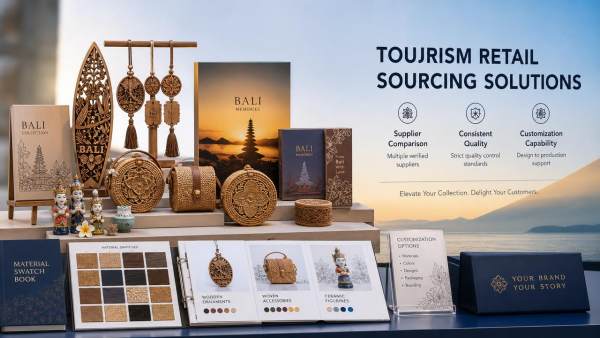
Choosing among handicraft suppliers is rarely a simple price comparison, especially in tourism services where product quality directly shapes guest experience, destination branding, and retail performance. From hotel gift shops and museum stores to cultural attraction boutiques and travel-themed promotional programs, buyers need partners that can deliver authentic craftsmanship, stable lead times, safe materials, and dependable communication. A fair evaluation process helps reduce sourcing risk, protect brand reputation, and create a more resilient supply chain for tourism-related merchandise.
This guide explains how to compare handicraft suppliers objectively. It focuses on practical sourcing criteria such as product consistency, production capability, customization support, compliance standards, logistics readiness, and long-term cooperation potential. For tourism service businesses that rely on souvenirs, artisan décor, cultural gift items, and seasonal destination products, a balanced comparison method leads to better commercial outcomes than choosing the lowest quote alone.
A Clear Basis for Comparing Handicraft Suppliers
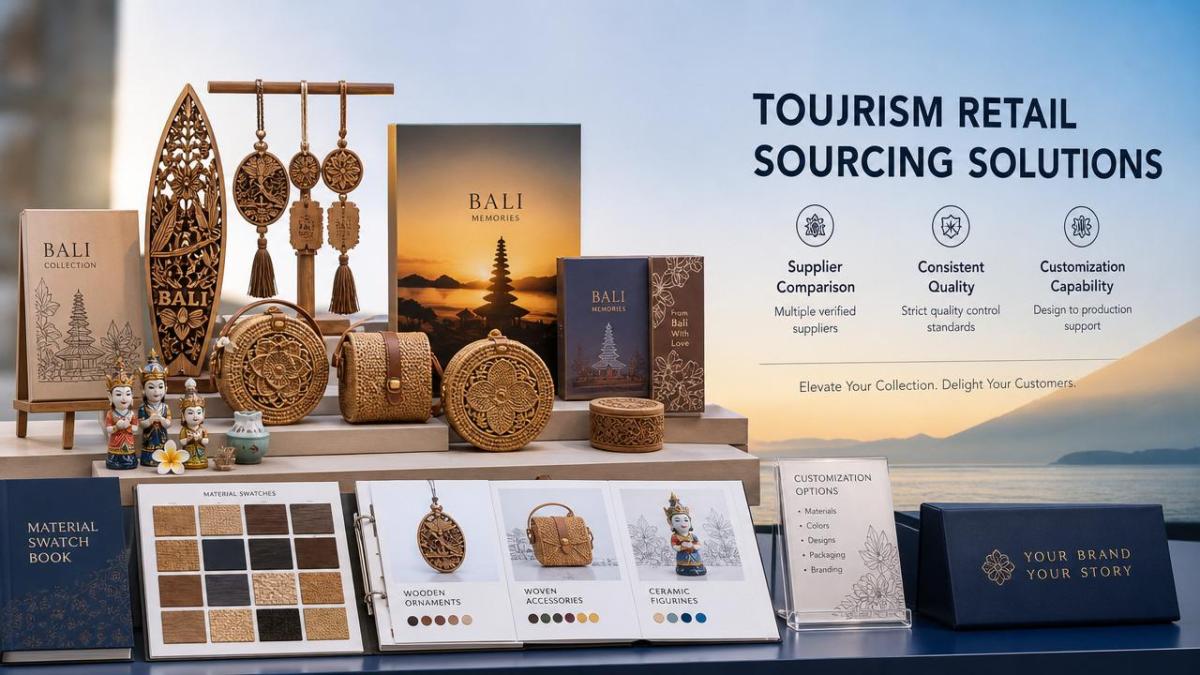
Fair comparison starts with defining what “good” means for the intended tourism application. Not all handicraft suppliers serve the same market. Some specialize in small-batch artisan pieces for boutique resorts, while others are better suited to high-volume souvenir lines for airports, theme parks, or cruise retail. Comparing them fairly requires evaluating each supplier against the same business goals, product specifications, and service expectations.
In tourism services, handicraft sourcing often involves a combination of commercial and cultural factors. Products must be attractive to travelers, easy to display, safe to carry, durable during transport, and aligned with local identity or brand storytelling. Because of this, the best handicraft suppliers are not always the cheapest. A supplier with stronger packaging control, better moisture protection, or more accurate color consistency may create far greater value over time.
A useful comparison framework normally includes six dimensions: product quality, material and compliance standards, pricing structure, production and delivery reliability, communication efficiency, and customization capability. When these dimensions are reviewed together, buyers can make decisions based on total sourcing performance rather than unit cost alone.
Current Sourcing Priorities in Tourism Services
Tourism-related retail has changed significantly in recent years. Demand is shifting toward authentic, destination-linked products with better presentation, traceability, and sustainability. As a result, handicraft suppliers are increasingly assessed on their ability to support brand differentiation, not just volume output.
The following market signals are shaping supplier evaluation in the tourism sector:
These factors show why a fair review of handicraft suppliers should reflect real operating conditions in tourism services. A supplier that performs well in home décor wholesale may still struggle with destination retail demands, especially when packaging, replenishment speed, and multilingual labeling are important.
What Fair Evaluation Should Include
To compare handicraft suppliers fairly, use a scorecard that gives each supplier the same product brief, target quantity, packaging requirement, and delivery window. This prevents distorted comparisons caused by unclear assumptions. A structured review usually works best when every supplier is scored across weighted criteria.
1. Product quality and finish
Inspect samples for craftsmanship detail, surface finish, color accuracy, dimensions, balance, stitching, carving precision, or paint quality depending on the item category. For tourism goods, handling experience matters because products are often purchased on impulse. Rough edges, weak bonding, or unstable bases can damage customer trust quickly.
2. Material integrity and compliance
Ask handicraft suppliers for material specifications and any relevant testing or declarations. Even simple products may require proof of restricted substance control, safe coatings, or packaging compliance. This is especially important for children’s souvenirs, wellness resort merchandise, or products used in hospitality environments.
3. Pricing transparency
A fair price comparison should separate unit cost, tooling, packaging, labeling, customization, inland transport, and shipping terms. One supplier may appear cheaper only because the quote excludes gift-box packing or barcode application. Transparent quotation structure makes it easier to compare total landed value.
4. Capacity and lead times
Tourism retail often works with peak seasons, event-driven launches, and last-minute replenishment. Reliable handicraft suppliers should explain normal output, peak-season constraints, sample timing, and production scheduling. A slightly higher-cost supplier with stronger delivery control may be the safer commercial choice.
5. Communication reliability
Fast, accurate communication reduces costly misunderstandings. Compare response speed, technical clarity, willingness to confirm details in writing, and ability to solve problems before production starts. In cross-border sourcing, communication discipline is often a leading indicator of future execution quality.
Business Value for Tourism Retail and Destination Brands
A stronger supplier comparison process creates measurable value across tourism service operations. It improves product-market fit, supports consistent visual merchandising, reduces return rates, and helps maintain destination brand credibility. When handicraft suppliers are selected using balanced criteria, merchandising programs become more predictable and scalable.
This is particularly relevant for tourism businesses that operate across multiple locations. Standardized comparison allows one organization to source regional collections, hotel amenity gifts, museum merchandise, or event souvenirs with clearer quality benchmarks. It also supports better negotiation because performance differences are documented rather than assumed.
- Better alignment between product design and traveler expectations
- Lower risk of defects, delays, and packaging damage
- More effective planning for seasonal destination demand
- Improved brand storytelling through authentic, consistent goods
- Stronger long-term relationships with dependable handicraft suppliers
Typical Supplier Types and Use Cases
Not all handicraft suppliers are suitable for the same tourism use case. Understanding supplier type helps create more realistic comparisons and sourcing expectations.
A fair sourcing approach compares similar supplier types first, then measures whether a premium supplier delivers premium value. This avoids unrealistic benchmarking and helps tourism programs choose the right balance between story, scale, and operational stability.
Practical Steps for a Balanced Decision
The most effective way to compare handicraft suppliers is to combine hard data with controlled testing. Start with a short list, request standardized quotations, and evaluate samples using the same checklist. Then verify operational details before placing a larger order.
- Create a detailed product brief with size, material, finish, packaging, labeling, and delivery terms.
- Request comparable quotes from at least three handicraft suppliers.
- Score samples for appearance, durability, workmanship, and packaging quality.
- Check references, export experience, and consistency across previous projects.
- Run a pilot order before committing to a major seasonal program.
- Document agreed specifications to reduce future batch disputes.
It is also wise to review how each supplier handles exceptions. Ask what happens if color variation exceeds tolerance, if transit breakage rises, or if a delivery misses a tourism event deadline. The answers often reveal more than the quotation itself. Reliable handicraft suppliers usually have clearer corrective processes and stronger accountability.
Next-Step Sourcing Direction
A fair comparison of handicraft suppliers should lead to a sourcing system, not just a one-time purchase decision. By using consistent scorecards, pilot orders, and performance reviews, tourism service businesses can build a more resilient product pipeline for souvenirs, artisan gifts, and destination merchandise. The result is better retail performance, fewer surprises, and stronger alignment between product quality and travel brand expectations.
For organizations seeking broader visibility into consumer goods sourcing trends, supplier capability benchmarks, compliance expectations, and category-specific intelligence, a structured research platform such as Global Consumer Sourcing can support more informed supplier screening and long-term sourcing strategy. The strongest outcomes usually come from combining market intelligence with disciplined evaluation of handicraft suppliers in real operating conditions.
Related Intelligence
 Skincare OEMAug 16, 2026Amazon Enforces AI Human Metadata Rule for Beauty and Personal Care SellersAmazon now enforces AI human metadata rules for beauty sellers. Learn how to protect listings, traffic, and compliance in skincare, cosmetics, and beauty devices.
 Beauty DevicesAug 15, 2026China to Roll Out Nationwide Cross-Border Cash Pooling for MultinationalsChina to roll out nationwide cross-border cash pooling for multinationals from Sept. 14. Discover how this policy could improve treasury efficiency, liquidity management, and China-linked supply chains.
 Beauty DevicesAug 14, 2026China Imposes Temporary Export Ban on Helium, Affecting Cooling Supply ChainsChina's temporary helium export ban may disrupt cooling supply chains for beauty RF devices and laser systems. Learn what ODMs, buyers, and procurement teams should check now.
![]() Cosmetics & PkgAug 13, 2026PPWR becomes mandatory: Beauty and personal care packaging materials usher in new EPR and PFAS compliance requirementsPPWR takes effect for cosmetics packaging in the EU, bringing EPR registration and PFAS limits. Learn what brands, importers, and suppliers must do now.
Cosmetics & PkgAug 13, 2026PPWR becomes mandatory: Beauty and personal care packaging materials usher in new EPR and PFAS compliance requirementsPPWR takes effect for cosmetics packaging in the EU, bringing EPR registration and PFAS limits. Learn what brands, importers, and suppliers must do now. Cosmetics & PkgAug 12, 2026EU PPWR Now Enforced for Beauty Packaging ComplianceEU PPWR now enforced for beauty packaging compliance: learn how EPR, ERN, heavy metals and PFAS rules affect EU exports, customs clearance and platform sales.
 Cosmetics & PkgAug 11, 2026EU PPWR Rules Take Effect on Aug. 12 for Beauty PackagingEU PPWR rules for beauty packaging take effect on Aug. 12, 2026. Learn key compliance steps, EPR, labeling, PFAS limits, and how to avoid customs delays and fines.
 Smart Pet DevicesAug 10, 2026EU EPR Rules to Cover Smart Pet Devices on Aug. 15EU EPR Rules will cover smart pet devices from Aug. 15, 2026. Learn how smart collars, feeders, and monitoring devices can avoid delisting, customs delays, and compliance risks in the EU.
 Infant Feeding & CareAug 09, 2026CPSC Recalls Baby Sleep Sacks Over Undeclared TDCPPCPSC Recalls Baby Sleep Sacks Over Undeclared TDCPP: learn how this 2026 recall impacts CPC documents, third-party testing, and U.S. baby product compliance for exporters.
 Infant Feeding & CareAug 08, 2026ECHA Adds 5 SVHCs, Importer Notices Due From Oct 2026ECHA adds 5 SVHCs to the Candidate List, with importer notices due from October 2026. Learn how REACH affects exporters, supply chains, and documentation readiness.
 Baby Gear & StrollersAug 07, 2026CPSC Revises Crib Rail Standard for November 2026CPSC revises crib rail standard for November 2026, adding dynamic impact tests and mandatory third-party lab testing. Learn how the new rule affects U.S. market access, compliance, and shipments.
 Electronic & RC ToysAug 06, 2026EU to Require EN IEC 62115:2025 for Electronic ToysEU to Require EN IEC 62115:2025 for Electronic Toys from Oct 1, 2026. Learn scope, battery and AI safety updates, CE compliance risks, and how exporters can avoid customs delays.
 Baby Gear & StrollersAug 05, 2026US Stroller Stability Rule Takes Effect Aug. 15US Stroller Stability Rule Takes Effect Aug. 15: learn how new U.S. stroller compliance, ASTM F833-26a, and CPSC testing rules may affect imports, certification, and shipment readiness.
 Infant Feeding & CareAug 04, 2026ECHA Adds 5 SVHCs, Triggering Baby Care Export ReviewECHA adds 5 SVHCs, prompting an urgent baby care export review for EU-bound products. Learn the 0.1% threshold risks, compliance steps, and how to avoid customs delays and fines.












