China’s Cosmetics Exports to Russia Hit Record High in September 2026

China’s exports of skincare and makeup products to Russia reached a reported record of USD 33.6 million in September 2026, drawing attention to order planning, product documentation and delivery arrangements across the cosmetics trade. The supplied report attributes the figures to Sputnik. It does not identify a new policy, certification requirement or trade rule, so the increase is best assessed as a commercial development whose compliance implications require separate verification.
September exports reach USD 33.6 million
According to the supplied summary of Sputnik’s reporting, China exported USD 33.6 million in skincare and makeup products to Russia in September 2026, the highest value recorded in cosmetics trade between the two countries. Export value increased by 120% compared with the same month a year earlier and by 45% compared with the preceding month.
Skincare products and foundation accounted for USD 18.5 million. Lip makeup exports reached USD 5.6 million, eye makeup USD 5.57 million, face powder USD 3.3 million, and manicure and pedicure products USD 558,000.
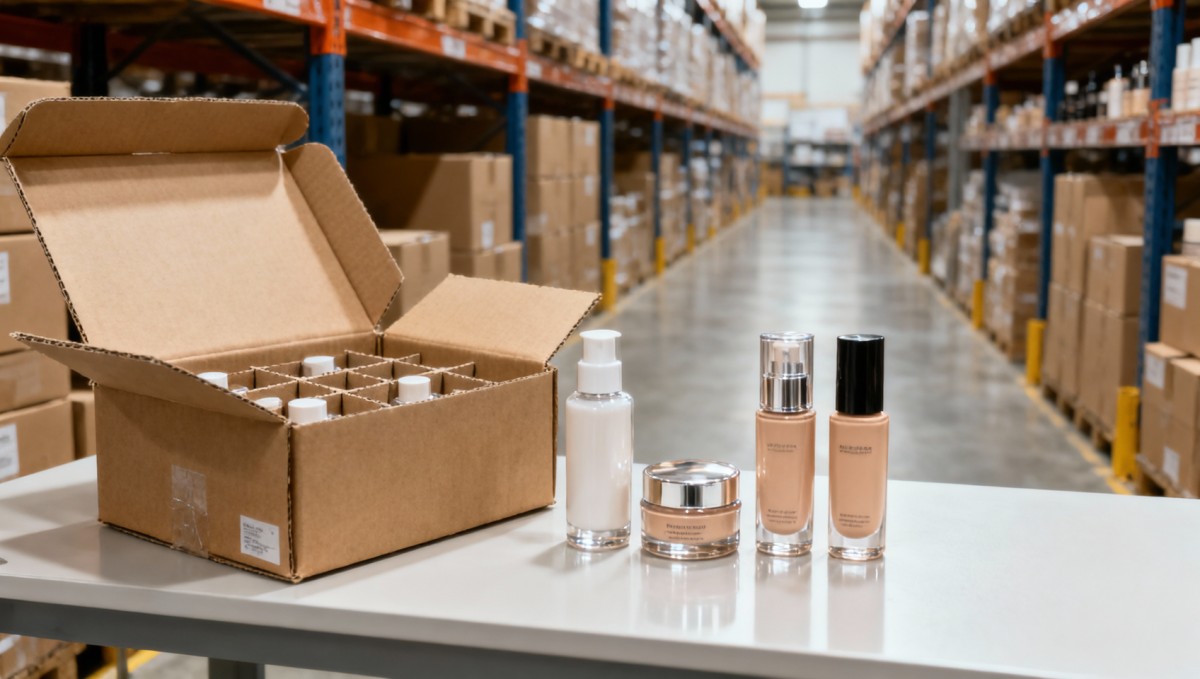
Higher trade values put shipment preparation in focus
From an industry perspective, the reported increase could make coordination between exporters, manufacturers, importers and logistics providers more consequential. However, export value alone does not establish higher shipment volumes, additional orders for individual businesses or changes in regulatory treatment. The following implications are analytical considerations.
Exporters and importers may need closer document coordination
Analysis suggests that businesses handling additional orders could face greater pressure to keep product descriptions, commercial documents and shipment details consistent. Exporters and their importing partners could review which requirements apply to each product and verify whether their documentation remains suitable. The supplied information provides no basis for assuming simplified clearance, reduced certification obligations or a new route to market.
Manufacturers could face a different mix of production priorities
The reported category values may help manufacturers identify where to examine customer demand more closely. Skincare and foundation represent the largest combined category in the supplied figures, but those figures do not establish demand for individual formulations, brands or packaging formats. As a planning consideration, manufacturers could compare confirmed orders with production capacity, material availability and the product documentation associated with each order before adjusting procurement.
Distributors and logistics providers may need firmer delivery assumptions
For distributors and supply chain service providers, a possible implication is a greater need to align replenishment schedules with confirmed shipment readiness. Analysis suggests reviewing delivery commitments against document availability and product release arrangements. The reported growth does not demonstrate that transport capacity, clearance times or delivery performance have changed.
Three checks before expanding Russia-bound orders
Verify applicable requirements for each product
As a practical recommendation, exporters and buyers could confirm the current requirements relevant to their specific products, including whether any conformity assessment, testing or labeling obligations apply. The report does not specify these requirements or announce amendments to them. Any claim that market access has become easier would therefore need evidence beyond the trade figures.
Match category interest with confirmed purchasing needs
Analysis suggests using the category breakdown as a starting point for customer discussions. Businesses could check requested quantities, specifications and delivery dates before increasing purchases of ingredients, packaging or finished goods. A record monthly export value does not establish sustained demand or justify the same inventory response across skincare, foundation, lip makeup, eye makeup, face powder and nail care products.
Review documentation alongside delivery commitments
As an operational precaution, companies could compare order details with available product records, relevant test or conformity documents where applicable, and shipment paperwork. They could also verify that batch identification supports quality inquiries and traceability. These are suggested checks for managing orders; the supplied report does not establish a new mandatory procedure or document requirement.
A commercial signal without evidence of a regulatory shift
Editorial analysis: the September figures indicate a reported increase in export value, but they do not explain its causes. The supplied information does not identify changes to tariffs, customs procedures, certification rules, product standards or regulatory enforcement. It would therefore be unsupported to attribute the record to policy easing or to describe it as evidence that a new trade rule has taken effect.
What deserves closer attention is whether subsequent information confirms continued trade growth and whether any separately documented regulatory developments affect product acceptance or shipment execution. Further trade reporting and feedback from businesses could help distinguish sustained purchasing activity from a single month’s result. Any future rule change would need assessment on its own terms, including its scope and implementation details.
Use the record to review readiness and demand
From an industry perspective, the reported record provides a reason to reassess Russia-bound cosmetics orders, category priorities and delivery readiness. The proportionate response is to validate purchasing needs and applicable compliance arrangements before expanding commitments. At this stage, the information is best understood as a trade performance signal, with no confirmed rule change established by the supplied material.
Basis of reporting and points for further verification
This article was prepared from the user-provided news title, event date and event summary, which attribute the trade figures to Sputnik. No specific official source link was included in the input; the underlying figures and any related regulatory developments remain subject to further verification.
Relevant follow-up sources could include official trade information and regulatory announcements, alongside further authoritative media reporting. Continued observation should focus on subsequent trade performance, any documented changes in applicable requirements or their implementation, and business feedback on order fulfillment. The supplied material does not confirm a policy amendment, a certification change or a new enforcement practice.
Related Intelligence
 Cosmetics & PkgOct 27, 2026China’s Cosmetics Exports to Russia Hit Record High in September 2026China’s cosmetics exports to Russia reportedly hit $33.6 million in September 2026. Explore category trends and key checks for order planning, documentation and delivery readiness.
 Corporate & Seasonal GiftsOct 26, 2026140th Canton Fair Phase Two in Full Swing as Green, Smart Home Products Secure OrdersExplore 140th Canton Fair Phase Two green and smart home products, reported buyer demand, and key procurement checks to turn orders into reliable export deliveries.
 STEM & Educational ToysOct 25, 2026Malaysia’s KPDN Seizes 5,801 Non-Compliant Squishy Toys in Nationwide ActionMalaysia’s KPDN reportedly seized 5,801 squishy toys lacking safety compliance marks. Discover key checks to help toy suppliers assess stock and verify compliance before distribution.
 Infant Feeding & CareOct 24, 2026FDA Issues Draft Guidance on Cadmium Action Levels in Baby FoodsFDA draft guidance on cadmium action levels in baby foods proposes category-specific targets. Explore potential impacts on sourcing, testing and compliance planning—and how to prepare.
 STEM & Educational ToysOct 23, 20262026 China Toy Expo Gives AI Toys a Dedicated Hall as Practical Features Take Priority2026 China Toy Expo spotlights AI toys with a dedicated hall. Explore how practical features and everyday play experiences are reshaping manufacturers’ product priorities.
 STEM & Educational ToysOct 22, 2026Blokees Showcases Over 900 Products at the 2026 China International Toy FairBlokees showcases over 900 products at the 2026 China International Toy Fair. Explore Model Kits, BLOKEES WHEELS and key sourcing checks to guide your next purchase.
 Cosmetics & PkgOct 21, 2026BASF Plans Beauty Innovation Showcase at in-cosmetics Asia 2026Explore BASF’s planned beauty innovations at in-cosmetics Asia 2026 in Bangkok, with a focus on skin protection, repair and sustainable solutions for personal care formulators.
 Cosmetics & PkgOct 20, 2026Beauty Tops Amazon’s 2026 Prime Big Deal Days Shopping CategoriesBeauty tops Amazon’s 2026 Prime Big Deal Days at 32% of shoppers, according to Market Defense. Explore what the findings could mean for product selection, inventory and promotional planning.
 Pet Grooming & TravelOct 14, 2026Which Pet Care Product Categories Are Growing Fastest in 2026?Which pet care categories are growing fastest in 2026? Explore functional nutrition, preventive wellness, and smart devices to uncover opportunities and build a profitable retail assortment.
 Pet Furniture & EnrichmentOct 14, 2026How Can Retailers Reduce Pet Bed Damage Claims?How can retailers reduce pet bed damage claims? Discover practical quality controls, packaging tests, and care tips to cut returns, protect margins, and build customer trust.
 Pet Furniture & EnrichmentOct 14, 2026Are Removable Covers Worth the Extra Cost for Pet Beds?Are removable covers worth the extra cost for pet beds? Compare cleaning ease, durability, and replacement costs to discover when the upgrade pays off—and when to save.
 Pet Furniture & EnrichmentOct 14, 2026What Should a Pet Bed Factory Quality Inspection Include?What should a pet bed factory quality inspection include? Discover essential checks for materials, durability, washability, and safety to reduce returns and approve shipments with confidence.
 Pet Grooming & TravelOct 14, 2026Which Pet Grooming Tools Have the Lowest Return Risk?Which pet grooming tools have the lowest return risk? Explore manual combs, rubber brushes, and sourcing tips to reduce avoidable returns and build a smarter, customer-friendly assortment.