
What Affects Crystal Paperweights Pricing?
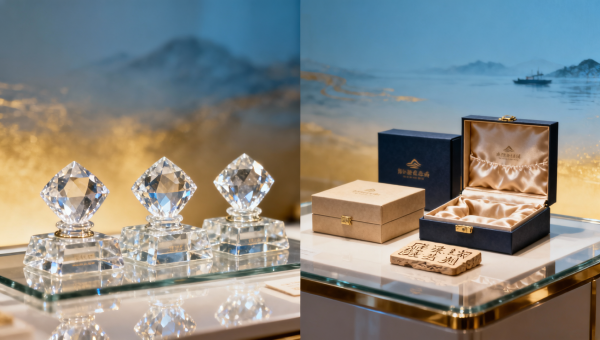
Crystal paperweights pricing is shaped by a combination of material quality, manufacturing method, decoration requirements, order volume, packaging, and supplier capability—not just by size. For buyers reviewing crystal paperweights wholesale offers, the biggest price differences usually come from crystal grade, cutting and polishing standards, engraving or printing customization, breakage-control packaging, and the supplier’s ability to meet quality and compliance expectations consistently. In practical sourcing terms, the lowest quoted price is rarely the lowest total cost.
For procurement teams, distributors, brand owners, and gift-category buyers, the right question is not simply “How much does a crystal paperweight cost?” but “What exactly is included in that price, and what risks or value drivers sit behind it?” That distinction matters even more when sourcing private-label gift products alongside other quality-sensitive categories such as sublimation blank gifts or regulated items that require stricter testing and documentation.
What really drives crystal paperweights pricing in wholesale sourcing?
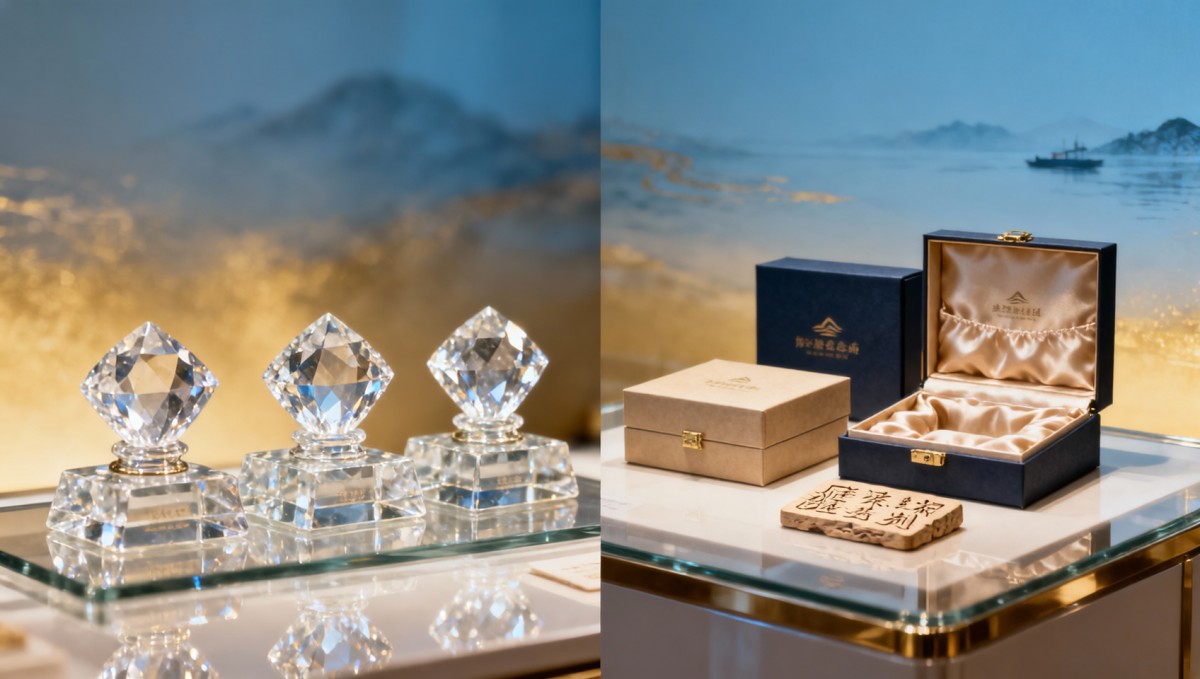
When buyers compare suppliers, crystal paperweights pricing usually moves based on seven core factors:
- Raw material grade: K9 crystal, lead-free crystal, optical crystal, or lower-grade glass alternatives have different clarity, weight, and cost.
- Product design and shape: Standard round or square shapes are cheaper than custom geometric, faceted, or sculptural forms.
- Cutting and polishing precision: Higher clarity and sharper finishing require more labor, tighter quality control, and often higher rejection rates.
- Decoration complexity: Laser engraving, deep etching, color printing, 3D internal engraving, and logo customization each affect setup and unit cost differently.
- Order quantity: Tooling, setup, inspection, and packaging costs are spread more efficiently across larger runs.
- Packaging requirements: Gift boxes, foam inserts, branded sleeves, and drop-test-ready export packaging can materially raise landed cost.
- Supplier scale and consistency: Established manufacturers may quote more than small workshops, but they often reduce defect risk, delays, and replacement cost.
For most B2B buyers, the biggest pricing mistake is comparing quotations without standardizing specifications. A supplier quoting a lower price may be using thinner dimensions, lower transparency material, looser edge finishing, simpler packaging, or weaker inspection standards. On paper, the product may look similar. In real use, it may not.
How does the type of crystal or glass affect cost and perceived value?
Material is one of the first pricing variables buyers should verify. In the market, “crystal paperweight” can refer to products made from true crystal-grade material or from lower-cost glass substitutes. This creates major price variation.
K9 crystal is widely used in promotional gifts and decorative products because it offers good transparency, strong visual appeal, and relatively manageable cost. It is often the preferred balance for mid-range wholesale projects.
Optical crystal generally commands a higher price because it offers superior clarity, fewer internal imperfections, and a more premium feel. It is commonly chosen for corporate gifting, awards, executive desk accessories, and retail collections positioned at the upper end of the market.
Lower-grade glass alternatives may reduce upfront cost, but they can introduce issues such as more visible bubbles, weaker brilliance, uneven weight, and poorer engraving results. For price-sensitive promotions, this may be acceptable. For branded gifting or resale, it can damage perceived value.
For enterprise buyers, material choice should be linked to channel strategy:
- Promotional giveaway programs: Cost efficiency may matter more than top optical clarity.
- Corporate gifts and executive branding: Premium material supports higher perceived value and stronger brand presentation.
- Distributor or retailer programs: Consistent material specification is critical to avoid customer complaints and return risk.
Why do cutting, polishing, and craftsmanship create major price differences?
In crystal products, craftsmanship often explains why two visually similar paperweights can have noticeably different quotes. Precision finishing affects both appearance and defect rates.
Key workmanship cost drivers include:
- Edge sharpness and symmetry
- Surface flatness and scratch control
- Polish quality and light refraction performance
- Dimensional consistency across batches
- Manual versus semi-automated finishing processes
Higher-end crystal paperweights often require more polishing time, more skilled labor, and stricter inspection. In addition, premium factories may reject a larger percentage of imperfect units before shipment. That raises cost, but it also reduces the hidden expenses buyers face later—such as claims, replacements, project delays, and damaged customer trust.
For sourcing teams, asking for a sample is not enough. Ask suppliers what their allowable defect standards are for bubbles, chips, scratches, and edge inconsistency. This is where price and quality become directly connected.
How much do engraving, printing, and custom designs add to the price?
Customization is one of the most important variables in crystal paperweights wholesale pricing. A plain stock item is usually straightforward to produce. A branded or personalized version can change the cost structure significantly.
Common customization methods include:
- Surface laser engraving: Popular for logos, names, and simple text. Usually cost-effective for clean branding.
- 3D internal laser engraving: Creates a premium visual effect inside the crystal, but requires specialized equipment and often carries a higher unit price.
- Sandblasting or etching: Suitable for elegant matte decoration, but may involve more manual handling.
- UV or color printing: Useful for vibrant branding, though durability and finish quality should be checked carefully.
- Custom molds or non-standard shapes: These add development and tooling cost, especially for lower-volume projects.
Buyers should also remember that customization costs are not limited to decoration itself. They may include artwork setup, proofing, sample revisions, machine programming, and batch approval processes. For small orders, these setup costs can make the per-unit price look disproportionately high. For larger orders, the same setup cost becomes easier to absorb.
If your goal is margin optimization, one practical strategy is to simplify the shape while using premium engraving, rather than paying for both complex form and complex decoration at the same time.
What role do order quantity, packaging, and logistics play in total cost?
Many buyers focus on ex-factory price and underestimate the impact of quantity planning, packaging, and freight. Because crystal paperweights are heavy and breakable, total delivered cost can rise quickly if packaging and shipping are not planned carefully.
Order quantity affects pricing because larger runs improve factory efficiency. Setup, labor planning, inspection, and carton consolidation all become more economical at scale. Very small runs often carry higher unit costs because the supplier still must manage similar operational steps.
Packaging is a major cost layer in gift products. Basic bulk packaging may be enough for B2B redistribution, but retail-ready or gift-ready presentation can include:
- Custom logo boxes
- Foam or velvet inserts
- Protective wrapping for scratch prevention
- Sleeves, labels, barcodes, or instruction cards
- Export cartons designed to reduce transit breakage
Logistics matters because crystal has both weight and fragility. Air freight can quickly erode margin. Ocean freight is more cost-efficient for larger orders but requires stronger packaging and longer planning cycles. Poor packaging decisions often lead to breakage claims that wipe out any saving won in price negotiation.
For finance approvers and project managers, the smarter metric is not unit cost alone, but landed cost per sellable unit. That includes breakage risk, packaging performance, inspection expense, and replacement exposure.
How should buyers evaluate supplier quotations beyond the lowest price?
For serious sourcing decisions, buyers should compare quotations using a structured checklist. This helps separate low-cost opportunities from high-risk offers.
Key quotation review points include:
- Material specification: What exact crystal grade is being used?
- Weight and dimensions: Are measurements and tolerances clearly defined?
- Decoration method: Is the logo engraved, printed, or etched?
- Defect standard: What cosmetic issues are acceptable or rejected?
- Sampling terms: Are pre-production samples charged, refundable, or included?
- Packaging scope: Is the quote for bulk packing or individual gift boxes?
- Inspection and quality control: Does the supplier provide in-line or final inspection records?
- Lead time reliability: Can the supplier maintain delivery during peak season?
- Replacement and claims policy: How are breakage or defects handled?
For procurement and quality teams, this is where supplier capability matters as much as price. A slightly higher quote from a capable manufacturer can generate better ROI if it reduces damage rates, avoids shipment delays, and protects customer satisfaction.
Are compliance, safety, and market positioning relevant for crystal paperweights?
Although crystal paperweights are not regulated in the same way as toys, baby products, or certain promotional categories, compliance and market expectations still matter—especially for brand owners, global distributors, and importers serving multiple regions.
Relevant considerations may include:
- Material safety expectations: Buyers may prefer lead-free options for broader market acceptability.
- Labeling and packaging compliance: Retail channels may require barcode, origin marking, and packaging documentation.
- Social and sustainability audits: Larger retail buyers increasingly evaluate factory practices, not just product quality.
- Channel-specific standards: Premium gifting, hotel sourcing, tourism retail, and museum or souvenir channels may have different packaging and presentation expectations.
This matters particularly in diversified sourcing portfolios. Buyers already working across categories like sublimation blank gifts, desk accessories, and promotional products often benefit from standardizing supplier assessment methods. Even where formal certification demands are lighter, documentation, consistency, and traceable quality control still support better sourcing decisions.
What is the best way to control cost without lowering product quality too much?
Cost control in crystal paperweights sourcing works best when buyers make trade-offs strategically rather than pushing all specifications down at once.
Practical ways to optimize pricing include:
- Use standard shapes instead of fully custom forms.
- Choose K9 crystal when optical-grade material is not necessary for the target market.
- Simplify decoration by using single-position engraving instead of multi-process customization.
- Increase order consolidation to improve packaging and freight efficiency.
- Standardize packaging across multiple SKUs when possible.
- Approve realistic cosmetic tolerances that do not affect sell-through or brand perception.
- Work with suppliers early to design for manufacturability rather than modifying finished concepts late.
The most effective savings usually come from design and specification alignment, not from aggressive unit-price pressure alone. If a supplier is forced too low, the compromise often appears later in polishing quality, packaging protection, batch consistency, or delivery reliability.
Conclusion: What should buyers remember about crystal paperweights pricing?
Crystal paperweights pricing is influenced by much more than appearance. Material grade, workmanship, customization, packaging, order size, freight exposure, and supplier reliability all shape the real cost and value of the product. For wholesale buyers, distributors, and brand owners, the right sourcing decision comes from understanding these variables together—not from choosing the cheapest quotation on first review.
The most successful buyers compare offers based on total commercial outcome: visual quality, defect control, customization fit, packaging performance, delivery reliability, and landed cost. When those factors are assessed carefully, crystal paperweights can be sourced in a way that protects margin, supports brand positioning, and reduces avoidable supply chain risk.
Related Intelligence
 Skincare OEMAug 16, 2026Amazon Enforces AI Human Metadata Rule for Beauty and Personal Care SellersAmazon now enforces AI human metadata rules for beauty sellers. Learn how to protect listings, traffic, and compliance in skincare, cosmetics, and beauty devices.
 Beauty DevicesAug 15, 2026China to Roll Out Nationwide Cross-Border Cash Pooling for MultinationalsChina to roll out nationwide cross-border cash pooling for multinationals from Sept. 14. Discover how this policy could improve treasury efficiency, liquidity management, and China-linked supply chains.
 Beauty DevicesAug 14, 2026China Imposes Temporary Export Ban on Helium, Affecting Cooling Supply ChainsChina's temporary helium export ban may disrupt cooling supply chains for beauty RF devices and laser systems. Learn what ODMs, buyers, and procurement teams should check now.
![]() Cosmetics & PkgAug 13, 2026PPWR becomes mandatory: Beauty and personal care packaging materials usher in new EPR and PFAS compliance requirementsPPWR takes effect for cosmetics packaging in the EU, bringing EPR registration and PFAS limits. Learn what brands, importers, and suppliers must do now.
Cosmetics & PkgAug 13, 2026PPWR becomes mandatory: Beauty and personal care packaging materials usher in new EPR and PFAS compliance requirementsPPWR takes effect for cosmetics packaging in the EU, bringing EPR registration and PFAS limits. Learn what brands, importers, and suppliers must do now. Cosmetics & PkgAug 12, 2026EU PPWR Now Enforced for Beauty Packaging ComplianceEU PPWR now enforced for beauty packaging compliance: learn how EPR, ERN, heavy metals and PFAS rules affect EU exports, customs clearance and platform sales.
 Cosmetics & PkgAug 11, 2026EU PPWR Rules Take Effect on Aug. 12 for Beauty PackagingEU PPWR rules for beauty packaging take effect on Aug. 12, 2026. Learn key compliance steps, EPR, labeling, PFAS limits, and how to avoid customs delays and fines.
 Smart Pet DevicesAug 10, 2026EU EPR Rules to Cover Smart Pet Devices on Aug. 15EU EPR Rules will cover smart pet devices from Aug. 15, 2026. Learn how smart collars, feeders, and monitoring devices can avoid delisting, customs delays, and compliance risks in the EU.
 Infant Feeding & CareAug 09, 2026CPSC Recalls Baby Sleep Sacks Over Undeclared TDCPPCPSC Recalls Baby Sleep Sacks Over Undeclared TDCPP: learn how this 2026 recall impacts CPC documents, third-party testing, and U.S. baby product compliance for exporters.
 Infant Feeding & CareAug 08, 2026ECHA Adds 5 SVHCs, Importer Notices Due From Oct 2026ECHA adds 5 SVHCs to the Candidate List, with importer notices due from October 2026. Learn how REACH affects exporters, supply chains, and documentation readiness.
 Baby Gear & StrollersAug 07, 2026CPSC Revises Crib Rail Standard for November 2026CPSC revises crib rail standard for November 2026, adding dynamic impact tests and mandatory third-party lab testing. Learn how the new rule affects U.S. market access, compliance, and shipments.
 Electronic & RC ToysAug 06, 2026EU to Require EN IEC 62115:2025 for Electronic ToysEU to Require EN IEC 62115:2025 for Electronic Toys from Oct 1, 2026. Learn scope, battery and AI safety updates, CE compliance risks, and how exporters can avoid customs delays.
 Baby Gear & StrollersAug 05, 2026US Stroller Stability Rule Takes Effect Aug. 15US Stroller Stability Rule Takes Effect Aug. 15: learn how new U.S. stroller compliance, ASTM F833-26a, and CPSC testing rules may affect imports, certification, and shipment readiness.
 Infant Feeding & CareAug 04, 2026ECHA Adds 5 SVHCs, Triggering Baby Care Export ReviewECHA adds 5 SVHCs, prompting an urgent baby care export review for EU-bound products. Learn the 0.1% threshold risks, compliance steps, and how to avoid customs delays and fines.












