
Toy Innovation Ideas That Fit Today’s Learning Play Market
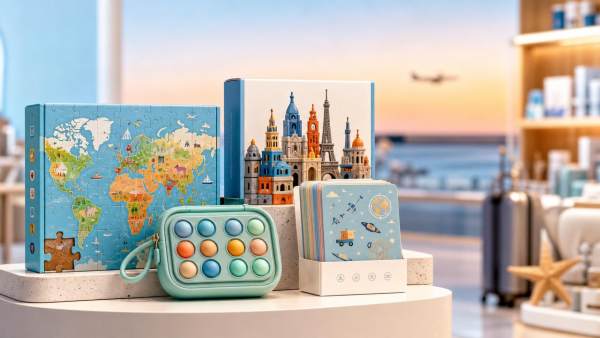
In today’s learning play market, toy innovation is no longer just about fun—it is a strategic signal of safety, educational value, and supply chain agility. For business evaluators assessing product potential, understanding how new toy concepts align with consumer demand, compliance standards, and retail trends is essential to identifying scalable opportunities and reducing sourcing risk.
Why toy innovation matters in travel service retail and guest experience
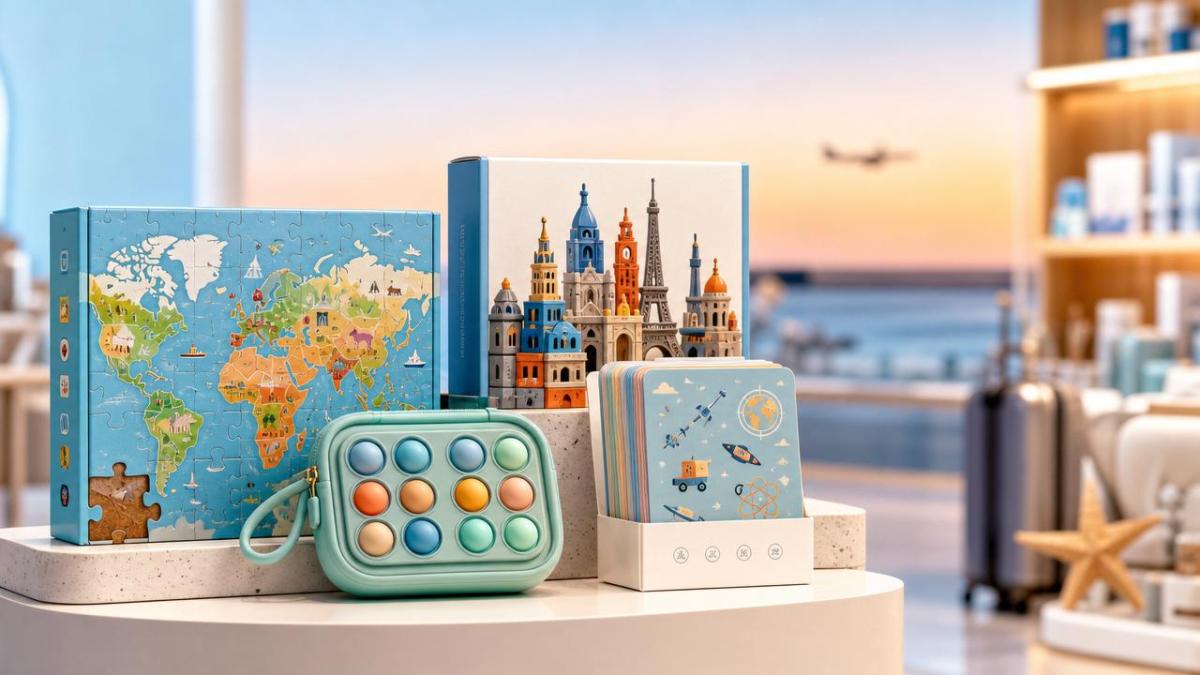
For travel service operators, toy innovation now sits at the intersection of merchandising, family engagement, and destination branding. Airports, resorts, cruise retail, museum shops, theme attractions, and family tour operators increasingly rely on learning-play products to extend customer spend beyond core ticket or lodging revenue.
Business evaluators are not simply asking whether a toy sells. They are asking whether it fits a fast-moving tourism environment: compact packaging, multilingual appeal, strong safety documentation, seasonal flexibility, and a story that matches the destination or hospitality concept.
This is where Global Consumer Sourcing helps. GCS connects buyers with focused intelligence on Gifts & Toys, while also translating retail trends into sourcing decisions. That matters when a travel service brand must compare educational value, compliance readiness, lead time stability, and private-label potential before approving a new supplier.
- Family travelers increasingly prefer meaningful souvenirs over disposable impulse items.
- Learning-play products support destination storytelling, such as wildlife, transport, geography, or local culture themes.
- Compact and compliant toys reduce retail risk in airports, hotels, and transport hubs where storage and safety exposure are both critical.
Which toy innovation concepts fit today’s learning play market best?
The strongest toy innovation ideas combine education, portability, and repeat-play value. In travel service channels, products must perform in short attention windows. A child may engage during a flight delay, at a hotel check-in desk, on a train ride, or during downtime at a resort.
That changes the product brief. Large, fragile, or highly battery-dependent toys often face resistance. By contrast, modular kits, sensory travel packs, collectible learning cards, destination-based puzzles, and compact STEM play sets align better with travel use cases and gift shop economics.
High-fit concepts for tourism-linked retail
- Destination education toys: map puzzles, landmark building kits, wildlife matching games, and culture-themed activity sets.
- Travel-friendly sensory toys: quiet fidgets, tactile kits, and low-mess activity products designed for cabins, lounges, and hotel rooms.
- Mini STEM sets: compact experiment or construction products that deliver learning outcomes without bulky components.
- Private-label collectible series: location-specific characters or badges that encourage repeat purchase across multiple destinations.
For evaluators, the key is not novelty alone. The best toy innovation supports merchandising logic, fits operational constraints, and can be refreshed by season, region, or customer segment without resetting the entire sourcing model.
How should business evaluators compare toy innovation options?
A structured comparison framework reduces decision bias. The table below helps assess toy innovation options commonly considered in travel service retail, especially where space, safety, and turnover speed affect product approval.
This comparison shows why toy innovation cannot be evaluated in isolation. The product type must match retail setting, traveler behavior, and sourcing complexity. GCS supports this process by connecting format trends with supplier-readiness indicators and commercialization risks.
What procurement criteria matter most before approving a new toy line?
Procurement teams in travel service environments often face compressed buying windows and mixed stakeholder expectations. Operations wants low complexity. Merchandising wants strong sell-through. Compliance wants clean documentation. Finance wants margin protection. A practical scorecard helps align those priorities.
Core evaluation checklist
- Confirm the toy innovation concept matches traveler need states such as boredom relief, educational gifting, or destination memory building.
- Review packaging dimensions, shelf impact, and transport resilience, especially for airport or cruise distribution.
- Request age grading, warning label logic, and destination-market documentation early, not after design lock.
- Test whether the supplier can support private labeling, small-batch trial orders, and seasonal refresh cycles.
- Assess refill or sequel potential if the item is intended as part of a collectible or recurring travel retail program.
GCS is especially valuable here because business evaluators rarely need only a product list. They need category context, comparative supplier signals, and a realistic view of which features raise risk, delay launch, or limit market expansion.
How do compliance and certification affect toy innovation decisions?
In toys, attractive design never compensates for incomplete compliance. For travel service buyers selling across international visitor flows, documentation gaps can create reputational risk quickly. Even when the retail channel is hospitality-led, product safety expectations remain high.
The table below outlines common review points business evaluators should raise when screening toy innovation suppliers for travel-linked retail programs.
A disciplined certification review helps evaluators separate creative concepts from commercially viable programs. GCS strengthens this work by framing compliance as part of sourcing strategy, not as a late-stage administrative check.
Where do cost, MOQ, and customization create hidden risk?
Toy innovation often looks attractive at concept level but becomes less appealing when hidden cost layers appear. Tooling, print changes, insert cards, destination-specific artwork, multilingual manuals, and packaging reinforcement all affect landed cost. In travel service retail, short seasons and limited shelf space make this even more important.
Common cost pressure points
- Low initial MOQ may come with fewer customization options or less favorable unit pricing.
- Exclusive destination designs can strengthen margins, but artwork revisions may extend launch timing.
- Battery features, sound modules, or oversized packaging can increase freight and compliance handling.
- Overly complex toy innovation may reduce replenishment flexibility during peak tourism periods.
For business evaluators, the right question is not “What is the cheapest toy?” It is “Which format preserves margin after compliance, packaging, logistics, and markdown risk are included?” GCS helps buyers model this trade-off with sharper category intelligence and supplier screening.
What mistakes do buyers make when assessing toy innovation for travel channels?
Several recurring mistakes weaken purchase outcomes. Most are not technical errors; they are evaluation gaps between concept appeal and operational reality.
Frequent misconceptions
- Assuming educational toys sell themselves: without a clear shelf message, parents may not understand the learning benefit quickly enough.
- Ignoring travel context: a toy that performs in big-box retail may fail in an airport store because of size, noise, or carry-on inconvenience.
- Overvaluing customization too early: heavy private-label work before market testing can inflate cost and delay launch.
- Treating compliance as final paperwork: safety and labeling requirements should shape design selection from the start.
A stronger approach is phased validation: shortlist the toy innovation format, confirm documentation readiness, test packaging fit, then scale branding and destination-specific elements once performance signals are clear.
FAQ: practical questions business evaluators ask about toy innovation
How do we know if a toy innovation concept fits our travel audience?
Start with traveler behavior, not product novelty. Review who buys the item, when they buy it, and how they carry or use it. Family resorts may support higher engagement kits, while airport retail often favors compact, giftable, low-friction formats.
What should we check first with a new supplier?
Request product specifications, packaging dimensions, target age grading, sample lead time, and existing compliance file status. Then verify whether the supplier can support your geography, language needs, and replenishment cycle.
Are private-label toys always better for tourism brands?
Not always. Private label improves exclusivity, but it can raise MOQs, artwork complexity, and approval steps. For first launches, a semi-custom toy innovation program may balance brand relevance with faster market entry.
How long can sourcing and launch take?
Timing depends on complexity, testing needs, and customization depth. Standardized items with minor packaging changes usually move faster than fully custom educational toy lines. Evaluators should build in time for sample review, labeling checks, and production confirmation before peak travel seasons.
Why choose GCS when evaluating toy innovation opportunities?
GCS is built for decision-makers who need more than trend headlines. It supports business evaluators with data-backed category intelligence across Gifts & Toys, practical sourcing analysis, and a sharper view of how innovation, compliance, and supplier capability interact in real buying environments.
For travel service brands, that means clearer answers to the questions that actually affect launch success: Which toy innovation formats travel well? Which product types support premium souvenir positioning? Where do compliance or MOQ issues create hidden cost? Which suppliers are more likely to handle private-label adaptation without disrupting timelines?
What you can contact us about
- Parameter confirmation for toy size, packaging, age grading, and travel-retail suitability
- Product selection advice for airport retail, resort stores, cruise gift shops, and attraction merchandising
- Delivery cycle planning for seasonal tourism demand and replenishment windows
- Customized solution discussion for destination-themed, educational, or private-label toy programs
- Certification and documentation review needs, including safety and labeling considerations
- Sample support and quotation communication before final supplier shortlisting
If your team is assessing toy innovation for today’s learning play market, GCS can help you compare options with greater commercial clarity. The result is a sourcing decision grounded in traveler demand, operational fit, and scalable retail potential.
Related Intelligence
 Skincare OEMAug 16, 2026Amazon Enforces AI Human Metadata Rule for Beauty and Personal Care SellersAmazon now enforces AI human metadata rules for beauty sellers. Learn how to protect listings, traffic, and compliance in skincare, cosmetics, and beauty devices.
 Beauty DevicesAug 15, 2026China to Roll Out Nationwide Cross-Border Cash Pooling for MultinationalsChina to roll out nationwide cross-border cash pooling for multinationals from Sept. 14. Discover how this policy could improve treasury efficiency, liquidity management, and China-linked supply chains.
 Beauty DevicesAug 14, 2026China Imposes Temporary Export Ban on Helium, Affecting Cooling Supply ChainsChina's temporary helium export ban may disrupt cooling supply chains for beauty RF devices and laser systems. Learn what ODMs, buyers, and procurement teams should check now.
![]() Cosmetics & PkgAug 13, 2026PPWR becomes mandatory: Beauty and personal care packaging materials usher in new EPR and PFAS compliance requirementsPPWR takes effect for cosmetics packaging in the EU, bringing EPR registration and PFAS limits. Learn what brands, importers, and suppliers must do now.
Cosmetics & PkgAug 13, 2026PPWR becomes mandatory: Beauty and personal care packaging materials usher in new EPR and PFAS compliance requirementsPPWR takes effect for cosmetics packaging in the EU, bringing EPR registration and PFAS limits. Learn what brands, importers, and suppliers must do now. Cosmetics & PkgAug 12, 2026EU PPWR Now Enforced for Beauty Packaging ComplianceEU PPWR now enforced for beauty packaging compliance: learn how EPR, ERN, heavy metals and PFAS rules affect EU exports, customs clearance and platform sales.
 Cosmetics & PkgAug 11, 2026EU PPWR Rules Take Effect on Aug. 12 for Beauty PackagingEU PPWR rules for beauty packaging take effect on Aug. 12, 2026. Learn key compliance steps, EPR, labeling, PFAS limits, and how to avoid customs delays and fines.
 Smart Pet DevicesAug 10, 2026EU EPR Rules to Cover Smart Pet Devices on Aug. 15EU EPR Rules will cover smart pet devices from Aug. 15, 2026. Learn how smart collars, feeders, and monitoring devices can avoid delisting, customs delays, and compliance risks in the EU.
 Infant Feeding & CareAug 09, 2026CPSC Recalls Baby Sleep Sacks Over Undeclared TDCPPCPSC Recalls Baby Sleep Sacks Over Undeclared TDCPP: learn how this 2026 recall impacts CPC documents, third-party testing, and U.S. baby product compliance for exporters.
 Infant Feeding & CareAug 08, 2026ECHA Adds 5 SVHCs, Importer Notices Due From Oct 2026ECHA adds 5 SVHCs to the Candidate List, with importer notices due from October 2026. Learn how REACH affects exporters, supply chains, and documentation readiness.
 Baby Gear & StrollersAug 07, 2026CPSC Revises Crib Rail Standard for November 2026CPSC revises crib rail standard for November 2026, adding dynamic impact tests and mandatory third-party lab testing. Learn how the new rule affects U.S. market access, compliance, and shipments.
 Electronic & RC ToysAug 06, 2026EU to Require EN IEC 62115:2025 for Electronic ToysEU to Require EN IEC 62115:2025 for Electronic Toys from Oct 1, 2026. Learn scope, battery and AI safety updates, CE compliance risks, and how exporters can avoid customs delays.
 Baby Gear & StrollersAug 05, 2026US Stroller Stability Rule Takes Effect Aug. 15US Stroller Stability Rule Takes Effect Aug. 15: learn how new U.S. stroller compliance, ASTM F833-26a, and CPSC testing rules may affect imports, certification, and shipment readiness.
 Infant Feeding & CareAug 04, 2026ECHA Adds 5 SVHCs, Triggering Baby Care Export ReviewECHA adds 5 SVHCs, prompting an urgent baby care export review for EU-bound products. Learn the 0.1% threshold risks, compliance steps, and how to avoid customs delays and fines.












