
Toy Quality Red Flags That Lead to Returns and Complaints
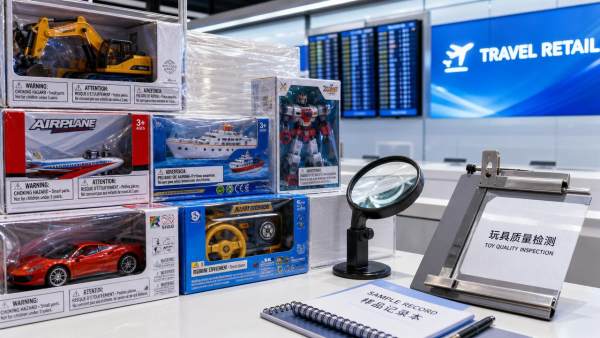
In global sourcing, toy quality issues rarely end with a single return—they often trigger complaints, compliance risks, and lasting brand damage. For quality control and safety managers, spotting the early red flags behind failures in materials, labeling, construction, and certification is essential. This article explores the most common toy quality warning signs that lead to customer dissatisfaction and how proactive inspection can reduce costly post-sale problems.
For travel retail, airport shops, resort stores, cruise gift outlets, and destination-based family attractions, toy quality carries an added layer of risk. Products are often bought by travelers under time pressure, gifted across borders, and exposed to multiple regulatory markets within 7–30 days of purchase. That means one defect can quickly turn into a refund request, a travel-platform complaint, or a cross-market compliance issue.
For sourcing teams using intelligence platforms such as Global Consumer Sourcing, the objective is not only to find attractive products but to filter out toy quality weaknesses before they damage customer satisfaction. Quality control managers, safety managers, and procurement leaders in travel services need practical checkpoints that reduce returns, protect brand credibility, and support safer retail operations.
Why Toy Quality Problems Hit Travel Retail Harder
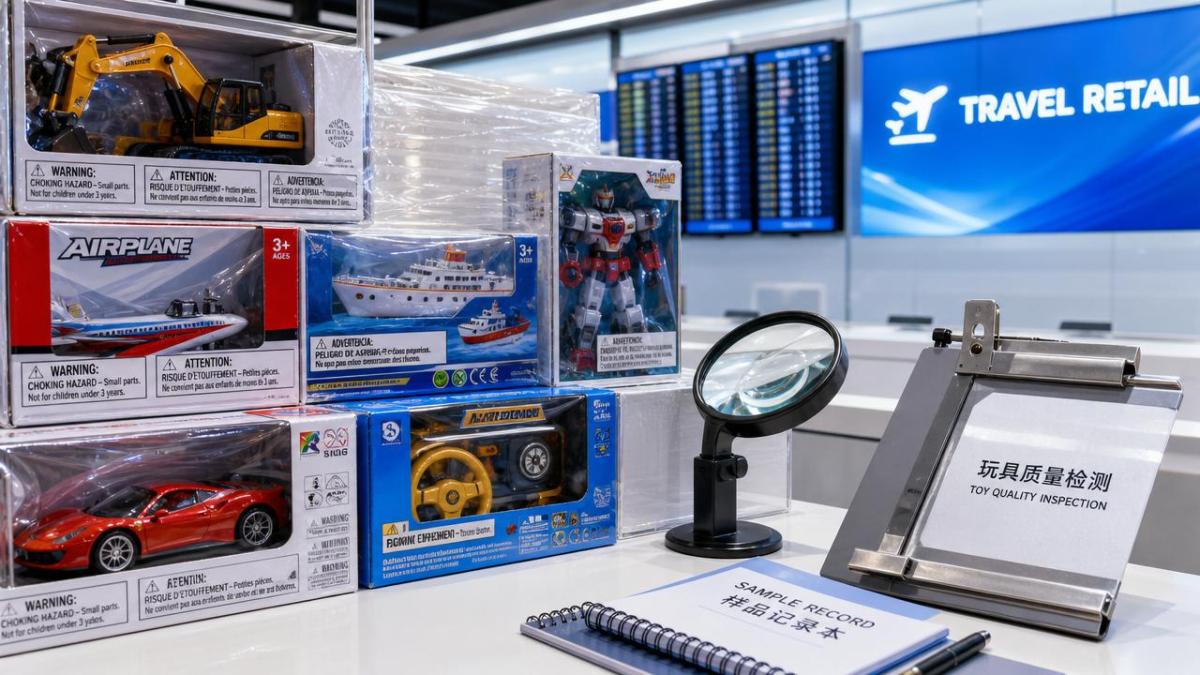
In travel services, the commercial environment is less forgiving than conventional retail. A toy sold at an airport, theme destination, hotel boutique, or cruise terminal may have only 1 chance to satisfy the buyer. If the product breaks during a 3-day trip or triggers a safety concern after international transit, the consumer often skips direct dialogue and moves straight to public complaints or chargebacks.
Toy quality issues also spread faster in this channel because travel purchases are emotional and highly visible. Parents often buy toys to calm children during flights, reward them during vacations, or bring home gifts. A cracked accessory, missing warning, or strong chemical odor can turn a convenience purchase into a negative travel memory, which is far more damaging than a standard store return.
Common travel-service exposure points
Quality teams in travel retail should pay close attention to 4 high-risk points: compact packaging for transit, multilingual labeling gaps, rough handling in logistics, and impulse-purchase product mix. These conditions increase the likelihood that toy quality failures will be noticed within the first 24–72 hours after sale.
- Airport and station retail: products are frequently compressed into limited display space.
- Cruise and resort shops: humidity, heat, and frequent shelf handling affect packaging integrity.
- Tourist destination gift stores: buyers often choose quickly, leaving less tolerance for misleading packaging.
- Cross-border travel channels: one SKU may face 2–5 different labeling expectations.
How complaints usually develop
Many returns do not begin with catastrophic failure. Instead, they start with small toy quality signals that were missed before shipment. A loose seam, inconsistent paint finish, faded age grading, or damaged blister pack may appear minor at pre-dispatch stage, yet each one can escalate into distrust after purchase.
For travel service operators, the real cost includes reverse logistics, service desk handling time, supplier disputes, and poor online ratings. Even a 2%–4% return rate can be operationally disruptive when sales happen across distributed tourist locations rather than a single domestic warehouse network.
Early red flags and likely customer outcomes
The table below maps common toy quality warning signs to the type of complaint most likely to appear in travel retail settings.
The pattern is clear: toy quality complaints often begin with sensory or visual clues rather than lab failures. For travel sellers, prevention depends on upstream inspection standards that catch issues before stock reaches guest-facing locations.
The Most Important Toy Quality Red Flags to Catch Before Shipment
Not every defect creates the same commercial risk. For quality control and safety managers in travel services, the priority should be defects that are visible, safety-sensitive, or likely to fail during short-term use. In most tourist channels, products are judged quickly and harshly, so red flags must be screened at pre-production, inline, and final inspection stages.
Material and odor issues
Material quality is one of the earliest indicators of downstream returns. If toys show sticky surfaces, brittle plastic, unstable color transfer, or a strong solvent smell, customer confidence drops immediately. In travel retail, these issues are amplified because products often remain in luggage, hot vehicles, or humid resort environments for 6–12 hours before use.
What to inspect
- Odor intensity after opening master carton and retail pack
- Surface tackiness after exposure to 30–40°C storage conditions
- Color rub-off risk on hands, fabric, or packaging inserts
- Sharp edges, flashing, or brittle break points
A practical rule is that if the product fails basic sensory inspection in under 30 seconds, the toy quality risk is already too high for guest-oriented travel channels.
Weak construction and poor durability
Construction failure is one of the fastest routes to returns. Accessories detach, wheels loosen, battery doors shift, stitched plush seams open, and decorative elements peel away. These are especially problematic for toys sold in hotels, airports, or onboard retail because the first use often happens immediately after purchase.
For toy quality screening, 3 durability checkpoints are essential: connection strength, repeated-use tolerance, and pack-out resistance. A toy that survives factory handling but fails after 5–10 normal play actions is still a poor retail fit.
Labeling, warnings, and destination compliance gaps
A product can look attractive and still generate complaints if labels are incomplete. In travel services, toys may be purchased by international travelers who expect basic clarity on age suitability, choking hazard warnings, battery instructions, and origin details. Missing or poorly translated information often creates both refund pressure and internal compliance review.
At minimum, quality managers should verify 5 fields before shipment: age grade, warning language, material or battery notes where relevant, importer or responsible party details if required, and barcode consistency across unit, inner, and carton packaging.
Packaging that fails in transit or on shelf
Packaging quality is often underestimated, yet it directly affects toy quality perception. In travel service environments, packs are moved frequently, stacked in compact storerooms, and displayed in high-touch locations. A dented window box or partially detached blister can make even a compliant product look unsafe or second-hand.
For many destination retail formats, packaging should withstand at least 3 stress points: inbound logistics, shelf handling, and customer carry-out in baggage. If the pack structure fails one of these steps, return risk rises sharply.
A Practical Inspection Framework for Quality and Safety Managers
Reducing complaints requires a repeatable control system rather than one final checkpoint. For travel retail and tourism-linked sales channels, toy quality should be managed across the full sourcing timeline, from sample approval to final loading. A 3-stage inspection model usually provides stronger protection than relying on end-of-line checks alone.
Recommended 3-stage process
- Pre-production review: confirm approved materials, labeling files, packaging design, and target-market warning requirements.
- Inline inspection: check assembly consistency, finishing quality, and critical defect trends after the first 20%–30% of output.
- Final random inspection: verify workmanship, packaging integrity, assortment accuracy, and shipping marks before release.
This structure helps teams isolate whether a toy quality issue started at raw material, line execution, or final pack-out stage. It also gives buyers better leverage when discussing corrective action with OEM or ODM suppliers.
Inspection checklist priorities by channel
Different travel-service channels experience different complaint patterns. The table below shows how quality managers can prioritize checks by operating environment.
The key takeaway is that toy quality control should reflect actual use conditions, not just factory assumptions. A travel retail SKU needs to survive logistics, shelf display, and immediate gifting or play, often within the same day.
Defect classification that supports faster decisions
Quality and safety managers should define defect levels before production begins. A simple 3-tier model works well: critical defects for safety or compliance failures, major defects for functional or structural issues, and minor defects for cosmetic concerns that do not affect safe use. This improves consistency across suppliers and inspection partners.
Typical examples
- Critical: sharp edge, missing required warning, exposed battery access, detached small part in child-use item.
- Major: broken mechanism, visible seam opening, unstable wheel, pack seal failure affecting saleability.
- Minor: slight print misalignment, light scuffing, non-critical carton mark inconsistency.
When this classification is agreed upfront, sourcing teams can make faster release decisions within 24 hours instead of losing time in subjective post-inspection arguments.
How Better Sourcing Decisions Reduce Returns and Complaints
Inspection alone cannot solve every toy quality problem. The most effective travel retail programs combine supplier selection, specification discipline, packaging review, and market-specific compliance screening before purchase orders scale. In many cases, complaint rates drop not because the final audit is stricter, but because the wrong factories or weak product concepts are removed earlier.
What buyers should confirm before placing volume orders
Procurement teams working with quality and safety managers should verify at least 6 sourcing points: factory experience in toys, consistency of raw materials, packaging suitability for travel retail, labeling adaptability for target regions, responsiveness to corrective actions, and realistic production timing. If any of these areas are vague, toy quality risk usually reappears after launch.
Lead time pressure is another hidden cause of defects. Compressing a normal 4–6 week production cycle into 2–3 weeks often increases substitution risk, rushed packaging, and weaker final checks. Fast delivery matters in seasonal tourism, but compressed timelines should trigger tighter approval gates rather than lower standards.
Common sourcing mistakes in travel-service toy programs
- Approving samples without confirming mass-production material consistency
- Using domestic-market labels for international tourist locations
- Focusing on unit cost while ignoring complaint-handling cost per incident
- Skipping transit packaging review for airport, cruise, or resort distribution
- Assuming attractive design can offset weak toy quality performance
Where intelligence platforms add value
For B2B buyers in tourism-linked retail, sourcing intelligence helps teams evaluate suppliers beyond appearance and price. A platform focused on consumer goods and retail supply chains can support better decisions by highlighting compliance expectations, category-specific risk points, and market readiness factors across toys, gifts, baby items, and adjacent travel merchandise.
That matters because toy quality is rarely a single-factory problem. It is usually the result of weak communication between buying, design, compliance, and inspection functions. Better visibility shortens this gap and helps decision-makers build stronger assortments for airports, hospitality retail, and destination commerce.
Final Takeaway for Quality Control and Safety Managers
In travel services, toy quality failures create more than returns. They affect guest trust, increase service friction, and expose retailers to unnecessary compliance review across multiple markets. The most important red flags are usually visible early: odor, weak construction, incomplete warnings, damaged packaging, and inconsistent finishing.
A disciplined 3-stage inspection process, clearer defect grading, and smarter supplier screening can significantly reduce post-sale problems. For quality control and safety managers responsible for airport shops, resort retail, cruise channels, and tourist gift programs, the goal is simple: prevent avoidable complaints before products ever reach travelers.
If your team is reviewing toy sourcing risks, expanding travel retail assortments, or tightening pre-shipment quality controls, now is the right time to refine your evaluation framework. Contact us to explore tailored sourcing intelligence, quality-risk review support, and more practical solutions for safer, more resilient retail programs.
Related Intelligence
 Skincare OEMAug 16, 2026Amazon Enforces AI Human Metadata Rule for Beauty and Personal Care SellersAmazon now enforces AI human metadata rules for beauty sellers. Learn how to protect listings, traffic, and compliance in skincare, cosmetics, and beauty devices.
 Beauty DevicesAug 15, 2026China to Roll Out Nationwide Cross-Border Cash Pooling for MultinationalsChina to roll out nationwide cross-border cash pooling for multinationals from Sept. 14. Discover how this policy could improve treasury efficiency, liquidity management, and China-linked supply chains.
 Beauty DevicesAug 14, 2026China Imposes Temporary Export Ban on Helium, Affecting Cooling Supply ChainsChina's temporary helium export ban may disrupt cooling supply chains for beauty RF devices and laser systems. Learn what ODMs, buyers, and procurement teams should check now.
![]() Cosmetics & PkgAug 13, 2026PPWR becomes mandatory: Beauty and personal care packaging materials usher in new EPR and PFAS compliance requirementsPPWR takes effect for cosmetics packaging in the EU, bringing EPR registration and PFAS limits. Learn what brands, importers, and suppliers must do now.
Cosmetics & PkgAug 13, 2026PPWR becomes mandatory: Beauty and personal care packaging materials usher in new EPR and PFAS compliance requirementsPPWR takes effect for cosmetics packaging in the EU, bringing EPR registration and PFAS limits. Learn what brands, importers, and suppliers must do now. Cosmetics & PkgAug 12, 2026EU PPWR Now Enforced for Beauty Packaging ComplianceEU PPWR now enforced for beauty packaging compliance: learn how EPR, ERN, heavy metals and PFAS rules affect EU exports, customs clearance and platform sales.
 Cosmetics & PkgAug 11, 2026EU PPWR Rules Take Effect on Aug. 12 for Beauty PackagingEU PPWR rules for beauty packaging take effect on Aug. 12, 2026. Learn key compliance steps, EPR, labeling, PFAS limits, and how to avoid customs delays and fines.
 Smart Pet DevicesAug 10, 2026EU EPR Rules to Cover Smart Pet Devices on Aug. 15EU EPR Rules will cover smart pet devices from Aug. 15, 2026. Learn how smart collars, feeders, and monitoring devices can avoid delisting, customs delays, and compliance risks in the EU.
 Infant Feeding & CareAug 09, 2026CPSC Recalls Baby Sleep Sacks Over Undeclared TDCPPCPSC Recalls Baby Sleep Sacks Over Undeclared TDCPP: learn how this 2026 recall impacts CPC documents, third-party testing, and U.S. baby product compliance for exporters.
 Infant Feeding & CareAug 08, 2026ECHA Adds 5 SVHCs, Importer Notices Due From Oct 2026ECHA adds 5 SVHCs to the Candidate List, with importer notices due from October 2026. Learn how REACH affects exporters, supply chains, and documentation readiness.
 Baby Gear & StrollersAug 07, 2026CPSC Revises Crib Rail Standard for November 2026CPSC revises crib rail standard for November 2026, adding dynamic impact tests and mandatory third-party lab testing. Learn how the new rule affects U.S. market access, compliance, and shipments.
 Electronic & RC ToysAug 06, 2026EU to Require EN IEC 62115:2025 for Electronic ToysEU to Require EN IEC 62115:2025 for Electronic Toys from Oct 1, 2026. Learn scope, battery and AI safety updates, CE compliance risks, and how exporters can avoid customs delays.
 Baby Gear & StrollersAug 05, 2026US Stroller Stability Rule Takes Effect Aug. 15US Stroller Stability Rule Takes Effect Aug. 15: learn how new U.S. stroller compliance, ASTM F833-26a, and CPSC testing rules may affect imports, certification, and shipment readiness.
 Infant Feeding & CareAug 04, 2026ECHA Adds 5 SVHCs, Triggering Baby Care Export ReviewECHA adds 5 SVHCs, prompting an urgent baby care export review for EU-bound products. Learn the 0.1% threshold risks, compliance steps, and how to avoid customs delays and fines.












