
Vietnam Cuts VAT on STEM Robots, Launches e-CO System
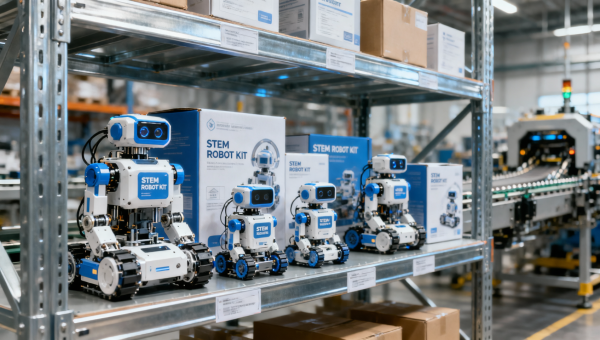
Vietnam’s Ministry of Industry and Trade (MOIT) announced on May 16, 2026, the elimination of import VAT for STEM education robots and the full rollout of the ASEAN electronic Certificate of Origin (e-CO) system—effective June 1, 2026. Exporters of educational robotics and STEM kits from China, particularly those leveraging RCEP origin declarations, stand to gain faster clearance and zero tariff access. This development is especially relevant for exporters of educational technology, toy manufacturers, cross-border supply chain operators, and customs compliance professionals.
Event Overview
On May 16, 2026, Vietnam’s Ministry of Industry and Trade issued Decision No. 28/QĐ-BCT. Effective June 1, 2026, the import value-added tax (VAT) on goods classified under HS code 9503.00.90—specifically programming robots and STEM educational kits—will be reduced from 10% to 0%. Concurrently, Vietnam will fully implement the ASEAN electronic Certificate of Origin (e-CO) system. Under this framework, Chinese exporters of STEM and educational toys may use RCEP-origin declarations to qualify for zero tariffs and achieve an estimated 40% improvement in customs clearance efficiency.
Industries Affected
Direct Exporters (China-based)
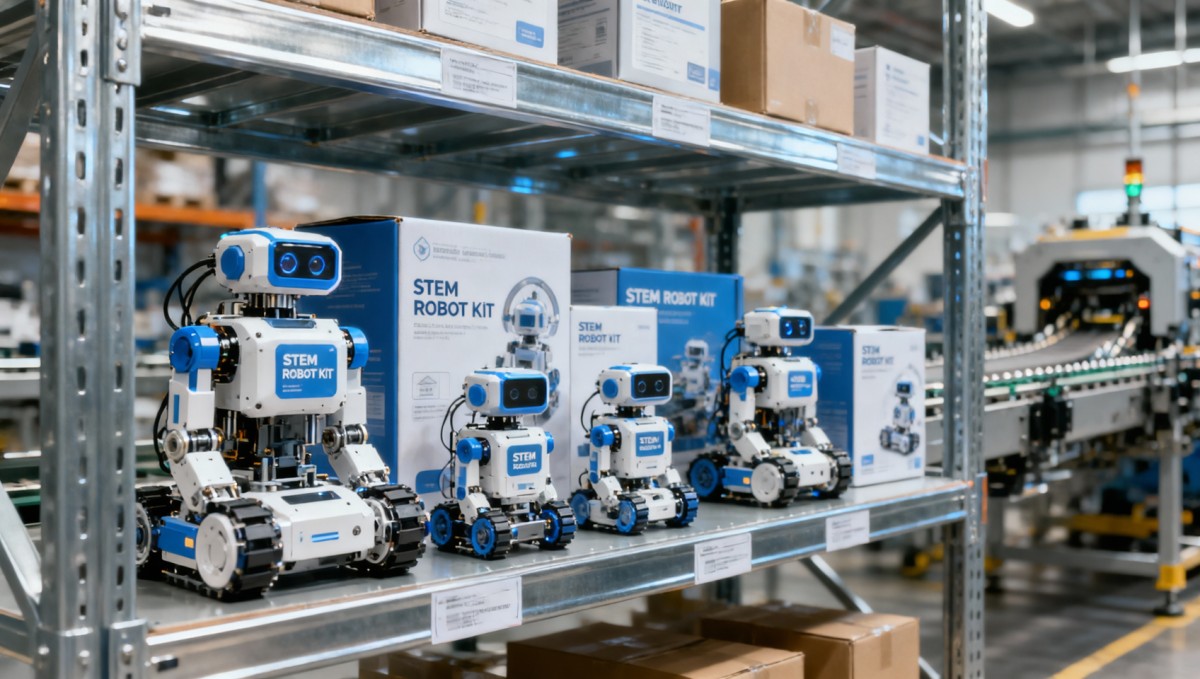
Chinese enterprises exporting STEM kits and programmable educational robots to Vietnam fall directly within the scope of this policy change. The VAT exemption lowers landed cost and improves price competitiveness in the Vietnamese market. The shift to e-CO also reduces administrative overhead tied to paper-based CO processing and physical submission requirements.
Contract Manufacturers & OEMs
Manufacturers producing STEM hardware or assembly kits for export brands—including those fulfilling private-label orders for global edtech distributors—are affected indirectly. With VAT removed at import, buyers may renegotiate landed-cost terms, potentially pressuring unit pricing or delivery timelines. Compliance with HS code 9503.00.90 classification becomes more critical for accurate duty treatment.
Logistics & Customs Service Providers
Firms offering Vietnam-bound freight forwarding, customs brokerage, or origin certification services must adapt to the mandatory e-CO system. Paper CO submissions will no longer be accepted for covered goods after June 1, 2026. Integration with ASEAN’s e-CO platform—and verification of RCEP declaration validity—becomes a core operational requirement.
Distribution & Channel Partners in Vietnam
Local importers, distributors, and retail channel partners handling STEM products face revised cost structures and faster inventory turnover potential. However, they must ensure upstream suppliers provide valid RCEP origin statements and compliant product classification to claim zero-VAT treatment—failure to do so may result in retroactive assessments.
Key Considerations and Recommended Actions
Monitor official MOIT guidance on RCEP declaration validation criteria
The announcement confirms eligibility for zero tariffs via RCEP origin declarations—but does not specify verification protocols or documentation thresholds. Exporters should track MOIT or General Department of Vietnam Customs updates to confirm whether self-certified statements suffice or third-party attestation is required.
Verify HS code alignment for all STEM-related SKUs
Only products under HS 9503.00.90 qualify. Items such as microcontroller boards (e.g., Arduino, Raspberry Pi), non-educational robotics, or general electronics accessories fall outside this scope. Companies should audit current export SKUs against Vietnam’s Harmonized System interpretation—not just their own internal classifications.
Distinguish between VAT exemption and tariff elimination
This measure removes import VAT only—not import duties. While RCEP may eliminate tariffs for many STEM goods, VAT removal is a separate fiscal policy. Businesses must assess both components independently when calculating total landed cost.
Prepare for e-CO system integration ahead of June 1, 2026
Exporters and logistics providers should confirm readiness to generate, transmit, and validate e-CO data through ASEAN’s authorized platforms. Testing connectivity, digital signature setup, and staff training on e-CO workflows are advisable before the effective date.
Editorial Perspective / Industry Observation
Observably, this policy signals Vietnam’s targeted effort to accelerate adoption of STEM education infrastructure—not merely broaden trade access. The simultaneous introduction of e-CO suggests intent to modernize customs administration while incentivizing high-value, pedagogically aligned imports. Analysis shows that the VAT cut applies narrowly (only to HS 9503.00.90), indicating it is not a broad-based stimulus but a calibrated intervention. From an industry perspective, it functions less as an immediate revenue driver for exporters and more as a structural enabler—lowering friction for compliant, well-classified shipments. Current implementation remains contingent on accurate origin documentation and strict HS adherence; therefore, its real-world impact hinges on execution discipline across the supply chain.
Conclusion:
This announcement represents a procedural and fiscal adjustment—not a sweeping market-opening event. Its significance lies in improved predictability and reduced transaction costs for a tightly defined product category. For stakeholders, it is best understood as an operational upgrade requiring precise classification, documentation rigor, and system readiness—not a strategic pivot. Continued attention should focus on how consistently Vietnam’s customs authorities apply the new rules post-June 1, 2026.
Source(s): Vietnam Ministry of Industry and Trade (MOIT), Decision No. 28/QĐ-BCT dated May 16, 2026. Note: Implementation details for RCEP declaration validation and e-CO technical integration remain subject to further official guidance.
Related Intelligence
 Skincare OEMAug 16, 2026Amazon Enforces AI Human Metadata Rule for Beauty and Personal Care SellersAmazon now enforces AI human metadata rules for beauty sellers. Learn how to protect listings, traffic, and compliance in skincare, cosmetics, and beauty devices.
 Beauty DevicesAug 15, 2026China to Roll Out Nationwide Cross-Border Cash Pooling for MultinationalsChina to roll out nationwide cross-border cash pooling for multinationals from Sept. 14. Discover how this policy could improve treasury efficiency, liquidity management, and China-linked supply chains.
 Beauty DevicesAug 14, 2026China Imposes Temporary Export Ban on Helium, Affecting Cooling Supply ChainsChina's temporary helium export ban may disrupt cooling supply chains for beauty RF devices and laser systems. Learn what ODMs, buyers, and procurement teams should check now.
![]() Cosmetics & PkgAug 13, 2026PPWR becomes mandatory: Beauty and personal care packaging materials usher in new EPR and PFAS compliance requirementsPPWR takes effect for cosmetics packaging in the EU, bringing EPR registration and PFAS limits. Learn what brands, importers, and suppliers must do now.
Cosmetics & PkgAug 13, 2026PPWR becomes mandatory: Beauty and personal care packaging materials usher in new EPR and PFAS compliance requirementsPPWR takes effect for cosmetics packaging in the EU, bringing EPR registration and PFAS limits. Learn what brands, importers, and suppliers must do now. Cosmetics & PkgAug 12, 2026EU PPWR Now Enforced for Beauty Packaging ComplianceEU PPWR now enforced for beauty packaging compliance: learn how EPR, ERN, heavy metals and PFAS rules affect EU exports, customs clearance and platform sales.
 Cosmetics & PkgAug 11, 2026EU PPWR Rules Take Effect on Aug. 12 for Beauty PackagingEU PPWR rules for beauty packaging take effect on Aug. 12, 2026. Learn key compliance steps, EPR, labeling, PFAS limits, and how to avoid customs delays and fines.
 Smart Pet DevicesAug 10, 2026EU EPR Rules to Cover Smart Pet Devices on Aug. 15EU EPR Rules will cover smart pet devices from Aug. 15, 2026. Learn how smart collars, feeders, and monitoring devices can avoid delisting, customs delays, and compliance risks in the EU.
 Infant Feeding & CareAug 09, 2026CPSC Recalls Baby Sleep Sacks Over Undeclared TDCPPCPSC Recalls Baby Sleep Sacks Over Undeclared TDCPP: learn how this 2026 recall impacts CPC documents, third-party testing, and U.S. baby product compliance for exporters.
 Infant Feeding & CareAug 08, 2026ECHA Adds 5 SVHCs, Importer Notices Due From Oct 2026ECHA adds 5 SVHCs to the Candidate List, with importer notices due from October 2026. Learn how REACH affects exporters, supply chains, and documentation readiness.
 Baby Gear & StrollersAug 07, 2026CPSC Revises Crib Rail Standard for November 2026CPSC revises crib rail standard for November 2026, adding dynamic impact tests and mandatory third-party lab testing. Learn how the new rule affects U.S. market access, compliance, and shipments.
 Electronic & RC ToysAug 06, 2026EU to Require EN IEC 62115:2025 for Electronic ToysEU to Require EN IEC 62115:2025 for Electronic Toys from Oct 1, 2026. Learn scope, battery and AI safety updates, CE compliance risks, and how exporters can avoid customs delays.
 Baby Gear & StrollersAug 05, 2026US Stroller Stability Rule Takes Effect Aug. 15US Stroller Stability Rule Takes Effect Aug. 15: learn how new U.S. stroller compliance, ASTM F833-26a, and CPSC testing rules may affect imports, certification, and shipment readiness.
 Infant Feeding & CareAug 04, 2026ECHA Adds 5 SVHCs, Triggering Baby Care Export ReviewECHA adds 5 SVHCs, prompting an urgent baby care export review for EU-bound products. Learn the 0.1% threshold risks, compliance steps, and how to avoid customs delays and fines.












