
Pet Manufacturing Practices Behind Durable Pet Strollers
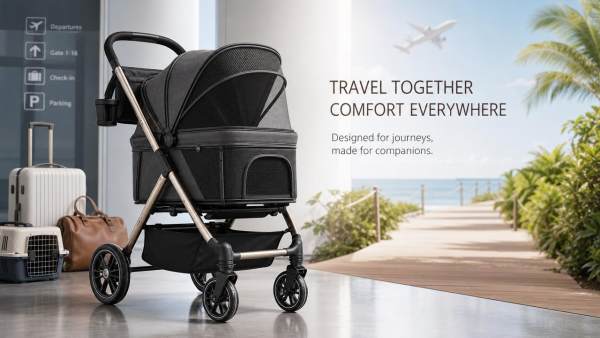
Behind every durable pet stroller is a disciplined chain of pet manufacturing practices. In travel services, product reliability affects safety, trip planning, and customer satisfaction.
A stroller used in airports, resorts, parks, and urban tours faces vibration, folding stress, weather shifts, and repeated loading. Manufacturing decisions determine whether it performs well after months of use.
For travel-related sourcing, understanding pet manufacturing practices helps reduce returns, support compliance, and improve lifecycle value. It also creates stronger trust when selecting pet mobility products for demanding journeys.
What Pet Manufacturing Practices Mean in Durable Stroller Production
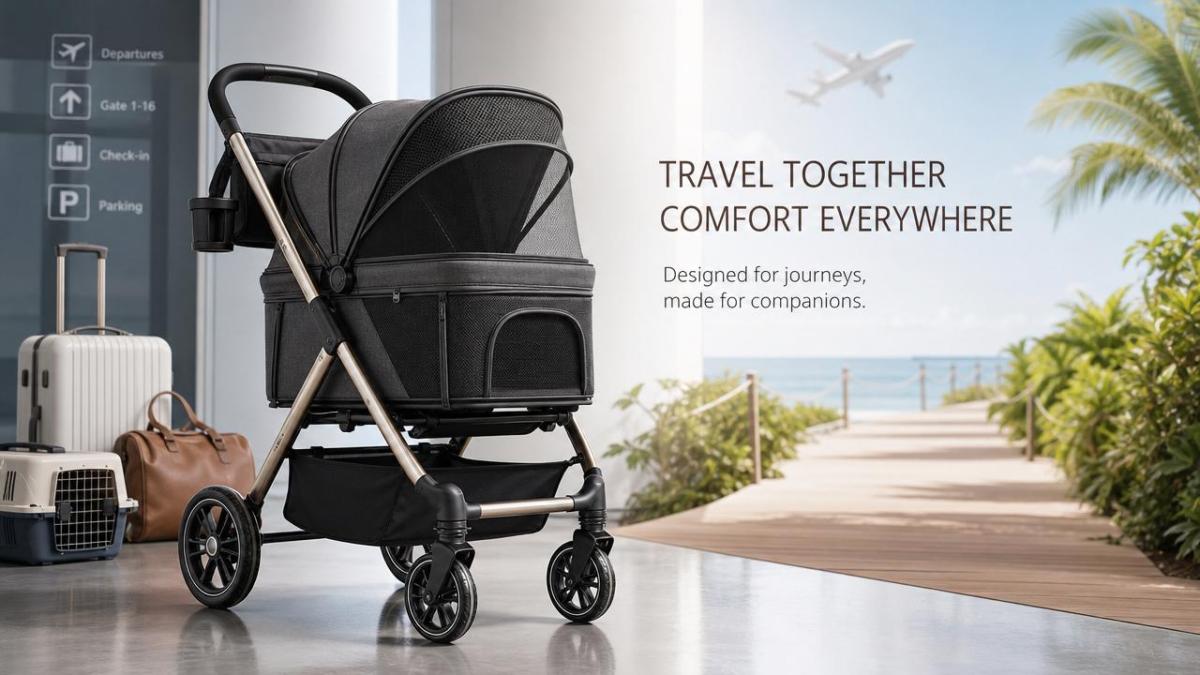
In this context, pet manufacturing practices refer to controlled methods used to design, source, assemble, test, and inspect a pet stroller before shipment.
These practices cover frame material selection, fabric performance, wheel construction, braking systems, folding mechanisms, and packaging protection. Each step influences field durability.
Strong pet manufacturing practices are not limited to appearance. They focus on repeatable output, stable tolerances, safety verification, and traceable quality controls across production batches.
For travel services, this matters because strollers often support moving pets through terminals, hotel corridors, sidewalks, and outdoor attractions. Weak build quality quickly becomes visible.
Core elements usually included
- Material qualification for frames, textiles, plastics, and fasteners
- Supplier verification and incoming component inspection
- Controlled welding, riveting, stitching, and assembly procedures
- Static load, rolling fatigue, brake, and fold-cycle testing
- Final inspection, labeling accuracy, and transit-safe packaging
Industry Context Shaping Current Pet Manufacturing Practices
Travel behavior has changed pet product expectations. More owners bring pets on domestic trips, city breaks, and outdoor vacations, increasing demand for compact and durable transport solutions.
At the same time, platforms and retailers expect documented compliance, consistent performance, and lower defect rates. This raises the importance of formal pet manufacturing practices.
Products linked to travel services also need practical features. Smooth rolling, quick folding, easy cleaning, and reliable restraint systems are no longer optional selling points.
As a result, pet manufacturing practices now extend beyond factory output. They shape customer reviews, logistics resilience, and long-term retail performance in travel-adjacent categories.
Manufacturing Decisions That Most Affect Durability
Frame engineering is the first durability checkpoint. Aluminum alloys are valued for low weight, while steel can offer strength where higher loads or rough surfaces are expected.
However, metal choice alone is not enough. Tube thickness, joint design, weld quality, and anti-corrosion finishing define how the stroller behaves after repeated use.
Textiles and soft components
Canopy and cabin fabrics should resist tearing, fading, and odor retention. Reinforced seams and stable stitching patterns are central pet manufacturing practices for travel-ready products.
Mesh panels need balanced airflow and tensile strength. Weak mesh may fail during scratching, while poor edge finishing can create discomfort or safety concerns.
Wheel and brake systems
Wheels absorb much of the travel environment. Hard plastics may reduce cost, but better compounds can improve wear life, grip, noise control, and shock handling.
Brakes should engage cleanly without excessive force. Good pet manufacturing practices require repeat testing on slopes, smooth floors, and uneven surfaces.
Folding structures and locking points
Travel strollers are folded often. That makes hinge wear, latch precision, and lock confirmation critical. Weak locking points are a common source of complaints and safety incidents.
Controlled cycle testing helps identify fatigue before launch. It is one of the most practical pet manufacturing practices for preventing early product failure.
Why These Pet Manufacturing Practices Matter for Travel Services
Travel services rely on smooth movement, predictable equipment behavior, and positive user feedback. A durable pet stroller supports all three outcomes.
When pet manufacturing practices are weak, failures may appear during boarding, hotel check-in, sightseeing, or transfers. These moments create disruption and reputational risk.
Well-made strollers improve comfort for pets during long walks and waiting periods. They also reduce maintenance concerns in rental, hospitality, and destination-service environments.
- Lower replacement frequency during seasonal travel peaks
- Fewer complaints linked to wheel breakage or frame instability
- Better alignment with premium pet-friendly travel positioning
- Higher confidence in safety documentation and inspection records
In short, pet manufacturing practices influence more than production quality. They directly affect service continuity and the perceived standard of pet-inclusive travel experiences.
Typical Use Scenarios and Product Priorities
Different travel settings create different durability priorities. Matching the stroller specification to the use case improves sourcing accuracy and product satisfaction.
Practical Evaluation Points Before Final Selection
Review technical files, not only product photos. Durable output is easier to verify through test reports, bill of materials detail, and inspection consistency.
Check the production control path
- Confirm incoming inspection standards for tubing, fabric, wheels, and hardware
- Ask how welding, stitching, and final assembly are monitored
- Verify whether critical defects trigger corrective action records
Prioritize realistic performance testing
Request evidence of rolling endurance, brake repeatability, handle fatigue, and loaded fold cycles. These pet manufacturing practices reveal how designs behave beyond showroom conditions.
Examine packaging and transit protection
A durable stroller can still arrive damaged. Carton strength, internal protection, and moisture control should be assessed alongside the product itself.
This is especially relevant in global supply chains where multiple handoffs can expose wheel assemblies, painted frames, and plastic trims to impact.
Operational Guidance for Better Long-Term Results
The most effective approach is to align design intent, field use, and verification standards from the beginning. Strong pet manufacturing practices work best when expectations are measurable.
- Define the travel environment first, including terrain, folding frequency, and cleaning needs.
- Map critical components to likely failure points such as hinges, wheels, brakes, and fabric seams.
- Set minimum test thresholds before production approval.
- Use pilot samples to validate actual use conditions, not only lab assumptions.
- Track post-delivery issues and feed them back into material or process improvements.
Durability is rarely accidental. It comes from disciplined pet manufacturing practices applied consistently across engineering, sourcing, assembly, and final quality release.
For organizations building reliable pet-friendly travel offerings, the next step is simple: evaluate strollers through a manufacturing lens, not only a merchandising lens.
That shift supports safer journeys, better service outcomes, and stronger confidence in every product chosen for modern pet mobility.
Related Intelligence
 Skincare OEMAug 16, 2026Amazon Enforces AI Human Metadata Rule for Beauty and Personal Care SellersAmazon now enforces AI human metadata rules for beauty sellers. Learn how to protect listings, traffic, and compliance in skincare, cosmetics, and beauty devices.
 Beauty DevicesAug 15, 2026China to Roll Out Nationwide Cross-Border Cash Pooling for MultinationalsChina to roll out nationwide cross-border cash pooling for multinationals from Sept. 14. Discover how this policy could improve treasury efficiency, liquidity management, and China-linked supply chains.
 Beauty DevicesAug 14, 2026China Imposes Temporary Export Ban on Helium, Affecting Cooling Supply ChainsChina's temporary helium export ban may disrupt cooling supply chains for beauty RF devices and laser systems. Learn what ODMs, buyers, and procurement teams should check now.
![]() Cosmetics & PkgAug 13, 2026PPWR becomes mandatory: Beauty and personal care packaging materials usher in new EPR and PFAS compliance requirementsPPWR takes effect for cosmetics packaging in the EU, bringing EPR registration and PFAS limits. Learn what brands, importers, and suppliers must do now.
Cosmetics & PkgAug 13, 2026PPWR becomes mandatory: Beauty and personal care packaging materials usher in new EPR and PFAS compliance requirementsPPWR takes effect for cosmetics packaging in the EU, bringing EPR registration and PFAS limits. Learn what brands, importers, and suppliers must do now. Cosmetics & PkgAug 12, 2026EU PPWR Now Enforced for Beauty Packaging ComplianceEU PPWR now enforced for beauty packaging compliance: learn how EPR, ERN, heavy metals and PFAS rules affect EU exports, customs clearance and platform sales.
 Cosmetics & PkgAug 11, 2026EU PPWR Rules Take Effect on Aug. 12 for Beauty PackagingEU PPWR rules for beauty packaging take effect on Aug. 12, 2026. Learn key compliance steps, EPR, labeling, PFAS limits, and how to avoid customs delays and fines.
 Smart Pet DevicesAug 10, 2026EU EPR Rules to Cover Smart Pet Devices on Aug. 15EU EPR Rules will cover smart pet devices from Aug. 15, 2026. Learn how smart collars, feeders, and monitoring devices can avoid delisting, customs delays, and compliance risks in the EU.
 Infant Feeding & CareAug 09, 2026CPSC Recalls Baby Sleep Sacks Over Undeclared TDCPPCPSC Recalls Baby Sleep Sacks Over Undeclared TDCPP: learn how this 2026 recall impacts CPC documents, third-party testing, and U.S. baby product compliance for exporters.
 Infant Feeding & CareAug 08, 2026ECHA Adds 5 SVHCs, Importer Notices Due From Oct 2026ECHA adds 5 SVHCs to the Candidate List, with importer notices due from October 2026. Learn how REACH affects exporters, supply chains, and documentation readiness.
 Baby Gear & StrollersAug 07, 2026CPSC Revises Crib Rail Standard for November 2026CPSC revises crib rail standard for November 2026, adding dynamic impact tests and mandatory third-party lab testing. Learn how the new rule affects U.S. market access, compliance, and shipments.
 Electronic & RC ToysAug 06, 2026EU to Require EN IEC 62115:2025 for Electronic ToysEU to Require EN IEC 62115:2025 for Electronic Toys from Oct 1, 2026. Learn scope, battery and AI safety updates, CE compliance risks, and how exporters can avoid customs delays.
 Baby Gear & StrollersAug 05, 2026US Stroller Stability Rule Takes Effect Aug. 15US Stroller Stability Rule Takes Effect Aug. 15: learn how new U.S. stroller compliance, ASTM F833-26a, and CPSC testing rules may affect imports, certification, and shipment readiness.
 Infant Feeding & CareAug 04, 2026ECHA Adds 5 SVHCs, Triggering Baby Care Export ReviewECHA adds 5 SVHCs, prompting an urgent baby care export review for EU-bound products. Learn the 0.1% threshold risks, compliance steps, and how to avoid customs delays and fines.












