
2026 Shenzhen Toy Fair Opens April 9: Global Buyers Focus on China’s Trendy Toy Supply Chain Upgrade and Compliance Delivery Capabilities
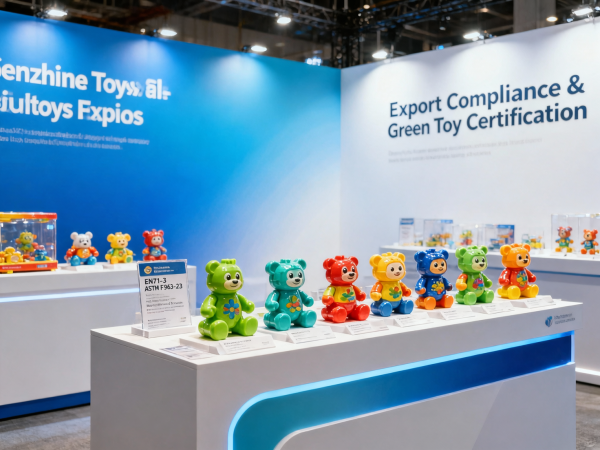
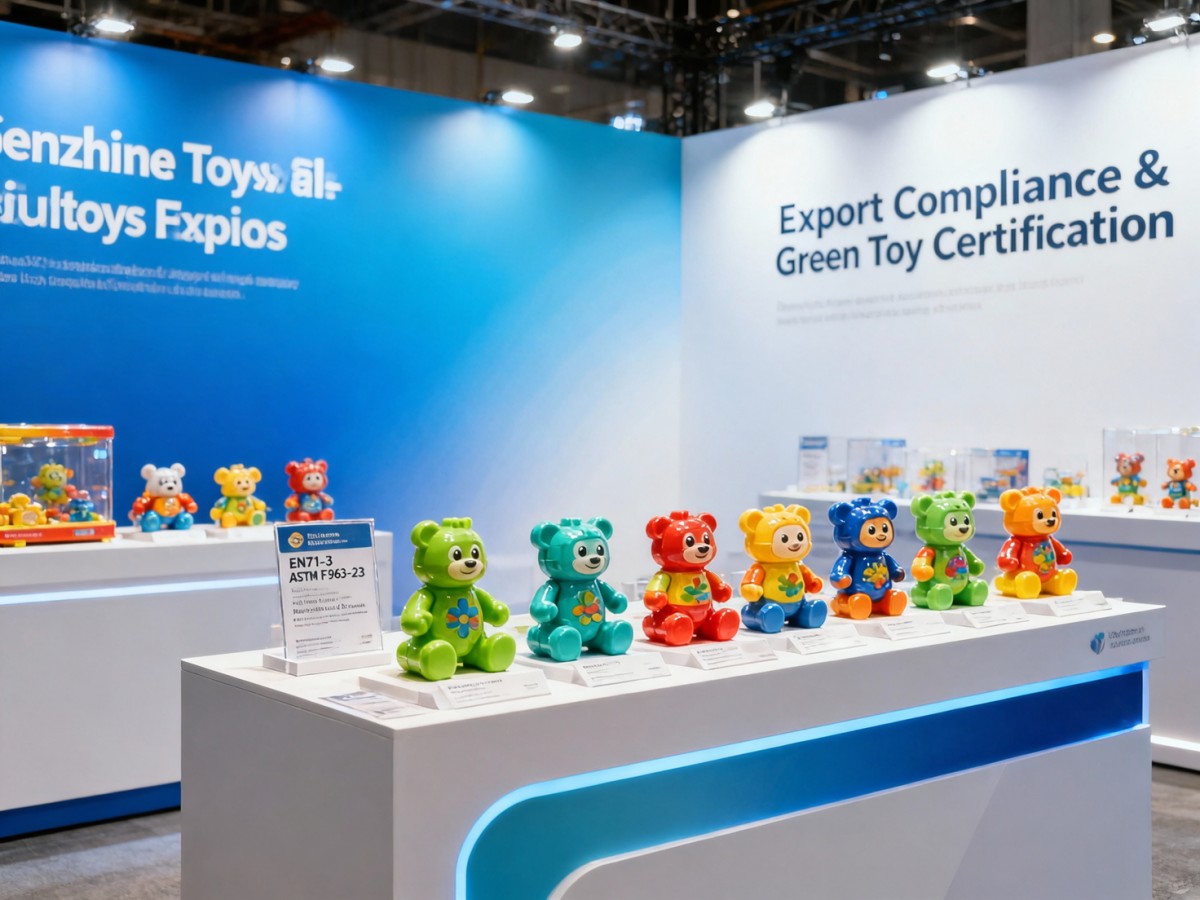
The 2026 Shenzhen Toy & Trendy Play Fair is set to take place from April 9 to 11 at the Shenzhen World Exhibition & Convention Center, attracting pre-registered buyers from over 50 countries. The event highlights China’s evolving toy supply chain, with a dedicated "Export Compliance & Green Toy Certification" zone addressing key regulations like the revised EU EN71-3, ASTM F963-23, and CPSC guidelines. The concurrent release of the China Toy Export Delivery Capability White Paper (2026 Q1) reveals that leading Guangdong manufacturers have reduced average delivery times to 38 days while increasing eco-material adoption to 67%. For global importers, this fair serves as a critical platform to assess Chinese suppliers’ adaptability to new regulations, certification responsiveness, and sustainable production capacity.
Event Overview
Scheduled for April 9–11, 2026, the Shenzhen Toy & Trendy Play Fair will feature:
- Participation from 50+ countries’ buyers
- A first-time joint service zone for export compliance (covering EU, US, and CPSC updates)
- Release of industry data showing Guangdong factories’ 38-day average lead time and 67% sustainable material usage
Impact on Key Sub-Sectors
1. Toy OEM/ODM Manufacturers
The white paper’s delivery time metrics (38 days) and material substitution rates (67%) set new benchmarks. Suppliers without equivalent capabilities may face order diversion to compliant factories.
2. Compliance Certification Services
With EN71-3, ASTM F963-23, and CPSC updates in focus, testing agencies and consultants should anticipate surged demand for pre-certification consultations during Q2 2026.
3. Sustainable Material Suppliers
The reported 67% eco-material adoption rate signals accelerated procurement shifts toward bio-based plastics, water-based coatings, and recycled textiles.
Actionable Insights for Industry Players
Prioritize Regulatory Alignment
Manufacturers should cross-check their product lines against the exhibited EN71-3 and ASTM F963-23 revisions, particularly for heavy metal limits and mechanical safety updates.
Audit Supply Chain Readiness
The 38-day delivery benchmark implies optimized production planning. Mid-tier factories may need logistics upgrades to remain competitive.
Leverage Certification Synergies
Forward-looking brands could bundle CE/FCC marks with emerging sustainability certifications (e.g., TÜV Green Toy) for premium pricing.
Industry Observation
From an industry perspective, the fair’s emphasis on compliance reflects two converging trends: (1) Western markets’ tightening toy safety enforcement, and (2) Chinese suppliers’ strategic pivot from cost leadership to regulatory agility. The 67% eco-material rate—while impressive—still indicates a 33% gap where traditional materials remain price-competitive for budget segments.
Current developments suggest this event is less about announcing breakthroughs than demonstrating systemic operational upgrades. The real test will be whether Q2–Q3 2026 export data reflects these improvements at scale.
Conclusion
This fair serves as a reality check for global toy sourcing strategies. While Chinese suppliers show measurable progress in compliance and sustainability, buyers should treat the 38-day/67% metrics as tier-1 factory standards rather than industry-wide norms. The joint certification zone’s traffic volume post-event will be a leading indicator of regulatory adaptation urgency.
Sources
- 2026 Shenzhen Toy & Trendy Play Fair official announcement
- China Toy Export Delivery Capability White Paper (2026 Q1)
- Pending verification: Post-event buyer attendance analytics (to be updated May 2026)
Related Intelligence
 Skincare OEMAug 16, 2026Amazon Enforces AI Human Metadata Rule for Beauty and Personal Care SellersAmazon now enforces AI human metadata rules for beauty sellers. Learn how to protect listings, traffic, and compliance in skincare, cosmetics, and beauty devices.
 Beauty DevicesAug 15, 2026China to Roll Out Nationwide Cross-Border Cash Pooling for MultinationalsChina to roll out nationwide cross-border cash pooling for multinationals from Sept. 14. Discover how this policy could improve treasury efficiency, liquidity management, and China-linked supply chains.
 Beauty DevicesAug 14, 2026China Imposes Temporary Export Ban on Helium, Affecting Cooling Supply ChainsChina's temporary helium export ban may disrupt cooling supply chains for beauty RF devices and laser systems. Learn what ODMs, buyers, and procurement teams should check now.
![]() Cosmetics & PkgAug 13, 2026PPWR becomes mandatory: Beauty and personal care packaging materials usher in new EPR and PFAS compliance requirementsPPWR takes effect for cosmetics packaging in the EU, bringing EPR registration and PFAS limits. Learn what brands, importers, and suppliers must do now.
Cosmetics & PkgAug 13, 2026PPWR becomes mandatory: Beauty and personal care packaging materials usher in new EPR and PFAS compliance requirementsPPWR takes effect for cosmetics packaging in the EU, bringing EPR registration and PFAS limits. Learn what brands, importers, and suppliers must do now. Cosmetics & PkgAug 12, 2026EU PPWR Now Enforced for Beauty Packaging ComplianceEU PPWR now enforced for beauty packaging compliance: learn how EPR, ERN, heavy metals and PFAS rules affect EU exports, customs clearance and platform sales.
 Cosmetics & PkgAug 11, 2026EU PPWR Rules Take Effect on Aug. 12 for Beauty PackagingEU PPWR rules for beauty packaging take effect on Aug. 12, 2026. Learn key compliance steps, EPR, labeling, PFAS limits, and how to avoid customs delays and fines.
 Smart Pet DevicesAug 10, 2026EU EPR Rules to Cover Smart Pet Devices on Aug. 15EU EPR Rules will cover smart pet devices from Aug. 15, 2026. Learn how smart collars, feeders, and monitoring devices can avoid delisting, customs delays, and compliance risks in the EU.
 Infant Feeding & CareAug 09, 2026CPSC Recalls Baby Sleep Sacks Over Undeclared TDCPPCPSC Recalls Baby Sleep Sacks Over Undeclared TDCPP: learn how this 2026 recall impacts CPC documents, third-party testing, and U.S. baby product compliance for exporters.
 Infant Feeding & CareAug 08, 2026ECHA Adds 5 SVHCs, Importer Notices Due From Oct 2026ECHA adds 5 SVHCs to the Candidate List, with importer notices due from October 2026. Learn how REACH affects exporters, supply chains, and documentation readiness.
 Baby Gear & StrollersAug 07, 2026CPSC Revises Crib Rail Standard for November 2026CPSC revises crib rail standard for November 2026, adding dynamic impact tests and mandatory third-party lab testing. Learn how the new rule affects U.S. market access, compliance, and shipments.
 Electronic & RC ToysAug 06, 2026EU to Require EN IEC 62115:2025 for Electronic ToysEU to Require EN IEC 62115:2025 for Electronic Toys from Oct 1, 2026. Learn scope, battery and AI safety updates, CE compliance risks, and how exporters can avoid customs delays.
 Baby Gear & StrollersAug 05, 2026US Stroller Stability Rule Takes Effect Aug. 15US Stroller Stability Rule Takes Effect Aug. 15: learn how new U.S. stroller compliance, ASTM F833-26a, and CPSC testing rules may affect imports, certification, and shipment readiness.
 Infant Feeding & CareAug 04, 2026ECHA Adds 5 SVHCs, Triggering Baby Care Export ReviewECHA adds 5 SVHCs, prompting an urgent baby care export review for EU-bound products. Learn the 0.1% threshold risks, compliance steps, and how to avoid customs delays and fines.












