Self Cleaning Litter Box vs Traditional Boxes: What Actually Saves Time
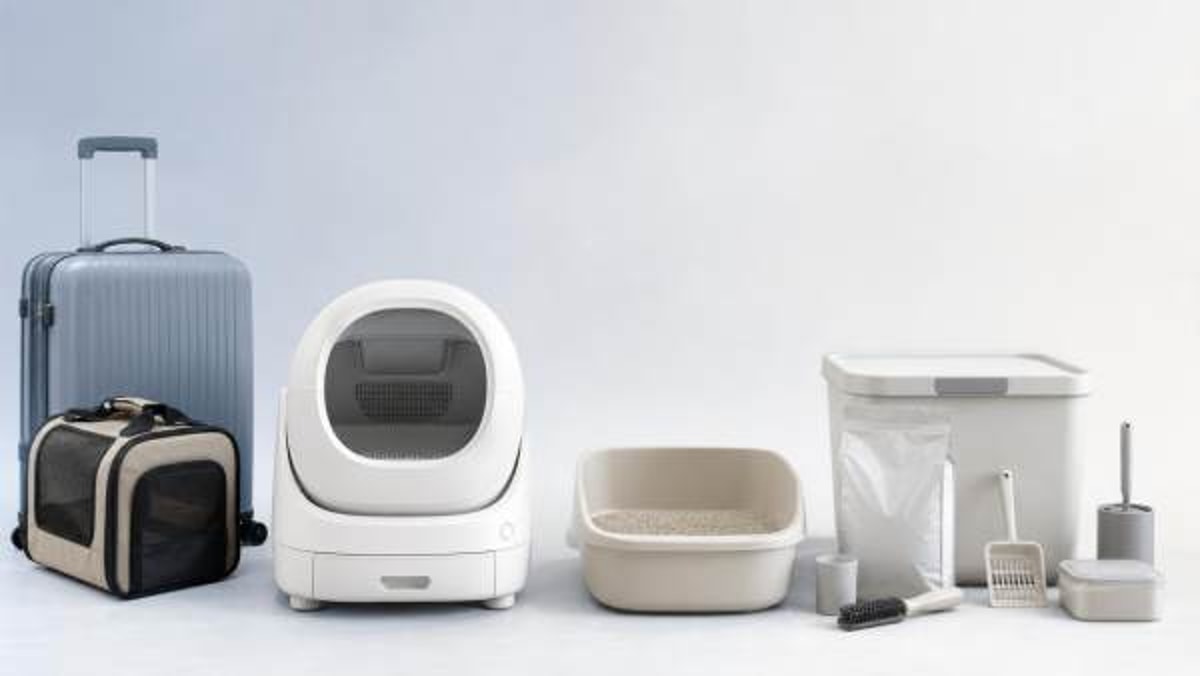
Choosing between a self cleaning litter box and a traditional litter box sounds simple—until daily scooping, odors, maintenance, and long-term costs add up. If you want a cleaner home and less hassle, this guide breaks down what actually saves time, where each option fits best, and how to decide based on your routine, budget, and your cat’s comfort.
For consumers who travel often, split time between home and short stays, or rely on pet sitters during business trips and holidays, the decision is not only about convenience. It affects cleaning schedules, odor control within 24–72 hours, the number of daily care steps, and even how confidently you can leave home for 1–3 days. In the broader pet economy, the self cleaning litter box has become part of a lifestyle conversation tied to mobility, time management, and more flexible living.
This article looks at what actually saves time in real use, where traditional boxes still make sense, what maintenance many buyers underestimate, and how travel-heavy households can choose with fewer regrets. Rather than focusing on hype, the goal is to help you compare labor, cost, cleaning frequency, and cat adaptation in a practical way.
Time Savings in Daily Life: What Changes When You Travel or Stay Busy
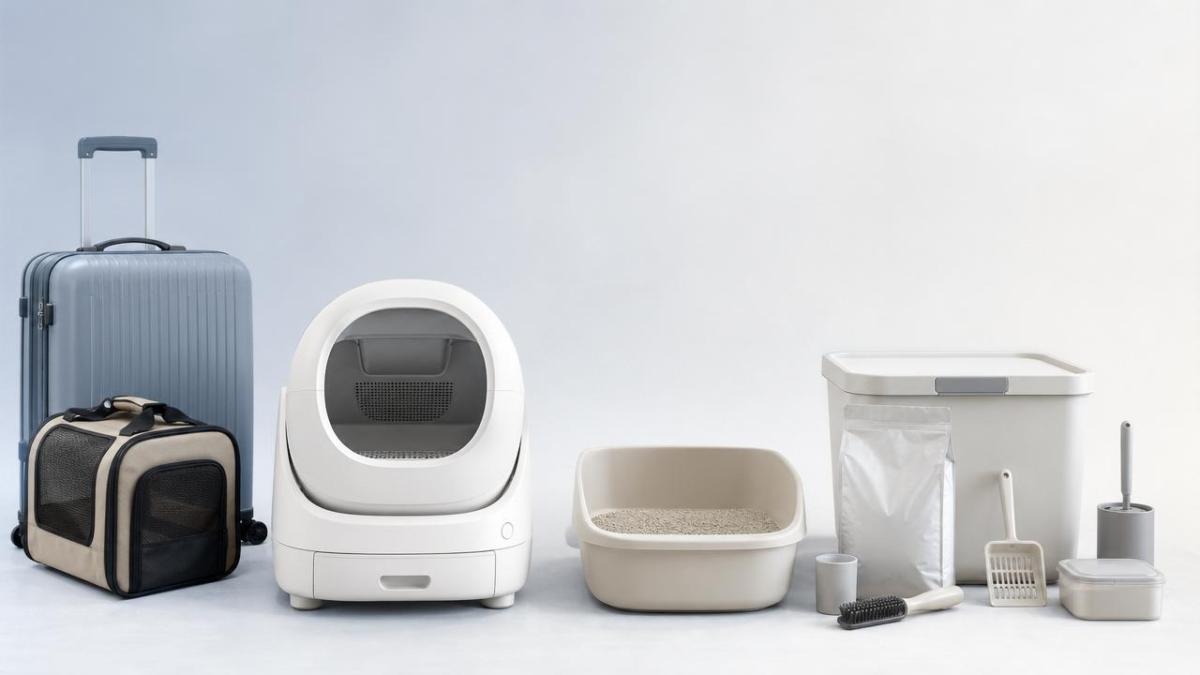
At first glance, a self cleaning litter box appears to eliminate one of the least pleasant parts of cat care. In reality, the biggest difference is not that all work disappears, but that the daily 5–10 minute scooping task is shifted into a less frequent maintenance cycle. For many households, that means emptying a waste drawer every 3–7 days instead of scooping 1–2 times per day.
For people who travel for weekends, work irregular hours, or manage multi-stop itineraries, this shift matters. A traditional litter box requires consistency. Miss even 24 hours and odor, clumping issues, and litter tracking usually increase fast. A self cleaning litter box can reduce that day-to-day pressure, especially when your routine is interrupted by airport transfers, hotel stays, or early departures.
Daily Task Breakdown
The true comparison becomes clearer when you map the number of care steps across a normal week. Traditional boxes often mean scooping, topping up litter, wiping edges, and checking odor control every day. Automated units usually reduce manual touchpoints, but they add a need for drawer checks, liner changes, and sensor-safe cleaning every 1–4 weeks.
The table below compares the typical time pattern most consumers experience after the first 2–3 weeks of use, once routines stabilize.
The main takeaway is simple: the self cleaning litter box usually saves time at the daily level, not necessarily across every maintenance category. If your biggest problem is repeated daily scooping, automation helps. If your main issue is occasional full cleaning, the advantage is smaller but still noticeable.
Where Traditional Boxes Still Win
A traditional box can still be faster in small-space homes, for first-time cat owners, or for households that prefer simple, low-cost routines. There is no setup learning curve, no moving parts, and no need to monitor power connection, drawer sensors, or app alerts. For one cat and an owner who is home most days, 5 minutes of scooping may feel easier than managing a device.
Best-fit scenarios for traditional setups
- Homes with a stable daily routine and low travel frequency
- Consumers who want the lowest possible upfront cost
- Cats that are sensitive to noise, enclosed spaces, or changing toilet habits
- Temporary living situations such as short leases, student housing, or frequent moves
Cost, Maintenance, and Odor Control Over 30–90 Days
When people ask whether a self cleaning litter box saves time, they often ignore the second question: what does that saved time cost over 30, 60, or 90 days? The answer depends on three factors—purchase price, consumables, and how much you value reduced manual cleaning during work trips, family travel, and weekends away.
Traditional boxes usually cost less at the start. Automated units can cost several times more, and some models work best with specific waste liners, litter types, or replacement parts. However, a self cleaning litter box may reduce hidden costs linked to odor emergencies, last-minute sitter visits, and the need to ask someone to scoop during short travel windows.
30–90 Day Ownership Comparison
A practical comparison should include not just purchase cost, but how the box performs through a normal quarter. The table below outlines common trade-offs consumers evaluate before buying.
For many buyers, odor control becomes the deciding factor before raw cost. If a home is small, has limited ventilation, or doubles as a remote work space between trips, removing waste quickly can matter more than the purchase price difference. In those cases, a self cleaning litter box often delivers value through lower friction rather than lower total spending.
Maintenance Tasks Buyers Often Underestimate
Automation does not mean zero maintenance. Consumers should expect 4 recurring checks: waste drawer capacity, litter level, sensor cleanliness, and internal surface wipe-downs. Depending on the model and number of cats, these tasks may take 10–25 minutes each week combined. That is still less hands-on work than traditional scooping for many people, but it is not maintenance-free.
- Waste drawer inspection every 2–4 days in multi-cat homes
- Litter refill every 4–10 days depending on box size and litter type
- Interior cleaning every 2–4 weeks to avoid buildup
- Manual backup plan in case of power interruption or travel delay
How to Choose Based on Travel Patterns, Cat Behavior, and Home Setup
The best option depends less on product marketing and more on your living rhythm. If you leave home for 8–12 hours most days, take 1–2 short trips per month, or regularly coordinate pet care while traveling, your definition of time savings is different from someone who works from home every day. The right choice should reduce care friction without creating stress for your cat.
A 5-Point Selection Framework
- Measure your real cleaning time for 7 days before buying anything.
- Check whether your cat tolerates enclosed or moving environments.
- Estimate travel frequency: fewer than 3 nights away per quarter, or more than 1–2 nights away per month.
- Review home constraints such as noise sensitivity, floor space, and outlet access.
- Plan a fallback care routine for device failure, sitter delays, or litter mismatch.
This framework is useful because it shifts the decision from product features to user fit. A self cleaning litter box may be ideal for one traveler and frustrating for another if the cat resists change or the home layout is too tight for safe placement.
Who Benefits Most from a Self Cleaning Litter Box
The strongest fit usually includes busy professionals, frequent weekend travelers, couples with uneven schedules, and households where one person handles most pet chores. It also suits owners who prioritize odor control and want fewer daily tasks. In small apartments, especially where air circulation is limited, faster waste separation can noticeably improve comfort within the first 1–2 weeks.
Signs you are a strong candidate
- You miss scooping at least 2–3 times per week
- You depend on pet sitters during short travel periods
- You want a cleaner box without morning and evening manual routines
- You are comfortable handling periodic device cleaning and setup
When a Traditional Box Is the Smarter Purchase
A traditional box is often better for cautious cats, strict budgets, or consumers who value simplicity above all. It is also easier to transport during relocation, easier to replace on short notice, and easier for family members or temporary caregivers to understand immediately. If you travel rarely and do not mind 5 minutes of daily cleaning, the time benefit of automation may feel smaller than expected.
Common Mistakes, Travel-Specific Risks, and Smarter Buying Questions
Many disappointing purchases happen because buyers focus on the promise of “hands-free” care and skip the practical questions. That creates problems later, especially before holidays or business trips when the box is expected to work with minimal intervention. A self cleaning litter box can support a mobile lifestyle, but it should be treated as a managed system, not an unattended appliance.
Mistakes to Avoid
- Switching litter types without checking compatibility or clumping performance
- Leaving for a 2–3 day trip before the cat has adapted over at least 7–14 days
- Ignoring waste drawer limits in two-cat households
- Assuming odor control removes the need for room ventilation
- Skipping a backup plan if power, Wi-Fi, or a sensor issue interrupts operation
Questions Worth Asking Before You Buy
Ask how often the waste compartment needs emptying with one cat versus two. Ask whether the design is open or enclosed, and whether your cat has used a covered box before. Ask what parts require hand cleaning and how long a full maintenance cycle takes. For travel-focused buyers, also ask whether a sitter can easily understand the unit in under 5 minutes.
If you are choosing for a household with regular travel, the smartest purchase is often the option that balances three outcomes: fewer daily chores, acceptable weekly maintenance, and low stress for the cat. Those three priorities matter more than premium features on paper.
Final Decision: What Actually Saves Time for Most Consumers
For most busy households, a self cleaning litter box saves time by reducing daily scooping, improving odor control between cleanings, and making short absences easier to manage. The savings are strongest when routines are irregular, travel is frequent, or one person carries most of the pet care workload. Traditional boxes still make sense for budget-first buyers, cats that dislike change, and homes where manual cleaning is easy to maintain every day.
The most practical choice is the one that fits your weekly schedule, your cat’s behavior, and your tolerance for ongoing maintenance. If you are evaluating pet care products as part of a more travel-flexible lifestyle, focus on realistic use over 30–90 days rather than a one-day impression. To explore more consumer-focused pet economy insights, sourcing trends, and product decision guidance, contact us today to get a tailored solution or learn more about smarter buying options.
Related Intelligence
 Cosmetics & PkgMay 05, 2026Malaysia SIRIM Updates Eco-Label Rules for Cosmetic PackagingMalaysia SIRIM updates eco-label rules for cosmetic packaging: New MS 2685:2026 Annex D mandates ingredient-level bioplastic labeling — avoid 35% green tariffs!
 Electronic & RC ToysMay 05, 2026ICTI ETP 2026 Requires Blockchain Labor Traceability for RC Toy FactoriesICTI ETP 2026 mandates blockchain labor traceability for RC toy factories—learn how TrusTrace integration, deadlines, and compliance impact Walmart/Target suppliers.
 Nursery Furniture & MonitorsMay 05, 2026Shopee Launches Baby & Maternity Health Whitelist in SEAShopee’s Baby & Maternity Health Whitelist now requires CNAS-CPC certification for nursery furniture & baby monitors in Indonesia, Thailand, Vietnam — act now to avoid listing delays!
 Beauty DevicesMay 05, 2026Korea MFDS: Beauty Device Li-ion Cells Require UN38.3 + KC 62133-2:2026Korea MFDS now mandates UN38.3 + KC 62133-2:2026 for Li-ion cells in beauty devices—critical for exporters, suppliers & importers. Act before 1 Aug 2026!
") Nursery Furniture & MonitorsMay 05, 2026Amazon Japan Removes Non-Compliant Baby Monitors (JIS T 2101:2026)Amazon Japan removed non-compliant baby monitors lacking JIS T 2101:2026 certification and ≤0.3% AI false-alarm rate — act now to restore listings & avoid sales disruption.
Nursery Furniture & MonitorsMay 05, 2026Amazon Japan Removes Non-Compliant Baby Monitors (JIS T 2101:2026)Amazon Japan removed non-compliant baby monitors lacking JIS T 2101:2026 certification and ≤0.3% AI false-alarm rate — act now to restore listings & avoid sales disruption. STEM & Educational ToysMay 05, 2026Ningbo-Zhoushan Port Launches STEM Toy Green LaneSTEM toy green lane launched at Ningbo-Zhoushan Port — fast-track ASTM F963-23 customs clearance for exporters. Save 2.3 days, boost U.S. shipment efficiency!
 Smart Pet DevicesMay 05, 2026SASO Mandates Dual Cybersecurity Certification for Smart Pet Devices in Saudi ArabiaSASO mandates dual cybersecurity certification for smart pet devices in Saudi Arabia—ISO/IEC 27001 + SASO IoT Security Framework V2.3. Act now to secure your CoC before June 1, 2026!
 Baby Gear & StrollersMay 05, 2026Vietnam Customs Launches AI Clearance for Baby StrollersVietnam Customs AI clearance for baby strollers launches May 2026—48-hour clearance if Vietnamese ASCII labels comply. Act now to avoid 5–7 day delays!
 Camping & WaterMay 05, 2026EN 14350-1:2026 Enforced: BPA Migration Limit for Children's Drinkware Reduced to 0.01 mg/kgEN 14350-1:2026 enforced: BPA migration limit slashed to 0.01 mg/kg for children's drinkware — urgent compliance action needed for EU market access.
 Infant Feeding & CareMay 05, 2026FDA Tightens Microbial Migration Limits for Infant Feeding Utensils Effective May 4, 2026FDA tightens microbial migration limits for infant feeding utensils to ≤10 CFU/cm² effective May 4, 2026—key update for exporters, manufacturers & labs. Act now!
 Infant Feeding & CareMay 05, 2026Baby Digital Thermometer OEM: Certification Points That Shouldn’t Be MissedBaby digital thermometer OEM certification can make or break market entry. Learn the key CE, FDA, testing, traceability, and quality control points to approve safer, more reliable suppliers.
 Baby Gear & StrollersMay 05, 2026Wholesale Baby Shoes: Size Planning Tips That Reduce ReturnsWholesale baby shoes size planning tips for travel retail teams: reduce returns, improve supplier alignment, and boost customer satisfaction across global sales channels.
 Corporate & Seasonal GiftsMay 05, 2026Wholesale Baby Hooded Towels: What Makes a Set Feel Gift-ReadyWholesale baby hooded towels feel more gift-ready when they combine soft, safe fabrics, coordinated packaging, and retail appeal—helping distributors boost margins and attract modern buyers.