Sustainable Manufacturing Claims That Don’t Hold Up in Audits

As global procurement teams face tighter scrutiny, many sustainable manufacturing claims fail when auditors examine traceability, certifications, and factory practices. For D2C brands sourcing gift products, maternity items, outdoor gear, and sports equipment, labels like CPC certified, CE compliance, or FDA certified are not enough without verifiable evidence. This article explores which claims raise red flags, why audits expose them, and how buyers can reduce compliance and reputation risks.
For travel service businesses, the issue is not abstract. Tour operators, resort procurement teams, airport retail partners, cruise merchandisers, and destination experience providers increasingly buy branded gear, amenity kits, baby travel accessories, sports items, and gift products that must satisfy both sustainability expectations and product safety checks. A failed audit can delay a seasonal launch by 2–8 weeks, raise landed costs, and expose the brand to public criticism from travelers, distributors, and corporate clients.
That makes sustainable sourcing a commercial control point, not just a marketing statement. Buyers, technical assessors, QA teams, project managers, and finance approvers need a practical way to distinguish evidence-backed factory claims from language that sounds responsible but collapses under document review, on-site inspection, or customer due diligence.
Why sustainability claims are under heavier review in travel-related procurement

Travel service brands operate in a visibility-heavy environment. Unlike many back-office purchases, guest-facing products are handled, photographed, reviewed, and sometimes taken home. If a hotel group promotes eco-friendly welcome packs, or an adventure tour company advertises responsibly sourced sports accessories, inconsistencies can surface quickly through customer complaints, distributor feedback, or retailer compliance checks.
Audit pressure has also increased because travel procurement cycles are often compressed. Seasonal campaigns for summer outdoor packages, holiday gift programs, or family travel bundles may run on 30–90 day timelines. In short lead-time sourcing, teams sometimes accept supplier statements before validating raw material records, subcontractor controls, or certificate scope. That shortcut is where most audit failures begin.
Another factor is cross-border selling. A travel brand may source in one country, warehouse in a second, and sell through hotel boutiques, online channels, destination stores, and distributor networks across 3 or more regions. Each route can trigger a different level of scrutiny on labeling, restricted substances, packaging claims, and child-safety documentation, especially for baby travel products, toys, personal care kits, and sports gear.
Why auditors focus on proof instead of slogans
Auditors usually test three layers at once: document consistency, production reality, and claim scope. A supplier may say “recycled material,” but the purchase records only show virgin resin. A factory may claim “solar-powered operations,” but on-site review reveals that renewable energy covers only 8%–12% of monthly electricity use. A product page may say “fully compliant,” while the available report applies only to one colorway or one batch.
In travel services, these gaps matter because procurement is linked to reputation. If an eco-lodge, tour operator, or cruise retail program makes public sustainability claims, unsupported language can affect not just one SKU but the credibility of the entire guest experience.
Typical review triggers
- Claims that use absolute wording such as “100% sustainable,” “zero impact,” or “fully green” without a defined boundary.
- Certificates that do not match the factory name, product category, issue date, or destination market requirements.
- Traceability systems that stop at tier-1 assembly and do not cover raw material origin, packaging inputs, or subcontracted finishing.
- Inconsistent records between sales presentations, test reports, bills of materials, and shipping documents.
The sustainable manufacturing claims that most often fail audits
Not all risky claims are intentionally misleading. Many fail because the wording is too broad for the evidence available. In travel service procurement, the most common problem is that commercial teams adopt sustainability language designed for marketing, while auditors evaluate manufacturing facts, document chains, and scope limitations.
One frequent red flag is “made from recycled materials” without a percentage, batch reference, or supplier declaration. If a resort gift supplier says a travel pouch uses recycled polyester, buyers should ask whether the recycled content is 20%, 50%, or 100%, whether that figure applies to fabric only or the complete finished good, and whether the dyeing mill and zipper supplier are part of the chain of custody.
Another weak area is “ethically produced” or “responsibly manufactured.” These claims sound positive but often have no measurable threshold. Auditors will look for timecard controls, worker interview readiness, chemical handling records, wage documentation, and evidence of corrective actions. Without those controls, the statement becomes a reputational risk rather than a sourcing advantage.
Claims that need tighter qualification
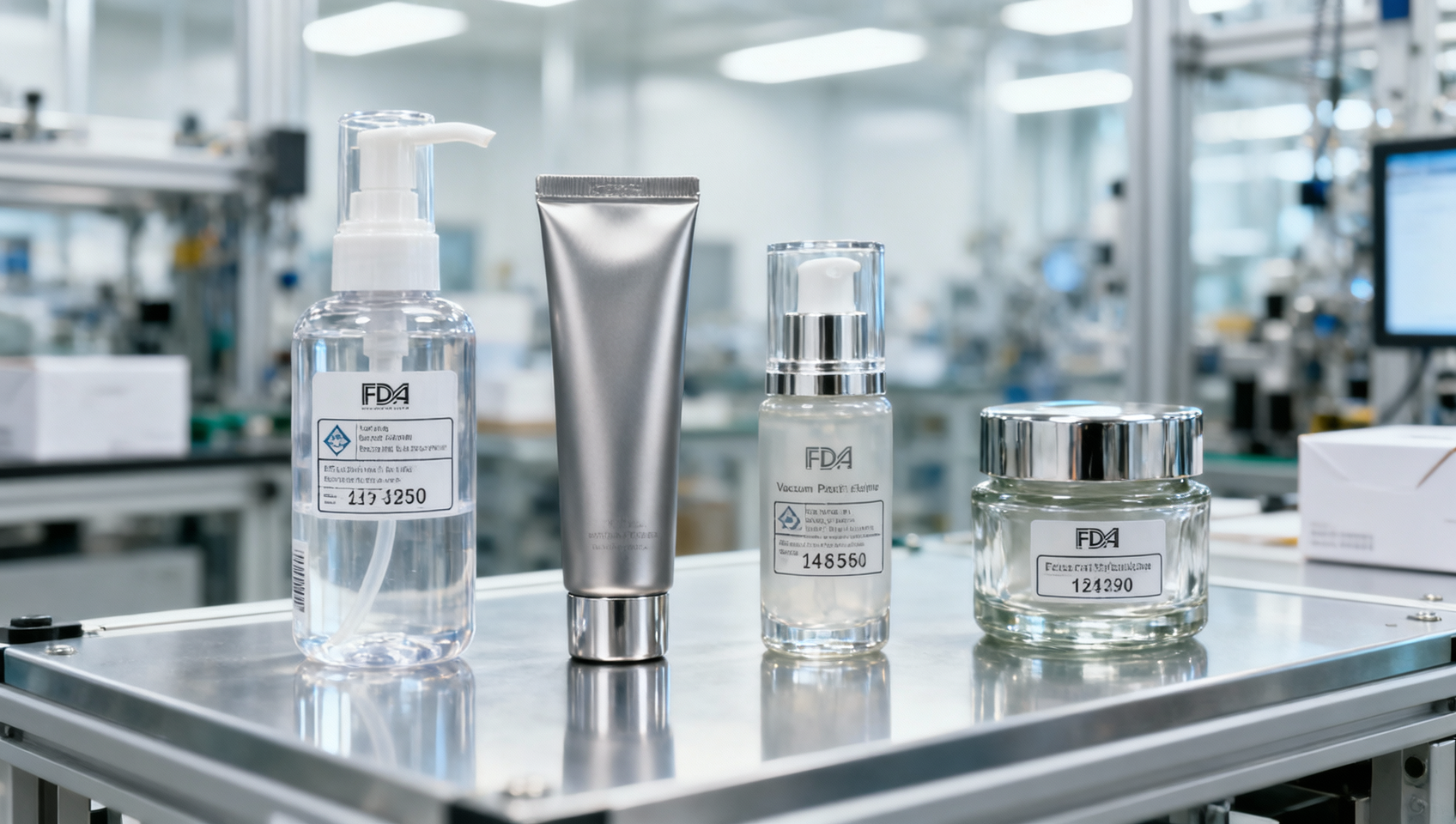
Travel buyers should also treat “FDA certified,” “CE compliant,” and “CPC certified” carefully. These labels are often used loosely in supplier communication. In practice, the compliance route depends on product type, destination market, age grading, material contact, and intended use. For example, a silicone baby feeding accessory in a family travel kit requires a different document set from a decorative souvenir mug or a sports recovery item sold in a hotel shop.
The table below shows common claims that sound acceptable in sales discussions but often break down during audits or pre-shipment reviews.
The key lesson is simple: a claim becomes stronger when it is limited, defined, and documented. Buyers in travel retail and service operations should prefer statements such as “contains 45% recycled PET in outer fabric, verified by supplier declaration and lot traceability” over broad environmental language that cannot survive review.
High-risk wording to remove from supplier-facing approvals
- Completely sustainable
- Fully certified for all markets
- Non-toxic for all uses
- Plastic-free, when trims, coatings, or adhesive layers are still polymer-based
What auditors examine in factories, documents, and travel supply chains
Most audit failures come from mismatches between what was promised and what can be shown in records. For travel service procurement, auditors rarely stop at the finished item. They may review incoming material control, production floor segregation, packaging claims, subcontracting, testing frequency, and shipping mark accuracy. If a beach resort chain is buying 10,000 reusable bottles, or a tour group is sourcing 5,000 branded family kits, the larger the volume, the more important document consistency becomes.
The first review area is traceability. Auditors want to see whether the bill of materials, supplier invoices, lot coding, and finished goods records can be connected in a usable sequence. In practice, many factories can trace final assembly for 30–60 days but struggle to show upstream evidence for fibers, resins, coatings, or packaging inputs across a full quarter.
The second area is certificate validity. A document may be real but still unusable. Common problems include expired reports, reports issued to a trading company rather than the manufacturer, tests that cover similar but not identical materials, and declarations missing the destination market language. This is especially relevant when travel companies sell across the EU, the US, the Middle East, and Southeast Asia under one brand program.
Core audit checks buyers should anticipate
The following table maps typical audit checkpoints to travel procurement impact. It can be used by sourcing teams, QA managers, project leads, and business approvers before PO release.
For travel service organizations, these checks are not only compliance issues. They affect launch timing, return risk, distributor confidence, and even insurance discussions. A missing report may delay a cruise retail assortment; a weak chain-of-custody file may force a hotel group to remove sustainability claims from brochures, websites, or corporate sales decks.
Four questions auditors often ask on site
- Can the factory show traceability from finished SKU back to material input within 2–4 hours of request?
- Are certified and non-certified materials stored separately and labeled clearly?
- Do energy, water, and waste records cover at least the last 6 months in a consistent format?
- Does the declared compliance apply to this exact product, this market, and this production period?
How travel procurement teams can verify claims before placing orders
A practical verification system does not need to be overly complex, but it must be disciplined. For most travel service buyers, a 5-step screening process before final PO approval can eliminate the majority of avoidable audit issues. This is particularly useful for procurement teams handling mixed categories such as gifts, baby travel accessories, spa amenities, sports products, or destination retail merchandise.
A 5-step pre-order verification workflow
- Define the claim boundary. Specify whether the statement applies to material content, packaging, factory energy use, labor controls, or end-of-life design.
- Check product-market fit. Confirm whether the intended destination market requires CE-related documentation, CPC support, food-contact evidence, warning labels, or age grading.
- Request batch-linked evidence. Ask for declarations, invoices, lot records, and latest test reports tied to the actual production window.
- Review subcontracting exposure. Verify whether printing, coating, embroidery, packaging, or secondary assembly is outsourced.
- Set release conditions. No final mass production approval until critical documents pass internal review and, where needed, third-party validation.
In many travel procurement operations, document review should happen at least 2 checkpoints: supplier nomination and pre-shipment. For higher-risk categories such as baby items, toys, skin-contact accessories, and sports equipment, it is wise to add a sample-stage review 3–4 weeks before bulk production. That timing creates room for label changes, re-testing, or material substitution before costs escalate.
Finance teams should also be involved earlier than usual. If payment terms release 30% deposit before compliance review, the buyer loses leverage. A better control is to link deposit approval, or at least supplier onboarding status, to document completeness. This aligns sourcing, technical review, and financial risk management in one decision flow.
Minimum file set for travel-related branded product sourcing
- Product specification sheet with material composition by component
- Latest applicable test reports and declarations for target market
- Supplier sustainability statements supported by dated records
- Factory and subcontractor list for all major processing steps
- Artwork and packaging claim approval sheet to prevent overstatement
This approach is especially valuable for travel companies running private-label lines or destination-exclusive collections, where promotional language often goes to market quickly but can be challenged later by partners, online marketplaces, or regulators.
Common mistakes, FAQ, and a safer sourcing approach for long-term brand protection
Even experienced teams make repeatable mistakes. The biggest one is assuming that a factory audit, a test report, and a sustainability claim are interchangeable. They are not. A social audit does not confirm recycled content. A material claim does not confirm chemical compliance. A positive sample report does not always cover mass production across 3 lots or multiple colorways.
The second mistake is approving marketing copy before compliance review. In travel services, brochures, e-commerce listings, in-room collateral, and distributor sheets may be produced 2–6 weeks before delivery. If the wording is too aggressive, removing or revising it late in the cycle can create extra print cost, packaging waste, and launch delays.
FAQ: How should buyers interpret “CPC certified,” “CE compliance,” and “FDA certified” in travel sourcing?
Buyers should interpret these as documentation topics, not marketing shortcuts. Ask which regulation or standard applies, which model was tested, which age group or use case is covered, and whether the records match the intended market. If the supplier cannot explain this in 1–2 pages with supporting files, escalation is necessary before order confirmation.
FAQ: What delivery impact should teams expect if a claim fails review?
The delay depends on the problem. A missing declaration might be solved in 3–7 days. Re-testing or artwork revision can take 1–3 weeks. If a key raw material claim fails and the product must be re-specified, the effect may reach 4–8 weeks, especially during peak travel merchandising seasons.
FAQ: Which travel businesses are most exposed to unsupported sustainability claims?
Hotel groups, resort chains, cruise operators, tour brands, airport retail programs, event travel organizers, and destination gift distributors all face exposure. The risk is highest when products are guest-facing, child-related, skin-contact, or promoted as premium sustainable merchandise.
Three sourcing habits that improve audit resilience
- Use limited, evidence-based claim language in product sheets and guest marketing materials.
- Build a cross-functional approval gate involving sourcing, QA, legal or compliance, and finance before bulk PO release.
- Review supplier records at least every 6–12 months rather than assuming one successful order secures future compliance.
For teams navigating retail sourcing connected to travel services, the safest path is disciplined verification, tighter wording, and supplier selection based on evidence rather than presentation quality. Strong suppliers welcome detailed review because it helps them compete on credibility, not just price or speed.
Global Consumer Sourcing supports buyers, sourcing managers, technical reviewers, and decision-makers who need clearer intelligence on compliant manufacturing, certification scope, and risk-aware supplier selection. If you are evaluating travel-related merchandise, amenity lines, family travel products, or branded outdoor gear, contact us to discuss a more reliable sourcing framework, request tailored guidance, or explore deeper market and compliance insights.
Related Intelligence
 Beauty DevicesApr 19, 2026Global Li-ion Recycling Rate Hits 62.3%: Beauty Device BOM Cost Down 9%Li-ion recycling rate hits 62.3% — driving 9% BOM cost reduction for beauty devices. Discover how cascade utilization is reshaping global supply chains & boosting margins.
 Cosmetics & PkgApr 19, 2026FDA Mandates Independent VCRP Registration for Cosmetic Packaging as of Apr 19, 2026FDA mandates independent VCRP registration for cosmetic packaging by Apr 19, 2026—avoid Import Alert 66-12. Act now to secure U.S. market access.
 Nursery Furniture & MonitorsApr 19, 2026Canton Fair Phase III: Smart Infant Monitors Surge Amid EN60601-1-12 DemandSmart infant monitors surge at Canton Fair Phase III amid rising EN60601-1-12 compliance demand — discover why Middle East buyers now prioritize medical-grade safety.
 Camping & WaterApr 19, 2026RCEP Cuts Tariff on China-Made Camping Water Bags by 0.8% for TPU+Aluminum LaminateRCEP cuts tariff by 0.8% on China-made camping water bags with TPU+aluminum laminate — unlock duty savings & win Indonesian tenders now.
 Corporate & Seasonal GiftsApr 19, 2026TÜV Rheinland Updates Green Packaging Certification for Corporate GiftsGreen Packaging Certification now requires LCA reports & carbon heat maps for corporate gifts—key for OEMs, exporters & ESG procurement. Act before July 2026.
 Smart Pet DevicesApr 19, 2026Vietnam Requires ISO 13485 + Vietnamese Manual for Smart Pet CollarsISO 13485 + Vietnamese manual now mandatory for smart pet collars in Vietnam—key compliance update for exporters, certifiers & logistics partners.
 Infant Feeding & CareApr 19, 2026JETRO Mandates Blockchain Traceability for Silicone in Infant Feeding ProductsBlockchain traceability for silicone in infant feeding products is now mandated by JETRO — ensure compliance with AntChain/ZhiXin Chain to clear Japanese customs.
 STEM & Educational ToysApr 19, 2026SASO Shortens AI-STEM Toy EMC Certification to 24 HoursSASO Shortens AI-STEM Toy EMC Certification to 24 Hours — Chinese manufacturers can now accelerate Saudi market access with pre-embedded PCB-level EMC filtering and verified design docs.
 Cosmetics & PkgApr 19, 2026EU EPR Mandatory Registration in France & Germany Takes Effect Apr 18, 2026EU EPR mandatory registration in France & Germany starts Apr 18, 2026 — Chinese cosmetic packaging exporters must act now to avoid delisting, delays & fines.
 Camping & WaterApr 19, 2026CPSC Tightens Import Inspection for Camping Water BladdersCPSC Tightens Import Inspection for Camping Water Bladders: Urgent ASTM F2739-23 cold-flex compliance required at −20°C—avoid shipment rejection & re-export.
 Camping & WaterApr 18, 2026CPSC Launches New TPU Camping Bladder ChecksCPSC launches TPU camping bladder checks: Critical −20°C performance enforcement for exporters, suppliers & OEMs. Act now to avoid U.S. customs delays.
 Beauty DevicesApr 18, 2026Global Li-ion Battery Recycling Rate Hits 62.3%Li-ion battery recycling rate hits 62.3%—cutting BOM costs for beauty & smart pet device batteries. Discover how LFP cathode savings boost margins and compliance readiness.
 Beauty DevicesApr 18, 2026Canton Fair Phase II Preview: Beauty Device Inquiries +41% YoYBeauty device inquiries surge +41% YoY ahead of Canton Fair Phase II — Middle East buyers prioritize RF safety & energy efficiency certification.