D2C Brands Are Rethinking Private Label Outdoor Gear
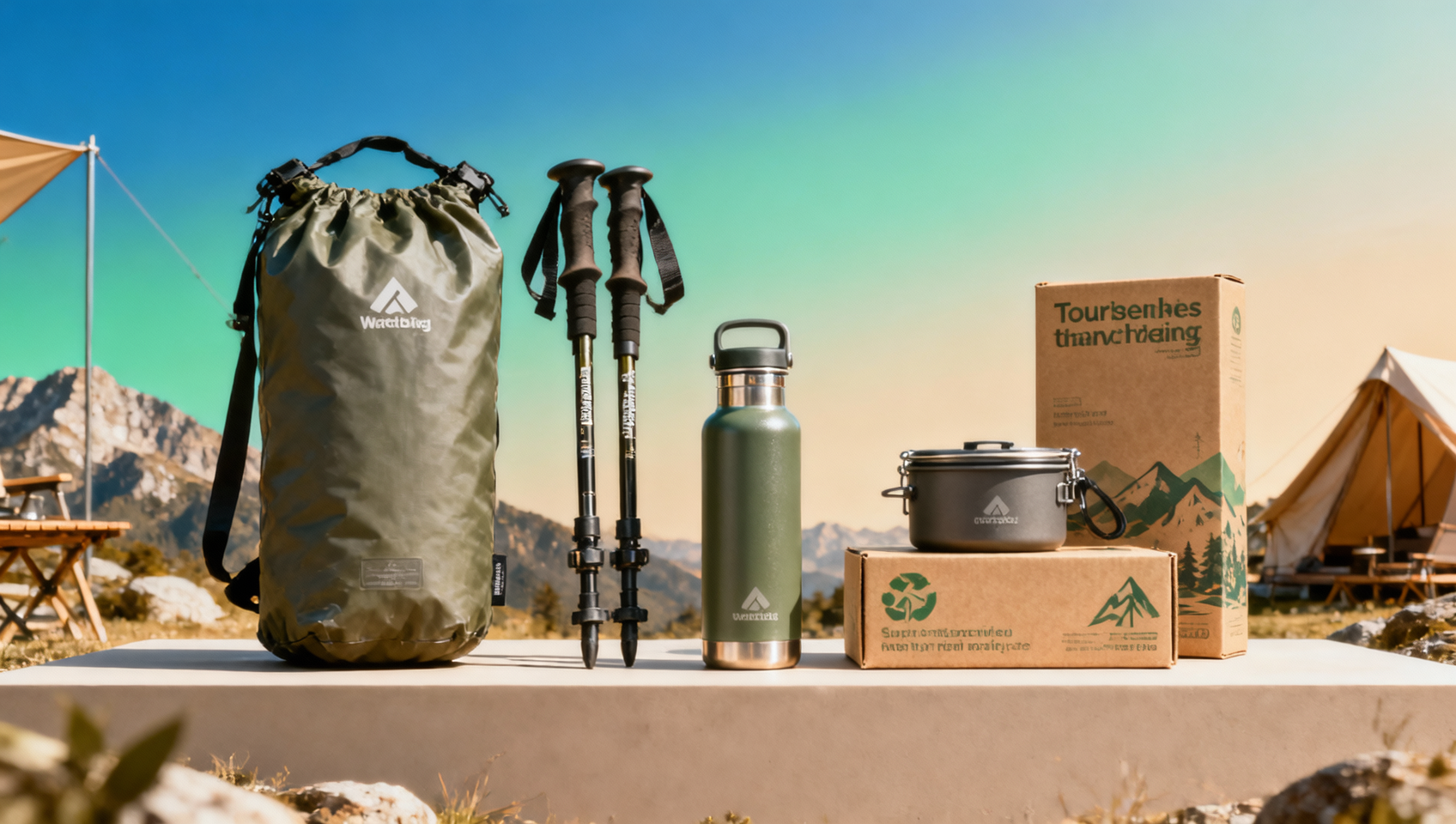
As D2C brands rethink private label outdoor gear, global procurement teams are prioritizing sustainable manufacturing, CE compliance, CPC certified materials, and FDA certified components where applicable. For buyers of outdoor gear, sports equipment, gift products, and maternity items, the new sourcing playbook is no longer just about cost—it is about safety, speed, brand differentiation, and supply chain resilience.
For travel service operators, destination activity providers, resort retailers, camping tour organizers, and procurement teams supporting tourism infrastructure, this shift has direct implications. Outdoor gear sold through lodges, adventure parks, airport gift shops, glamping sites, and tour packages is now part of the traveler experience, the brand promise, and the risk profile of the business.
Private label outdoor gear is moving from a simple merchandising category to a strategic asset. Businesses that understand sourcing timelines, product compliance, packaging flexibility, and supplier reliability can launch faster, protect margins, and reduce after-sales issues. That matters to technical evaluators, safety managers, financial approvers, and project leaders alike.
Why Private Label Outdoor Gear Matters More in Travel Services
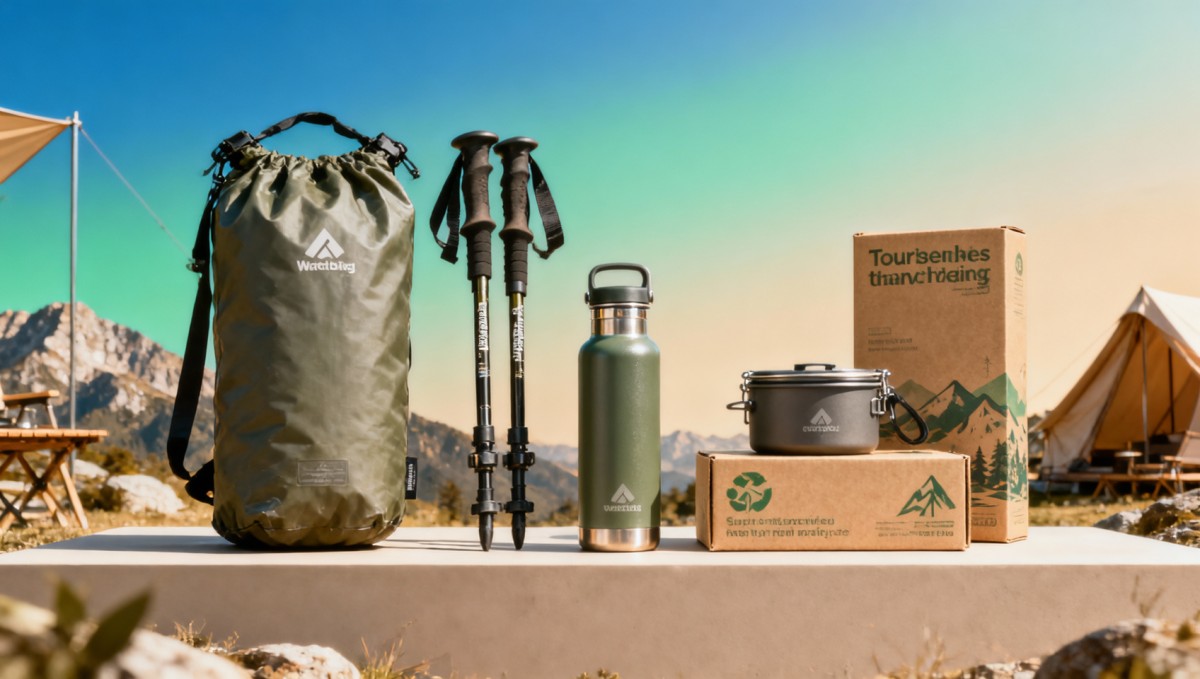
Travel services increasingly depend on curated products to extend revenue beyond tickets, bookings, or accommodation. A mountain resort may sell trekking poles, insulated bottles, and compact rain ponchos. A coastal operator may offer dry bags, UV-safe accessories, and waterproof picnic items. In each case, private label outdoor gear supports both ancillary sales and customer retention.
The shift is also operational. Many tourism businesses now plan product launches in 2 seasonal cycles per year rather than relying on one annual assortment. That compresses sourcing windows to roughly 8–16 weeks, depending on materials, testing needs, and packaging requirements. If the supplier cannot support fast sampling or low-risk compliance review, the launch can miss peak travel demand.
For D2C brands serving travelers, the outdoor category has become a visible extension of brand identity. Minimalist urban travel brands want lightweight, space-saving products; family travel brands often need child-safe materials and easy-clean surfaces; premium eco-tourism operators look for recycled polyester, FSC paper packaging, and traceable manufacturing. This makes supplier selection more nuanced than simple unit-price comparison.
Buyers also face a different quality burden. Outdoor gear may be used in wet, high-UV, high-friction, or variable-temperature environments. A basic visual inspection is not enough. Procurement teams should review abrasion resistance, zipper cycle durability, seam strength, load rating, and labeling consistency before approving bulk production.
Travel-linked product categories seeing the fastest private label growth
The most practical categories are those that combine utility, portability, and easy brand customization. For tourism sellers, these products are easier to merchandise on-site and online, and they often fit well into gift bundles, welcome kits, or package upgrades.
- Packable outdoor accessories such as ponchos, folding seat pads, and dry sacks for day tours and weather-sensitive destinations.
- Hydration and food-contact items, where FDA-relevant materials may apply for bottles, cups, or lunch containers sold to travelers.
- Family travel and maternity-friendly outdoor products, including picnic mats, stroller clips, and sun-protection accessories that require tighter safety review.
- Gift-oriented sports and outdoors items for airports, national parks, and scenic retail points where portability and packaging efficiency are critical.
The table below shows how private label outdoor gear aligns with common tourism business models and procurement priorities.
A clear pattern emerges: tourism-linked buyers rarely purchase outdoor gear for one reason only. They need merchandise that can sell, travel well, support the guest experience, and meet internal quality standards. That is why many teams are now evaluating suppliers with 4 or more weighted criteria instead of relying on quoted price alone.
What Buyers Must Check: Compliance, Materials, and Product Safety
In travel services, product safety failures can affect not just returns but customer trust, platform reviews, and onsite operations. A leaking bottle, unstable folding stool, or poorly labeled child-adjacent accessory can create a chain of costs far beyond the original invoice. For this reason, procurement teams should build compliance review into the early sampling stage, not after final negotiation.
Not every product requires the same certification route, but buyers should understand what applies. CE review may matter for certain regulated product categories sold into European markets. CPC-related documentation is important where children’s products or child-use contexts are involved. FDA-relevant material compliance may apply to food-contact components such as drinkware, lunch accessories, or hydration systems. The exact requirement depends on use case, destination market, and product design.
Material choice is equally important. Tourism-facing gear often sits in vehicles, storefronts, or outdoor kiosks for long periods. Fabrics exposed to UV, coatings exposed to heat, and food-contact parts exposed to repeated washing all need stability. Common review points include odor, color transfer, zipper fatigue after 500–1,000 cycles, and fabric tear resistance suited to the intended load.
Quality control teams should also verify packaging and labeling. If a product is sold across 2–3 regions, labeling may need to cover fiber content, warnings, care instructions, recycling marks, or age guidance. A supplier that handles product engineering well but cannot manage documentation often becomes a hidden bottleneck during customs review or distributor onboarding.
A practical compliance checklist for tourism procurement teams
- Confirm the target market first: EU, US, Middle East, or multi-region sales often change document requirements and labeling language.
- Separate adult-use, child-adjacent, and food-contact items into different review paths rather than applying one standard to all SKUs.
- Request test plans before bulk production, especially for textiles, coatings, plastics, and structural accessories.
- Ask for sample retention and pre-shipment inspection rules, including AQL levels and carton drop checks where relevant.
- Verify whether artwork changes, inserts, and barcodes affect the lead time by 3–7 days.
Typical review factors by product type
The table below helps non-technical buyers and cross-functional decision-makers understand how review priorities differ across common outdoor products used in travel service channels.
The key takeaway is simple: compliance should be treated as a sourcing design input, not a final paperwork step. Teams that align engineering, sourcing, and quality review during the first 2–3 weeks usually reduce rework, shorten approval cycles, and improve sell-through confidence before peak travel season.
How D2C and Tourism Buyers Are Rebuilding the Sourcing Model
The old private label model favored large orders, static designs, and slow annual planning. That no longer matches the pace of destination retail, online travel merchandising, or branded experience kits. Today, buyers want smaller launch volumes, faster iteration, and the option to replenish top sellers in 3–6 weeks rather than commit to oversized inventory 6 months in advance.
This is especially relevant in tourism, where weather shifts, route changes, local events, and international travel patterns can alter demand quickly. A campsite operator may need waterproof accessories after a wet-season forecast. A ski-adjacent retailer may add insulated drinkware mid-season. A family resort may expand stroller-friendly accessories during holiday peaks. Flexible sourcing is now a commercial advantage.
OEM and ODM capabilities also matter more than before. Some buyers have ready artwork and packaging standards but need engineering help on material substitutions or foldability. Others need a supplier to shape the full product concept, from mold selection to retail-ready packaging. For project managers and business evaluators, understanding which model fits the internal workflow can save 2–4 rounds of revision.
Sustainable manufacturing has become another decision layer. Recycled polyester, lower-impact dyes, paper-based packaging, and supplier waste controls are increasingly considered during tender review. In travel services, these choices are not purely ethical. They influence guest perception, retail storytelling, and partnership opportunities with eco-conscious distributors or destination brands.
What a resilient sourcing model looks like in practice
- A core assortment of 5–10 proven SKUs with stable replenishment logic and repeat material standards.
- A test-and-scale layer using lower MOQ runs for seasonal or destination-specific products.
- Dual review between commercial teams and quality teams before purchase order release.
- Packaging formats that work for both on-site retail and e-commerce shipment, reducing duplicate inventory.
- Supplier communication protocols covering sample approval, production milestones, and exception handling within 24–72 hours.
Common sourcing mistakes that slow travel-related product launches
Many delays come from process gaps rather than factory capacity. Typical issues include approving appearance samples without functional testing, changing packaging after production is booked, or treating sustainability claims as marketing copy instead of document-backed sourcing criteria. These mistakes are expensive because they often surface late, when freight bookings and channel commitments are already in place.
Another frequent problem is underestimating channel-specific needs. Outdoor gear sold through distributors may need barcode structures, shelf display logic, and multilingual inserts. Products bundled into tours may need more compact packaging and faster onsite replenishment. Strong suppliers ask these questions early; weak suppliers wait for the buyer to discover the gaps.
Supplier Selection Framework for Procurement, Finance, and Quality Teams
A robust supplier review process should reflect the needs of multiple stakeholders. Operators care about ease of deployment. Technical evaluators focus on product suitability. Procurement wants commercial clarity. Finance checks payment risk and inventory exposure. Quality managers need traceability and inspection discipline. The most effective sourcing frameworks bring these concerns together before the first bulk order is signed.
In private label outdoor gear, a practical scorecard often includes 6 dimensions: product capability, compliance readiness, communication speed, MOQ flexibility, packaging support, and delivery stability. Different businesses may weight those factors differently. A distributor may prioritize repeatability and carton efficiency, while a premium travel brand may give extra weight to materials, finish quality, and sustainability credentials.
Lead time visibility is one of the strongest indicators of supplier maturity. Buyers should ask for a stage-by-stage view covering sampling, artwork approval, production, inspection, and shipment preparation. A supplier who can only provide one total number, such as 45 days, may not have enough process control to support tourism-driven replenishment cycles.
Cost analysis should also go beyond the quoted unit price. Hidden cost drivers include tooling changes, material substitutions, failed inspections, oversized packaging, and unplanned air freight. For financial approvers, the right supplier is often the one that minimizes variance and surprise cost, even if the initial quotation is 5%–8% higher.
A sample supplier evaluation matrix
The matrix below can be adapted for outdoor gear programs serving resorts, travel retailers, tour operators, and destination brands.
For most organizations, this type of matrix improves cross-department alignment. Procurement can negotiate more effectively, finance can quantify inventory and compliance risk, and quality teams can intervene earlier. In practice, supplier decisions become more defendable when they are tied to documented thresholds rather than opinions.
Implementation Roadmap, Delivery Windows, and Common Buyer Questions
Once a supplier is selected, execution discipline becomes the next priority. In tourism-linked private label programs, the most reliable launches usually follow a 5-step workflow: product brief alignment, sample validation, compliance and packaging review, pilot production approval, and final shipment coordination. Skipping any of these steps often creates late-stage delays that are costly to correct.
A standard launch for a moderately customized outdoor product may require 6–12 weeks, depending on material sourcing, artwork complexity, and testing needs. More straightforward textile accessories may move faster, while structural or food-contact items often need extra review time. Buyers should also account for 7–10 days for sample transit and internal sign-off if multiple departments are involved.
For project leaders, the practical goal is not just speed but controlled speed. Every approval should have a named owner, deadline, and fallback action. If packaging artwork is not locked by week 3, for example, the shipment schedule may slip even if the product itself is ready. This is why successful programs treat packaging, documentation, and product testing as parallel tracks.
Travel services businesses should also plan for after-launch support. That includes reorder triggers, complaint tracking, spare labeling files, and a process for replacing defective units. A stable vendor relationship is not measured only by the first shipment; it is measured by how efficiently the supplier supports the next 2–3 replenishment cycles.
Frequently asked sourcing questions
How should buyers estimate the right MOQ for travel retail or tour programs?
Start with forecasted sell-through over 60–90 days, then compare it against carton efficiency, storage limits, and replenishment speed. For seasonal tourism channels, a smaller first run is often safer than a lower unit price tied to excess stock. The right MOQ is the one that protects cash flow while leaving room to reorder winners quickly.
What are the most common mistakes when sourcing outdoor gear for family travel segments?
The most common errors are assuming adult standards are enough, overlooking warning labels, and failing to verify material suitability for child-adjacent use. Even when a product is not marketed as a toy, family travel contexts can raise the safety review threshold. Documentation should always match the actual use scenario.
How long should compliance and quality review take before mass production?
For simpler products, 1–2 weeks may be enough if materials and labeling are already defined. For more sensitive categories, especially food-contact or child-adjacent items, 2–4 weeks is a more realistic planning range. Buyers should build this into the sourcing calendar rather than treating it as optional buffer time.
What makes a sourcing partner strategically useful rather than transactional?
A strategic partner helps the buyer compare factories, interpret compliance pathways, understand packaging trade-offs, and anticipate seasonal demand shifts. In a fast-moving sector such as travel services, intelligence on materials, lead times, and supplier capability can be as valuable as the product quotation itself.
As private label outdoor gear becomes more integrated with travel merchandising, guest experience, and channel expansion, buyers need a sourcing approach that balances compliance, speed, and profitability. Global Consumer Sourcing supports this shift by helping brands, procurement teams, and supply chain decision-makers evaluate suppliers more intelligently, reduce launch risk, and align products with real market demand.
If your business is reviewing outdoor gear programs for destination retail, resort operations, travel packages, or branded merchandise, now is the right time to refine your supplier strategy. Contact us to explore tailored sourcing insights, compare manufacturing options, and get a more resilient roadmap for your next private label launch.
Related Intelligence
 Beauty DevicesApr 19, 2026Global Li-ion Recycling Rate Hits 62.3%: Beauty Device BOM Cost Down 9%Li-ion recycling rate hits 62.3% — driving 9% BOM cost reduction for beauty devices. Discover how cascade utilization is reshaping global supply chains & boosting margins.
 Cosmetics & PkgApr 19, 2026FDA Mandates Independent VCRP Registration for Cosmetic Packaging as of Apr 19, 2026FDA mandates independent VCRP registration for cosmetic packaging by Apr 19, 2026—avoid Import Alert 66-12. Act now to secure U.S. market access.
 Nursery Furniture & MonitorsApr 19, 2026Canton Fair Phase III: Smart Infant Monitors Surge Amid EN60601-1-12 DemandSmart infant monitors surge at Canton Fair Phase III amid rising EN60601-1-12 compliance demand — discover why Middle East buyers now prioritize medical-grade safety.
 Camping & WaterApr 19, 2026RCEP Cuts Tariff on China-Made Camping Water Bags by 0.8% for TPU+Aluminum LaminateRCEP cuts tariff by 0.8% on China-made camping water bags with TPU+aluminum laminate — unlock duty savings & win Indonesian tenders now.
 Corporate & Seasonal GiftsApr 19, 2026TÜV Rheinland Updates Green Packaging Certification for Corporate GiftsGreen Packaging Certification now requires LCA reports & carbon heat maps for corporate gifts—key for OEMs, exporters & ESG procurement. Act before July 2026.
 Smart Pet DevicesApr 19, 2026Vietnam Requires ISO 13485 + Vietnamese Manual for Smart Pet CollarsISO 13485 + Vietnamese manual now mandatory for smart pet collars in Vietnam—key compliance update for exporters, certifiers & logistics partners.
 Infant Feeding & CareApr 19, 2026JETRO Mandates Blockchain Traceability for Silicone in Infant Feeding ProductsBlockchain traceability for silicone in infant feeding products is now mandated by JETRO — ensure compliance with AntChain/ZhiXin Chain to clear Japanese customs.
 STEM & Educational ToysApr 19, 2026SASO Shortens AI-STEM Toy EMC Certification to 24 HoursSASO Shortens AI-STEM Toy EMC Certification to 24 Hours — Chinese manufacturers can now accelerate Saudi market access with pre-embedded PCB-level EMC filtering and verified design docs.
 Cosmetics & PkgApr 19, 2026EU EPR Mandatory Registration in France & Germany Takes Effect Apr 18, 2026EU EPR mandatory registration in France & Germany starts Apr 18, 2026 — Chinese cosmetic packaging exporters must act now to avoid delisting, delays & fines.
 Camping & WaterApr 19, 2026CPSC Tightens Import Inspection for Camping Water BladdersCPSC Tightens Import Inspection for Camping Water Bladders: Urgent ASTM F2739-23 cold-flex compliance required at −20°C—avoid shipment rejection & re-export.
 Camping & WaterApr 18, 2026CPSC Launches New TPU Camping Bladder ChecksCPSC launches TPU camping bladder checks: Critical −20°C performance enforcement for exporters, suppliers & OEMs. Act now to avoid U.S. customs delays.
 Beauty DevicesApr 18, 2026Global Li-ion Battery Recycling Rate Hits 62.3%Li-ion battery recycling rate hits 62.3%—cutting BOM costs for beauty & smart pet device batteries. Discover how LFP cathode savings boost margins and compliance readiness.
 Beauty DevicesApr 18, 2026Canton Fair Phase II Preview: Beauty Device Inquiries +41% YoYBeauty device inquiries surge +41% YoY ahead of Canton Fair Phase II — Middle East buyers prioritize RF safety & energy efficiency certification.